Where is the ‘Coffee to go’ produced in Togo?”
Facts & FiguresTogo – is situated on the western coast of Africa
Togo – is one of the most densely populated regions of West Africa
Togo – has a population of 6 million people
Togo – is a multi-ethnic state (40 different ethnic groups)
Togo – has the fifth smallest territory of all world countries
Togo – was a protectorate of the German Empire from 1884 to 1914
Togo – was known as Togoland up until 1905
Togo – formed part of the “Slave Coast” between the 16th and 18th centuries
Togo – was divided up between the United Kingdom and France after World War I
Togo – became a member of the United Nations in 1961
Togo – is the country with the longest serving dictatorial lineage
Togo – is a presidential republic
Togo – has official legislation aimed at preventing child trafficking
Togo – is one of the 23 worst off developing countries according to the UN ranking list
Togo – has an illiteracy rate of 47%
Togo – is a Fourth World country*
Togo – is afflicted ever year by flooding
Togo – has many lagoons lined with palm trees
Togo – has wooded mountainous regions
Togo – qualified for the Football World Cup in Germany in 2006
Togo – has a professional football player, S.E. Adebayor, at FC Arsenal
Togo – has a Goethe Institut based in the capital city Lomé
Togo – has 2 SOS Children’s Villages
and …
Togo – exports coffee (10% of its total export) … which we’re sure you already guessed!

What is a “Fourth World” country?
- 1st World: Industrial nations (e.g. the G-8 countries)
- 2nd World: Former communist states
- 3rd World: Originally countries that made up the “third block”, consisting mainly of Asian and African countries, who strived for the disarmament of the world’s superpowers. Nowadays Third World countries are those regarded as under-developed in a political, financial and social sense, and who are categorised as poor by the World Health Organisation
- 4th World: Those countries ranking at the bottom of the UN list of developing countries, including Togo
There
is no reliable supply of electricity in Togo. Just 14% of the
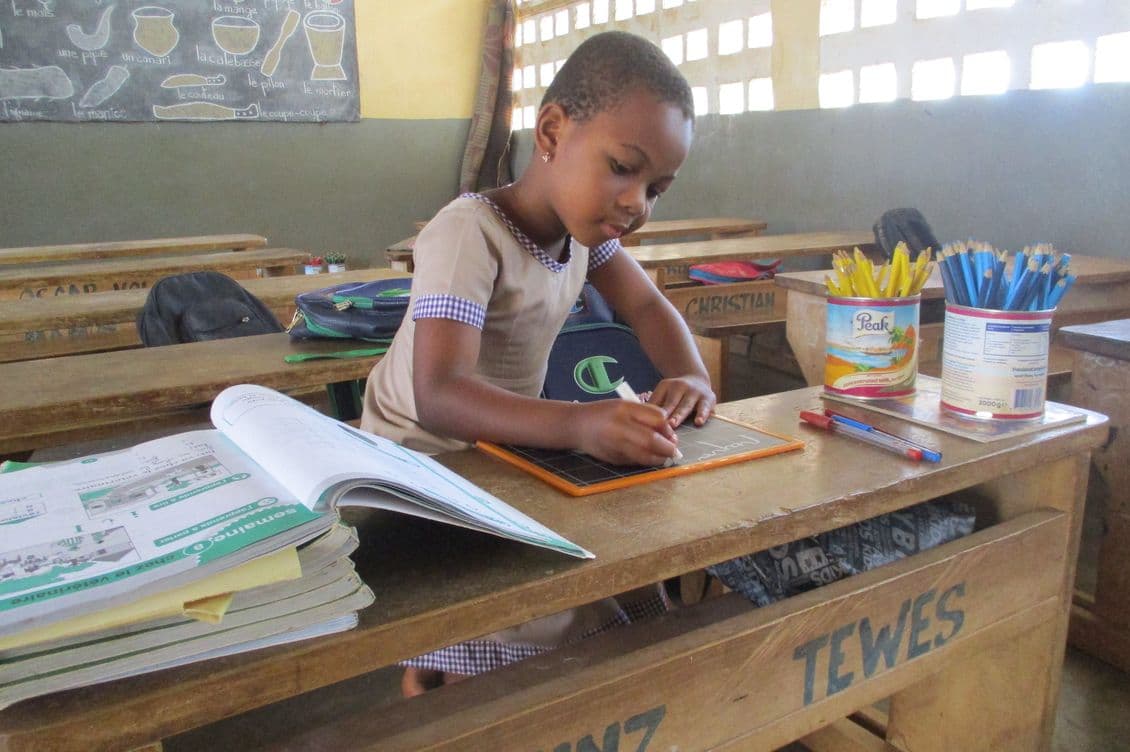
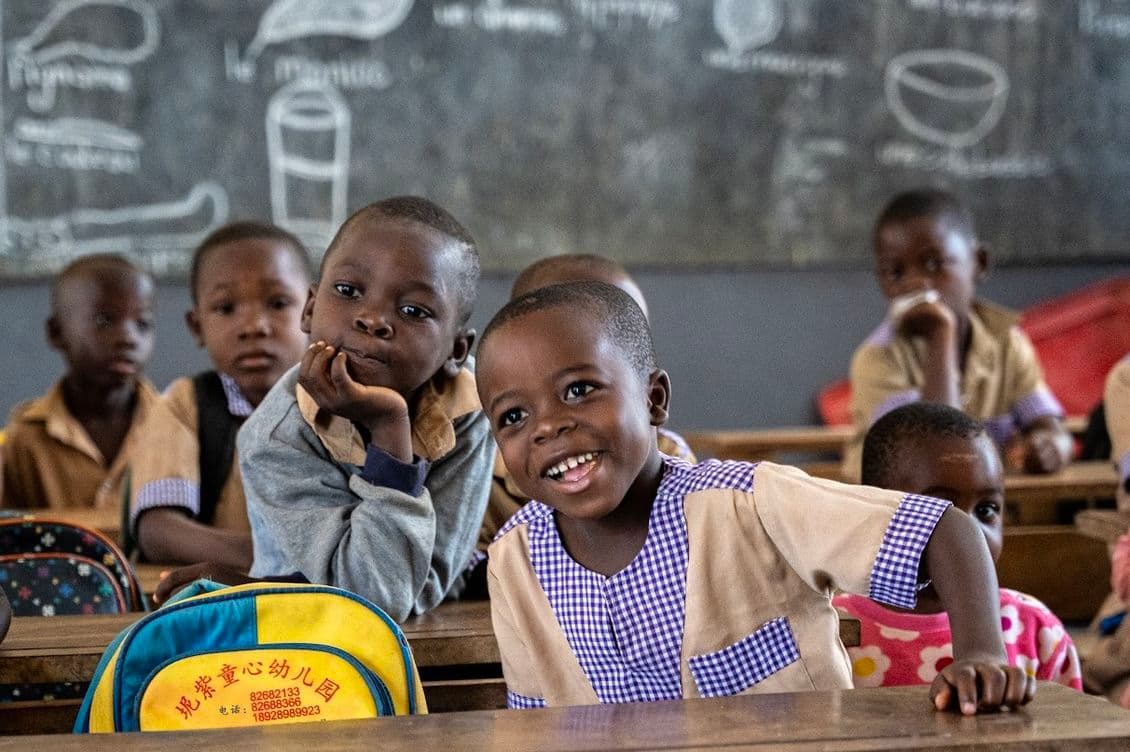
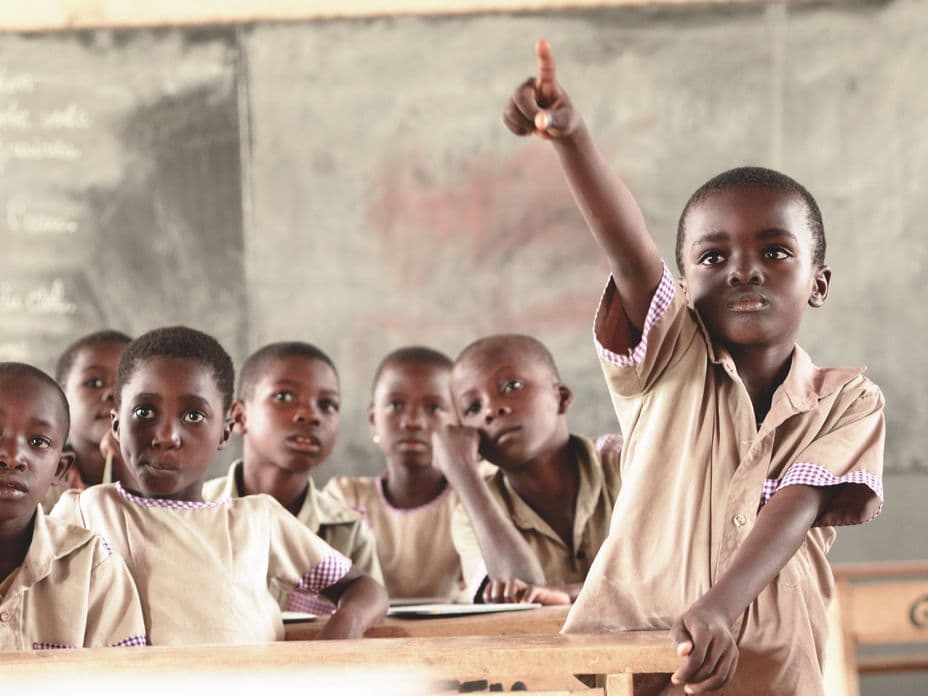
population have access to clean drinking water. Officially a school
education is compulsory, but in reality every second child does not
attend school. Parents cannot afford the school fees and children are
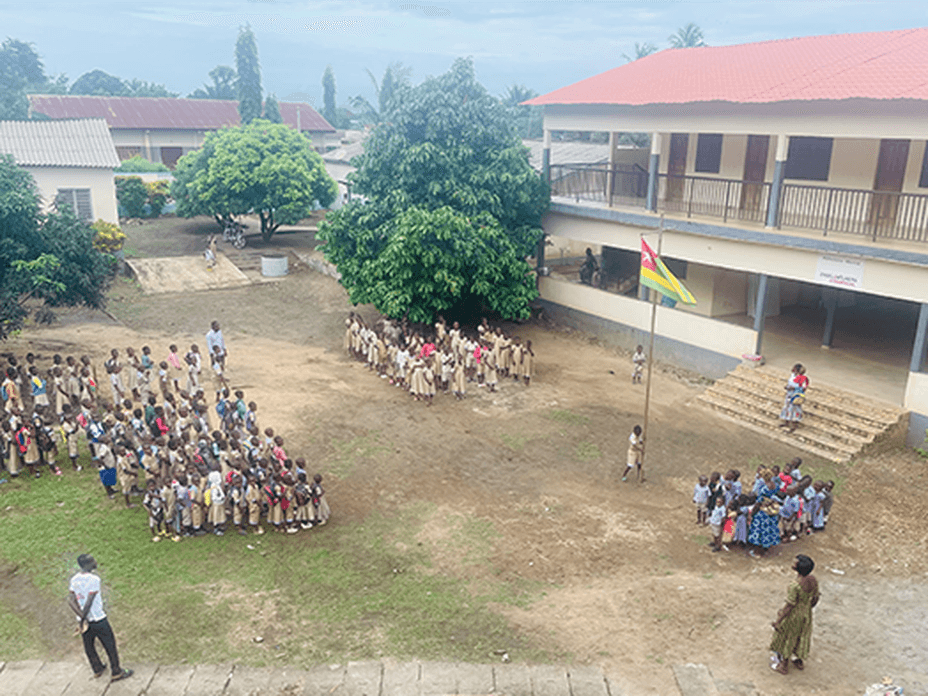
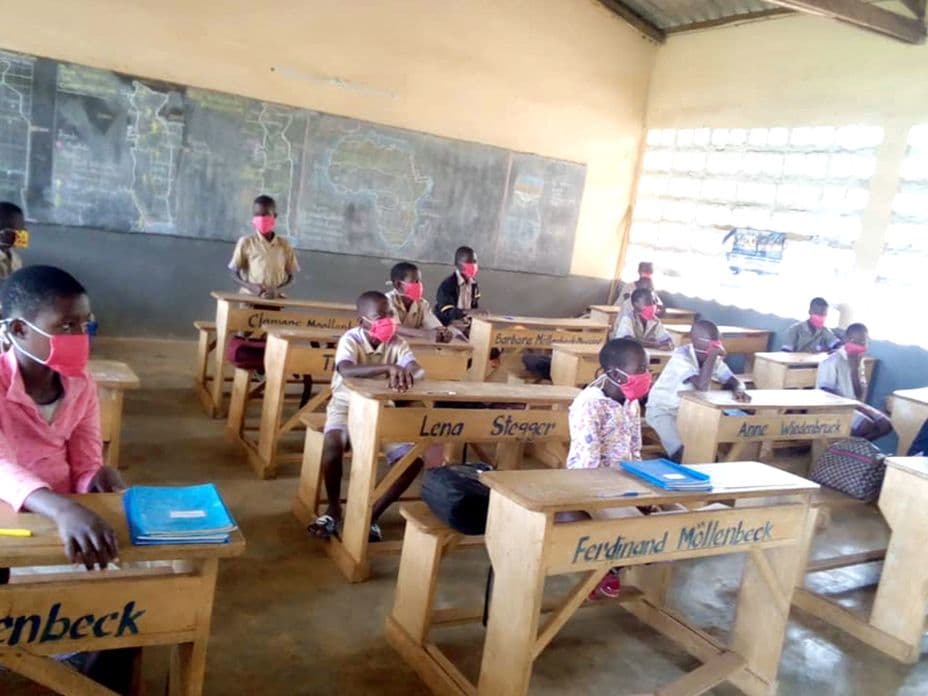
seen as cheap agricultural labourers. Classrooms are overcrowded and
teachers poorly educated. Not every village has a school either. Other
problems facing the children include the absolute lack of medical
provision, extreme weather conditions (high temperatures and heavy
rainfall) and insufficient nutrition. The living conditions of children
in Togo cannot be compared in any way to those of children in Europe
(even those living in underprivileged areas and regions afflicted by
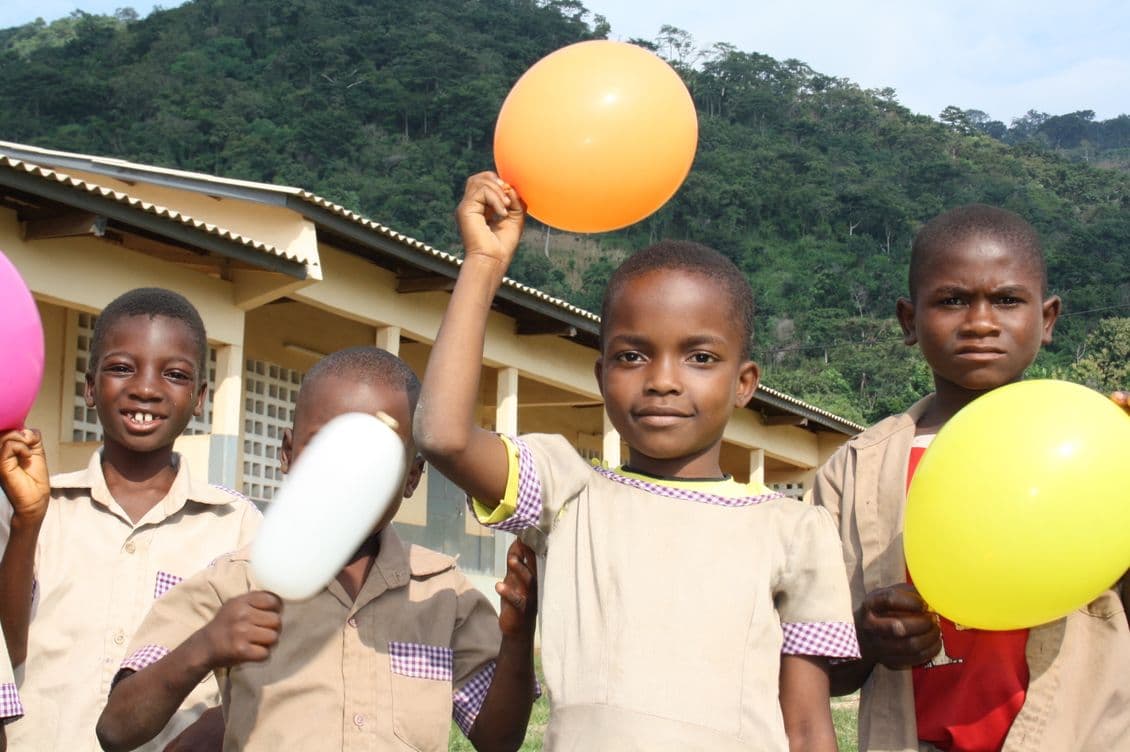
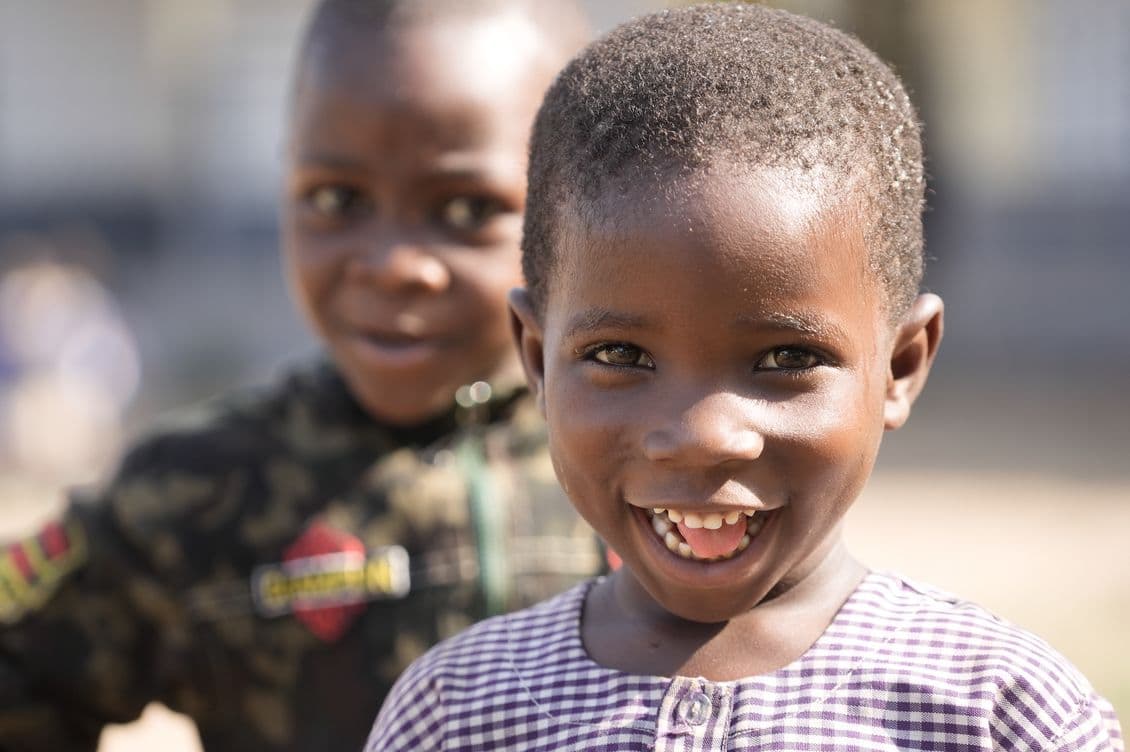
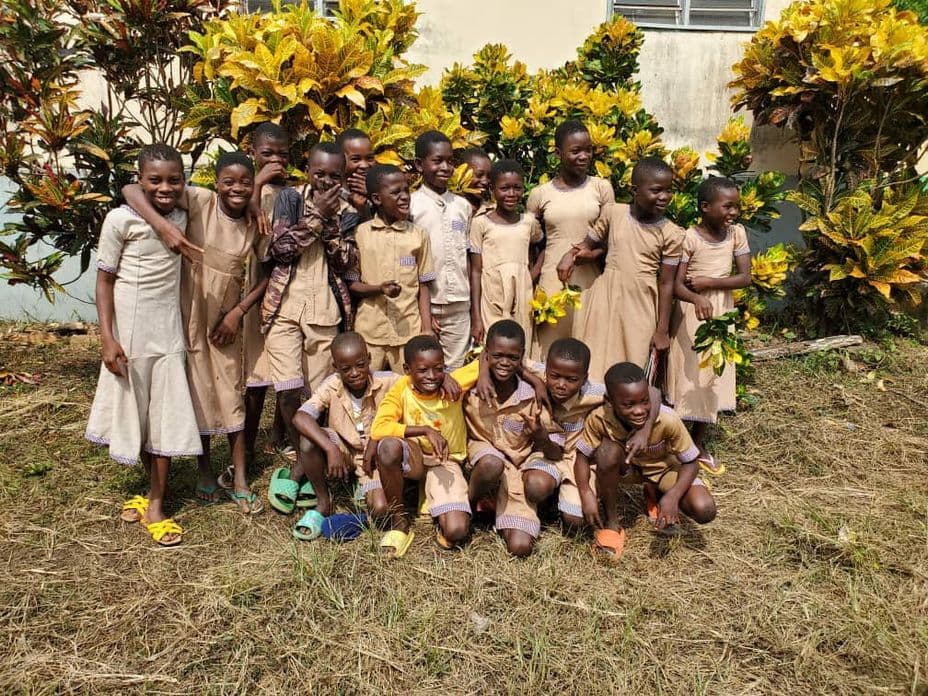
conflict). The photo gallery cannot show the full extent of the hardship
faced in Togo.
There are so many reasons why your help is needed!
How attending school can change lives for the better!
Elias
was born on 13 November 1958 with the name AHADZI YA WO Yikoennyame
Wolali. He grew up in bitter poverty together with four siblings in
Agbetiko. His father died in 1962, leaving his mother to struggle to
bring up all five children with the meagre wages from her work in the
fields. There wasn’t enough money for all the children to attend school.
As Elias now says, he only received a school education “by the grace of
God”.

Elias
was good enough to gain entry to university, where he studied for and
qualified with a degree in Economics and Business Studies. He then went
on to attend the National Business School, leaving in 1988 as a
qualified Customs Inspector. To start with he was unemployed for a time,
but then he received a position working at customs in Togo and remained
in his home country for nine years.
His
career brought him on two occasions to France, where he studied at the
National College for Customs. Elias returned to Togo in 2001 as a Head
Customs Inspector. Elias’ wife studied Law at the University of
Lomé/Togo and is now a consultant at the Court of Appeals in Lomé. Elias
and his wife have one child and live in Togo.
Elias
found his own path to success, but didn’t forget his roots and his home
village in the process. He returned and founded a humanitarian relief
project. His dedication and generosity mean that children without any
means are able to attend school. He has been involved in the setting up
of schools in the past, and will be a great support to us in the
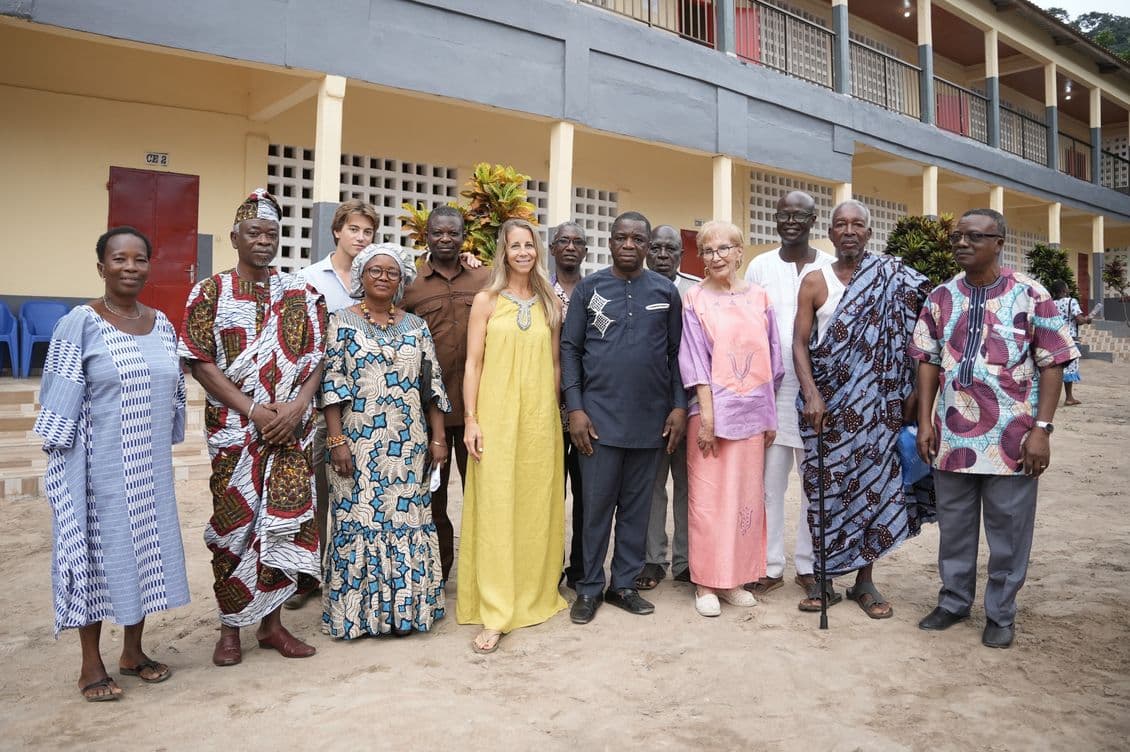
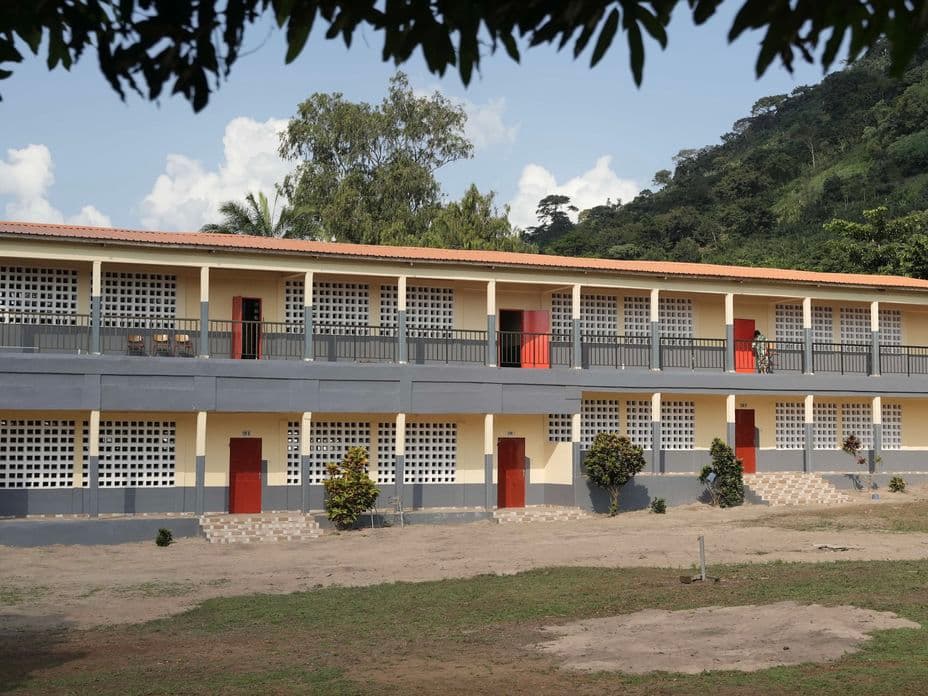
realisation of our primary school in Agbetiko.
Our
personal contact with Elias and our insight into the path his life has
taken only strengthen our belief that a school education is so extremely
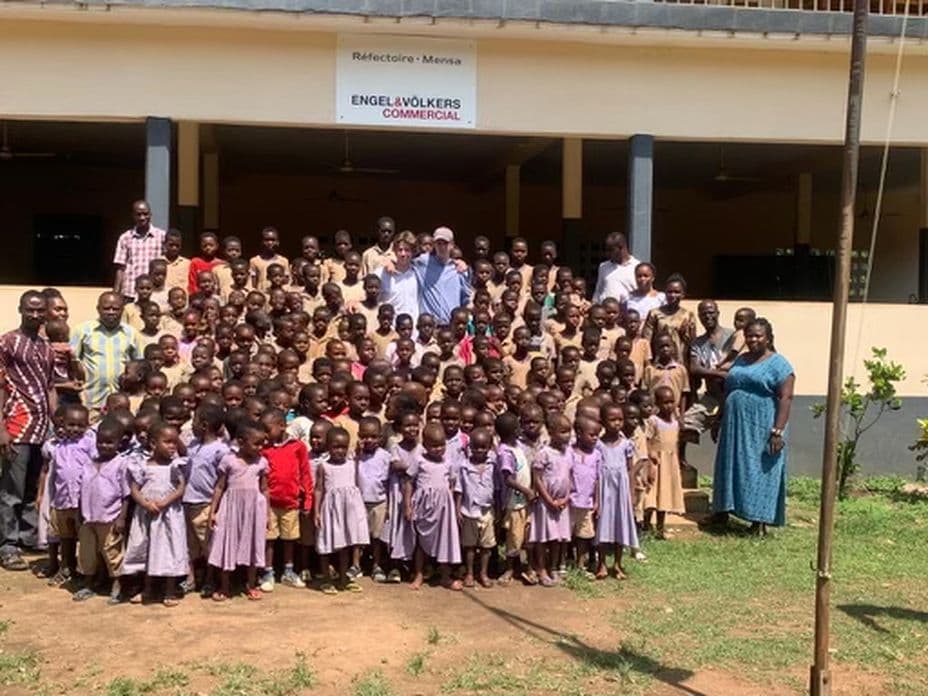
important for the children in Africa. The funds raised by the Engel
& Völkers Charity e.V. will make it possible for many children to
attend primary school – and hopefully then to continue learning and
other schools and colleges as they grow older. A first step towards a
brighter future! Elias has already set an example for us.