- 4 min read
- 01.06.2026
The Vienna Commercial Property Market in 2026: Opportunities, Trends & New Investment Strategies
The Vienna commercial property market continues to show clear trends in 2026: high-quality properties in prime locations remain in demand, whilst tighter financing conditions are calling for new strategies from investors and property developers.
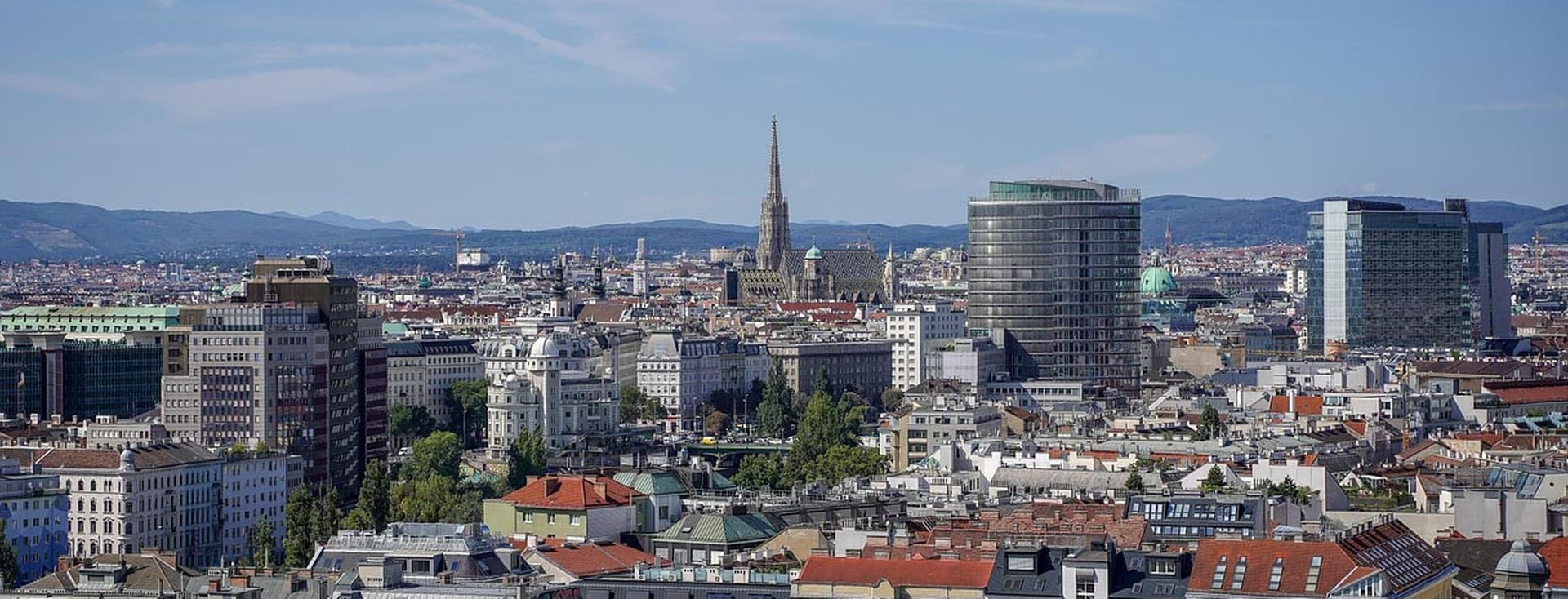
At an exclusive business breakfast entitled “Property Update and Current Trends 2026”, experts from Engel & Völkers Vienna Commercial, in collaboration with the commercial law firm CMS Reich-Rohrwig-Hainz, presented a detailed analysis of current developments in Vienna’s commercial property and investment market.
Retail and office property: Focus on prime locations & ESG compliance
The structural shift brought about by e-commerce is increasingly shifting the focus in the retail property sector towards high-street locations and modern usage concepts. Whilst prime retail space in Vienna’s top locations continues to hold its own, secondary locations are showing a significantly weaker performance.
With a market share of around 30 to 34%, the Vienna office market remains the largest asset class in the commercial property market. With a letting volume of around 200,000 m² in 2025 and few new office projects being completed, vacancy rates remain low.
Due to new working models and rising ESG requirements, demand for space is increasingly focused on flexible office space with modern fit-out concepts in prime locations.
By 2026, the market will be clearly quality-oriented. Whilst core properties in prime locations such as Vienna’s Central Business District will continue to be in high demand, secondary locations will come under increasing pressure.

Logistics & Hotels: Growth driven by a shortage of supply
The industrial and logistics sector has established itself as a strong growth sector in 2026. Due to limited new construction, last-mile logistics in Vienna and the surrounding area is increasingly becoming a focus for institutional investors.
A combination of growing e-commerce, limited supply of space and urban densification continues to ensure attractive rental and yield potential in the Vienna logistics market.
The Vienna hotel property market is also developing extremely positively. As a top international tourist destination, Vienna is increasingly in the spotlight of institutional property investors.
“The focus is on innovative operator concepts and mixed-use developments. Given the continued growth of the tourism sector, sustained positive momentum is expected,” says Christian Sommer.
Residential property: A stable sector with low turnover
The Vienna residential property market remains the most stable asset class in 2026, but continues to face structural challenges.
Ongoing population growth in Vienna is driving a steady increase in demand for rental properties and in rental prices. At the same time, regulatory interventions are hampering the profitability of new residential construction projects.
The sluggish dynamics of the housing market are exacerbated primarily by long tenancy periods for council and cooperative housing. As a result, supply on the private rental market remains severely limited at around 22,000 flats.
This creates attractive opportunities for investors in the sector of high-quality residential property and sustainable housing projects. At the same time, the successful implementation of new projects remains closely linked to the viability of modern financing solutions.
New financing models are transforming the market
The financing landscape for property projects has changed significantly in 2026. Banks are taking a much more restrictive approach to lending and are requiring higher equity ratios of at least 20 to 30 per cent.
As a result, alternative forms of financing are becoming increasingly important both internationally and in the Austrian property market. The following are in particularly high demand:
Mezzanine capital
Debt funds
Joint ventures
Tokenisation (‘fractional digital ownership’)
Hybrid financing models
“Setting aside reserves is an absolute necessity. Due to past loan defaults and strict banking regulations, only projects of the highest quality are now being financed,” says Christian Sommer.
It is therefore essential for investors to strategically establish alternative property financing solutions in order to make the most of current opportunities in the Vienna property market.