- 10 min read
Almine Rech-Picasso Gives Art a Place in Your Interior
&w=1920&q=75)
Portrait of a Gallerist: The Vision of Almine Rech-Picasso
After studying art, film, and literature at the Faculté des Lettres and the École du Louvre in Paris, Almine Rech-Picasso opened her first gallery in the Marais district in 1989. Her inaugural exhibition was dedicated to James Turrell.
In 1997, she opened the gallery that still bears her name today. With locations in Brussels, Paris, London, New York, Shanghai, and Monaco, Almine has become one of the leading names in the international contemporary art scene. In 2002, together with her husband Bernard Ruiz-Picasso, she founded the Fondation Almine et Bernard Ruiz-Picasso pour l’Art (FABA), a foundation devoted to researching Picasso’s work, lending modern and contemporary art, and actively supporting relevant contemporary artists.
Almine takes a highly discerning approach. As a champion of the internationally oriented art scene, she supports both emerging talent and established artists through a long-term vision. Her approach is grounded in a great degree of curatorial freedom, expressed in the exhibitions at her galleries, as well as in the foundation’s broader initiatives.
For this new Belgium-focused edition of Private Residences, we had the honor of meeting Almine at her Brussels gallery. She shares her insights on the relationship between art and interior design, offers advice on refined interiors, reveals her favorite places, and tells us which artistic trends are worth following this year.
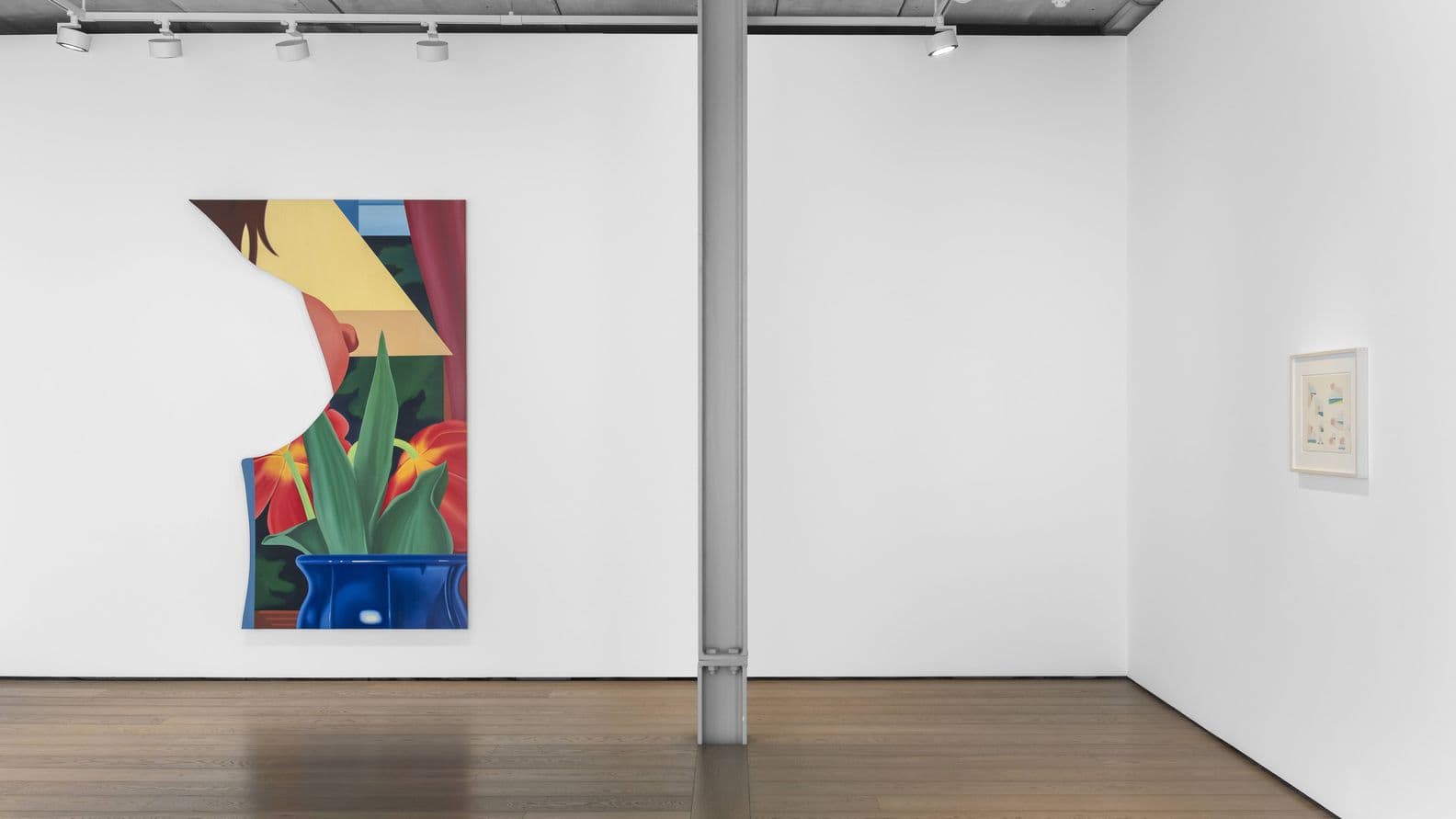
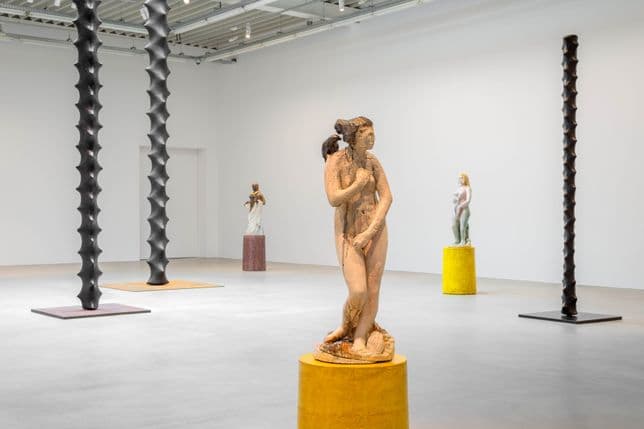
How do you view the connection between art, design, and interior decoration?
Art interacts with space and light, creating a unique atmosphere. Including an artwork in an interior doesn't just mean hanging it on the wall. You consider how the piece relates to the architecture, how it interacts with the volumes, how it captures or reflects light. A painting, sculpture, or installation may resonate more or less with its surroundings.
In your opinion, what are the main art trends this year?
Art will continue to explore the connections between perception, space, and technology. The artistic legacy of figures like James Turrell, who work with light and sensory immersion, will keep inspiring many artists. Interest in installations that physically engage the viewer is still growing. That play with transparency, reflections, and surprising shifts in scale remains captivating. At the same time, the return to raw materials and artisanal techniques continues. Textures, finishes, and the interaction between the work and its environment remain intriguing. These trends express a need for connection between the tangible and the immaterial. Light and space play a unique role as media in this context.
Do you believe a work of art can influence the choice of, or the atmosphere in, a home?
Absolutely. A work of art is more than decoration for a wall. It redefines the space and changes how it is perceived. Le Corbusier and Günther Förg each demonstrated, in their own way, how color and art can engage in dialogue with architecture. Förg, with his murals, integrated art directly into the built environment. Le Corbusier considered color a structural element of architecture. The placement of a painting, the presence of an immersive installation, or the dialogue between a sculpture and surrounding volumes all transform the way a space is experienced.
What advice would you give someone looking to integrate art into their home to create a truly personal space?
Choose works that evoke something in you, rather than following trends. Your interior should reflect your emotional world. The placement of the artwork is also essential: a piece lives differently depending on whether it is isolated or part of a larger whole. Don’t hesitate to play with contrasts—for example, between the old and the contemporary. And finally, lighting is fundamental. The right lighting can highlight hidden details and enhance the artwork’s presence in the space. But also consider the general light in the room, not just for the art. That light is important because it naturally ties everything in the room together.
What, in your view, is the first thing to consider when integrating art into a new interior?
First, take time to observe how the light behaves throughout the day, how it moves through the space. That will help you find the best place for each work. A strong piece of art, placed just right, gives structure to the atmosphere.
And what would you say is ‘the one object that makes or breaks’ an interior?
A work of art. A painting, sculpture, or even a drawing can transform, animate, and add depth to a space. It enters into dialogue with the design, architecture, and broader surroundings. A well-chosen piece of furniture or design object can make an artwork shine—and vice versa. That’s how you root a place in history and make it truly unique.
Contact
Contact your personal advisor


Engel & Völkers Belgium
Chaussée de Waterloo 1173
1180 Uccle, Brussels (VAT: BE 1004.032.746)
Tel: +32 2 880 40 21