- 3 min read
When Light Opens the Home to the Outdoors: Summer 2026
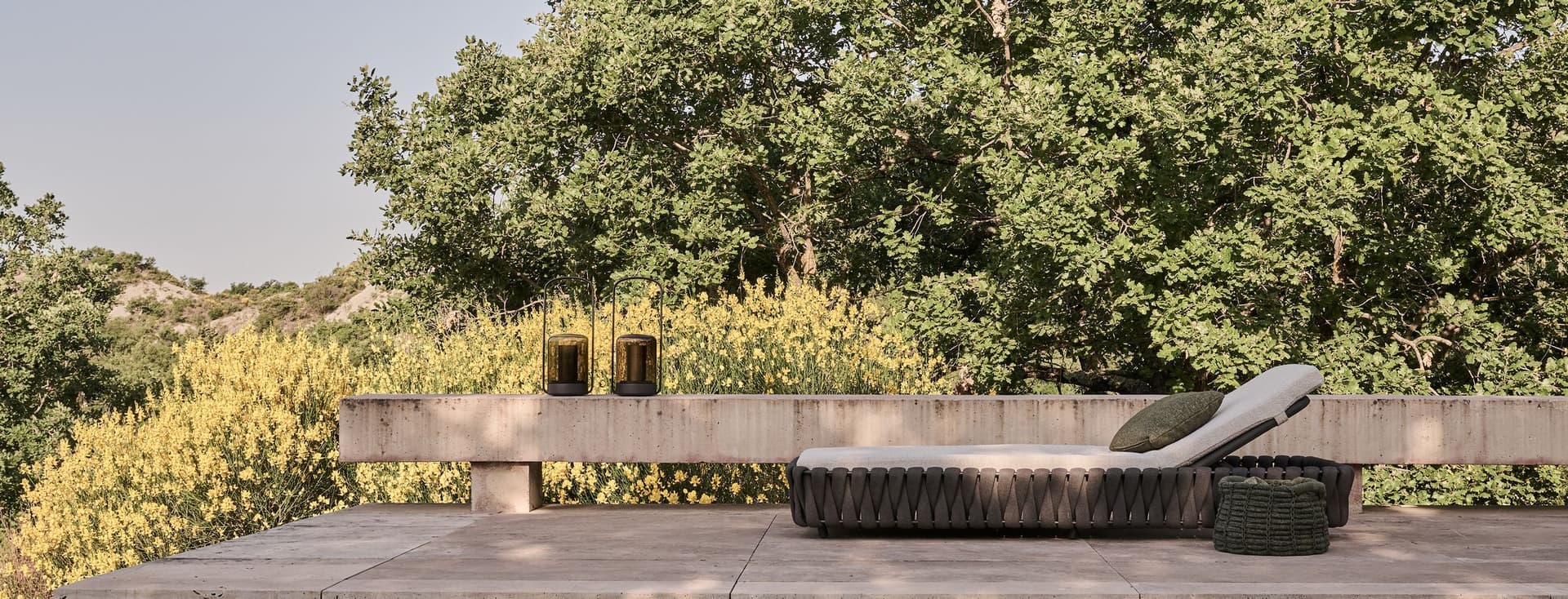
As summer 2026 approaches, the home is undergoing a quiet yet profound transformation. More than a simple seasonal shift, it reflects a deeper evolution: the house is no longer conceived as a closed, cocooned retreat, but as a porous living space in constant dialogue with its surroundings, where materials, volumes and ways of living are subtly redefined in rhythm with natural light and the changing seasons, in pursuit of a more sensitive and lasting balance.
Table of Content
At the heart of this transformation, natural light has become a defining element of architectural design.
Finishes are becoming more subtle and less reflective
Materials are gaining presence and permanence.
Furniture follows the same direction.
Artificial lighting is evolving as well.
Decorative objects are also evolving towards greater presence and less accumulation
Water is integrated with the same restraint.
Landscape design follows this same movement.
At the heart of this transformation, natural light has become a defining element of architectural design.
It no longer merely illuminates; it shapes, structures and reveals space. Openings are becoming wider, perspectives more expansive, and transitions between indoors and outdoors increasingly fluid.
Large sliding doors, glazed corners, glass roofs, patios and carefully considered transparencies are redefining the perception of volume. Light itself becomes a living material, evolving throughout the day and continually transforming the atmosphere of a home.
This approach naturally brings greater attention to materials. Pale woods, natural stone, mineral finishes and richly textured fabrics are selected for their ability to capture, diffuse or soften light.
Finishes are becoming more subtle and less reflective
Favouring matt or satin effects that enhance the sense of softness and depth.
This transformation extends seamlessly into outdoor spaces, now conceived as a direct extension of the home and designed with the same level of attention as interior spaces. Outdoor furniture is evolving towards more architectural lines, with low seating and horizontal volumes that encourage a slower, more grounded experience of space and time.
Materials are gaining presence and permanence.
Solid wood, painted aluminium and substantial textiles are designed to endure, presented in understated and calming tones — an approach embraced by several Belgian brands, such as Tribù, Serax, Royal Botania and valerie_objects. The outdoors becomes a true living space, adopting the codes of the interior lounge through rugs, lighting and even outdoor kitchens.
This opening towards the outdoors is accompanied by an evolution in materials. Pale woods are giving way to deeper species with smoked or darkened tones that anchor spaces more firmly. Stone appears in textured, almost raw finishes that absorb light rather than reflect it. Metals become more discreet, often brushed or patinated. Together, these elements create a denser, more tactile atmosphere in which every surface contributes to the overall balance of the space.
Furniture follows the same direction.
Pieces become longer, lower and more understated. Sofas expand, dining tables lengthen, and volumes feel calmer and more composed. Certain pieces take on a sculptural quality, structuring the room without overwhelming it. The emphasis is no longer on abundance, but on carefully considered choices. Every object finds its place with precision and contributes to a coherent composition.
Artificial lighting is evolving as well.
Softer and more indirect, it is conceived as a complement to natural light rather than a replacement for it. Lighting schemes no longer aim to illuminate spaces uniformly, but to create atmospheres, highlight particular areas and allow others to remain more intimate and subdued. This approach introduces depth and reinforces the perception of volume.
Within this search for balance, colours are becoming more nuanced. Cool whites are giving way to warmer, enveloping tones such as ivory, linen, sand and clay. Muted greens and soft browns complete this palette inspired by the natural landscape. These shades create a calming visual continuity while allowing materials and changing light to take centre stage.
Decorative objects are also evolving towards greater presence and less accumulation
Favouring expressive, lasting and characterful pieces. Strongly graphic vases, textured ceramics, artisanal objects, organically shaped mirrors and oversized lighting fixtures become true visual anchors. The aim is no longer to multiply decorative elements, but to select objects capable of telling a story and bringing texture, depth and a quiet sense of character to the overall composition.
Water is integrated with the same restraint.
Swimming pools adopt simpler, more grounded lines, at times conceived almost as reflective mirrors. Pools and water features extend perspectives and introduce a sense of calm. The intention is no longer spectacle, but sensation — encouraging a discreet presence that enhances spaces without dominating them, while strengthening the connection between architecture and landscape through a holistic approach attentive to visual balance, sensory perception and a lasting sense of harmony.
Landscape design follows this same movement.
Planting schemes become freer and less ornamental in the traditional sense. They accompany the architecture, filter natural light and reinforce privacy. The garden is no longer considered a backdrop, but an integral part of the home — conceived as a whole in which every element interacts with volumes, materials and the rhythms of everyday living.
Contact
Contact your personal advisor


Engel & Völkers Belgium
Chaussée de Waterloo 1173
1180 Uccle, Brussels (VAT: BE 1004.032.746)
Tel: +32 2 880 40 21