Issue
3/25
Location
New York, USA
The high-octane megacity with its world-famous skyscrapers offers a surprising number of peaceful spots in which to unwind. A stroll through the Big Apple’s iconic parks and cozy gardens.
The vibrant metropolis of New York City
Home to roughly 8.3 million people, New York City is the most populous city in the U.S. – a vibrant melting pot that boasts hundreds of museums and hosts legendary events such as New York Fashion Week and the Met Gala. The unique energy of this metropolis is simultaneously inspiring and overwhelming.
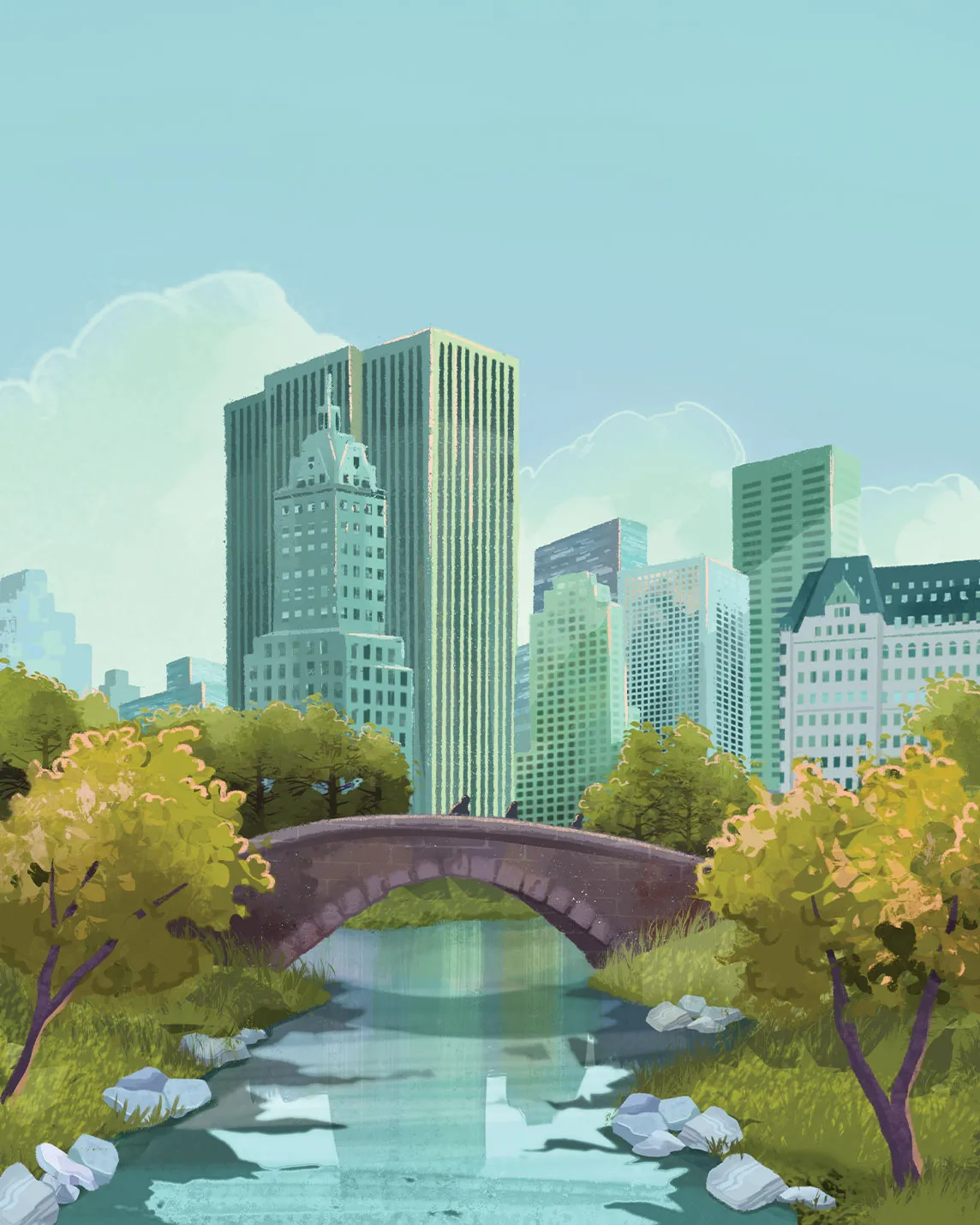
Hidden oases in the big city
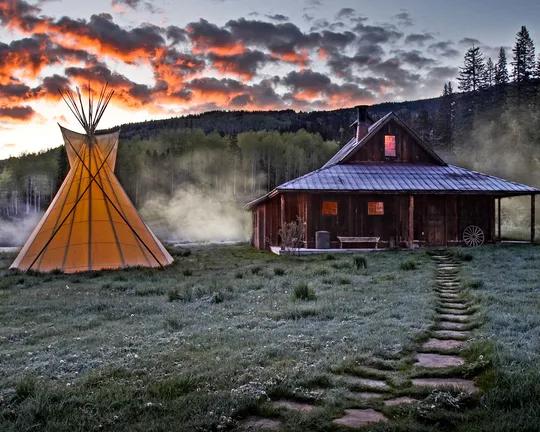
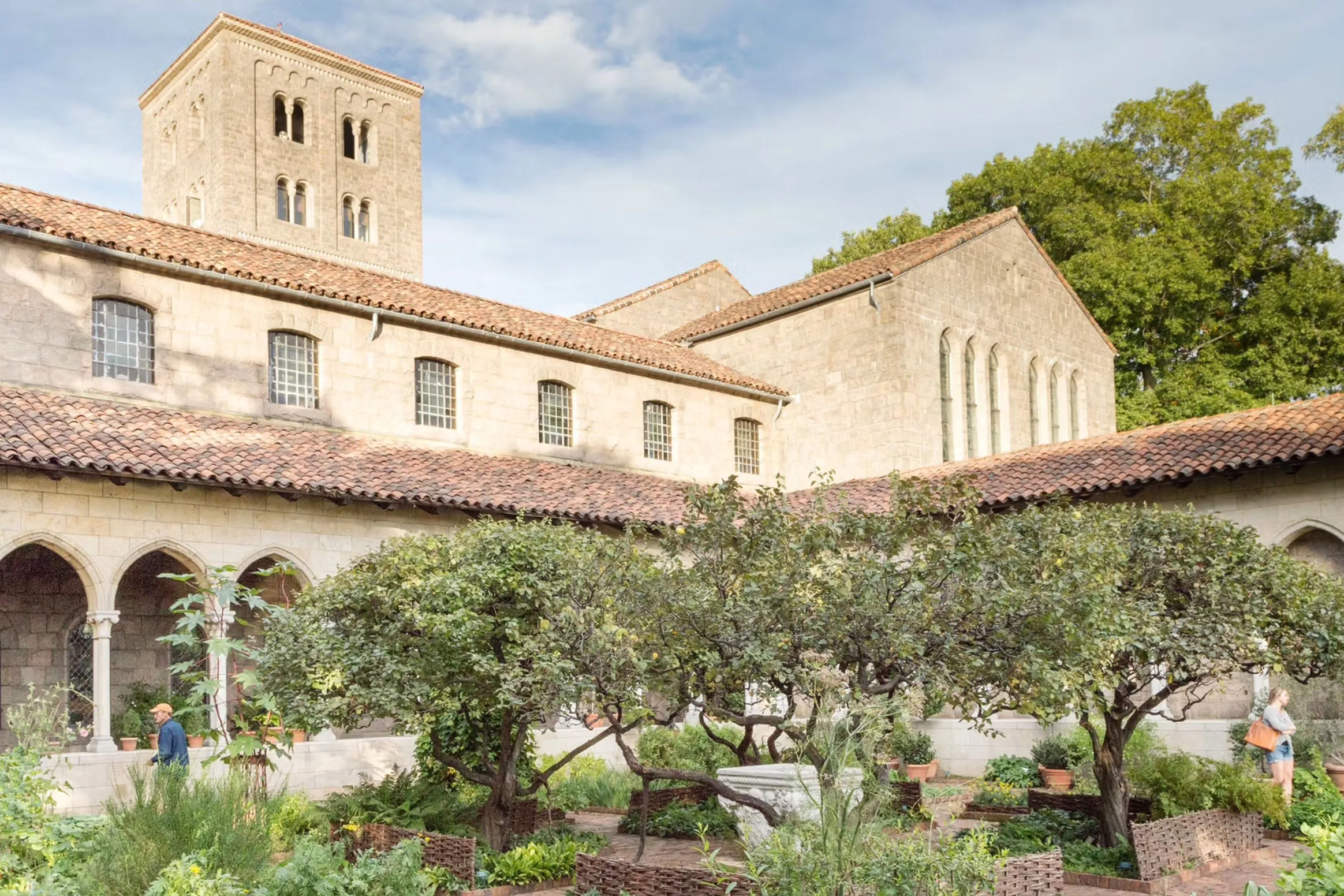
Drop your gaze from the spectacular buildings that seem to pierce the sky and a very different aspect opens, revealing quiet sanctuaries in which to escape the hustle and bustle. The roof garden of the Metropolitan Museum of Art is airy and delightful at any time of the day, as is the inviting 2.3-kilometer High Line, a public park built on a former railway track. You can also enjoy a picnic with a breathtaking view of the skyline on Governors Island in New York Harbor or spend the night there glamping in a luxurious tent.
Important green spaces for the urban climate
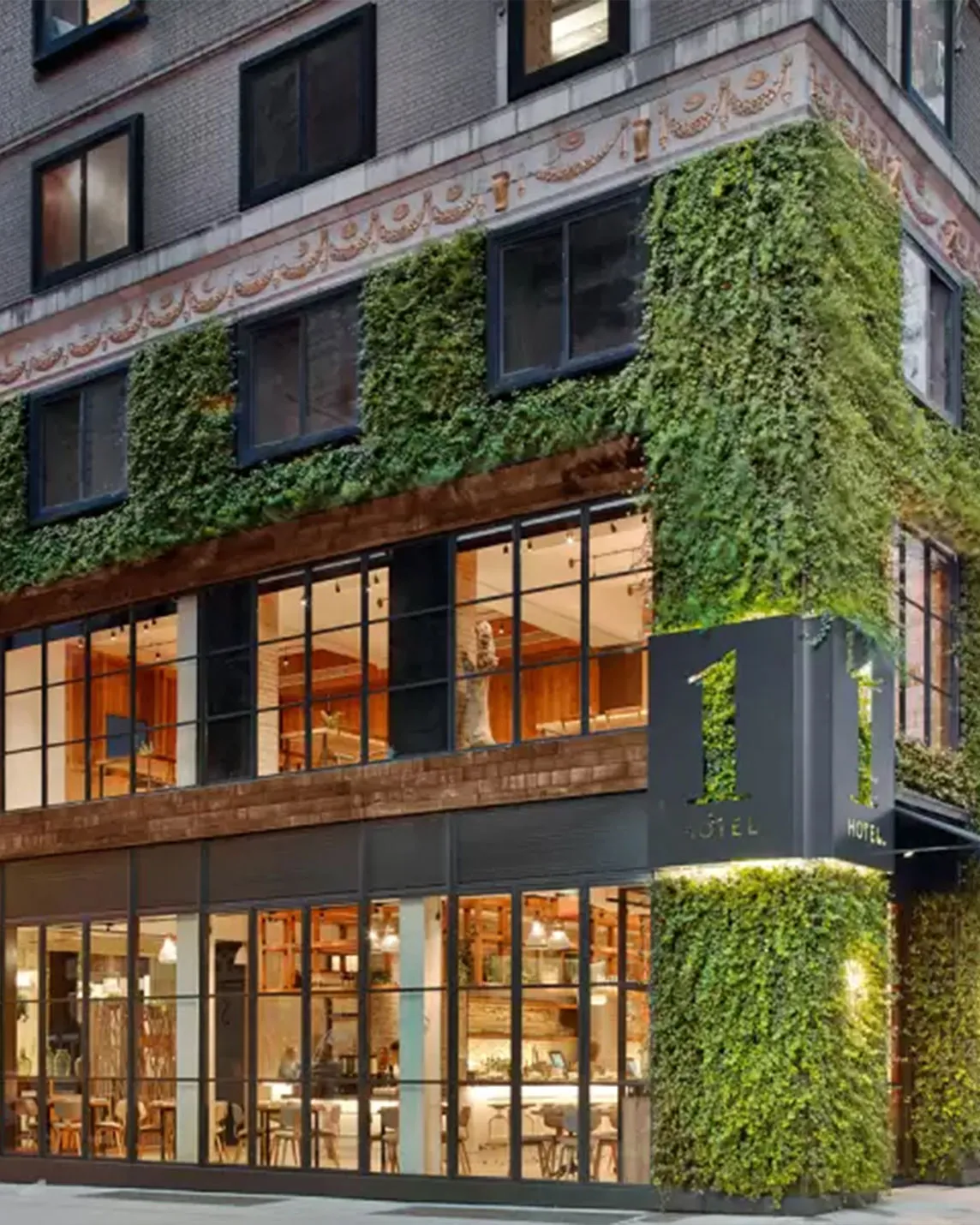
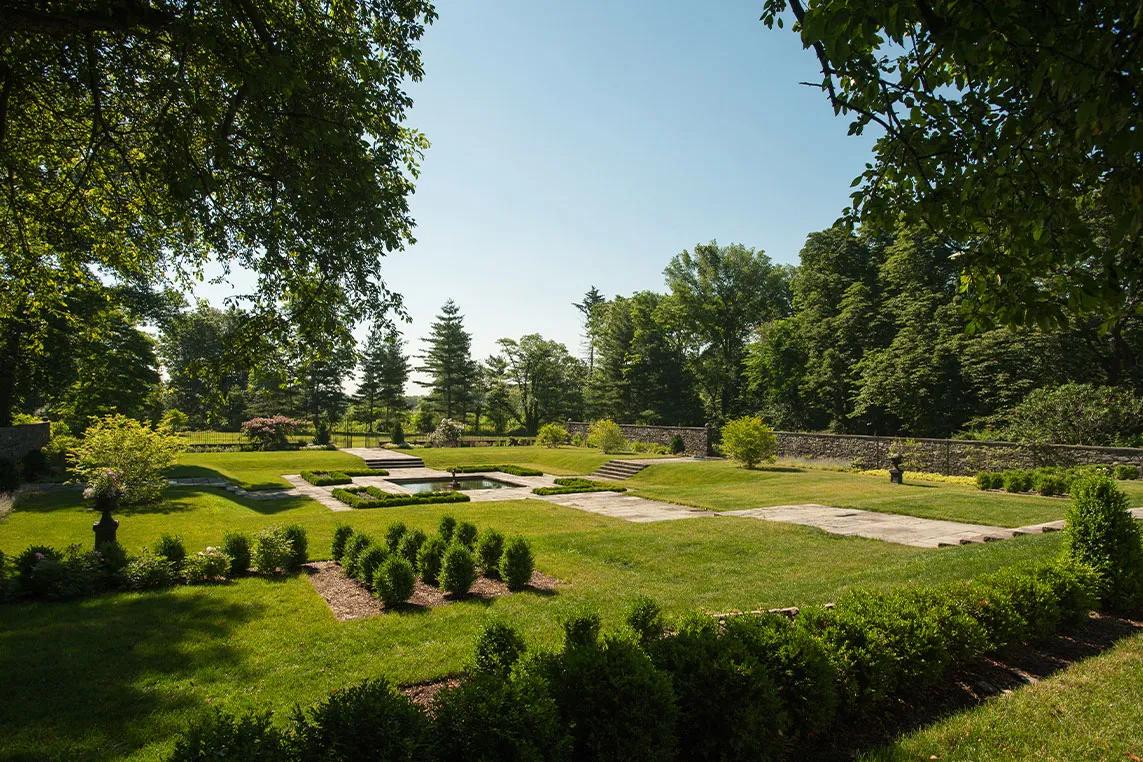
The city’s public parks and wooded areas are not just good for rest and recreation, but are crucial for the climate: Roughly 8,000 hectares of natural areas store 1.2 million tons of carbon dioxide every year, capture rainwater, filter toxins out of the air and cool the city during the hot summer months. The NYC Parks department has planted nearly a quarter of a million trees since 2016. The goal is to enable at least 85% of city residents to reach a park on foot by 2030. Gramercy Park, for instance, which was laid out in 1830, is private and only open to residents of the surrounding buildings and hotel guests with a key.
Find your property in New York City.
Available properties
- New
Manhattan, New York, United States
Corner Two-Bedroom with Private Terrace at 15 CPW
Price
$6,995,000
~€6,357,265
- 2 Rooms
- 2 Bathrooms
- ~163 m² Living area
Brooklyn, New York, United States
Property in Brooklyn, New York, United States
Price
$6,850,000
~€6,134,788
- 12 Rooms
- 5 Bathrooms
- ~604 m² Living area
- New
Manhattan, New York, United States
High-Floor Split Two-Bedroom with Open City Views at 15 CPW
Price
$6,300,000
~€5,725,628
- 2 Rooms
- 3 Bathrooms
- ~154 m² Living area
Manhattan, New York, United States
Property in Manhattan, New York, United States
Price
$2,375,000
~€2,127,025
- 5 Rooms
- 3 Bathrooms
- ~129 m² Living area
Brooklyn, New York, United States
Property in Brooklyn, New York, United States
Price
$2,290,000
~€2,050,900
- 7 Rooms
- 3 Bathrooms
- ~258 m² Total surface
Manhattan, New York, United States
Calling All Terrace, Central Park and MET Lovers!
Price
$1,795,000
~€1,607,583
- 1 Room
- 2 Bathrooms
- ~16,683 m² Total surface
Manhattan, New York, United States
Serene Split Two-Bedroom with Private Balcony
Price
$1,595,000
~€1,449,584
- 2 Rooms
- 2 Bathrooms
- ~123 m² Living area
Manhattan, New York, United States
Property in Manhattan, New York, United States
Price
$1,595,000
~€1,428,465
- 2 Rooms
- 1 Bathroom
- ~6,983 m² Total surface
Manhattan, New York, United States
Stellar West Side Building Lot in St. Helena
Price
$1,375,000
~€1,231,436
- ~931 m² Total surface
Important green spaces for the urban climate
The city’s public parks and wooded areas are not just good for rest and recreation, but are crucial for the climate: Roughly 8,000 hectares of natural areas store 1.2 million tons of carbon dioxide every year, capture rainwater, filter toxins out of the air and cool the city during the hot summer months. The NYC Parks department has planted nearly a quarter of a million trees since 2016. The goal is to enable at least 85% of city residents to reach a park on foot by 2030. Gramercy Park, for instance, which was laid out in 1830, is private and only open to residents of the surrounding buildings and hotel guests with a key.

Popular initiatives aimed at making the city more sustainable include the Liz Christy Community Garden, which was founded in 1973 as New York’s first community garden, and the Bronx Green-Up, which transforms derelict lots into vibrant green spaces and offers gardening workshops. So there’s more to New York than concrete and glass. As it constantly reinvents itself, the city demonstrates how nature and urban living can go hand in hand.

Merle Wilkening
As a Senior Editor at GG Magazine, Merle Wilkening writes about the people, places, and ideas that shape our world. She is most in her element interviewing personalities who speak about their passions with genuine enthusiasm. Driven by curiosity, her travels regularly take her toward the sun in search of unique encounters and the stories behind the world’s most captivating destinations. Her culinary pursuits range from local neighborhood gems to Michelin-starred dining.
Email