Issue
04/25
Location
Florence, Italy
Photography
Mark Boss / Unsplash
The city’s rich cultural heritage is shaped and safeguarded by its influential families, revealing proud traditions of craftsmanship and artistry, all set against a uniquely captivating backdrop.
Renaissance in family hands
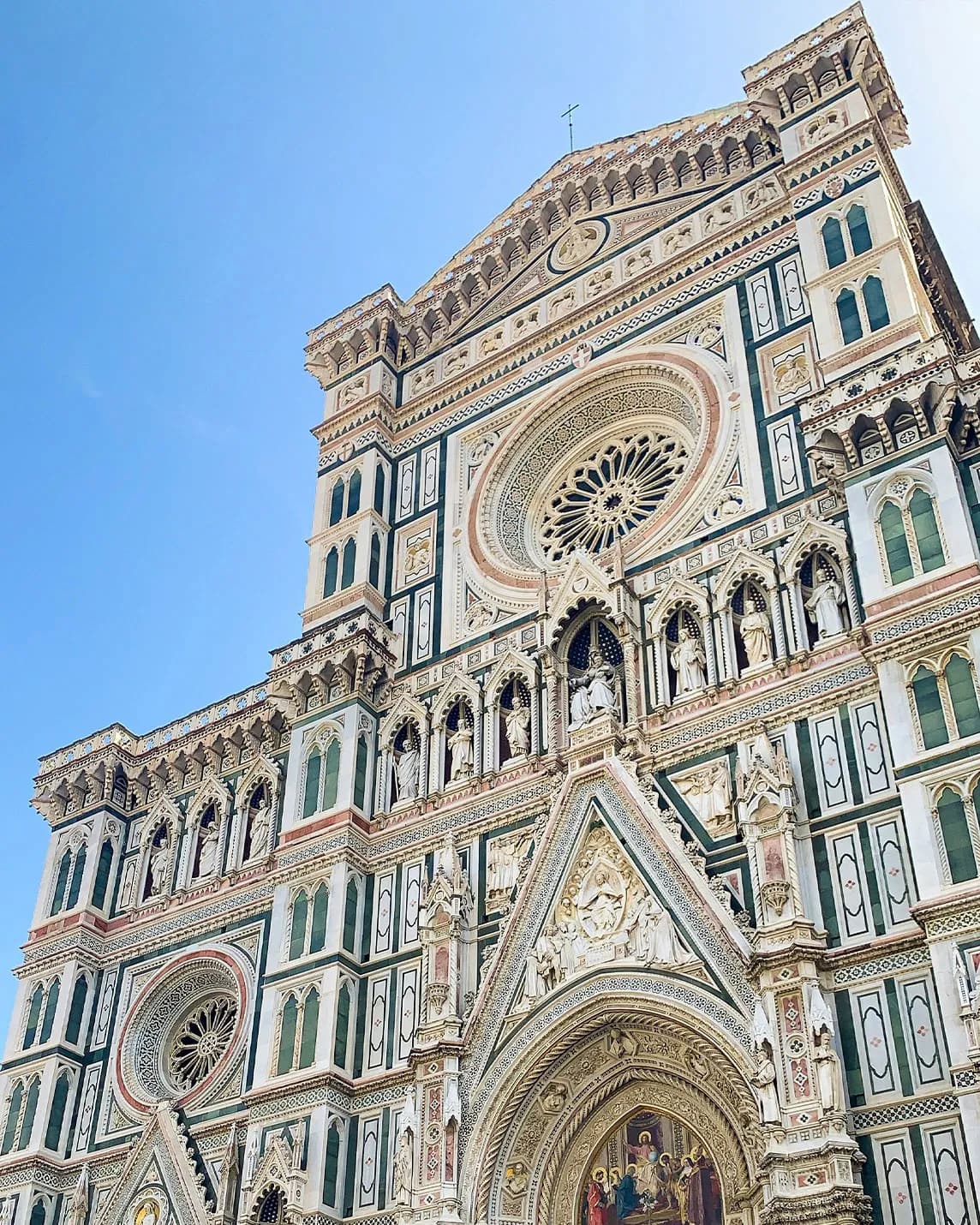
Few European cities tell the story of family legacy as naturally as Florence. Its Renaissance palaces, iconic architecture and world-renowned museums are testament to the tireless efforts of the Florentine families who shaped the city’s economic, political and artistic landscape. Florence amassed its wealth through a combination of key industries: the processing of wool and cloth, goldsmithing, and high-quality leather goods, further solidified by its rise as a financial center. The spirit that once shaped an entire era continues to resonate strongly within the city.
Medici: The Heart of Florence
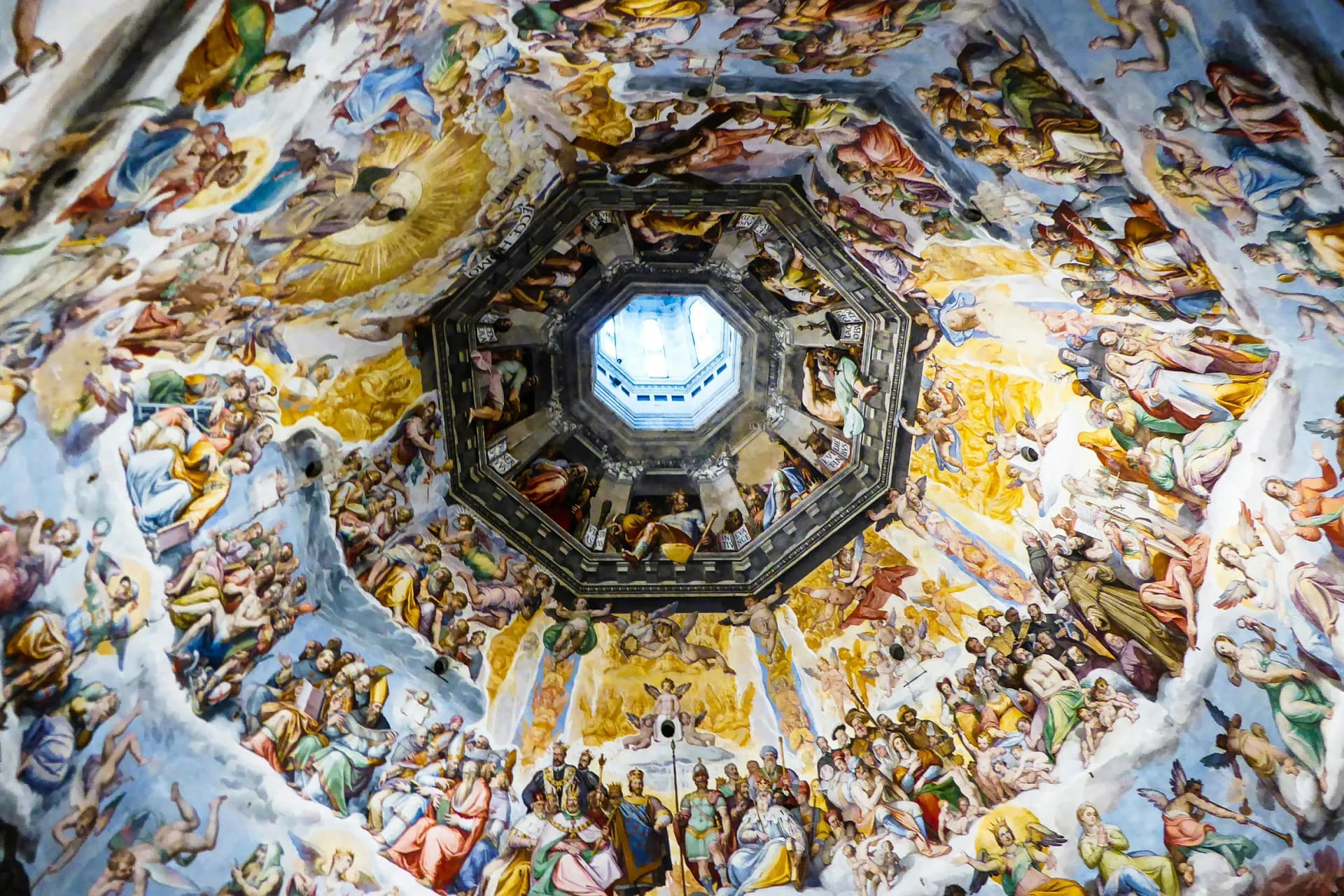
No name is more synonymous with Florence than the Medici, the powerful dynasty whose banking empire established the city as Europe’s political and cultural center of power in the 15th century. The Palazzo Medici Riccardi, the family’s first city palace, still bears witness to their influence and aesthetic sensibilities. Within the nearby Basilica of San Lorenzo, framed by the Medici Chapels with their sculptures by Michelangelo, the Medici are immortalized in marble as patrons of the arts and master builders of Florence. Once the administrative building of the Medici, the Uffizi Gallery houses art treasures by Botticelli, Raphael and Da Vinci – a testament to a family that elevated its cultural heritage to state art.
Find your property in Florence
Available properties
Florence, Tuscany, Italy
Luxury Villa with the Fountain of Buontalenti in Poggio Imperiale
Price
€6,000,000
- 17 Rooms
- 4 Bathrooms
- ~600 m² Total surface
- ~2,500 m² Plot surface
Porta al Prato, Florence, Tuscany, Italy
Prestigious residence with panoramic terrace and garage
Price
€4,680,000
- 10 Rooms
- 3 Bathrooms
- ~330 m² Total surface
Florence, Tuscany, Italy
Exclusive designer villa with pool and park
Price on request
- 10 Rooms
- 7 Bathrooms
- ~450 m² Total surface
- ~9,000 m² Plot surface
Bagno a Ripoli, Tuscany, Italy
Historic 17th Century Villa with Park, Pool, and Tennis Court
Price on request
- 12 Rooms
- 5 Bathrooms
- ~500 m² Total surface
Florence, Tuscany, Italy
Prestigious Villa with Pool and Garden in Bagno a Ripoli
Price
€3,900,000
- 7 Rooms
- 3 Bathrooms
- ~500 m² Total surface
San Marco, Florence, Tuscany, Italy
High-end hospitality property near Piazza Della Libertà
Price
€2,850,000
- 10 Rooms
- 8 Bathrooms
- ~400 m² Total surface
Florence, Tuscany, Italy
Exclusive residence in a villa
Price
€2,700,000
- 15 Rooms
- 4 Bathrooms
- ~500 m² Total surface
Fiesole, Tuscany, Italy
Luxurious apartment in a historic residence in Fiesole
Price
€2,700,000
- 3 Bedrooms
- 5 Bathrooms
- ~320 m² Total surface
Rifredi, Florence, Tuscany, Italy
Exclusive Manor Villa with Duomo Views and Private Garden
Price
€2,400,000
- 10 Rooms
- 4 Bathrooms
- ~450 m² Total surface
Family lines – From banking house to fashion brand
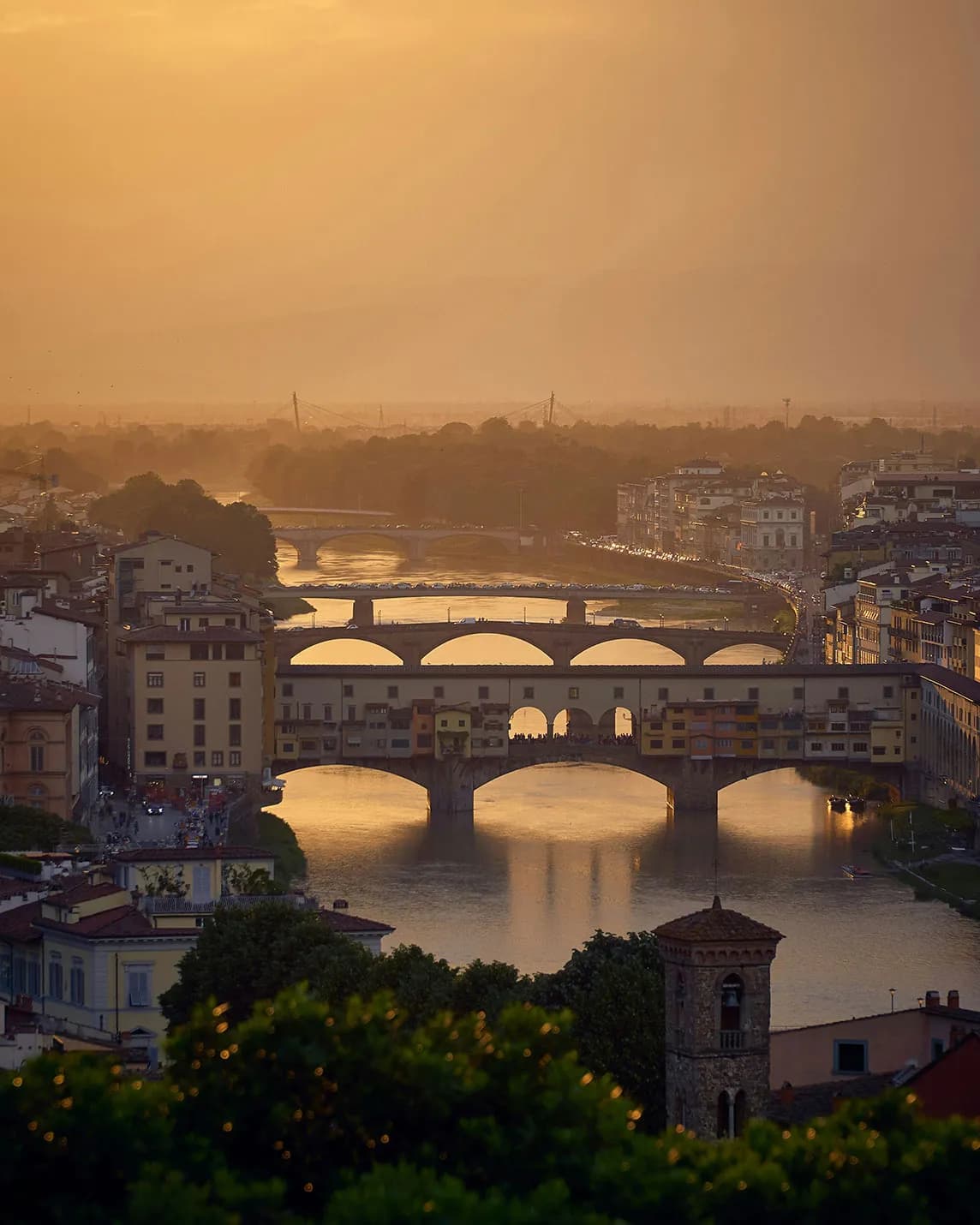
Other families, including the Strozzi and the Rucellai, also left their mark on the city. Now a center for cultural and artistic events, the Palazzo Strozzi serves as a powerful reminder of the Strozzi family’s rivalry with the Medici and the golden age of Florentine banking. The Ponte Vecchio, a bustling market street for goldsmiths and jewelers as well as a popular postcard motif, still houses family businesses that have preserved their craft for generations.
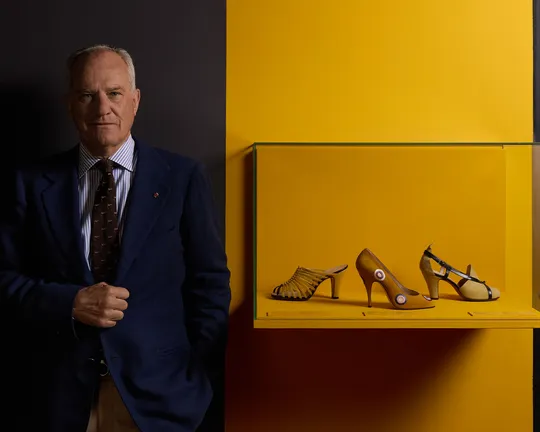
Florence is also the birthplace of influential fashion designers: Guccio Gucci founded his leather factory here in 1921, and Salvatore Ferragamo founded his shoe atelier in 1927 (see cover story). Despite their global presence today, both companies’ strong ties to their homeland are evident in their museums, flagship stores and distinctive brand identities.
Where heritage meets joie de vivre
While deeply steeped in history, Florence is far from stuck in the past: It shines and pulsates with vibrant life. The day starts with a traditional standing espresso at the caffè bar and continues later with a Chianti from the nearby wine region or a gelato. As you sip a bittersweet Negroni – its red glow mirroring the sunset at the Piazzale Michelangelo – you’ll instinctively grasp the enduring link between history and modernity, between the city’s artisan pride and its entrepreneurial spirit.
Florence remains a living monument to the courage of its families and the timeless art of reconciling tradition with change.

Merle Wilkening
As a Senior Editor at GG Magazine, Merle Wilkening writes about the people, places, and ideas that shape our world. She is most in her element interviewing personalities who speak about their passions with genuine enthusiasm. Driven by curiosity, her travels regularly take her toward the sun in search of unique encounters and the stories behind the world’s most captivating destinations. Her culinary pursuits range from local neighborhood gems to Michelin-starred dining.
Email