
Issue
04/25
Photo: AI - Midjourney - Klaus Wolter
In the world of great wealth, they are considered discreet yet influential players: family offices. They manage the assets of very wealthy entrepreneurial families – individually, with a long-term, multi-generational approach. And the importance of these “quiet” market participants is growing rapidly.
Tradition with Foresight
Since the American financier John Pierpont Morgan first used the term family office in 1838 to describe the personal investment department he created for his growing art collection, the institution has never seen such strong growth.
Recent studies indicate that there are over 9,000 single family offices worldwide, i.e. in-house investment and service companies owned by families, which typically have over $100 million in assets. This number is expected to grow to over 10,700 by 2030 – a remarkable total increase of 75 percent within just one decade from 2020. The total assets managed in this way around the globe are expected to rise from around $3.1 trillion at present to $5.4 trillion by 2030.
This veritable boom can be attributed to numerous factors. In addition to the ever-increasing concentration of wealth worldwide, factors include the desire of ultra-high-net-worth families to secure or increase their wealth across generations, favorable market conditions for private equity investments or company acquisitions and, last but not least, the search by extremely wealthy families for increasingly individualized invest-ment strategies and services.
The expansion of family offices is all the more impressive since such financial entities operate largely behind the scenes – and attach the utmost importance to safeguarding a family’s privacy and interests. Whereas hedge funds and private equity firms are generally more in the public eye, family offices have quietly evolved into a strategically important cornerstone of the financial landscape. They act independently, do not pursue external sales interests and are uncompromisingly focused on the long-term goals of the families they serve.
Real estate is a preferred asset class for many family offices – for a number of reasons. Not only does it offer stable, predictable income and reliable protection against inflation, but it is also highly resistant to crises. At the same time, investing in real estate is an excellent way to diversify a portfolio because of the long-term potential for value appreciation that this opens up.
Many family offices also want to be able to exert direct influence on their investments through active asset management. In addition to economic considerations, strategic or emotional aspects also often play an important role – for example the wish to select a location with special meaning, a place with a personal family connection, or investing in valuable and prestigious properties.
Family offices attach great importance to confidentiality, individual advice and exclusivity. This is precisely where the Engel & Völkers Private Office comes in. As a highly specialized unit, it has been offering tailor-made services to wealthy private clients and family offices worldwide since 2007. The focus is on the discreet brokerage of absolute luxury real estate – both in the off-market sector and for particularly sensitive transactions.
With a global network at its fingertips, many years of expertise in the high-end property segment and dedicated to providing top-level personal support, the Private Office offers worldwide access to excep-tional investment opportunities that are not publicly available on the market. This not only protects the privacy of the owners, but also ensures discreet access to valuable properties that will remain in exclusive portfolios in the long term. This is how family value is created for the future, value that is able to stand the test of time.
Did you know?
The 500 biggest family businesses worldwide…
earned aggregate revenuesin 2024 of $8.8 trillion and employed some 25 million people around the globe
include Walmart (No. 1), followed by Volkswagen Group, Schwarz Group, Cargill and Ford Motor Company
Source: 2025 EY and University of St. Gallen Global 500 Family Business Index
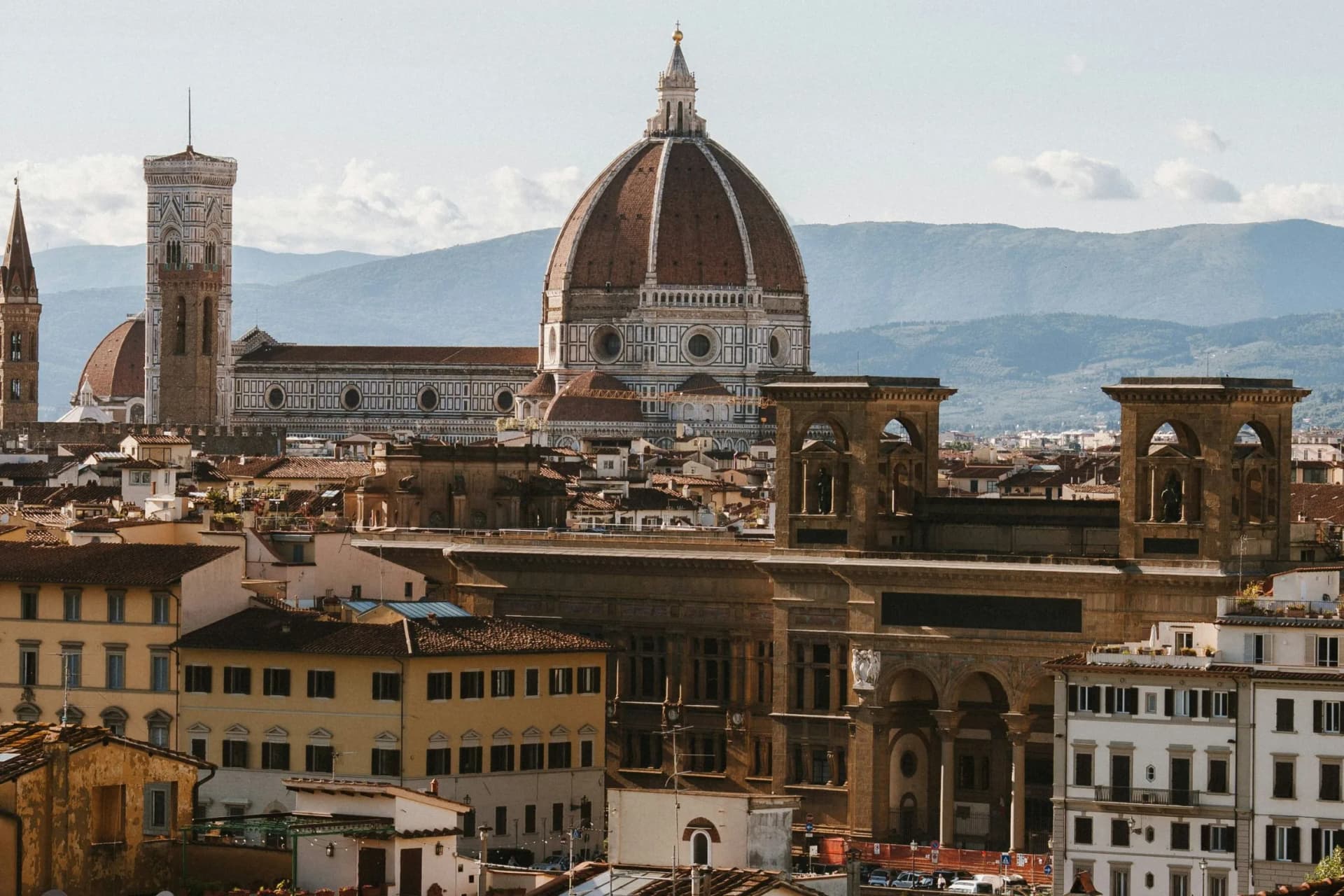
Engel & Völkers in Florence
In 2024, Engel & Völkers established a company-owned office in Florence, Italy. In an effort to offer close customers and local partners an exclusive brand experience, the office regularly holds premium events in stylish venues like the Gucci Giardino 25, a café belonging to the Florentine luxury brand. In the evenings, the café transforms into an elegant cocktail bar. As you wander through the historic city center, you can learn more about the world of Engel & Völkers at prestigious locations, for instance the Piazza della Repubblica square, where the brand vividly comes to life.
Find your property in Florence
Real Estate Listings in Florence
Florence, Tuscany, Italy
Luxury Villa with the Fountain of Buontalenti in Poggio Imperiale
Price
€6,000,000
- 17 Rooms
- 4 Bathrooms
- ~600 m² Total surface
- ~2,500 m² Plot surface
Porta al Prato, Florence, Tuscany, Italy
Prestigious residence with panoramic terrace and garage
Price
€4,680,000
- 10 Rooms
- 3 Bathrooms
- ~330 m² Total surface
Florence, Tuscany, Italy
Exclusive designer villa with pool and park
Price on request
- 10 Rooms
- 7 Bathrooms
- ~450 m² Total surface
- ~9,000 m² Plot surface
Fairy-tale investment properties

For high-net-worth individuals worldwide, one of the most important assets for pro-tecting wealth long-term is an international real estate portfolio. Particularly sought-after are castles and palaces. Very often, historic buildings of this caliber don’t just feature a unique location and amenities but are attached to an estate and come with a fascinating and rich history. As a result, the marketfor historic properties is characterized by stable demand and very limited supply.