Issue
04/26
Location
Warsaw, Poland
Photography
Piotr Bednarski
Past and future are always at play in present-day Warsaw. Shaped by a history of destruction and reconstruction, the city is constantly reinventing itself to establish spaces for creativity, culture and innovative food concepts.
In a remarkable display of contrasts, examples of socialist realist architecture stand side by side with elegant apartment buildings, while in the background, modern high-rises tower against the sky.
The 237-meter-tall Palace of Culture and Science in downtown Warsaw dominates the cityscape. Originally a gift from the Soviet dictator, Stalin, it was completed only ten years after the end of World War II.
Today, the building houses offices and educational institutions, along with numerous cultural facilities, including a cinema and several theaters. It also accomodates a public swimming pool. Few buildings represent Poland’s turbulent history more definitively.
During World War II, over 85 percent of the Polish capital was destroyed. Reconstruction of the city involved more than rebuilding what lay in ruins; it was a conscious act of cultural assertiveness. The city’s historic old town, which was carefully reconstructed according to old survey drawings, demonstrates this quite impressively. In recognition of this remarkable feat of near-total reconstruction, the old town was named a UNESCO world heritage site.
Together, Nowy Świat and Krakowskie Przedmieście streets form Warsaw’s Royal Route, which connects the old town with the former summer palaces of the Polish kings. The historical buildings and traditional cafés and shops here create a lively atmosphere that attracts visitors and locals alike. As you leave the historic Royal Route and walk toward the Vistula River, Poland’s longest waterway, you come to Powiśle, where you should stop at Lukullus Patisserie, a traditional pastry shop currently led in the third generation by Albert Judycki – the founder’s grandson – and Jacek Malarski. Many of the pastries are based on recipes from old Polish cookbooks.
The concept’s popularity speaks for itself: Not so long ago, a seventh location opened: Lukullus w St. Tropez. Each of the shops is designed by a different well-known architect to reflect the character of the building in which it is located and the atmosphere of the surrounding neighborhood.
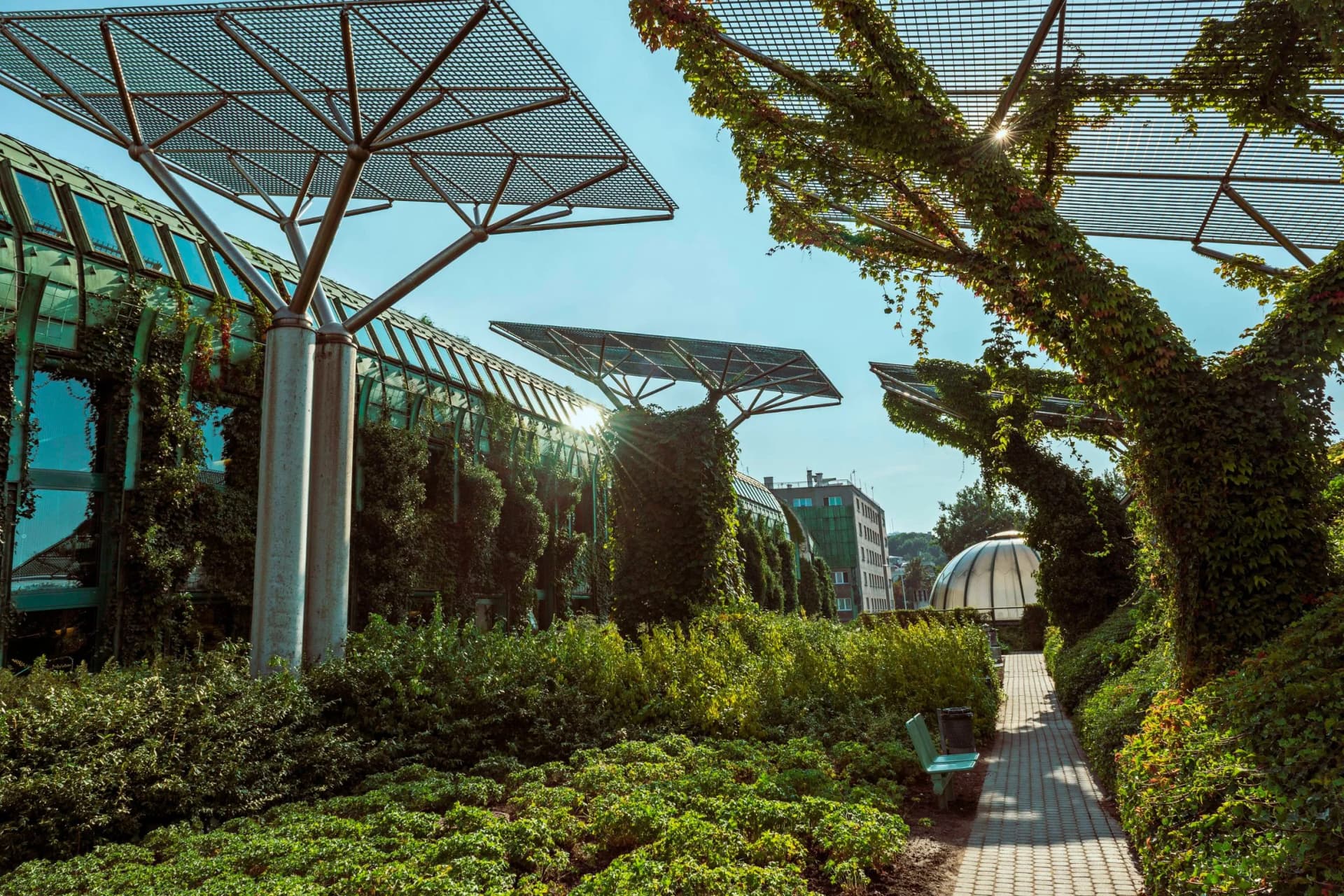
The Warsaw University Library, just a stone’s throw away, has a spectacular rooftop garden that is open to visitors between April and October and offers stunning views of the city. From here, you can enjoy a walk along the Vistula boulevard. This riverside promenade is several kilometers long and one of the city’s most popular places for a stroll.
Rozbrat 20 is a prime example of Warsaw’s culinary scene. The restaurant, which has been awarded a Michelin star, innovatively combines Polish, British and Asian influences. Its focus on regionally sourced, seasonal ingredients and fermented foods, places it squarely at the center of contemporary cuisine – cosmopolitan, experimental and rooted in traditional culinary arts.
In the end, it is this creative and entrepreneurial spirit that drives the Polish capital and makes it such a vibrant and unique city.
Find your property in Warsaw
Available properties
Śródmieście, Warsaw, Masovian Voivodeship, Poland
Powiśle | Kameralna przestrzeń do życia blisko Wisły
Price
PLN 470,000
~€107,162
- 1 Room
- 1 Bathroom
- ~21 m² Total surface
Wawer, Warsaw, Masovian Voivodeship, Poland
WYJĄTKOWA OKAZJA! Przestronny segment 120 m² + wielki ogród 350 m². Odbierz klucze już dziś!
Price
PLN 1,649,000
~€375,980
- 5 Rooms
- 3 Bathrooms
- ~120 m² Living area
- ~400 m² Plot surface
- New
Wawer, Warsaw, Masovian Voivodeship, Poland
OSTATNI RODZINNY SEGMENT 120m2 I Oddany do użytku I bardzo dobra komunikacja
Price
PLN 1,249,000
~€284,778
- 5 Rooms
- 3 Bathrooms
- ~117 m² Living area
- ~100 m² Plot surface
- New Price
Mokotów, Warsaw, Masovian Voivodeship, Poland
Luxury Apartment | 450 m² Waterside Garden | Fort Cze
Price
PLN 9,500,000
~€2,166,047
- 4 Rooms
- 2 Bathrooms
- ~168 m² Living area
Mokotów, Warsaw, Masovian Voivodeship, Poland
Exceptional 2-room apartment | 52 m² | 6th floor | Mokotów
Price
PLN 1,450,000
~€330,607
- 2 Rooms
- ~52 m² Living area
- Exclusive
Ursynów, Warsaw, Masovian Voivodeship, Poland
Exceptional 320 m² residence in Warsaw’s Ursynów – garden, sauna, fireplace, and prestigious neighborhood near Kabaty Forest
Price
PLN 4,500,000
~€1,026,022
- 7 Rooms
- 4 Bathrooms
- ~320 m² Living area
- ~1,002 m² Plot surface

Anne Keckeisen
As an aspiring journalist, Anne Keckeisen is particularly fascinated by people and the way they see the world. She loves writing about personal stories, remarkable places and the small details that can sometimes reveal more than the bigger picture. From vibrant colors and the pages of a book to the world of motorsport, she feels equally at home – always searching for words and moments that offer a new perspective on the world.
E-Mail