New
District II, Budapest, Hungary
Premium Residence with Panoramic Views
Price
Ft 570,000,000
~€570,000,000
- 4 Rooms
- 2 Bathrooms
- ~163 m² Living area
The Hungarian real estate market has just passed through its most intensive growth phase of the last twenty-five years. Macroeconomic indicators and the regulatory environment dictated a momentum that broke historical records in both nominal and real price terms. However, according to the latest analysis by Engel & Völkers Budapest, the market has officially reached the peak of its cycle. The latest data forecasts a stabilization of the growth pace and a definitive strengthening of buyers' strategic positions across the capital.
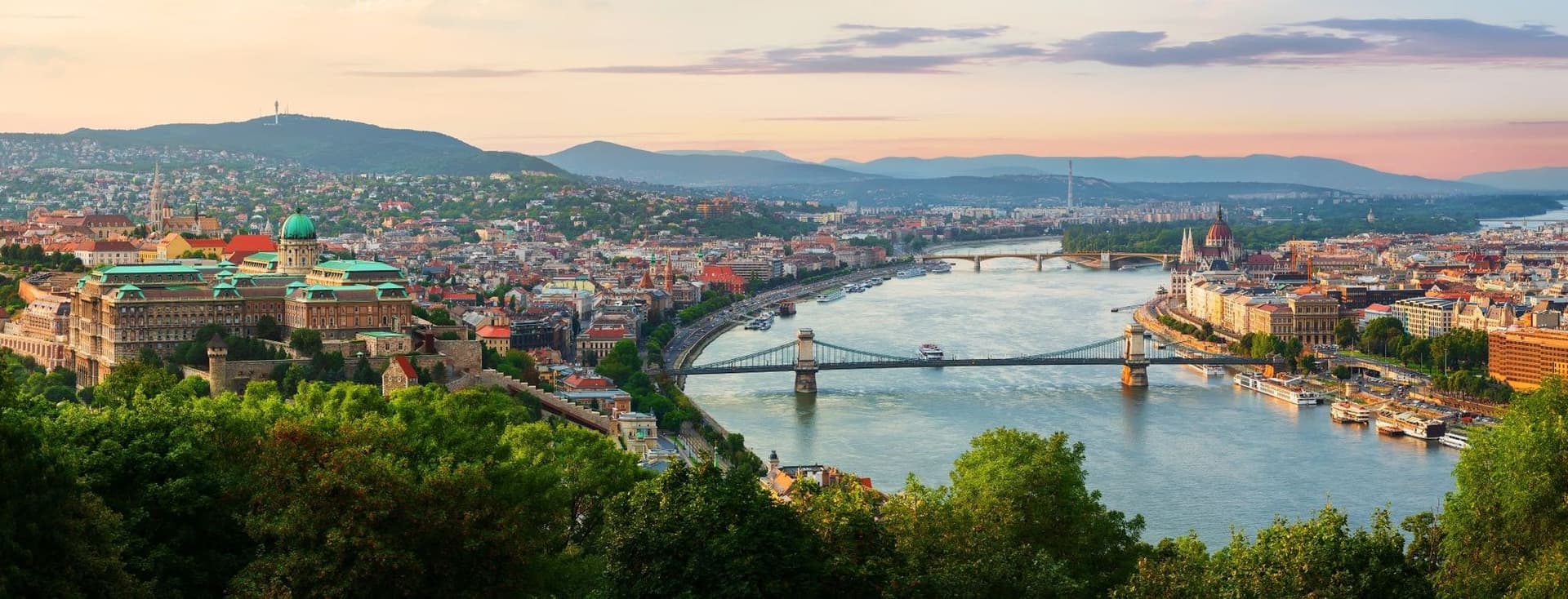
In light of recent data, the housing market showed a nominal expansion of 23.5%, while the inflation-adjusted real value grew by 19.0%. This is the most significant increase in real value seen in Hungary over the past quarter-century, fueled primarily by the robust second-hand housing segment. In parallel, the price growth rate for newly built properties remained more moderate at 7.4%.
However, this extraordinary momentum has also created tension between economic fundamentals and actual market prices. Calculations by the Central Bank of Hungary (MNB) point out that housing prices nationwide exceeded the level justified by economic fundamentals by 22.5%.
This jump of nearly 9 percentage points in a single year indicates a significant overvaluation of the market. The inevitability of a turnaround is confirmed by the fact that the annual price growth rate softened to 17.7% in the first quarter, signaling the start of the market mechanisms' natural self-correction.
The regulatory environment, particularly the government's Otthon Start Program (OSP), has fundamentally reshaped the localized market structure. In Budapest, the share of first-time homebuyers rose from 25% to 40% in a single year, boosting the lower-priced and second-hand property sectors.
At the same time, professional cash investors made a visible retreat. Due to compressed rental yields and high entry prices, the majority of the investor class opted for strategic profit-taking (selling assets) rather than fresh acquisitions.
Consequently, the market's reliance on credit reached a historical peak:
Credit-Backed Purchases: More than 60% of home purchases were realized through loans.
Subsidized Dominance: The share of subsidized schemes within housing loans jumped from 23% to 81%.
OSP Verification: 90% of OSP loans were used to purchase second-hand homes, with an average loan amount of 35 million HUF.
However, as the initial institutional rush faded, a decline in transaction volumes became apparent. While the total number of transactions reached 152,000 last year, an 18% drop was recorded in the first quarter of this year. The residential segment of the market is currently adopting a wait-and-see strategy.
District II, Budapest, Hungary
Price
Ft 570,000,000
~€570,000,000
District V., Budapest, Hungary
Price
Ft 215,000,000
~€215,000,000
District XII., Budapest, Hungary
Price
Ft 970,000,000
~€970,000,000
While the number of completed developments remained moderate last year (12,000 completed apartments), a 64% increase in the number of issued building permits triggered a massive supply wave. The central bank forecasts a 30% expansion in developments for the upcoming year.
Volume has reached a historical peak in Budapest:
Under Construction: The development of 22,000 apartments is currently underway.
Inventory Surge: The number of available new apartments for sale rose by 63% to 9,490 units.
However, this abundance is paired with premium pricing. The average price for new homes in the capital reached 1.85 million HUF per square meter. This means that the newly built segment is increasingly decoupling from subsidized state programs and relying purely on premium purchasing power.
The market has reached the peak of the cycle, creating a strategic window of opportunity for well-capitalized players. Sellers' excessive pricing expectations have met an 18% decline in transaction numbers, while investor-driven supply continues to expand.
Strategic Conclusion: In the coming months, buyer negotiating power will improve significantly across the Budapest real estate market. For liquid, premium buyers and international investors, this is the perfect time to expand portfolios, as market consolidation opens the door for more rational, value-based price negotiations.
Navigating a shifting property market requires localized, premium expertise. Contact the Engel & Völkers Budapest team today to evaluate your real estate portfolio or explore emerging high-value acquisition opportunities.
FOR MORE INFORMATION


Engel & Völkers Hungary
Szilágyi Dezső tér 4.
1011 Budapest, Hungary
Tel: +36 30 737 0577