Dubai real estate market through time
Explore two decades of growth, resilience, and transformation in Dubai’s real estate market, from the introduction of freehold ownership in 2002 to the record levels of activity seen today.
The new GG website: Inspiring personalities, extraordinary places and exceptional properties. Discover now
Explore two decades of growth, resilience, and transformation in Dubai’s real estate market, from the introduction of freehold ownership in 2002 to the record levels of activity seen today.
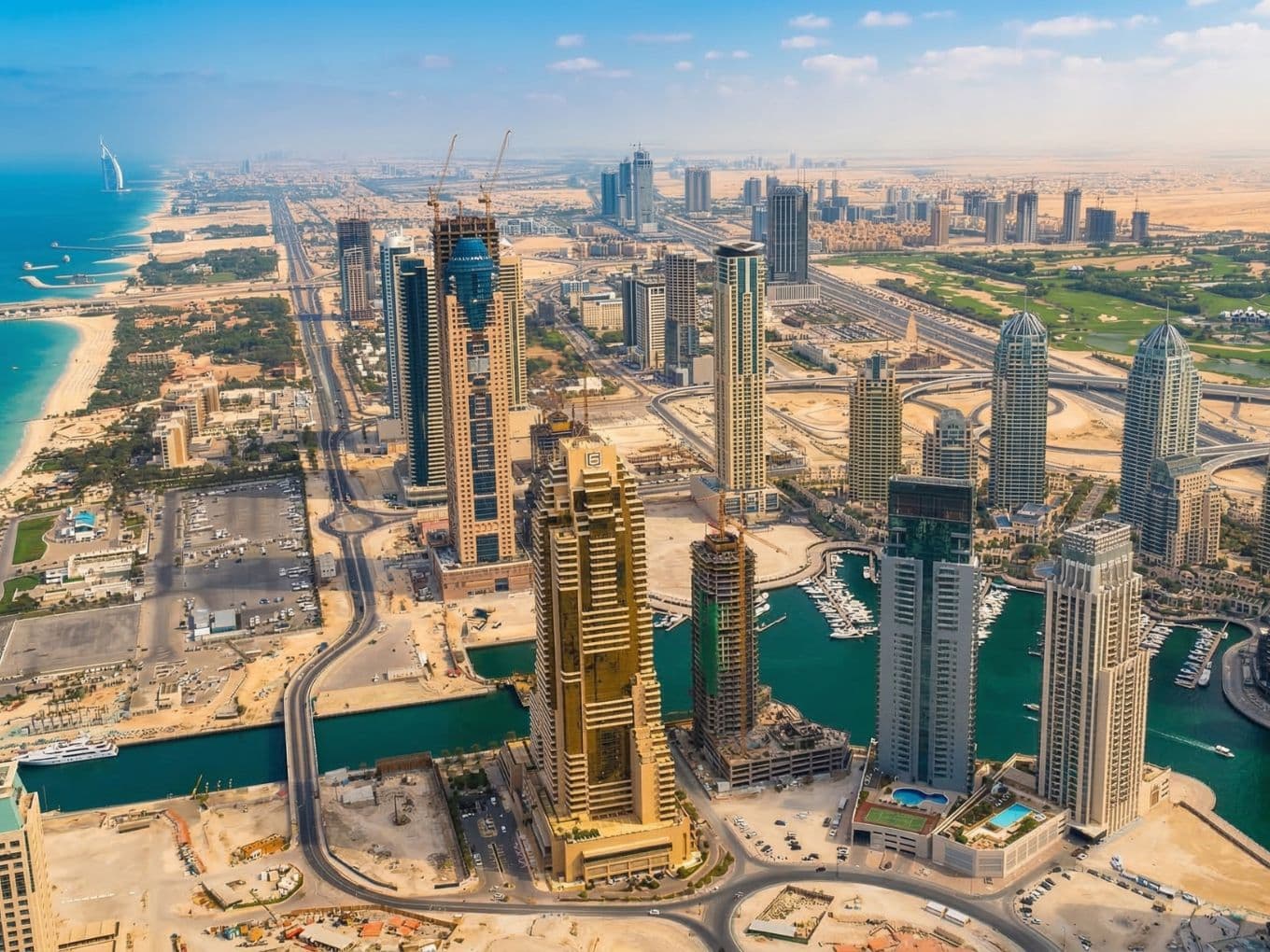
This report explores how Dubai’s real estate market has developed since the introduction of freehold ownership in 2002, tracing the key phases that have shaped its growth over the past two decades. From global shocks and periods of adjustment to record transaction activity and long-term structural demand, it offers a clear overview of the factors that continue to define the market today.
Dubai’s modern property market began to take shape after foreign nationals were allowed to purchase freehold property in designated areas in 2002. This period also saw the launch of landmark communities such as Palm Jumeirah, Dubai Marina, Downtown Dubai, and Arabian Ranches, supported by growing international investor interest and major infrastructure investment.
The global financial crisis created a period of volatility across real estate markets worldwide, including Dubai. In response, the market stabilised through economic recovery, continued project delivery, and stronger regulation, including a more prominent role for RERA in improving transparency and investor confidence.
As market conditions improved, Dubai entered a more mature phase of development supported by infrastructure expansion and renewed investor confidence. The award of Expo 2020 in 2013 helped drive new investment across transport, urban development, and Dubai South, while the market also navigated the effects of the regional oil price slowdown.
COVID-19 created short-term disruption across global markets in 2020, but Dubai recovered quickly as mobility returned and the economy reopened. Expo 2020, held between 2021 and 2022, reinforced the city’s international profile, while renewed migration and investor demand helped drive the start of a new growth cycle.
Following the post-pandemic rebound, Dubai’s real estate market entered a period of sustained expansion with record levels of activity. Rising population, strong international capital inflows, and continued economic growth helped push transaction volumes and prices to new highs, reinforcing Dubai’s position as one of the world’s most active property markets.
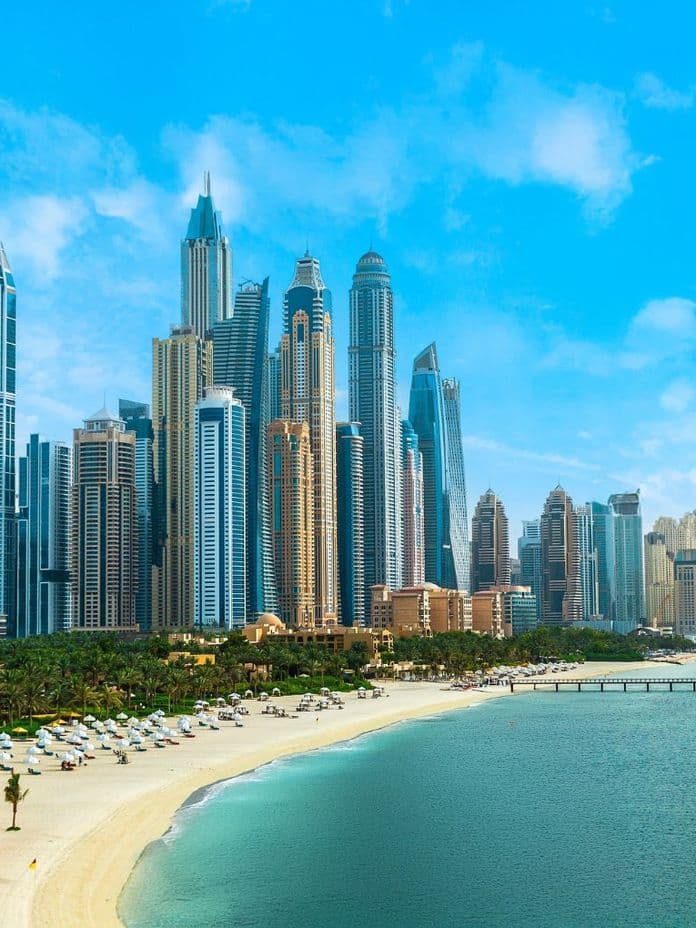
Over the past two decades, Dubai’s real estate market has experienced periods of both rapid expansion and short-term correction, often in response to broader global economic events. From the global financial crisis and oil market volatility to the COVID-19 pandemic, the market has faced multiple periods of disruption while continuing to recover and grow over the long term.
Freehold ownership, long-term residency initiatives, and investor-friendly regulation have helped strengthen confidence.
Dubai’s population has grown from around 1 million in the early 2000s to more than 4 million today, supporting sustained long-term housing demand.
International buyers have played a major role, with Dubai attracting investment from across Europe, Asia, the Middle East, and beyond.
Dubai’s location, tax environment, and modern infrastructure continue to attract businesses, professionals, and investors from around the world.
Growth across tourism, aviation, logistics, finance, and technology has helped build a broader and more resilient economic base.
Major projects such as Dubai International Airport and the Dubai Metro have strengthened connectivity and supported long-term growth.
Download the full report for a broader view of Dubai’s real estate market through time, including the key phases, major global events, and long-term drivers that have shaped its development since 2002.
This report explores the evolution of Dubai’s real estate market since the introduction of freehold ownership in 2002, highlighting the key phases, major global shocks, and structural drivers that have shaped its development.
Yes. The report is available as a free download and provides a concise overview of Dubai’s real estate market through time.
Dubai introduced freehold ownership for foreign nationals in designated areas in 2002, marking a major turning point in the development of its modern property market.
Over the past two decades, Dubai’s real estate market has experienced periods of adjustment linked to events such as the global financial crisis, oil market volatility, and the COVID-19 pandemic, while continuing to recover and expand over the long term.
Understanding how the market has evolved over time helps provide context around its resilience, long-term growth trajectory, and the factors that continue to support demand today.