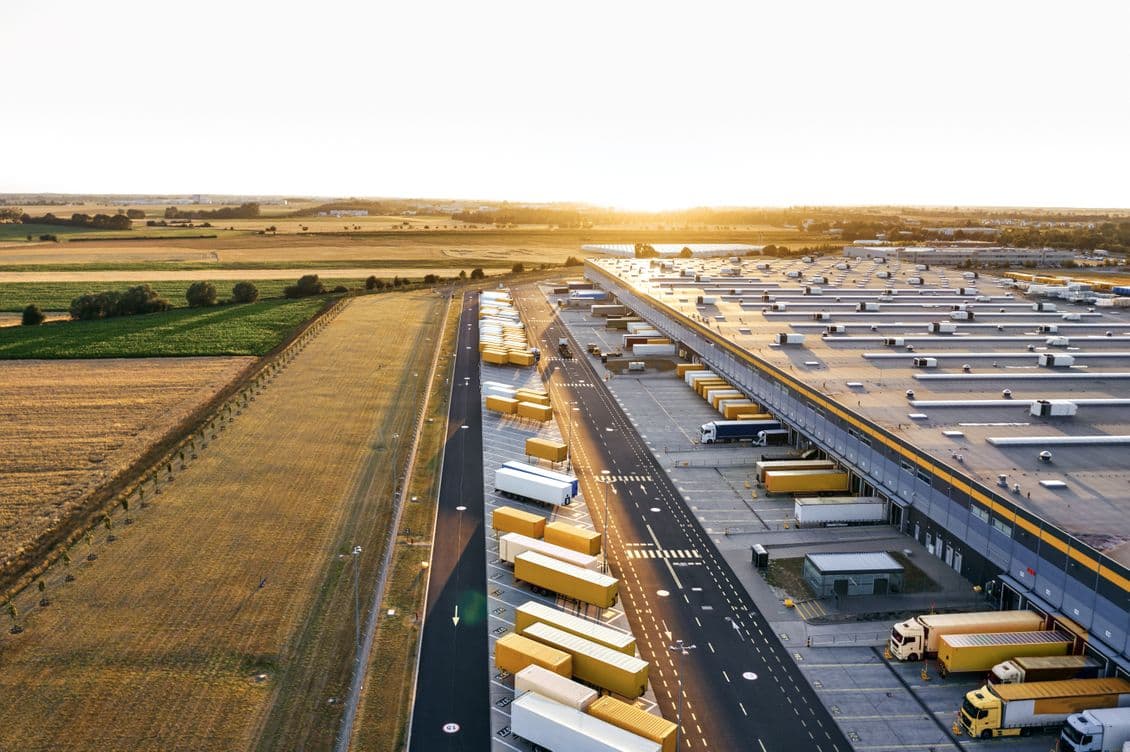
Speak to a Commercial Advisor
Explore industrial property opportunities across Dubai’s leading logistics, warehousing, and manufacturing hubs with support from Engel & Völkers Commercial.
The new GG website: Inspiring personalities, extraordinary places and exceptional properties. Discover now
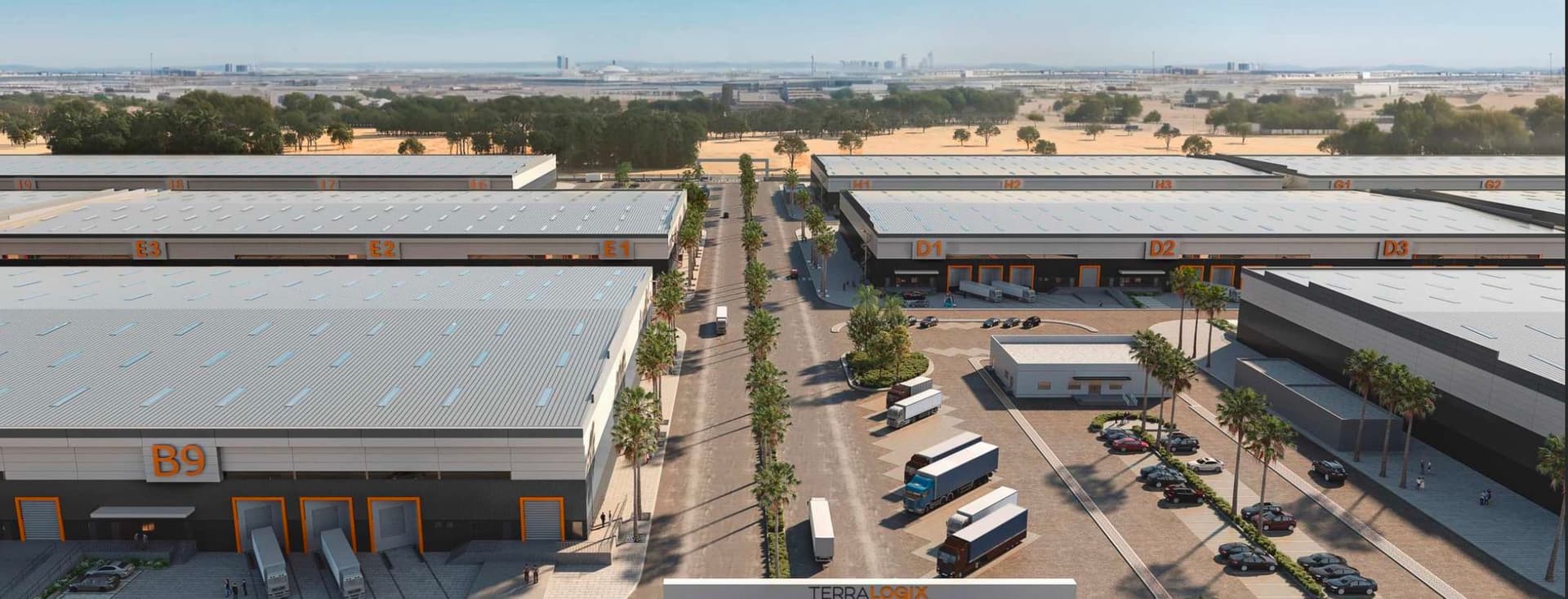
Key Takeaways
Dubai’s industrial real estate market is gaining momentum, driven by strong demand for warehouses, logistics hubs, manufacturing facilities, and distribution centres.
Leading industrial areas include Jebel Ali Free Zone, Dubai South, Dubai Industrial City, National Industries Park, and Dubai Investments Park.
Industrial property investment in Dubai continues attracting investors due to high occupancy rates, growing demand from logistics and e-commerce businesses, and long-term infrastructure investment.
Choosing between free zone and mainland industrial areas depends on factors such as business activity, ownership structure, tax advantages, operational reach, and long-term investment goals.
Dubai’s industrial real estate sector has become one of the city’s strongest-performing commercial property segments, supported by growth in logistics, manufacturing, e-commerce, and international trade. As Dubai continues investing in ports, airports, free zones, and transport infrastructure, demand for warehouses, distribution facilities, industrial land, and manufacturing space remains high across several key locations.
While Dubai is often associated with residential real estate and luxury developments, its industrial market plays a vital role in the emirate’s economy. Industrial zones continue attracting global businesses looking to benefit from Dubai’s strategic location, business-friendly regulations, and connectivity to regional and international markets.
Whether you are looking to establish operations, lease warehouse space, or explore industrial property investment opportunities, understanding the strengths of each Dubai industrial area is essential. This guide explores Dubai’s leading industrial zones, current market trends, and the factors businesses and investors should consider before choosing a location.
Table of Content
Why Businesses Choose Dubai’s Industrial Areas
Top 7 Industrial Areas in Dubai
Types of Industrial Properties Available
Industrial Property Prices and Rental Trends
Buying vs Leasing Industrial Property in Dubai
Investment Potential in Dubai Industrial Real Estate
Free Zone vs Mainland Industrial Areas
Key Factors to Consider Before Choosing an Industrial Area
Conclusion
Dubai’s industrial areas are gaining immense popularity among businesses and companies for many reasons, ranging from the ease of doing business to the city’s highly connected logistics network across the UAE, GCC, and global markets.
Dubai is located at the crossroads of the world, connecting the East and West. This has made it a major logistics and trade hub. The city has invested considerably in its connectivity infrastructure, with seamless access to international airports, ports, highways, and future rail networks. This connectivity is a major advantage for businesses operating within Dubai’s industrial zones.
Dubai offers a highly attractive environment for international businesses. Many free zones allow 100% foreign company ownership, full repatriation of profits, and simplified company setup procedures. These advantages continue attracting manufacturers, logistics operators, distributors, and multinational corporations to Dubai’s industrial districts.
Dubai remains one of the region’s most investor-friendly business destinations. Companies generating taxable profits above AED 375,000 are subject to a 9% corporate tax rate, while businesses below this threshold benefit from a 0% rate. Various free zones may also offer additional incentives depending on the nature of the business and regulatory framework.
Dubai’s industrial landscape is built around several major hubs that serve different sectors, from logistics and manufacturing to technology and distribution. While each location offers distinct advantages, the following areas are among the most important industrial districts in Dubai today.
Jebel Ali Free Zone (JAFZA) is Dubai’s most prominent industrial zone and contributes significantly to the emirate’s economy. It is one of the world’s largest free economic zones, spanning over 57 square kilometres and home to more than 8,000 companies operating across a wide range of sectors.
JAFZA’s greatest advantage is its direct access to Jebel Ali Port, the largest seaport in the Middle East, making it one of the region’s most important logistics and distribution hubs. Businesses operating within JAFZA benefit from world-class infrastructure, international connectivity, and a well-established ecosystem for trade, manufacturing, and logistics.
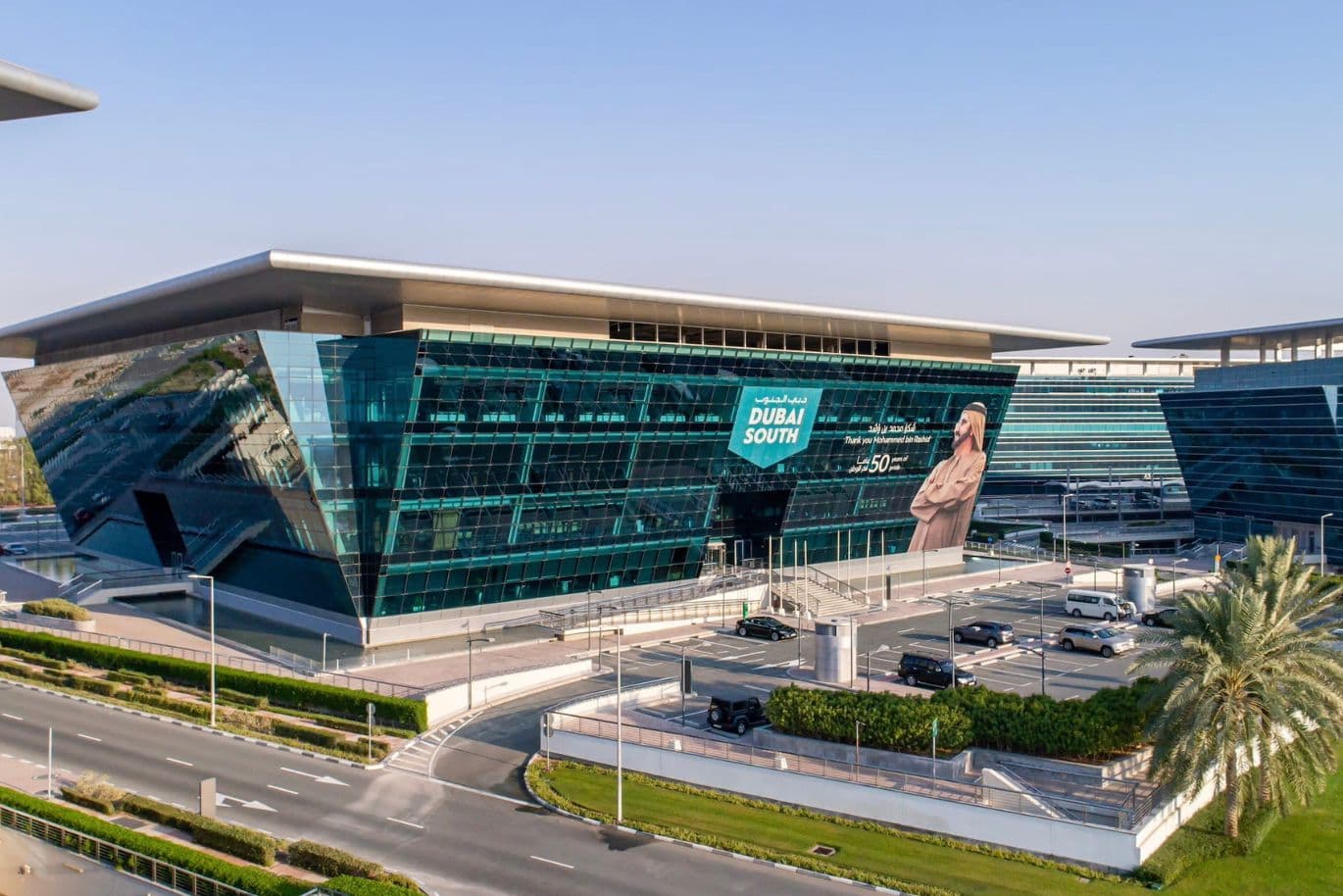
Dubai South has rapidly emerged as one of Dubai’s most important industrial and logistics districts. Located adjacent to Al Maktoum International Airport, the master-planned development has been designed to support aviation, logistics, e-commerce, and international trade.
The area continues attracting strong occupier demand due to its future growth potential, large-scale industrial land availability, and strategic position within Dubai’s long-term economic development plans. As the airport expansion progresses, Dubai South is expected to play an increasingly important role in the emirate’s logistics and industrial sector.
A purpose-built zone that facilitates seamless business integration, Dubai Industrial City (DIC) spans approximately 55 square kilometres and caters to companies operating across sectors including food and beverage, transport equipment, machinery, mineral products, base metals, and chemicals.
Companies operating within DIC benefit from modern infrastructure, specialised industrial clusters, and strategic access to Dubai’s logistics network. The district has become one of the UAE’s leading manufacturing hubs and continues benefiting from growing demand across industrial and logistics sectors.
National Industries Park is strategically positioned between JAFZA and Dubai South, providing businesses with access to two of Dubai’s most important industrial ecosystems. The district is home to logistics operators, manufacturers, distributors, and industrial service providers seeking large industrial plots and modern facilities.
Its location, connectivity, and comparatively competitive operating costs continue attracting occupiers looking for alternatives to some of Dubai’s more established industrial districts.
Dubai Investments Park is one of Dubai’s most established mixed-use industrial and commercial districts. The area combines warehouses, light industrial facilities, offices, and residential communities, creating a self-contained business environment.
Its strong infrastructure, mature market, and connectivity to both Dubai and Abu Dhabi continue making it popular among SMEs, logistics operators, and light manufacturing businesses. The availability of industrial, commercial, and residential real estate within a single district also contributes to its long-term appeal.
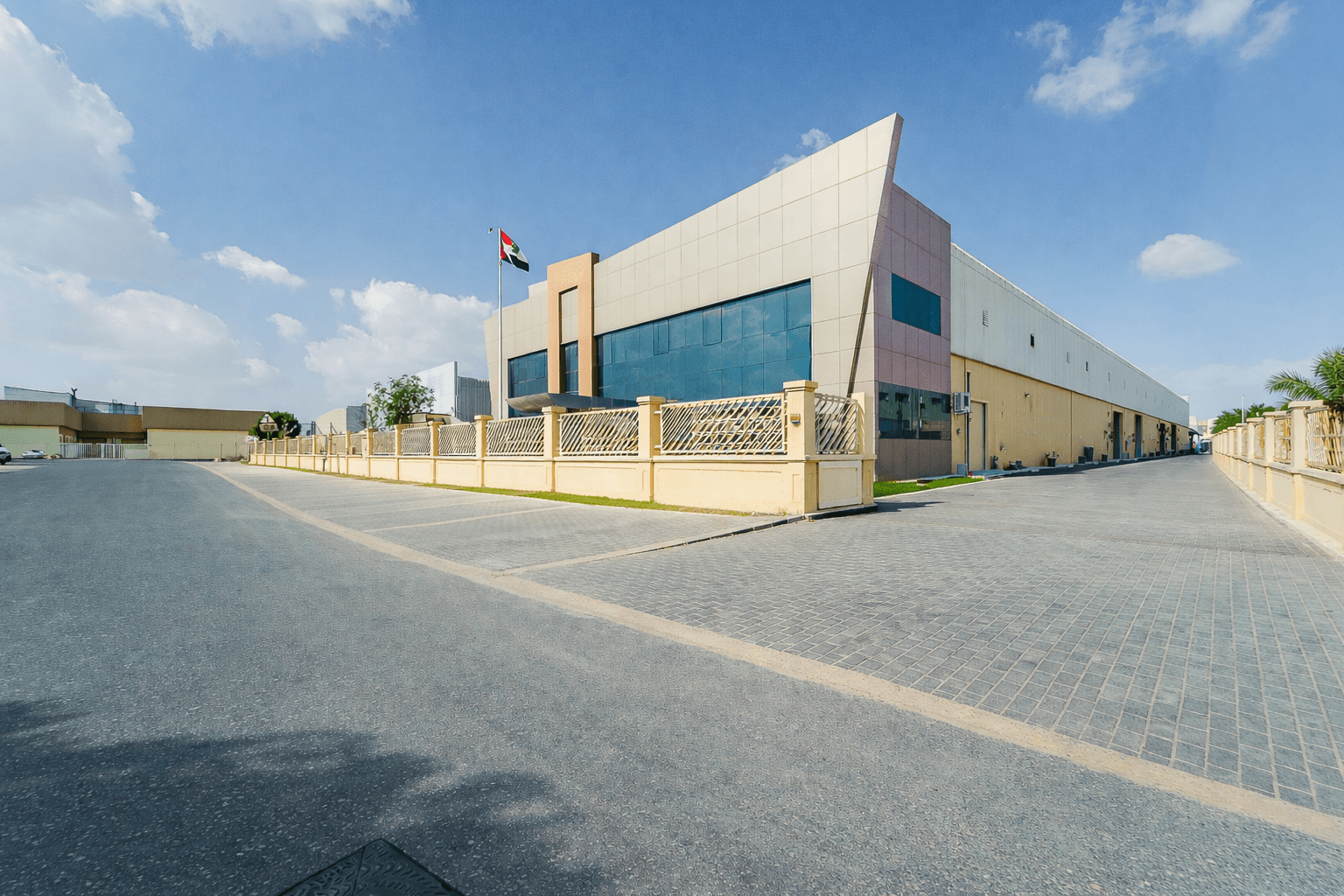
Ras Al Khor Industrial Area remains one of Dubai’s most established industrial districts. Located close to Downtown Dubai and key transport corridors, the area is popular among automotive, construction, warehousing, and trade-related businesses.
Its central location continues driving demand from occupiers seeking industrial space closer to the city’s core business districts. Despite the growth of newer industrial hubs, Ras Al Khor remains an important part of Dubai’s industrial real estate market due to its accessibility and established business ecosystem.
One of the oldest industrial zones in Dubai, Al Quoz is strategically located between Sheikh Zayed Road (E11) and Al Khail Road (E44), providing excellent access to many of the city’s major commercial districts.
While traditionally known for its warehouses, factories, and industrial facilities, Al Quoz has evolved into a diverse business district that also accommodates commercial activity, creative industries, automotive businesses, and service providers. Its central location continues making it particularly attractive for urban logistics and last-mile distribution operations.
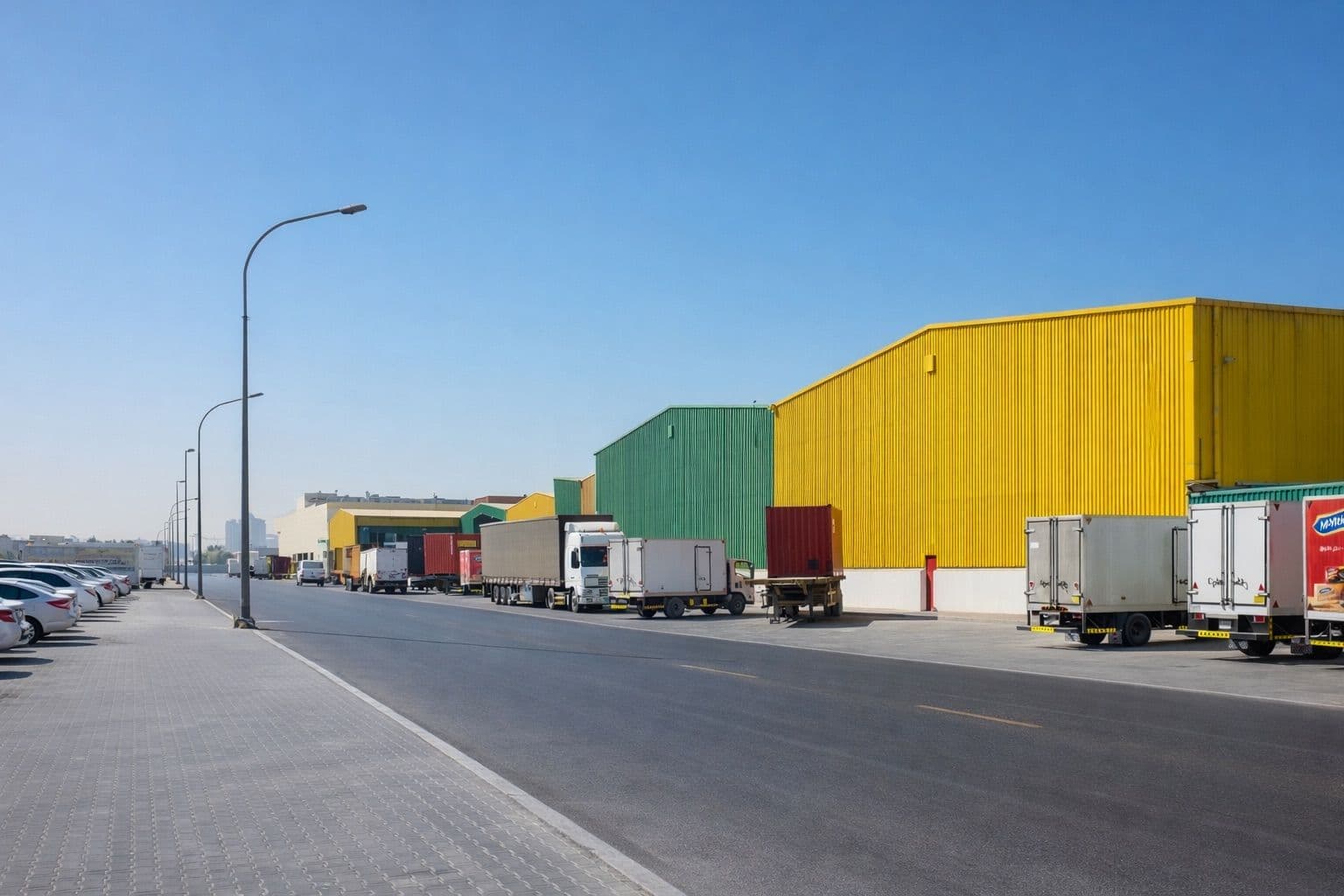
Industrial property investment is gradually gaining traction among investors and occupiers, driven by long-term lease stability, growing demand, and attractive income potential.
Here are some of the most common industrial property types available in Dubai:
Warehouse facilities
Manufacturing facilities
Logistics and distribution centres
Open storage yards
Industrial land and development plots
Cold storage and specialised facilities
The type of industrial property you choose will depend on your operational requirements, budget, power requirements, storage needs, and long-term business objectives.
With growing interest in industrial property investment, real estate prices and rental rates within the sector have risen steadily. According to Dubai’s industrial market reports, warehousing rents have increased significantly in recent years, supported by strong occupier demand, limited available stock in established locations, and continued growth in logistics and e-commerce activity.
Many of Dubai’s leading industrial districts continue recording high occupancy levels, reflecting the strength of demand across logistics, manufacturing, distribution, and industrial services.
Rental rates vary significantly depending on location, facility specification, power capacity, yard requirements, and proximity to major transport infrastructure such as ports, airports, and highways.
| Area | Average Rent (AED psf) |
|---|---|
Jebel Ali | AED 34/sq.ft. |
Ras Al Khor | AED 51/sq.ft. |
Dubai Investments Park | AED 42/sq.ft. |
Dubai Industrial City | AED 36/sq.ft. |
Al Quoz | AED 58/sq.ft. |
Source: Property Monitor (Jan-May 2026)
Investors and occupiers evaluating Dubai’s industrial zones often debate whether buying or leasing industrial property is the better option. Both approaches offer different advantages depending on business objectives, available capital, and long-term plans.
| Factor | Buying | Renting |
|---|---|---|
Costs | Property acquisition costs, registration fees, agency fees, maintenance, and service charges | Rental payments, utilities, and operational expenses |
Returns | The owner can benefit from capital appreciation and lease the property to generate income | The occupier gains operational use but no ownership benefits |
Property Modifications | Owners have greater flexibility to modify or expand the property | Changes generally require landlord approval |
Entry Barrier | Industrial property often requires substantial upfront capital | Leasing generally requires lower initial capital commitment |
For businesses focused on operational flexibility, leasing may be preferable. Investors and owner-occupiers with long-term plans may benefit from ownership and potential capital appreciation.
Dubai’s industrial real estate sector continues attracting growing interest from both regional and international investors. Rising demand from logistics operators, manufacturers, e-commerce companies, and supply chain businesses has strengthened the long-term outlook for industrial assets across the emirate.
Industrial property investment has become increasingly attractive as investors seek sectors supported by long-term structural demand rather than short-term market cycles.
According to market reports, approximately 6.6 million square feet of industrial and warehousing space is expected to enter the market during 2026 to help meet growing occupier demand. Despite this new supply, occupancy rates remain high across several key industrial districts.
Dubai South has reported occupancy rates approaching 96%, while Dubai Industrial City continues to record occupancy levels of approximately 94%, highlighting the strength of underlying demand.
Reports also suggest that mid-sized warehouse facilities between 10,000 and 50,000 square feet remain particularly sought after, reflecting growing demand from logistics, distribution, and e-commerce operators.
While returns vary significantly depending on location, asset quality, and tenant profile, industrial property investments in Dubai are often capable of generating attractive income returns compared to many other commercial asset classes.
Dubai’s industrial areas typically fall under either free zone or mainland jurisdictions. Both structures offer unique benefits depending on the nature of the business, ownership requirements, and operational goals.
If you are considering establishing operations within a Dubai industrial zone, understanding these differences is essential before making a decision.
| Factor | Mainland | Free Zone |
|---|---|---|
Ownership Structure | Allows 100% foreign ownership across most business activities | Allows 100% foreign ownership |
Scope of Operations | Access to the UAE market and international markets | Typically focused on free zone operations and international trade |
Office Requirements | Usually requires physical office space | Requirements vary by free zone authority |
Taxes | Subject to UAE corporate tax regulations | Potential tax benefits depending on free zone regulations |
Setup Costs | Can be higher depending on activity and licensing requirements | Often offers competitive setup structures depending on the authority |
The right choice ultimately depends on your operational requirements, customer base, supply chain needs, and long-term growth strategy.
With a wide range of Dubai industrial areas catering to different industries and business activities, selecting the right location requires careful evaluation. Here are some of the most important factors to consider before making a decision:
What type of business are you establishing? Many industrial districts in Dubai have developed specialised ecosystems and industry clusters that support specific sectors such as manufacturing, logistics, food production, technology, or distribution. Choosing a location aligned with your operations can improve efficiency and support long-term growth.
It is important to understand the differences between mainland and free zone locations, including licensing requirements, ownership structures, tax implications, and operational restrictions. Conducting due diligence at an early stage can help narrow down the most suitable industrial areas for your business.
Access to major transport infrastructure remains one of the most important considerations when selecting an industrial property. Businesses reliant on imports, exports, or regional distribution should prioritise locations with convenient access to airports, seaports, highways, and logistics corridors.
Establishing operations within Dubai’s industrial market comes with a range of costs beyond rent or purchase price alone. Businesses should evaluate licensing costs, utilities, labour accommodation requirements, maintenance costs, and future expansion expenses before selecting a location.
Companies should also assess whether an industrial area offers sufficient room for future expansion. Access to larger facilities, additional land, or future infrastructure improvements can have a significant impact on long-term operational efficiency and business growth.
Dubai’s industrial real estate sector has evolved into one of the city’s most important commercial property segments, supported by growing demand from logistics, manufacturing, e-commerce, and international trade businesses. From established hubs such as JAFZA, Al Quoz, and Dubai Investments Park to rapidly expanding districts including Dubai South and National Industries Park, each Dubai industrial area offers distinct advantages depending on operational requirements and investment objectives.
For businesses, choosing the right industrial zone requires a careful assessment of connectivity, infrastructure, ownership structures, costs, and long-term growth potential. For investors, industrial property investment continues to benefit from strong occupier demand, high occupancy rates, and Dubai’s ongoing investment in trade and logistics infrastructure.
As Dubai continues strengthening its position as a global business and logistics hub, industrial real estate is expected to remain a key growth sector within the wider commercial property market. Understanding the strengths of each Dubai industrial zone can help businesses and investors make more informed real estate decisions and identify opportunities aligned with their long-term goals.
Whether you are seeking warehouse space, industrial land, logistics facilities, or industrial property investment opportunities, Engel & Völkers Commercial Dubai provides expert guidance across the UAE’s evolving industrial real estate market.
Our team can help you identify suitable industrial assets, evaluate market opportunities, and navigate the acquisition or leasing process with confidence.
Speak to a Commercial Advisor
Explore industrial property opportunities across Dubai’s leading logistics, warehousing, and manufacturing hubs with support from Engel & Völkers Commercial.
You may also be interested in



Some of Dubai’s leading industrial areas include Jebel Ali Free Zone (JAFZA), Dubai South, Dubai Industrial City, National Industries Park, Dubai Investments Park, Al Quoz Industrial Area, and Ras Al Khor Industrial Area.
Yes, foreigners can purchase industrial property in designated areas of Dubai, subject to the ownership regulations and licensing requirements applicable to the specific location and property type.
The right option depends on your business objectives, budget, operational requirements, and long-term plans. Leasing offers greater flexibility and lower upfront costs, while ownership may provide long-term control and potential capital appreciation.
Jebel Ali Free Zone and Dubai South are widely regarded as two of the strongest locations for logistics businesses due to their proximity to major ports, airports, and regional transport networks.
Industrial property investment has attracted increasing interest in recent years due to strong occupier demand, growing logistics and e-commerce activity, high occupancy rates, and Dubai’s continued investment in trade and infrastructure.
Dubai offers a wide range of industrial real estate, including warehouses, manufacturing facilities, logistics and distribution centres, open storage yards, cold storage facilities, and industrial land for development.

Alex Lourenco
Alex Lourenco is the Head of Commercial at Engel & Völkers Commercial Middle East, where he has built and led the department since its inception. With over a decade of international experience in management and business development, Alex brings a global perspective and a results-driven approach to Dubai’s commercial real estate sector. Under his leadership, Engel & Völkers Commercial was recognised as the Top Team of Engel & Völkers Dubai in 2024, reflecting his focus on performance, collaboration, and long-term client partnerships.
Contact



Engel & Völkers Dubai
7th Floor, Al Khail Plaza
Jumeirah Village Triangle, Dubai, UAE
Tel: +971 4 4223500