
Get Your Free Dubai Investment Guide
Learn how to maximise returns and make informed decisions in Dubai’s property market.
Access exclusive properties and get in touch for personal advisory: Explore Private Office.
Key Takeaways:
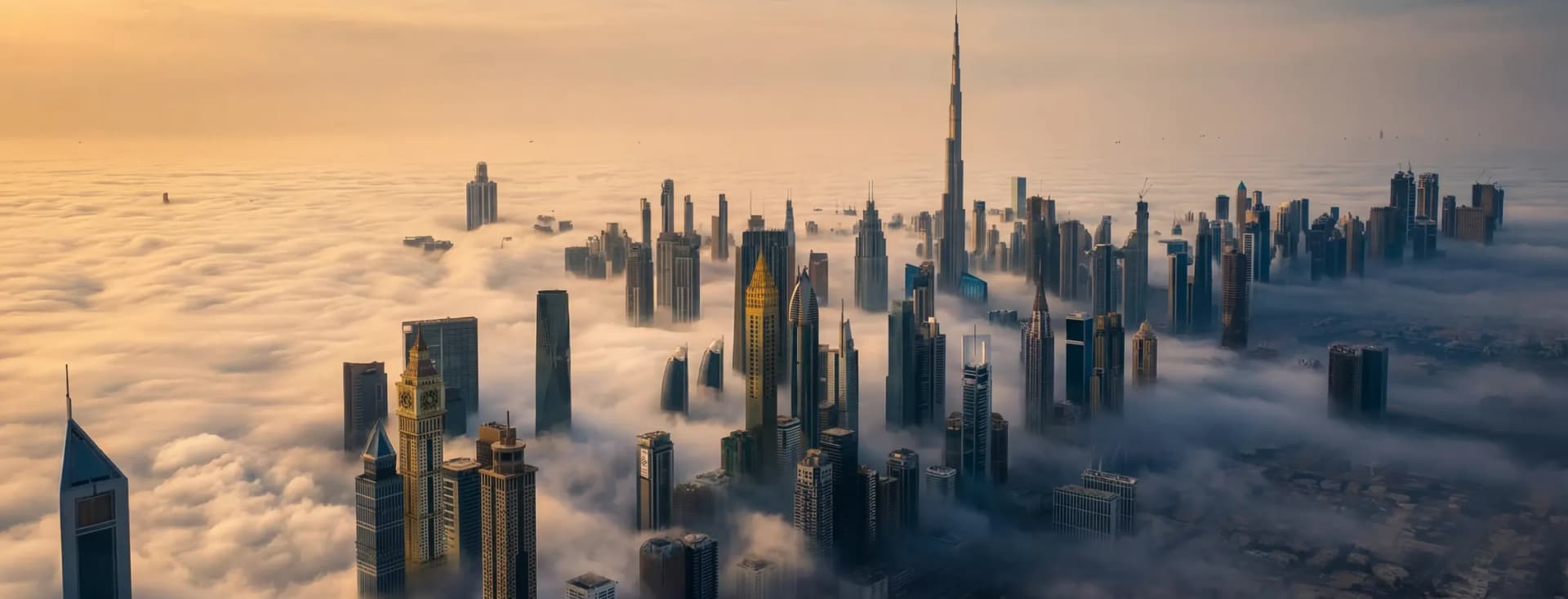
Dubai’s residential property market recorded 80,509 transactions worth AED 226.5 billion during H1 2026, making it the second strongest first half on record.
Average gross rental yields reached approximately 6.6% in Dubai in June 2026, compared with an average gross yield of 2.91% across Switzerland in Q1 2026.
Swiss nationals can purchase freehold property in designated areas of Dubai, either as UAE residents or from Switzerland.
Dubai does not impose an annual property tax or UAE personal income tax on residential rental income and capital gains. However, Swiss buyers should obtain independent tax advice regarding their obligations in Switzerland.
Property ownership worth at least AED 2 million may enable eligible investors to apply for a renewable 10-year UAE Golden Visa, subject to the applicable requirements.
Dubai real estate continues to attract Swiss buyers looking for stronger rental returns, international diversification and access to a broad range of investment properties.
From high-yield apartments and off-plan developments to luxury villas and branded residences, Dubai offers opportunities across different budgets and investment strategies. However, buyers still need to understand market conditions, purchase costs, ownership rules, financing options and potential risks before committing.
This guide explains how Swiss nationals can buy property in Dubai, where opportunities may exist in 2026 and what to consider when comparing the Dubai real estate market with Switzerland.
Table of Content
Why Dubai real estate appeals to Swiss investors
Understanding the Dubai real estate market in 2026
Can Swiss nationals buy property in Dubai?
How to purchase property in Dubai from Switzerland
Best areas in Dubai for Swiss buyers
Costs of buying property in Dubai
Financing, tax and currency considerations
UAE Golden Visa through property investment
Final thoughts
The clearest financial difference between the two markets is rental yield.
Average gross residential yields in Switzerland stood at 2.91% in Q1 2026. Zurich averaged 2.51%, while Geneva averaged 2.61%. Even in higher-yielding Swiss regions such as Valais and Fribourg, average gross yields were approximately 3.57% and 3.34% respectively.
By comparison, Dubai’s average gross residential rental yield reached approximately 6.6% in June 2026.
| Market | Average gross rental yield |
|---|---|
Dubai | 6.6% |
Dubai apartments | 6.9% |
Switzerland | 2.91% |
Canton of Zurich | 2.51% |
Canton of Geneva | 2.61% |
Canton of Valais | 3.57% |
Sources: Property Monitor and Global Property Guide.
These figures are gross yields and should not be confused with net investment returns. In Dubai, investors should account for expenses including service charges, maintenance, property management, insurance and possible vacancy periods.
A higher yield also does not necessarily mean a better-quality investment. Some of Dubai’s highest-yielding communities have lower purchase prices but may offer weaker capital appreciation, greater tenant turnover or more future supply. Prime communities often produce lower yields but may provide stronger scarcity, resale demand and long-term value protection.
Dubai can provide access to high-quality residential property at a substantially lower price per square metre than Switzerland’s leading cities.
Indicative city-centre apartment prices reported by Numbeo were:
| City | Indicative price per sq. m |
|---|---|
Zurich | CHF 21,835 |
Geneva | CHF 18,252 |
Lucerne | CHF 17,703 |
Bern | CHF 15,475 |
Dubai | CHF 5,853 |
Abu Dhabi | CHF 3,899 |
The comparison is not exact, since the quality, age and specification of properties differ between cities. Nevertheless, it demonstrates why Dubai may appeal to Swiss investors seeking greater purchasing power.
The same capital required for an apartment in central Zurich or Geneva may give a buyer access to multiple smaller investment units, a larger family property or a premium home in Dubai.
Buying property in Dubai can give Swiss investors exposure to a market influenced by different economic and demographic drivers.
Dubai’s population growth, international workforce, tourism sector, business expansion and continuing infrastructure investment all support demand for residential property. The market is also highly international, reducing its reliance on one single buyer or tenant group.
For buyers whose wealth is concentrated in Switzerland or Swiss francs, Dubai may provide geographic and asset diversification. However, investors should still consider foreign-exchange exposure. The UAE dirham is pegged to the US dollar, so the value of an investment when measured in Swiss francs can change as the CHF/USD exchange rate moves.
Dubai offers significantly more than high-yield apartments.
Swiss buyers can choose between:
completed apartments intended for immediate rental income
off-plan property purchased during construction
family villas and townhouses focused on long-term appreciation
branded and serviced residences
waterfront and golf-course homes
ultra-prime properties intended for lifestyle use or wealth preservation
Each strategy carries a different balance of income, growth potential, liquidity and risk. A studio in Dubai South should not be assessed in the same way as a villa on Palm Jumeirah or an off-plan branded residence.
Dubai is well connected to Switzerland and the wider European market, making it practical for owners who expect to travel regularly between the UAE and Europe.
Property ownership may also support a longer-term relocation strategy. Eligible investors who own property worth at least AED 2 million may apply for a renewable 10-year UAE Golden Visa, subject to the current qualification and documentation requirements.
Property ownership alone should not be treated as an automatic guarantee of residency. Buyers should confirm the applicable visa rules before purchasing, particularly where multiple properties, financing or jointly owned assets are involved.
Get Your Free Dubai Investment Guide
Learn how to maximise returns and make informed decisions in Dubai’s property market.
Dubai entered 2026 following several years of exceptional growth. The market remained highly active during the first half of the year, although buyer behaviour became more measured and performance increasingly varied by community and property type.
A total of 80,509 residential properties were sold during H1 2026, generating AED 226.5 billion in transaction value. This made it the second strongest first half on record, behind the unusually high levels achieved during H1 2025.
| H1 2026 indicator | Result |
|---|---|
Residential sales value | AED 226.5 billion |
Homes sold | 80,509 |
Off-plan market share | 71.3% |
Average gross rental yield | 6.6% |
US$10 million-plus home sales | 320 |
Registered rental contracts | 271,445 |
The first half developed in two distinct phases. January and February began strongly, before regional uncertainty in March caused some buyers to delay decisions. Because agreed property sales can take several weeks to reach registration, the slowdown became most visible in May. Transaction volumes subsequently recovered in June as delayed deals progressed and activity normalised following the Eid period.
This does not mean that every segment of the Dubai real estate market performed equally.
Prime villa communities continued to benefit from constrained supply and international demand. Palm Jumeirah villa values recorded particularly strong year-on-year growth, while established family communities including Arabian Ranches, Emirates Living and Jumeirah Park remained resilient.
Apartment performance was more varied. Communities offering established amenities, good transport connections and high-quality stock continued to attract buyers, while markets with substantial current or future supply became more price-sensitive.
For Swiss investors, this distinction is important. Dubai is no longer a market where simply purchasing any property is likely to produce the same result. Developer quality, location, service charges, tenant profile and future competition increasingly determine performance.
Off-plan purchases accounted for 71.3% of Dubai’s residential transactions during H1 2026, with 57,366 sales compared with 23,143 secondary-market transactions.
Demand has been supported by several factors:
a wide choice of newly launched communities and developments
staged developer payment plans
lower initial capital requirements
confidence in established developers
expectations of long-term population and infrastructure growth
Off-plan property can be attractive to overseas buyers, but it also introduces additional risks. Investors should assess the developer’s delivery record, escrow arrangements, payment schedule, completion date, expected service charges and the likely supply of competing units at handover.
Completed property generally offers greater certainty over the physical asset, current rental demand and achievable income. However, buyers may need to fund a larger proportion of the purchase price upfront and will have less flexibility than with a developer payment plan.
Price growth remained positive across many Dubai communities during H1 2026, but the market became more selective.
Strong performance was increasingly concentrated in properties offering one or more of the following:
limited existing and future supply
an established developer
high-quality community management
strong transport connectivity
attractive lifestyle amenities
sustained end-user and tenant demand
a credible future resale market
This is a healthier basis for long-term decision-making than relying solely on broad market momentum.
Investors researching property prices in Dubai should therefore avoid using a single city-wide average. The purchase price per square foot, rental yield and growth outlook can differ substantially between a studio in JVC, an apartment in Dubai Marina, a townhouse in Dubai Hills Estate and a villa on Palm Jumeirah.
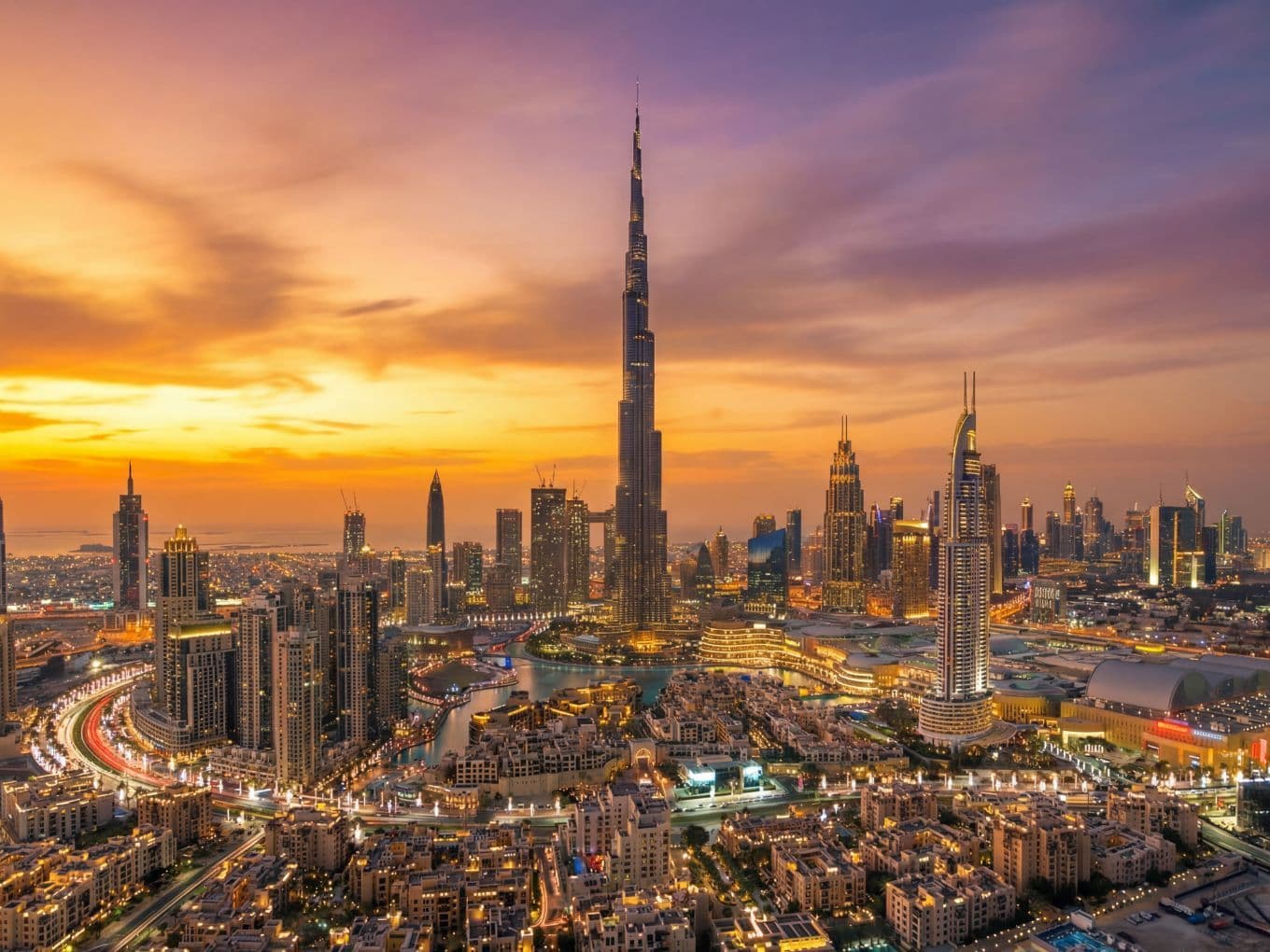
Yes. Swiss nationals can purchase freehold property in designated areas of Dubai without becoming UAE residents. Foreign ownership has been well established for many years, with transactions regulated by the Dubai Land Department (DLD) and the Real Estate Regulatory Agency (RERA), providing a transparent legal framework for both local and international buyers.
Freehold areas include many of Dubai’s most sought-after communities, including Dubai Marina, Downtown Dubai, Dubai Hills Estate, Palm Jumeirah, Business Bay and Jumeirah Village Circle (JVC). Buyers own the property outright and can typically sell, lease or pass it on through inheritance, subject to the relevant UAE laws and regulations.
Many Swiss investors choose to purchase remotely, completing much of the process through a trusted real estate adviser and legal representatives before travelling to Dubai to finalise the transaction if required. Whether purchasing as an investment, holiday home or primary residence, working with an experienced real estate agency can help ensure the purchase process runs smoothly.
Buying property in Dubai is a straightforward process, particularly when supported by an experienced real estate professional. While individual transactions may vary, the process typically follows these key stages.
Start by determining what you want your investment to achieve. Some buyers prioritise rental income, while others focus on long-term capital appreciation, lifestyle, or a future relocation. Your objectives will help determine the most suitable communities, property types and budget.
Research different areas, compare prices and review recent market performance. Many overseas buyers arrange virtual viewings before travelling to Dubai, while others shortlist properties online before visiting in person.
Once an offer has been accepted, buyer and seller sign the Memorandum of Understanding (Form F), which sets out the agreed purchase price, payment terms and completion timetable. At this stage, a deposit is typically paid.
Before transferring ownership, your adviser should verify the property’s legal status, confirm there are no outstanding liabilities and ensure all documentation is in place. Mortgage approvals, where applicable, are also finalised during this stage.
The transaction is completed through the Dubai Land Department, where the remaining funds are transferred, applicable fees are paid and ownership is officially registered. The buyer then receives the title deed confirming legal ownership.
The right location depends on your investment objectives. Some communities prioritise rental returns, while others offer stronger long-term capital appreciation or a premium lifestyle.
Dubai Hills Estate has become one of Dubai’s most desirable master-planned communities. Its villas, apartments, parks, schools and championship golf course make it particularly attractive to families and long-term owner-occupiers. While rental yields are generally lower than more affordable communities, the area has demonstrated strong capital appreciation and remains popular with international buyers.
Business Bay combines a central location with strong tenant demand from professionals working in Downtown Dubai and DIFC. It offers a wide range of apartments, competitive rental yields and excellent transport links, making it a popular choice for investors seeking a balance between income and long-term growth.
Dubai Marina remains one of Dubai’s most recognisable waterfront destinations. The combination of established amenities, international appeal and strong rental demand continues to attract both investors and buyers seeking a second home in Dubai.
JVC has become one of Dubai’s most active investment markets thanks to its comparatively accessible entry prices and healthy rental yields. Continued infrastructure improvements and new residential developments have helped support both tenant demand and investor interest.
For buyers focused on wealth preservation and luxury living, Palm Jumeirah continues to represent one of Dubai’s premier residential destinations. Rental yields are typically lower than many apartment-led communities, but the area has consistently benefited from strong international demand and significant long-term capital appreciation.
Alongside the purchase price, buyers should budget for several additional buying costs.
| Cost | Typical amount |
|---|---|
Dubai Land Department transfer fee | 4% of purchase price |
Registration trustee fee | AED 2,000-4,000 (+ VAT depending on property value) |
Real estate agency fee | Typically around 2% |
Mortgage registration fee (where applicable) | 0.25% of loan amount + AED 290 |
Property valuation | Applicable for financed purchases |
Ongoing ownership costs may also include annual service charges, maintenance, insurance and, where applicable, property management fees. These should always be considered when assessing the likely net rental return.
Swiss buyers can purchase property in Dubai using cash or mortgage finance. Several UAE banks offer mortgages to eligible non-resident buyers, although loan-to-value ratios are generally lower than those available to UAE residents and lending criteria vary between institutions.
One of Dubai’s key attractions is its favourable tax environment. The UAE currently does not levy annual property tax, personal income tax on residential rental income or capital gains tax on property sales. However, Swiss residents may still have reporting or taxation obligations in Switzerland depending on their personal circumstances. Independent tax advice should always be obtained before making an overseas property investment.
Currency is another important consideration. Property transactions in Dubai are completed in UAE dirhams (AED), which are pegged to the US dollar. Swiss buyers should therefore consider how movements between the Swiss franc and US dollar may affect the overall value of their investment when measured in CHF.
Property ownership can also provide a pathway to long-term residency in the UAE.
Eligible investors who purchase property worth at least AED 2 million may apply for a renewable 10-year UAE Golden Visa, subject to meeting the government’s current eligibility requirements. The visa allows successful applicants to live in the UAE while also sponsoring eligible family members.
While the Golden Visa is an attractive benefit for many international buyers, investment decisions should be based primarily on the quality of the underlying property rather than residency eligibility alone.
Dubai continues to offer Swiss investors a compelling combination of comparatively accessible property prices, attractive rental yields and long-term growth potential. The market has matured significantly in recent years, with buyers increasingly focusing on quality developments, established communities and sustainable investment fundamentals rather than short-term market momentum.
Whether your objective is generating rental income, diversifying your investment portfolio or purchasing a second home, careful research remains essential. Understanding local market conditions, comparing communities and seeking professional advice can help ensure your investment aligns with your long-term financial goals.
Engel & Völkers Dubai supports Swiss buyers throughout every stage of the purchasing process, from identifying suitable opportunities to navigating legal requirements and completing the transaction with confidence.

Find your place in Dubai
Explore curated homes and investment opportunities across Dubai’s most sought-after communities
Yes. Swiss citizens can purchase freehold property in Dubai’s designated freehold areas without becoming UAE residents. Foreign buyers have the same ownership rights as other international investors within these areas and can buy apartments, villas, townhouses and off-plan properties.
Dubai real estate can be an attractive investment for Swiss buyers seeking portfolio diversification, higher potential rental yields and exposure to a growing international market. However, the right investment depends on factors including the property type, location, developer, purchase price and your long-term investment objectives.
Dubai generally offers lower property prices and higher gross rental yields than Switzerland. Average gross residential rental yields in Dubai were approximately 6.6% during H1 2026, compared with around 2.9% across Switzerland. While these differences are attractive to many investors, market conditions, ownership costs and long-term capital appreciation should all be considered when comparing opportunities.
Yes. Swiss nationals can purchase property in Dubai while remaining resident in Switzerland. Many overseas buyers complete much of the process remotely before travelling to Dubai if required for completion or property inspections.
In addition to the purchase price, buyers should budget for the Dubai Land Department transfer fee, registration trustee fees, real estate agency fees and, where applicable, mortgage-related costs. Ongoing ownership expenses such as service charges and maintenance should also be factored into your investment calculations.
Yes. Several UAE banks offer mortgage finance to eligible non-resident buyers. Loan-to-value ratios, deposit requirements and lending criteria vary between lenders, so obtaining specialist mortgage advice before purchasing is recommended.
Property ownership worth at least AED 2 million may allow eligible investors to apply for a renewable 10-year UAE Golden Visa. Applicants must satisfy the UAE government’s current eligibility requirements, and buyers should always confirm the latest criteria before purchasing.
Dubai does not currently impose an annual property tax or UAE personal income tax on residential rental income or capital gains. However, Swiss buyers may still have tax reporting or taxation obligations in Switzerland depending on their personal circumstances. Independent tax advice should always be obtained before investing overseas.
The best location depends on your investment goals. Communities such as Dubai Hills Estate and Palm Jumeirah are popular with buyers focused on long-term capital appreciation and lifestyle, while Business Bay, Dubai Marina and Jumeirah Village Circle (JVC) continue to attract investors seeking strong tenant demand and attractive rental yields.
Both can offer attractive opportunities. Off-plan property often provides lower entry prices and flexible developer payment plans, while completed property offers immediate rental income and greater certainty around the finished product. The right choice depends on your investment strategy, budget and preferred level of risk.
You may also be interested in



Contact



Engel & Völkers Dubai
7th Floor, Al Khail Plaza
Jumeirah Village Triangle, Dubai, UAE
Tel: +971 4 4223500