
Get Your Free Dubai Investment Guide
Learn how to maximise returns and make informed decisions in Dubai’s property market.
The new GG website: Inspiring personalities, extraordinary places and exceptional properties. Discover now

Key Takeaways:
The Dubai real estate market offers Japanese investors attractive rental yields, tax advantages in the UAE, and Golden Visa opportunities.
Dubai Marina, Downtown Dubai, Business Bay, and Palm Jumeirah are popular areas for international property investors.
Japanese buyers can choose from apartments, villas, townhouses, and duplexes based on their investment goals and budget.
DLD fees, registration, mortgage, brokerage, NOC, and maintenance costs should be factored into the total Dubai property investment cost.
As Dubai cements its position as a global city with a resilient economy, cosmopolitan culture, myriad job opportunities, and a strong property market, it continues to attract global businesspeople, job-seekers, investors, and homebuyers from around the world.
Home to residents from more than 200 nationalities, Dubai offers an international environment and a real estate market open to overseas investors, including buyers from Japan.
This article will serve as a comprehensive guide for Japanese nationals wanting to invest in Dubai real estate. It will provide information about the best areas in the Dubai real estate market, types of properties, financing options, how to buy property, and more.
Table of Content
Why Japanese Investors Are Looking at Dubai Real Estate
Dubai vs Tokyo: Real Estate Investment Compared
The Japan-UAE Tax Framework
Best Areas in Dubai for Japanese Investors
Types of Property Available in Dubai
Step-by-Step Guide to Buying Property in Dubai from Japan
Costs of Buying Property in Dubai
Financing Options for Overseas Buyers
Conclusion
What makes Dubai real estate an attractive prospect for Japanese investors? From long-term residency opportunities through property investments and tax-friendly policies, here are several reasons why Japanese people may consider investing in Dubai’s real estate market:
Japanese investors looking to reside long-term in Dubai can apply for a Golden Visa by investing at least AED 2 million in property, subject to the applicable eligibility requirements.
Dubai’s real estate tax policies are attractive to property investors, as the UAE does not impose personal income tax on individuals or a personal capital gains tax on property. However, Japanese residents may still have tax obligations in Japan on overseas income or gains.
Dubai offers a very high quality of life and cosmopolitan lifestyle to its residents. From international schools, hospitals, and global companies, to diverse restaurants, brands, and activities, the Dubai lifestyle encompasses everything one might need in a city.
The first step in exploring another city’s property market is comparing it with the country you are from/currently reside in. Tokyo, Japan’s capital and another highly competitive global city, is also known for its strong economy and property market.
Here is a comparison of both cities’ real estate landscapes and several metrics on which they differ.
| Dubai | Tokyo |
|---|---|
No annual property ownership tax | Annual fixed asset tax applies |
No UAE personal capital gains tax on property | Capital gains may be taxable |
Strong rental yields in many investment areas | Rental yields vary significantly by property and location |
4% DLD transfer fee on property purchases | Various acquisition and registration taxes apply |
While both cities have thriving property markets with various purchase costs, property ownership in Tokyo is subject to recurring taxes that do not apply in the same way in Dubai. Dubai’s tax environment and potential rental yields can therefore make it an attractive option for international property investors.
Japan and the UAE have a Double Taxation Agreement, which entered into force in 2014 and was subsequently modified by the Multilateral Instrument (MLI). The framework helps determine how certain cross-border income is treated for tax purposes and aims to prevent double taxation.
While Dubai does not impose personal income tax on rental income or personal capital gains tax on property in the same way as many other markets, Japanese residents may still have tax obligations in Japan on income or gains arising from overseas property. Japanese investors should therefore seek appropriate tax advice based on their individual residency and circumstances.
As a Japanese investor, whether you are searching for luxury real estate in Dubai or more affordable investment opportunities, Dubai offers a wide range of communities catering to different budgets and investment strategies.
Rather than focusing on areas associated with any particular nationality, investors should consider factors such as rental demand, property prices, location, amenities, future supply, and potential for capital appreciation.
Here are some popular areas to consider when investing in Dubai real estate:
Dubai Marina: One of the city’s most established waterfront communities, Dubai Marina offers a large rental market, extensive lifestyle amenities, and a wide selection of apartments. Its location and international appeal make it a popular option for overseas investors.
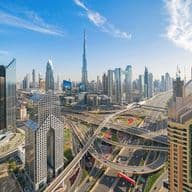
Downtown Dubai: The heart of the city, Downtown Dubai offers various entertainment and recreation options alongside some of Dubai’s best-known landmarks. Its central location, premium properties, and strong rental demand make it a popular area for investors.
Business Bay: One of Dubai’s major commercial and residential districts, Business Bay offers a wide selection of apartments and convenient access to Downtown Dubai. Continued development and strong demand from professionals make it a popular investment location.
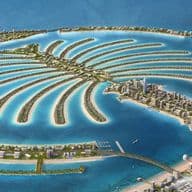
Palm Jumeirah: One of Dubai’s most recognisable luxury communities, Palm Jumeirah offers premium apartments, villas, and branded residences. Its waterfront location, limited land supply, and international profile make it particularly attractive to luxury property investors.
Get Your Free Dubai Investment Guide
Learn how to maximise returns and make informed decisions in Dubai’s property market.
The vast expanse of the Dubai real estate market means that there is a suitable property investment avenue for a wide range of buyers. Japanese investors can opt for ultra-luxury real estate in Dubai or find upcoming areas with more affordable properties and potential for capital appreciation.
With a diverse range of property types on offer, here are some popular property types Japanese investors can opt for in Dubai:
Studio apartment: Low entry barrier, healthy rental yields, lower management costs
1-3 bedroom apartment: Popular investment options due to their demand, typically offering healthy returns
Duplex: Premium property type, typically offering larger layouts and relatively limited supply
Townhouse: Preferred by many mid-level and experienced investors, and a popular option in family-friendly areas
Villa: Popular with families and long-term investors, with higher entry and maintenance costs

As you obtain a clearer picture of the Dubai real estate landscape, you will also understand the relatively straightforward property purchase process.
However, many first-time Japanese entrants in Dubai’s property market often work with real estate companies in Dubai to simplify and streamline the process. Here is a detailed guide on buying property in Dubai from Japan.
Carry out your due diligence and research on which properties you would consider investing in. Look into the overall property prices in Dubai, visa requirements, the property location, and more. That way, you can avoid any surprises before sealing the deal.
It is always recommended to hire a RERA-accredited real estate company in Dubai, as experienced agents can provide guidance on the market and property purchase process.
Figure out your financing for the property, whether it is an upfront payment, a mortgage, or a payment plan. Dubai offers mortgage options for non-resident buyers, while many developers offer flexible payment plans on off-plan properties too.
Once you have selected a property and agreed the terms with the seller, the buyer and seller will sign the sale agreement, commonly known as Form F or the Memorandum of Understanding (MoU). Buyers will usually pay a 10% deposit at this stage.
The required documents will then be prepared for the ownership transfer. Where applicable, a No Objection Certificate (NOC) will be obtained from the developer before the transfer takes place.
This is the last step in the process. Both parties will complete the property ownership transfer through the appropriate DLD registration process. Any pending payments will be made before the title deed is transferred into the name of the new owner.
One of the most important aspects of purchasing a property in Dubai is factoring in the various associated costs. Many overseas buyers may be unaware of additional fees that arise as part of the transaction or after they have purchased their property.
Understanding the costs of purchasing Dubai real estate is essential for better financial planning and selecting properties that fall within one’s budget.
Here is a breakdown of the costs you are likely to incur:
DLD fees: The standard property transfer fee is 4% of the purchase price.
Property registration fees: AED 2,000 + 5% VAT for properties priced below AED 500,000 and AED 4,000 + 5% VAT for properties priced at AED 500,000 or above.
Mortgage registration fees (if applicable): 0.25% of the mortgage value, plus applicable administrative fees.
Brokerage fees (if applicable): These depend on the company and services provided.
NOC fees (where applicable): These vary by developer.
DEWA charges: Connection and security deposit charges may apply.
Maintenance and service charges: These apply once you have bought the property and are generally payable on an ongoing basis.
There are typically three property financing pathways overseas buyers can select from when purchasing a property in Dubai:
Upfront payments
Property mortgage
Payment plans
Several banks in Dubai offer mortgage options for non-resident buyers, but it is advised to research them and speak with mortgage providers or an independent mortgage adviser to understand which option best suits your requirements.
Additionally, many off-plan property developments offer flexible payment plans wherein the buyer pays an initial amount and can continue paying the remaining instalments within a fixed period.
The availability of various pathways supports investor interest in the Dubai property market and can also lower the initial entry barrier, especially for first-time buyers.
As a Japanese investor, understanding the nuances of Dubai’s real estate market can be both fascinating and overwhelming. And if you want to cement your journey by finding the right luxury real estate in Dubai, explore upcoming areas with strong investment potential, find reasons why you should invest in Dubai, or anything in between, Engel & Völkers is here to facilitate your journey.
With over 45 years of expertise in global real estate, Engel & Völkers specialises in:
Tailored sessions to understand your specific property needs.
End-to-end solutions for your real estate requirements, from facilitating your documentation submission to negotiating property prices on your behalf.
Helping you understand Dubai’s real estate market.
In-depth property investment strategies to equip you for a long-standing, successful investment.
Find the answers to all your Dubai real estate questions with Engel & Völkers at +971 4 422 3500.

Find your place in Dubai
Explore curated homes and investment opportunities across Dubai’s most sought-after communities
Yes, Japanese citizens can buy property in Dubai’s designated freehold areas.
Yes, Japanese nationals live and work in Dubai as part of the city’s highly international population, which includes residents from more than 200 nationalities.
Yes, Japanese investors can earn rental income from property they own in Dubai, subject to the applicable property and rental regulations.
Dubai can offer attractive rental yields compared with many mature global property markets, although actual yields in both Dubai and Tokyo vary significantly according to the property type, location, purchase price, and rental demand.
Japanese residents may be liable for Japanese tax on income or gains from Dubai property, so investors should seek professional tax advice based on their individual circumstances.
Dubai can offer attractive opportunities for Japanese investors due to its tax environment, rental market, international appeal, and wide range of property investment options.
You may also be interested in




Contact



Engel & Völkers Dubai
7th Floor, Al Khail Plaza
Jumeirah Village Triangle, Dubai, UAE
Tel: +971 4 4223500