&w=1920&q=75)
How to Successfully Sell a Luxury Home
The new GG website: Inspiring personalities, extraordinary places and exceptional properties. Discover now
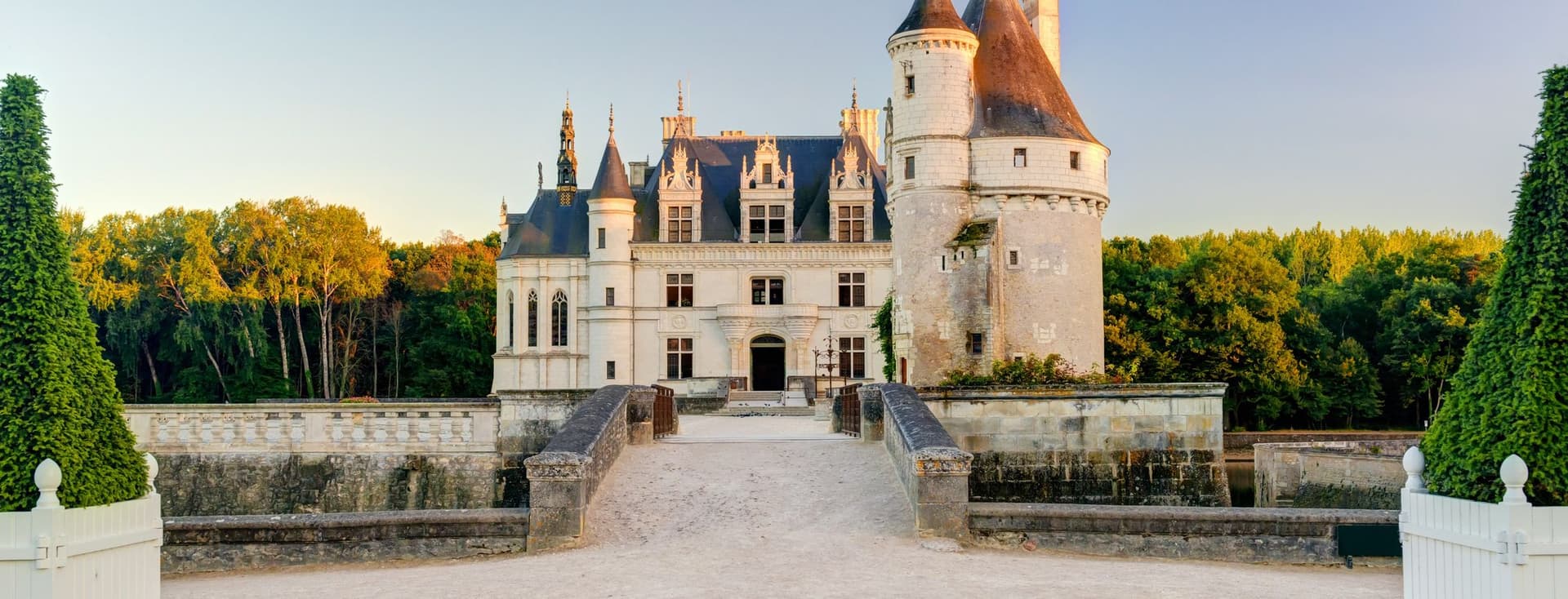
The terms château and manor house are often used interchangeably, especially in luxury real estate listings and popular imagination. However, they do not describe exactly the same type of property. Each reflects distinct historical origins, architectural characteristics, and functions. Understanding these differences is not merely a matter of terminology it helps buyers, investors, and heritage enthusiasts better assess a property's maintenance requirements, value appreciation potential, and associated constraints such as renovations, heritage protections, land management, and operating costs.
Table of Content
Château and Manor House: Distinct Etymological Origins
Architecture: The Most Visible Difference Between a Château and a Manor House
Contrasting Historical Functions
From the Middle Ages to Today: How the Differences Have Evolved
What About Fortified Houses, Gentlemen’s Residences, and Town Mansions?
Châteaux and Manor Houses in the French Luxury Real Estate Market
A Dynamic Market: How Should Buyers Approach Their Search ?
Investing in a Château or Manor House
The word château originates from the Latin castellum, which originally referred to a fortified structure. This military heritage explains why, in its traditional medieval definition, a château was designed for defense: protecting territory, controlling strategic routes, demonstrating power, and resisting attacks.
The concept of a fortress remains central to the château's identity, even though the term later expanded to include grand country residences and pleasure estates with little or no defensive function.
The term manor house derives from the idea of a dwelling or place of residence and historically referred to a home associated with a rural estate. Across many regions, manor houses were linked to local nobility and the management of agricultural lands, income-producing estates, and country life.
Unlike a château, the manor house was generally intended as a comfortable residence and administrative center for the estate rather than a military stronghold.
When people think of a medieval château, they typically imagine architecture designed for protection and endurance: towers, keeps, fortified walls, ramparts, moats, drawbridges, battlements, and arrow slits.
These features were originally functional rather than decorative, serving purposes such as surveillance, defense, and access control. Even when a château has undergone significant renovations over the centuries, traces of its defensive origins often remain visible through its layout, scale, strategic location, and architectural vocabulary.
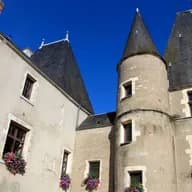
A manor house is generally characterized by a more residential and practical design. It typically includes a main residence accompanied by outbuildings such as stables, barns, agricultural structures, dovecotes, or decorative turrets.
Rather than prioritizing defense, manor houses emphasize comfort, hospitality, aesthetics, and integration with the surrounding estate, including courtyards, gardens, parks, orchards, and farmland.
During the Middle Ages, a château served far more than a residential purpose. It functioned as a command center where authority was exercised, justice could be administered, resources were stored, and territory was governed.
Even after military functions declined, châteaux often retained their role as symbols of prestige and influence through grand façades, monumental entrances, formal gardens, and carefully designed estates.
The manor house was more closely tied to everyday estate life. It served as the operational and residential heart of a rural property, overseeing agricultural activities and local economic organization.
Although manor houses could be highly refined and impressive, their primary role was not defense but rather the management and enjoyment of the surrounding estate. This remains part of their appeal today, offering a more approachable and lived-in form of prestige closely connected to gardens, landscapes, and nature.
Historically, many châteaux were built near towns, villages, strategic routes, river crossings, or naturally defensive locations. Manor houses, by contrast, were generally situated directly within rural estates and close to the lands they managed.
However, France offers countless exceptions. Many later pleasure châteaux were constructed in the countryside, while certain manor houses developed within urban environments as cities expanded over time.
As military threats diminished, many châteaux evolved from defensive structures into luxurious residences. Fortifications became less important, while architecture increasingly emphasized light, symmetry, comfort, entertainment, and landscape design.
Although many retained towers, moats, and other medieval features, their primary purpose shifted toward refined living and representation.
Over time, many historic properties have undergone substantial changes, including extensions, additional wings, converted outbuildings, modernized interiors, guest suites, swimming pools, and energy-efficiency upgrades.
As a result, some manor houses now resemble châteaux, while certain châteaux function much like country estates. Today, the distinction often depends on a combination of factors including historical origins, architectural style, scale, estate organization, and local history.
Several other categories enrich the vocabulary of historic real estate:
A semi-fortified aristocratic residence, generally smaller and less defensive than a traditional castle.
A noble country residence similar to a manor house, with greater emphasis on social status than architectural form.
A large bourgeois residence, often dating from the nineteenth century, characterized by generous volumes and prestige but not necessarily linked to nobility.
An exceptional urban residence, typically organized around a private courtyard and/or garden and commonly found in prestigious city districts.
Both châteaux and manor houses occupy a prominent place within France's luxury property sector. They combine heritage value, architectural significance, extensive grounds, outbuildings, remarkable living spaces, and often a strong emotional appeal.
At the same time, these properties present unique considerations, including renovation requirements, maintenance costs, energy performance, operational expenses, and potential heritage restrictions.
Rather than focusing exclusively on the label of "château" or "manor house," buyers often benefit from starting with their intended use:
Family residence
Hospitality business
Event venue
Heritage investment
Agricultural estate
Exceptional country home
Once the intended purpose is defined, it becomes easier to determine which property category best aligns with the project's objectives and long-term implications.
Acquiring a historic property requires a different approach from purchasing a standard residential home. Buyers must evaluate architecture, estate coherence, outbuildings, renovation needs, regulatory considerations, and potential heritage protections.
A successful acquisition depends on balancing lifestyle aspirations, investment objectives, preservation requirements, and long-term operational costs.
You may also be interested in


&w=1920&q=75)


A manor house can certainly be expanded and enhanced to achieve a more monumental appearance. However, becoming a château is not simply a matter of size. Historical origins, architectural vocabulary, location, and heritage significance all contribute to the designation.
Prices vary considerably depending on region, condition, living area, land size, outbuildings, and renovation quality. Buyers should also account for ongoing expenses such as maintenance, heating, security, restoration work, and regulatory compliance.
Historic designation can enhance a property's prestige and may provide access to specific preservation programs or incentives. However, it also introduces additional constraints regarding renovations, approvals, and maintenance standards. Careful evaluation of both benefits and obligations is essential before pursuing protected status.
Contact


Engel & Völkers France
170 Rue du Faubourg Saint-Honoré
75008 Paris
Tel: +33145643030