Issue
04/26
Location
Champagne/France
A dynasty shaped by time and patience, Maison Billecart-Salmon has been family-run since 1818 and is now led by its seventh generation. The house is driven by a centuries-old passion to embrace whatever nature unpredictably bestows. Year after year. We visit Champagne.
Green hills as far as the eye can see, covered in nothing but grapevines. The drive to Mareuil-sur-Aÿ takes us past countless vineyards, but upon arriving at the Billecart-Salmon estate, another plant immediately catches our eye. In the center of the well-tended French garden, a mighty chestnut tree stands guard over the courtyard. More than 200 years old, its roots reach down toward the Maison’s historic wine cellars below. The staff here are delighted to share the legend surrounding the tree: Because it has drunk nothing but champagne from the soil over the centuries, it has defied every disease. This charming story – one of many told – reminds us that wine is more than just a product here: It is the very foundation of life in the region.
In Champagne, the presence of the world’s finest sparkling wine is inescapable. Anyone who travels here and looks behind the scenes quickly comes to appreciate the immense work and dedication that goes into every bottle. At Billecart-Salmon, it all began in 1818 with a love story: the marriage of Nicolas François Billecart and Elisabeth Salmon. Their union gave rise to a champagne house that remains independent and family-owned to this day – a rarity in a region long dominated by large luxury conglomerates. In tribute to these origins, the brand’s most exquisite vintage cuvées still proudly bear the founders’ names.
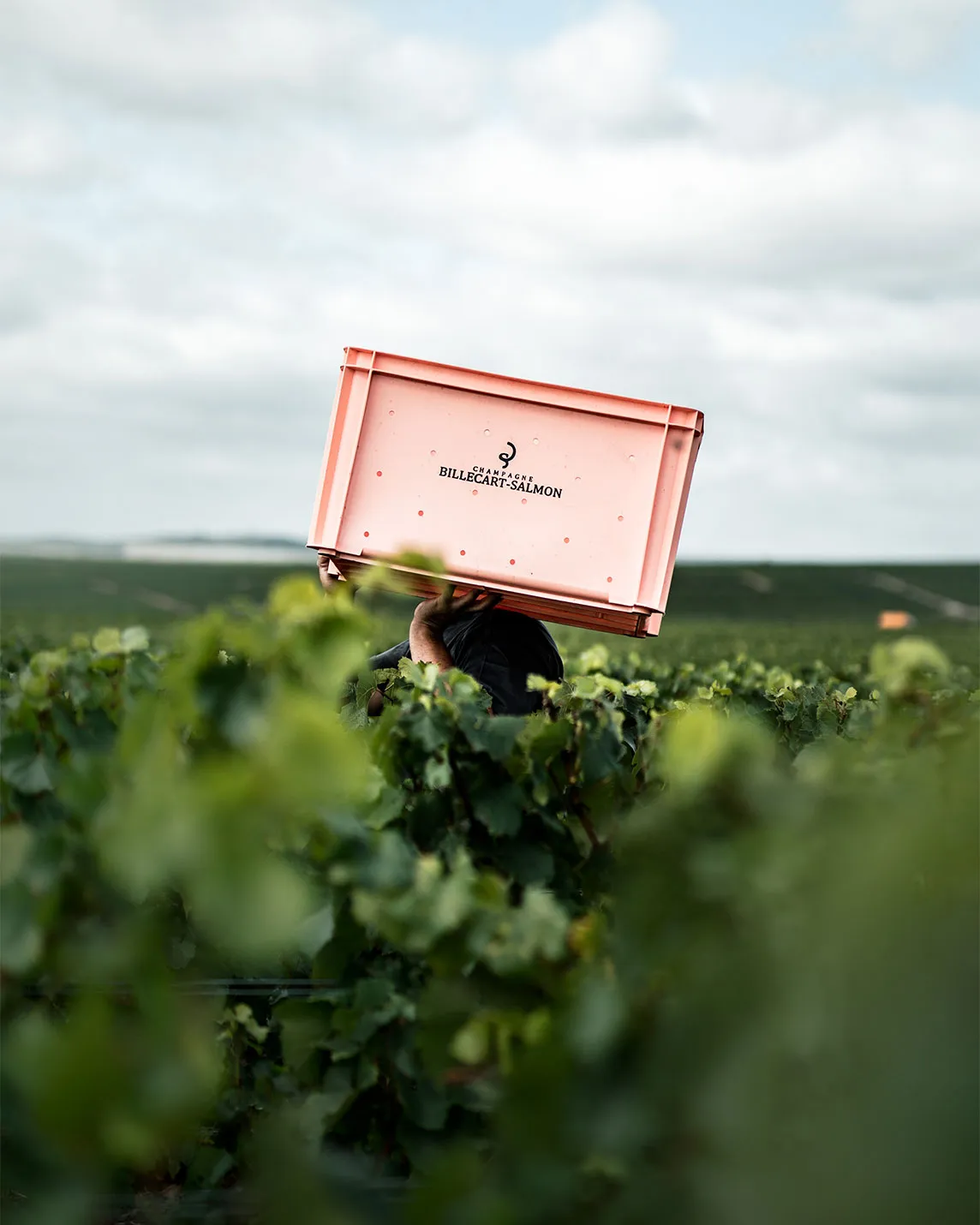
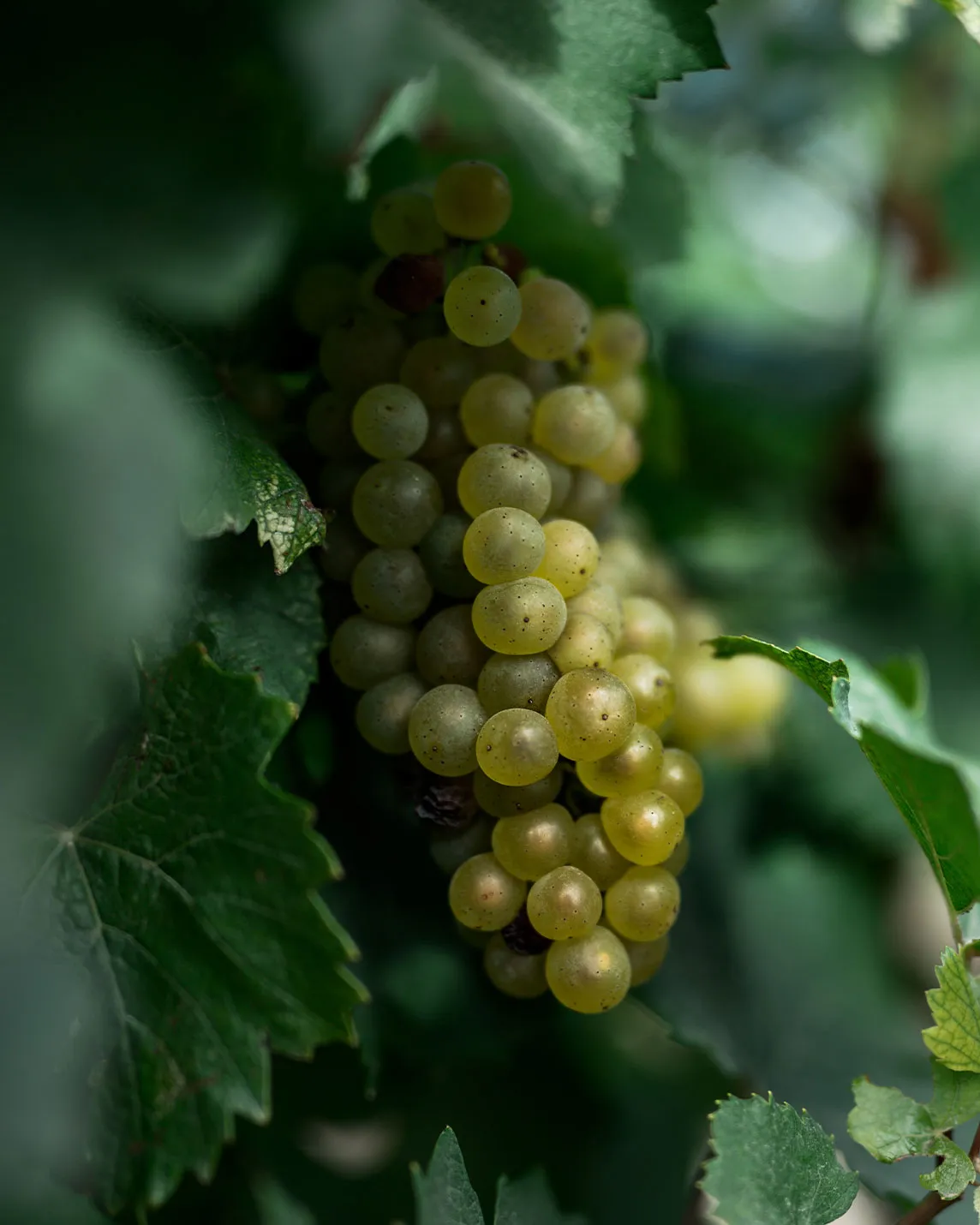
Just how deep the family’s roots run was highlighted by a poignant moment in late 2025, with the passing of Jean Roland-Billecart – affectionately known as “Monsieur Jean” – at the remarkable age of 102. His wife continues to live on the estate, maintaining the spirit of a man who spent decades revolutionizing the champagne house and its cellar techniques.
Today, the company is led by a new generation of family members. Anyone meeting Mathieu Roland-Billecart – CEO since 2019 and a seventh-generation family representative – and his cousin Antoine from the sixth generation, quickly forgets that they are at the helm of a multimillion-dollar global enterprise. Both men embody a charming, almost disarming down-to-earthness, and when they talk about champagne, their eyes light up. While Mathieu guides the legacy into the future with strategic acumen and visionary clarity, Antoine travels the globe as a passionate brand ambassador, bringing their champagne to tables from London to Sydney. Antoine shares his favorite anecdotes with boundless enthusiasm, evident in his lively expressions and sweeping gestures. Although they divide their responsibilities, they remain deeply united by the same passion.
Billecart-Salmon is not a brand that seeks to make a big splash; it eschews flashy marketing campaigns and aggressive discounts in favor of quiet restraint. Only a few visitors have the opportunity to look behind the scenes at the winery. There is no on-site hotel on the estate, which is not commercially open to the public. Those fortunate enough to enjoy the privilege of a visit, however, discover the art of hospitality and the renowned French art de vivre in its most authentic form.
In 2024, Billecart-Salmon commissioned French-American interior designer Elliott Barnes and architect Vincent Fierfort to redesign the historic estate’s headquarters and its adjacent guesthouse, which contains just two exclusive suites.
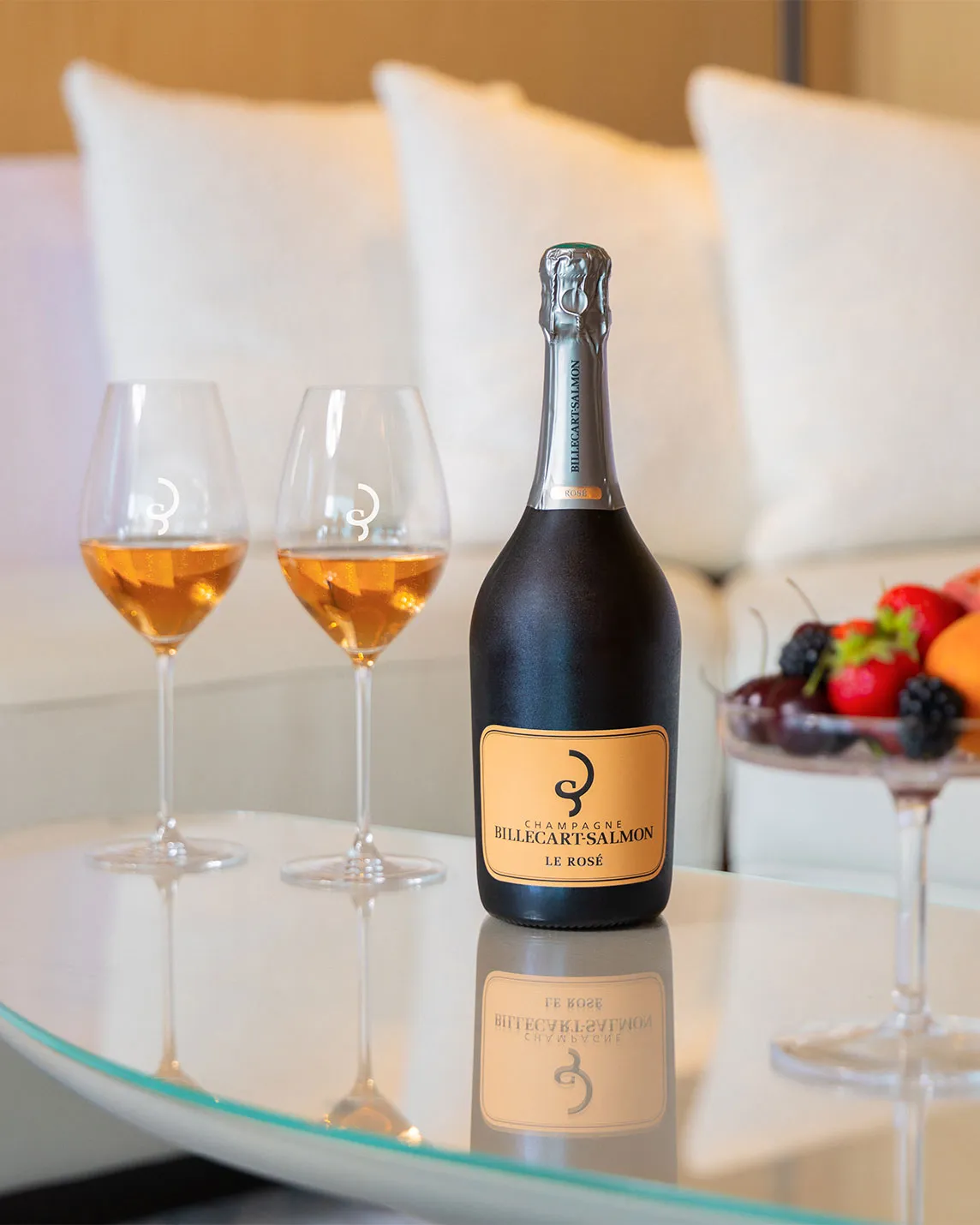
In the evening, the family invites guests to dinner, where Executive Chef Benjamin Gilles serves French creations perfectly paired with selected champagnes. The evening flies by, and at the end of it, five different bottles grace the table, including the iconic, salmon-hued Le Rosé and a vintage from the guest’s birth year. Whether this is an exceptionally thoughtful gesture or simply a happy coincidence remains a well-guarded secret. It is in moments like these that the house’s philosophy becomes tangible. As Mathieu Roland-Billecart beautifully sums up: “Authenticity is the true future of luxury. It’s one of the few things you can’t buy.”
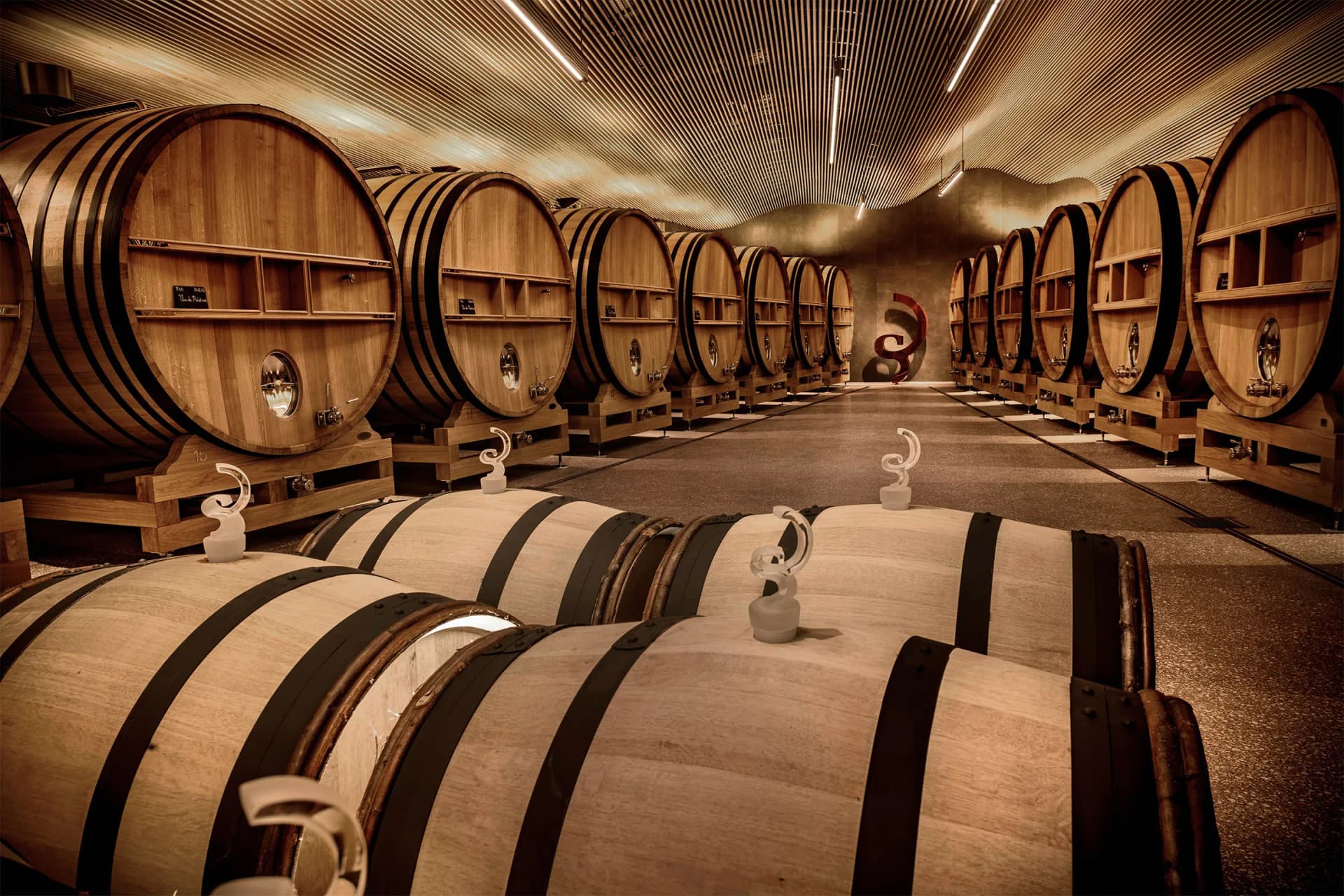
Producing approximately two million bottles annually, the Maison is regarded within the industry as a refined, mid-sized gem. The family has remained steadfastly loyal to its motto for generations: “Prioritize quality, strive for excellence.” Here, true luxury is defined by patience. While regulations require a minimum aging period of fifteen months for champagne, these bottles mature in underground chalk cellars for three to fifteen years before finally revealing their signature finesse.
Authenticity is the true future of luxury. It’s one of the few things you can’t buy.
This radical commitment continues throughout the winemaking process. The house relies on a historic method originally introduced by "Monsieur Jean": controlled cold fermentation at a maximum temperature of 13 ºC, followed by precise cold clarification. The secret of this method could be described as “absolute deceleration.” More conventional, warmer temperatures accelerate fermentation, but they also stress the yeasts. This can destroy the grapes' delicate, volatile aromatic compounds. Billecart-Salmon cools the grape juice to the absolute biological limit; any lower than 12 ºC and fermentation would cease entirely. By fermenting at exactly 13 ºC, the yeasts work at an exceptionally slow pace, which yields unparalleled clarity of flavor. This is supported by cold clarification, which allows suspended solids to settle naturally, preserving the wine's integrity without the need for rigorous filtration. The result is never a heavy, boisterous wine, but rather a style characterized by crystalline freshness, precision and the elegance of the fruit.
This attention to detail can also be seen directly behind the historic manor house. The old stone wall encloses the Clos Saint-Hilaire – the word "Clos" has a specific meaning in Champagne. It refers to a vineyard that is traditionally surrounded by walls, creating a unique, protected microclimate. Only about forty of these rare plots exist in the entire region. At Billecart-Salmon, this one-hectare vineyard symbolizes the ecological heart of the Maison. The site of the old vegetable garden where the first Pinot Noir vines were planted in 1964 is now teeming with life. The plot is a haven of biodiversity. Here, bees make their home in old wine barrels, while sheep graze peacefully among the rows to naturally fertilize the soil after the fall harvest. Then, in the spring, horses gently plow the earth, turning the soil deep beneath the surface. This painstaking work serves a clear purpose: to encourage the vines’ roots to reach deep into the crumbly, chalky soil, drawing on the terroir’s minerality and producing smaller, highly concentrated grapes.
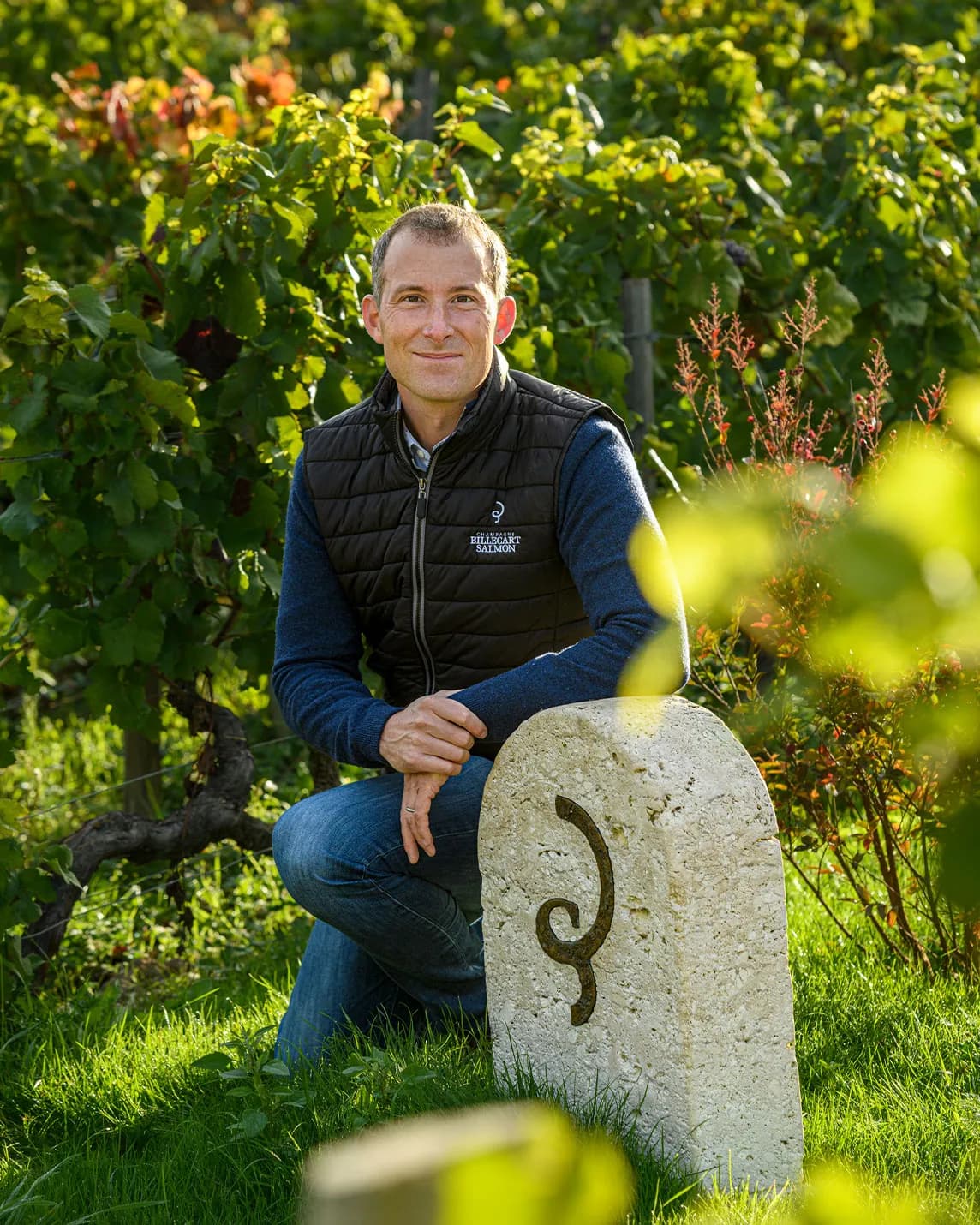
Clos Saint-Hilaire – named after the community’s patron saint – achieved organic certification in 2022 and became biodynamically certified in 2024. Depending on the whims of nature, this exclusive microcosm yields just 3,500 to 6,500 bottles each year. A tiny fraction of the house's total production, it stands as the purest expression of Billecart-Salmon's philosophy: allowing nature the time it needs.
As the years pass and the vines continue to grow undisturbed, the life of a winemaker remains an exercise in humility. No one knows what whims the weather gods will bring this year or next, nor what challenges await in the vineyard. Winemaking begins with accepting whatever nature offers and, through skill and patience, transforming it into excellence. That same acceptance of uncertainty extends to the stewardship of the Maison.
While Billecart-Salmon's long-term future appears secure, it remains undecided who will take the helm next. The family follows a strict meritocratic principle: succession is not determined by the surname. Responsibility will be entrusted to the most capable person of the next generation. This philosophy is rooted in a long-term vision, shaped by the understanding that the Maison's future is about more than the descendants of its founding family. It also reflects a deep sense of responsibility toward the local community – the hundred families whose livelihoods have long been intertwined with the estate. For Mathieu Roland-Billecart, however, there is still plenty of time to shape the future of the brand while remaining true to its heritage. It is a mission driven by a deeply personal aspiration: "I want to make a champagne so good that it brings tears of joy to your eyes."
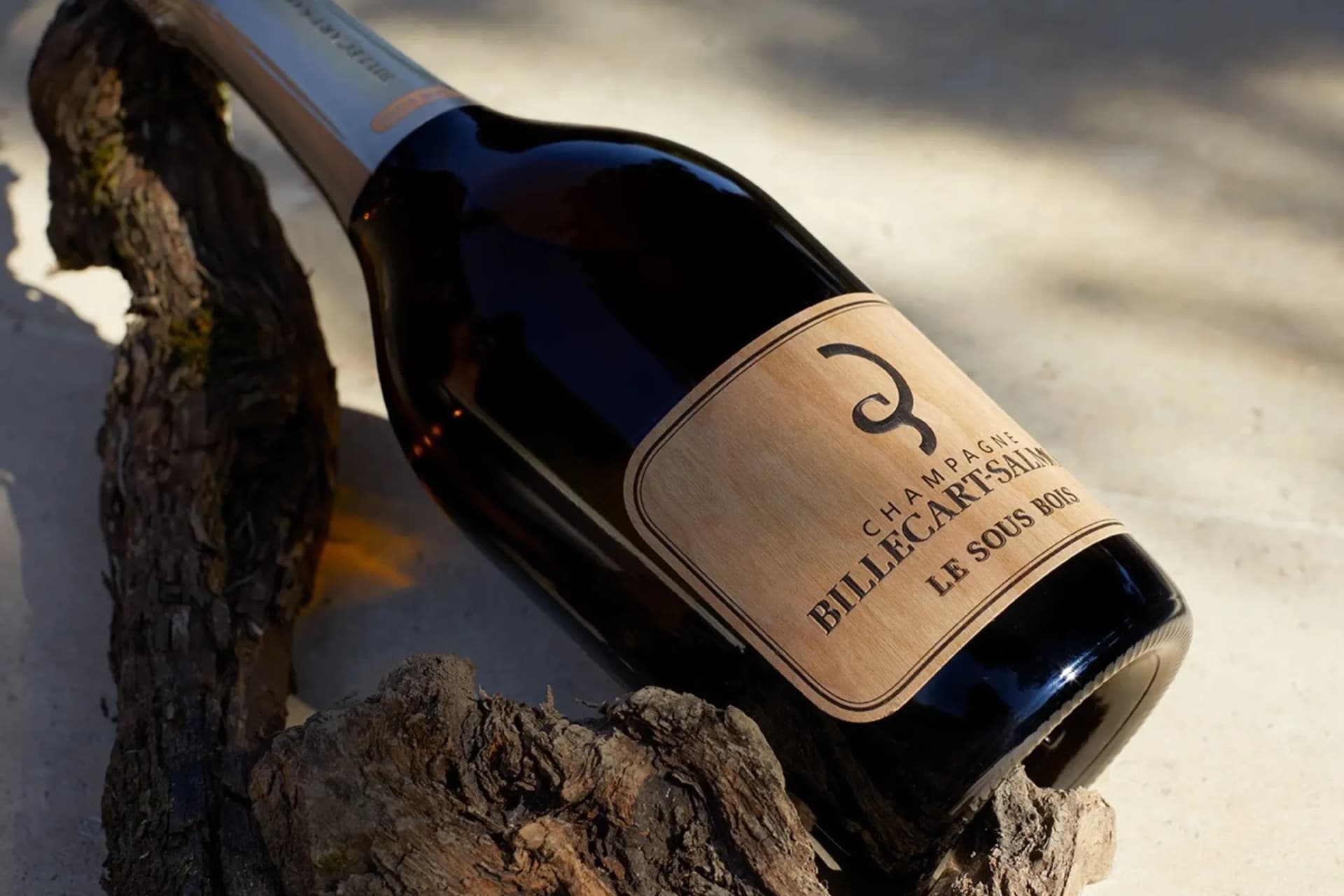
The Highlights of the 2026 Winter Season
The Sous Bois is one of Billecart-Salmon’s most iconic cuvées and is vinified entirely in oak – a technique reflected both in its name and its wooden label. This champagne is composed of the region’s three classic grape varieties: Chardonnay from the Grand Crus of the Côte des Blancs, Pinot Noir from the Montagne de Reims, and Pinot Meunier from the Vallée de la Marne.
The Clos Saint-Hilaire 2008 embodies the patience and craftsmanship of the House. Vinified entirely in oak casks, it ripens for a full 194 months on the lees. Only 4,000 bottles were produced of this extraordinary vintage.
The Ratafia reveals yet another facet of Champagne’s rich winemaking heritage. Crafted exclusively from Pinot Noir harvested in the Clos Saint-Hilaire, it blends four vintages spanning from 2019 to 2022. This strictly limited edition marries Fine de Champagne with expressive Pinot Noir fruit, aged in traditional Burgundian oak barrels.
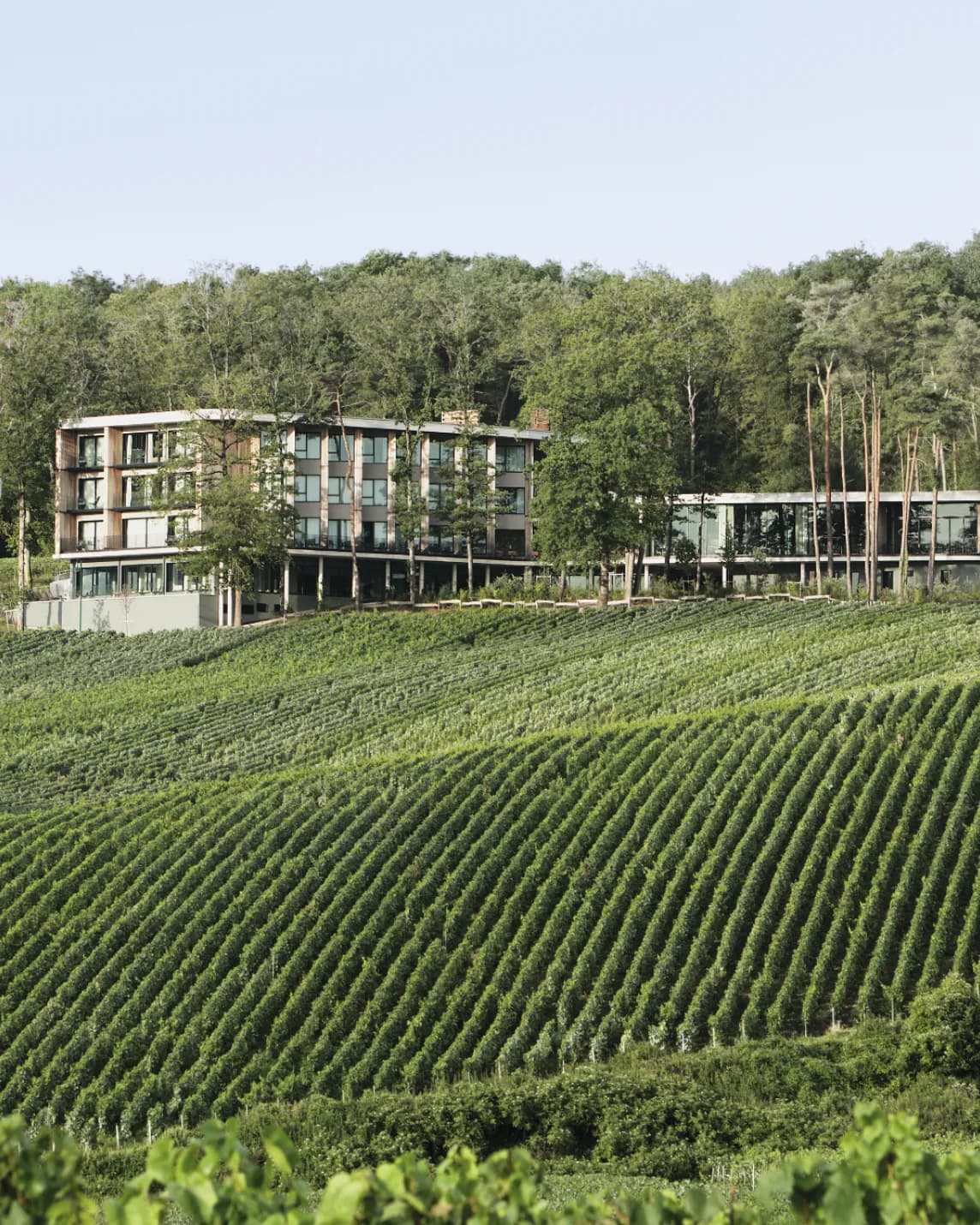
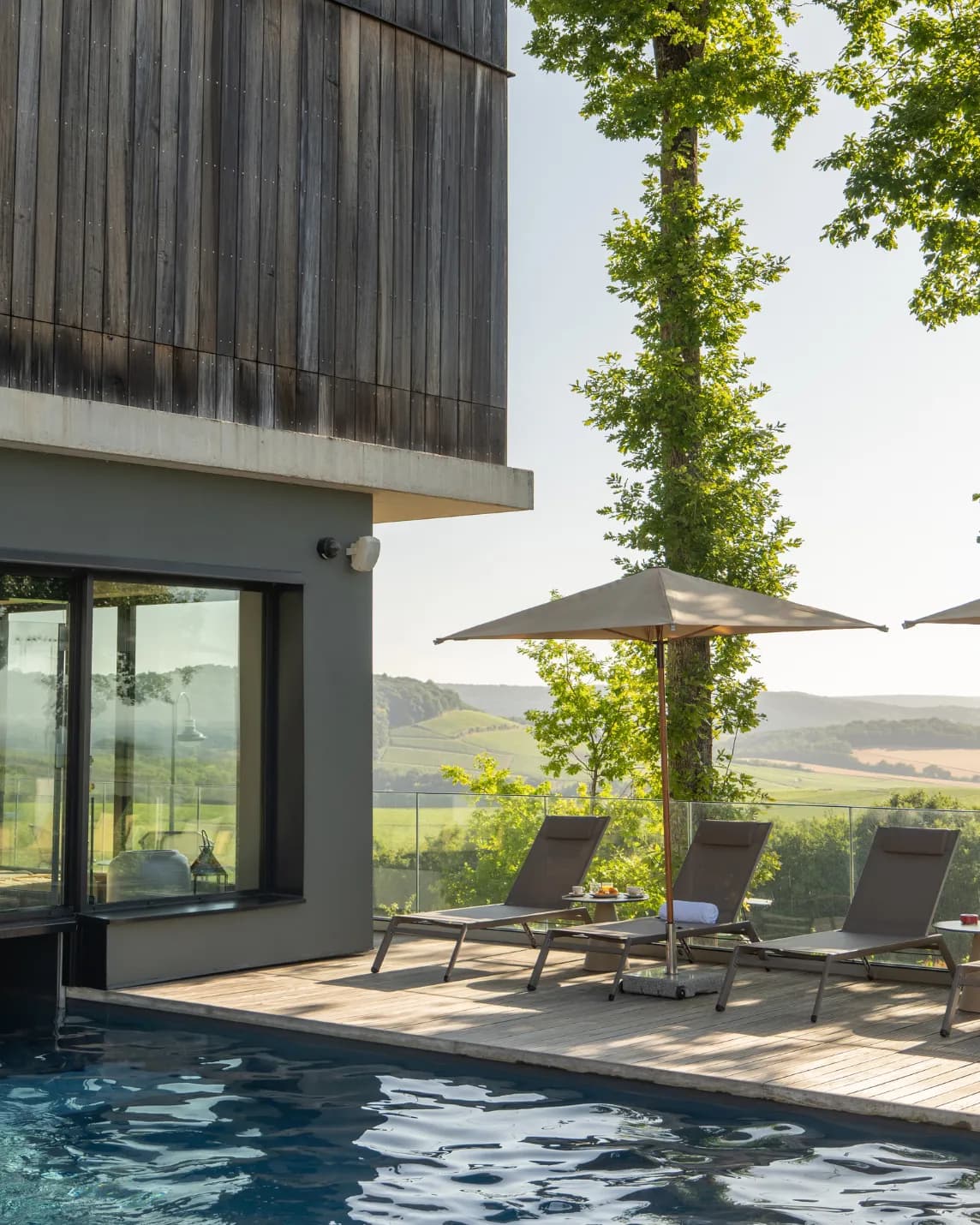
A visit to Champagne
If you’re planning a trip to the famous French wine region, we recommend these hotels:
LOISIUM
Minimalist design in the heart of wine country. The perfect starting point for a private discovery tour.
ROYAL CHAMPAGNE
A stately grand hotel with a Michelin-starred restaurant. The panoramic terrace overlooks Épernay and the Marne Valley.

Merle Wilkening
As a Senior Editor at GG Magazine, Merle Wilkening writes about the people, places, and ideas that shape our world. She is most in her element interviewing personalities who speak about their passions with genuine enthusiasm. Driven by curiosity, her travels regularly take her toward the sun in search of unique encounters and the stories behind the world’s most captivating destinations. Her culinary pursuits range from local neighborhood gems to Michelin-starred dining.
Email