Invest Smart in Abu Dhabi
Discover leading real estate opportunities in Abu Dhabi. Speak with an Investment Consultant today.
Access exclusive properties and get in touch for personal advisory: Explore Private Office.
Key Takeaways:
Abu Dhabi’s property market entered 2026 on strong footing, supported by record transaction volumes, rising demand and investor-friendly policies.
According to ADREC, the market recorded AED 142 billion in total real estate transactions in 2025, with residential sales reaching AED 76 billion.
Rental yields remain competitive at 5–8%, while controlled supply growth continues to support long-term value.
Strong infrastructure investment, economic diversification and rising foreign buyer participation are reinforcing market stability and long-term appeal.
Abu Dhabi is a city that has undergone a quiet transformation over the past few years, strengthening its position as a cultural, economic, tourism and technological hub within the UAE. This broader progress is increasingly reflected in its real estate market, which has grown in both scale and maturity.
2026 is shaping up to be another important year for the Abu Dhabi property market. From growing rental demand to continued infrastructure investment and the expansion of master-planned communities, the emirate’s real estate sector is entering the year with strong momentum.
At the same time, it is important to separate credible market signals from overconfident forecasts. Investors need to understand which parts of the market are seeing the strongest demand, what structural trends are driving activity, and where the most compelling opportunities may lie.
This blog provides a detailed overview of the Abu Dhabi property market in 2026, covering current performance, rental yields, supply trends, high-performing areas and the broader outlook for investors.
Table of Content
Overview of the Abu Dhabi Property Market in 2026
Macro-Economic Indicators Impacting the Property Market
Residential Property Market Trends
Price Trends and Average Price Per Square Foot
Area-Wise Market Performance Breakdown
Rental Market Performance and Yields
Supply and Upcoming Developments
Foreign Investment & Buyer Demographics
Risks and Market Challenges
Market Forecast: What to Expect Beyond 2026
Investment Outlook: Is Now a Good Time to Invest?
Let’s begin with an overview of the Abu Dhabi property market in 2026. Following a standout year in 2025, the market has entered the new year with a strong base, supported by rising demand, continued economic expansion and investor confidence.
According to ADREC, Abu Dhabi recorded AED 142 billion in total real estate transactions in 2025, representing 44% year-on-year growth. Residential transactions alone reached AED 76 billion, up 67% from 2024, highlighting just how strong demand has become across the housing market.
This activity has been supported by wider structural growth. Abu Dhabi recorded 7.5% population growth and 7.6% non-oil GDP growth, both of which are important indicators for long-term housing demand. In addition, 56 new real estate projects were launched in 2025, expanding supply across a range of locations and price points.
The market is therefore attracting interest from a wide range of buyers. Whether investors are entering the market for the first time or expanding an existing portfolio, Abu Dhabi offers a more mature and increasingly well-regulated environment than many assume.
Several macro-economic indicators continue to shape Abu Dhabi’s property market and support its outlook beyond 2026.
One of the most important drivers is government-backed infrastructure investment. Abu Dhabi continues to invest in transport, connectivity and urban development, all of which strengthen the long-term appeal of residential communities and business districts. Better connectivity between major hubs, lifestyle destinations and employment centres helps support both end-user demand and rental demand.
Economic diversification is another major factor. Abu Dhabi’s economy is continuing to expand beyond oil, with increasing emphasis on sectors such as finance, healthcare, technology, education, logistics and manufacturing. This broadens the employment base and attracts a more diverse mix of residents, business owners and investors.
The city also benefits from investor-friendly structural advantages. These include 0% personal income tax, access to long-term residency through the 10-year UAE Golden Visa, and 100% real estate ownership in designated investment zones. Combined with Abu Dhabi’s reputation for stability and high quality of life, these policies strengthen confidence in the market’s long-term direction.
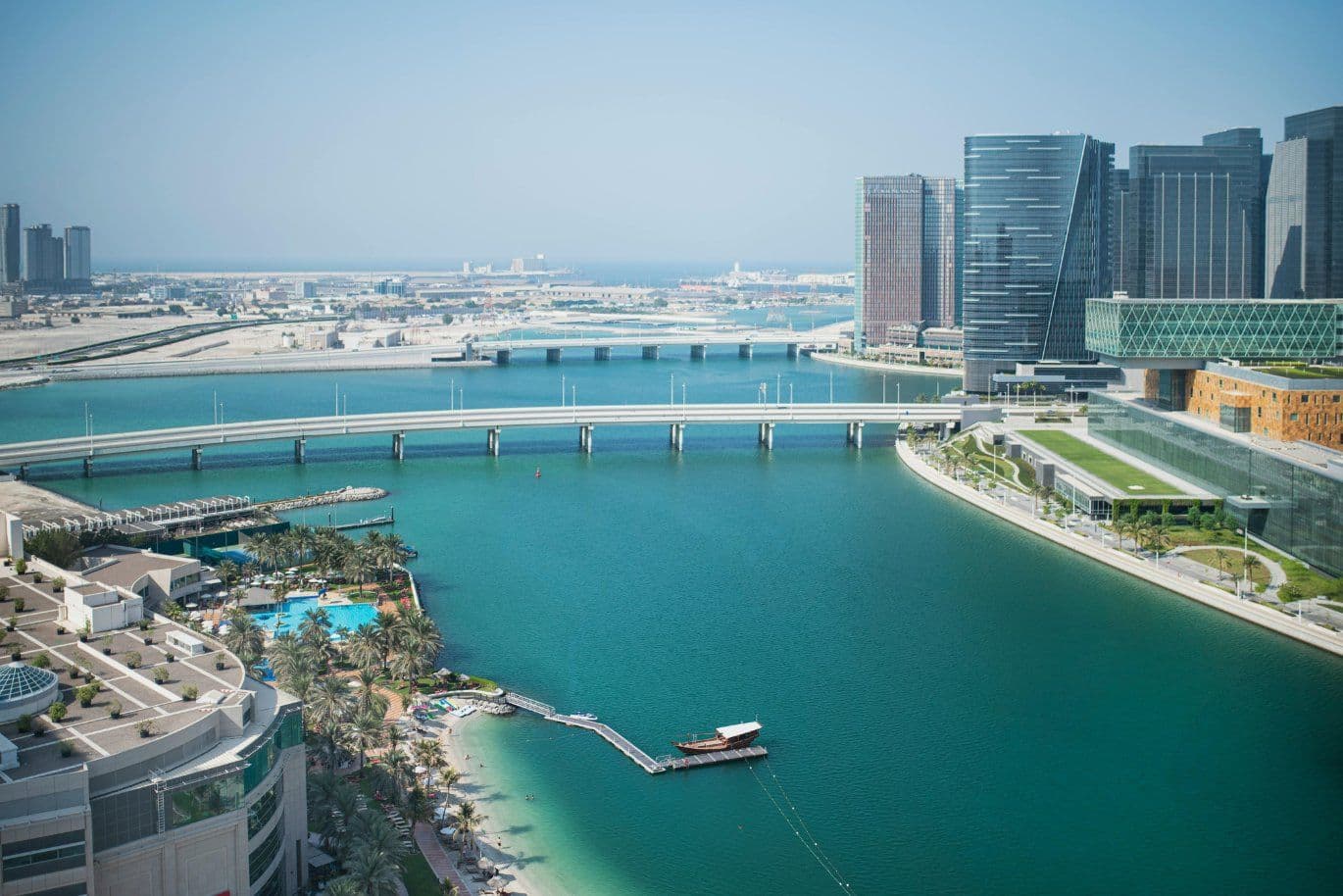
The Abu Dhabi residential property market remains one of the strongest-performing parts of the wider real estate sector.
A key trend is that demand continues to outpace supply. According to ADREC, occupied residential units grew by 6.6% between 2022 and 2025, while supply grew by only 2.8% over the same period. This suggests a tightening market, particularly across desirable and well-planned residential areas.
This imbalance is supporting both rental performance and price resilience. It also helps explain why the market has continued to attract attention from both end-users and investors despite a growing pipeline of new projects.
Apartments remain a major part of the market due to their relative affordability, accessibility and strong appeal among both investors and renters. Villas, on the other hand, remain more limited in supply in prime areas and continue to benefit from demand from families and high-income buyers seeking more space and privacy.
Overall, the residential market in Abu Dhabi is not simply growing in volume. It is also becoming more structured, with stronger demand concentrated in locations that combine good infrastructure, community planning and lifestyle value.
The Abu Dhabi property market has also seen continued price support, although the picture varies meaningfully by area and asset type.
Rather than relying on broad projections such as “16% growth” or unsupported market-wide price forecasts, it is more useful to look at confirmed benchmark pricing and the wider supply-demand picture.
As of February 2026, benchmark pricing stood at:
Dubai
Apartments: AED 1,944 per sq ft
Villas: AED 1,916 per sq ft
Overall: AED 1,939 per sq ft
Abu Dhabi
Apartments: AED 1,924 per sq ft
Villas: AED 1,367 per sq ft
Overall: AED 1,783 per sq ft
This comparison highlights an important market dynamic. Apartment pricing in Abu Dhabi is relatively close to Dubai, but villa pricing remains meaningfully lower. That makes Abu Dhabi particularly attractive for buyers seeking more space or lower entry points in the villa and townhouse segment.
More broadly, the market’s price resilience is being supported by constrained supply growth and healthy occupancy levels rather than purely speculative sentiment.
The Abu Dhabi real estate market is made up of a number of established and emerging areas, each offering a different investment profile depending on whether the buyer is focused on rental yield, lifestyle appeal or long-term capital appreciation.
Yas Island remains one of Abu Dhabi’s most dynamic residential and lifestyle locations. Its blend of entertainment, hospitality and growing residential stock supports both rental demand and broader investor interest.
Saadiyat Island continues to stand out as a premium destination. With its cultural assets, luxury residential projects and limited high-end waterfront supply, it is often associated more with long-term capital appreciation than pure yield.
Al Reem Island remains a mature and active investment zone, combining centrality, strong apartment demand and a wide range of residential stock. It appeals to both investors and owner-occupiers seeking more accessible pricing than the ultra-prime segment.
Al Reef continues to attract buyers looking for relatively affordable entry points and stable rental performance. Its family-oriented positioning and established community profile support consistent tenant demand.
Masdar City offers a different proposition, with a stronger focus on sustainability, apartment-led supply and lower entry prices, making it relevant for first-time investors and budget-conscious buyers.
Taken together, these areas show that Abu Dhabi is not a one-speed market. Different districts are serving different investment strategies, which is one reason the market has become more appealing to a wider range of buyers.
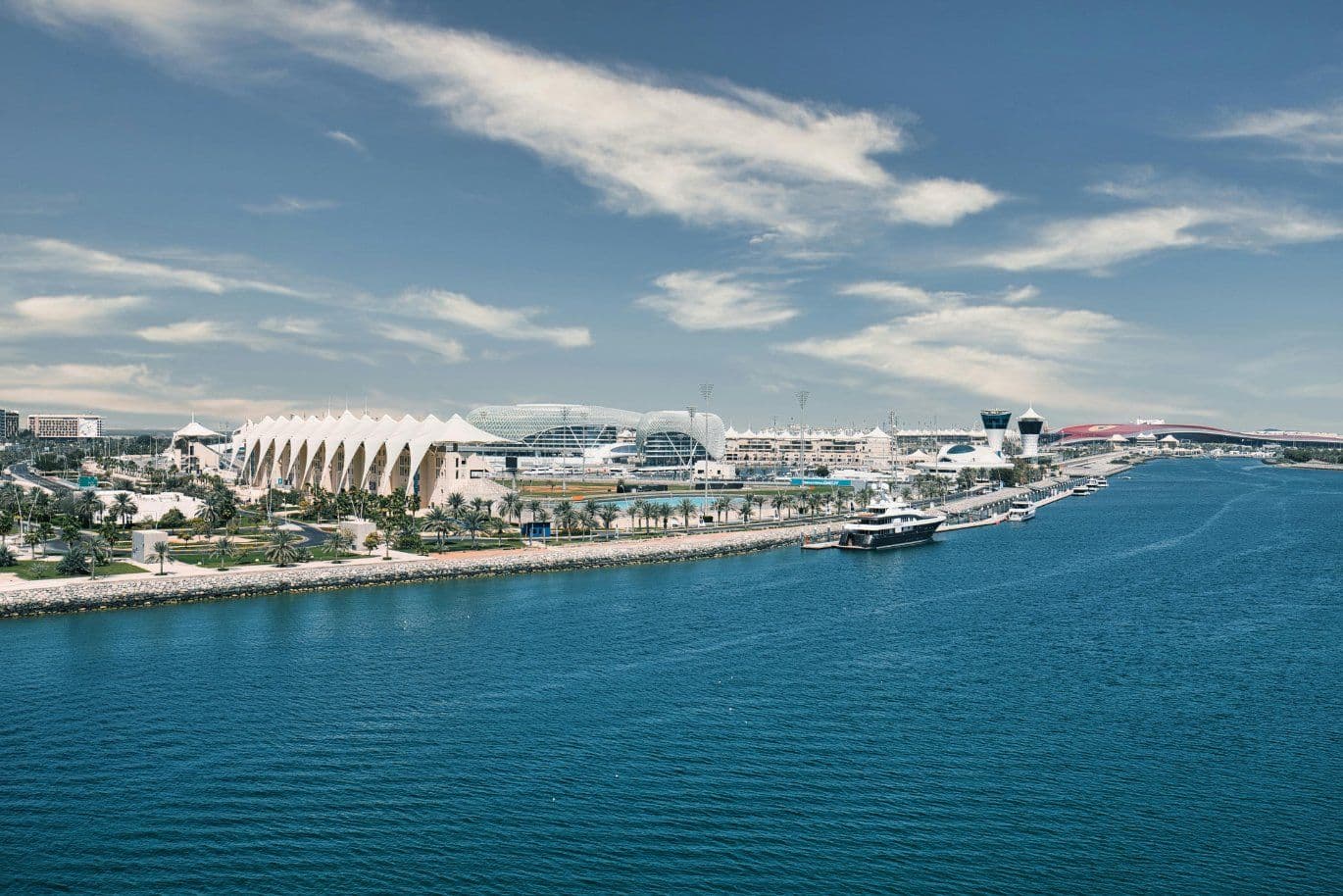
A key indicator of the strength of Abu Dhabi’s property market is rental performance. For many investors, rental yield remains one of the clearest ways to assess the attractiveness of a location or asset type.
Rental yields across the city generally range between 5–8%, which remains competitive compared with many global markets. Returns vary depending on area, asset type, unit size and tenant profile, but the broader market backdrop remains supportive.
This is because rental performance is being underpinned by a real supply-demand imbalance rather than short-term hype. As noted earlier, occupied residential units have grown faster than supply in recent years, helping to support occupancy, rental stability and landlord pricing power in stronger communities.
Rather than leaning too heavily on hyper-specific ROI figures that may not be consistently sourced, it is more accurate to say that Abu Dhabi’s rental market remains healthy overall, with the strongest performance typically found in well-connected, master-planned and relatively accessible communities.
Supply continues to expand across the emirate, but it is being delivered in a more controlled way than many external market commentaries suggest.
ADREC reported around 401,000 residential units across the emirate in 2025, with a projected 58,000 additional units by 2030. At the same time, future supply growth is expected to remain measured, helping the market avoid the kind of oversupply pressures seen elsewhere.
This matters because supply discipline is one of the clearest reasons the Abu Dhabi market has remained relatively stable. It is growing, but not in a way that undermines pricing or rental fundamentals.
Upcoming developments continue to be concentrated in master-planned communities, waterfront districts and large-scale mixed-use environments. These projects are not only adding units. They are also shaping the broader lifestyle proposition of the city, which in turn supports long-term residential demand.
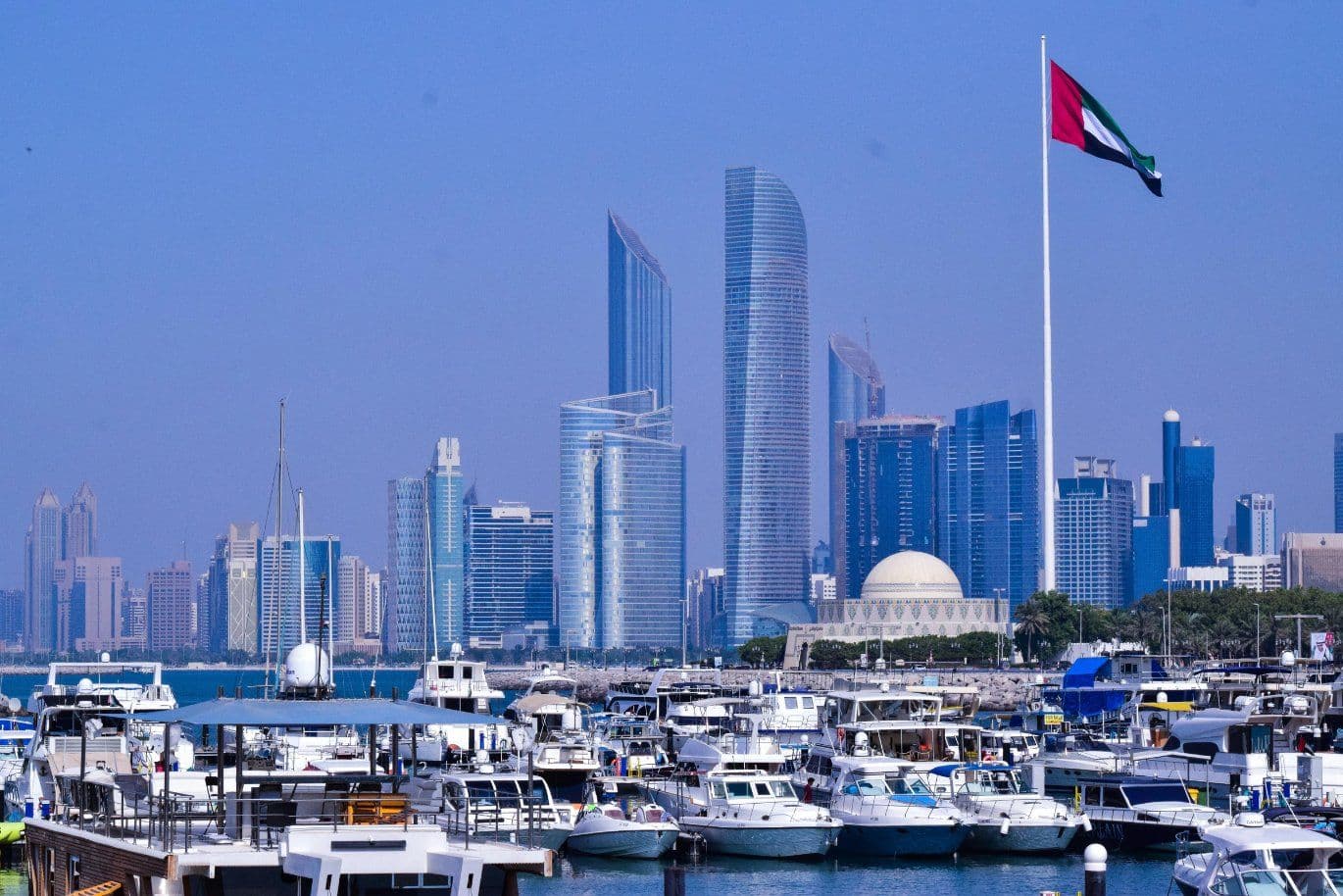
The Abu Dhabi property market is attracting increasing interest from both local and international buyers, and this is becoming a more important part of the market’s identity.
According to ADREC, resident foreign buyers and non-resident foreign investors accounted for 62% of residential unit sales in 2025. That is a meaningful figure because it shows that demand is not being driven solely by domestic buyers. The market is increasingly being supported by international capital and expatriate demand.
This trend has been strengthened by several factors, including residency incentives, full ownership in designated investment zones, improved regulation and stronger transparency. The launch of Abu Dhabi’s government-backed MLS platform, which eliminated 50,000 fake listings, also marks an important step in improving trust and data quality within the market.
The result is a buyer landscape that is becoming broader, more global and more resilient.
Like any other real estate market, Abu Dhabi is not without risks or challenges. Investors still need to assess the market carefully and avoid relying on general optimism alone.
One of the most important considerations remains off-plan delivery risk. While off-plan developments create attractive entry points and payment flexibility, buyers should still pay close attention to the developer’s track record, delivery timelines and project quality.
Another important factor is asset selection. Not every area or project will perform equally. The difference between a well-positioned property and a weaker one can have a significant impact on future rental performance and capital appreciation.
Finally, investors should remember that all real estate markets move in cycles. Abu Dhabi’s structural story remains strong, but returns will still depend on timing, asset quality and investment strategy.
Beyond 2026, Abu Dhabi’s property market is expected to continue growing, but likely in a measured and structured way rather than through speculative surges.
Long-term support is expected to come from several areas, including:
large-scale master-planned communities
continued infrastructure investment
the rise of premium and lifestyle-oriented real estate
growth in sectors such as finance, healthcare, technology, manufacturing and logistics
rising participation from international investors
The broader picture is that Abu Dhabi is becoming a more complete property market. It is no longer just an alternative to Dubai, but a market with its own strengths, particularly around stability, quality of life, planned growth and long-term value.
Wondering whether now is a good time to invest in the Abu Dhabi property market?
The market offers a compelling mix of competitive entry prices, stable rental yields, strong transaction growth and long-term structural support. It is particularly attractive to investors who value stability, gradual appreciation and a market that is expanding in a more controlled way.
For those looking to invest, the current environment offers a chance to enter a market that is already demonstrating maturity, but still has room for further growth as new communities, infrastructure and economic drivers continue to develop.
Given the number of variables involved in property investment, working with an experienced real estate partner can help make the process more efficient and better informed.
For your Abu Dhabi investment journey, Engel & Völkers can help you identify the right opportunities and support you with confidence as you navigate the city’s evolving property market.
Invest Smart in Abu Dhabi
Discover leading real estate opportunities in Abu Dhabi. Speak with an Investment Consultant today.
Property prices in Abu Dhabi have shown steady growth, supported by strong demand, population increases and controlled supply.
Yes, Abu Dhabi’s property market is supported by rising demand, infrastructure investment and long-term economic growth, which together reinforce market stability.
Historically, Abu Dhabi has offered a more stable and structured market, with comparatively lower entry prices across many segments, while Dubai has offered higher liquidity and transaction volumes.
Abu Dhabi real estate remains an attractive investment in 2026 due to investor-friendly policies, healthy rental yields, rising international interest and strong long-term market fundamentals.
You may also be interested in


Contact



Engel & Völkers Dubai
7th Floor, Al Khail Plaza
Jumeirah Village Triangle, Dubai, UAE
Tel: +971 4 4223500