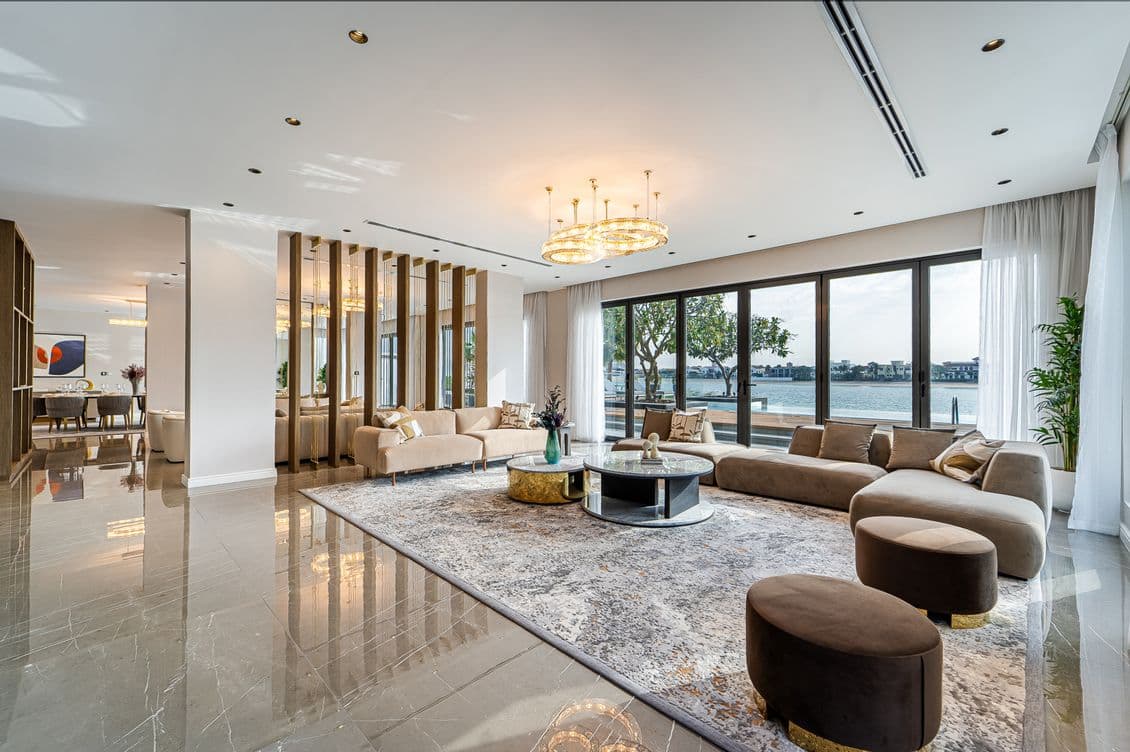
Buy Smartly in Abu Dhabi
Discover leading real estate opportunities in Abu Dhabi. Speak with an Real Estate Advisor today.
The new GG website: Inspiring personalities, extraordinary places and exceptional properties. Discover now

Key Takeaways:
Buying property in Abu Dhabi, UAE, is open to expats in designated freehold investment zones
A clear process includes property selection, agreement, NOC, and title registration
Total buying costs typically range between 6% and 8% of the property value
Working with a licensed real estate agent reduces risk and improves transaction efficiency
Buying property in Abu Dhabi UAE has become increasingly accessible for both residents and international investors, supported by clear regulations, strong infrastructure, and growing demand across key communities.
For those exploring whether they can buy property in Abu Dhabi as a foreigner, the answer is yes. Expats can purchase property in designated investment zones with full ownership rights, making the market more open than ever before.
However, while the opportunity is clear, the process requires a structured approach. From understanding ownership rules to budgeting for additional costs and navigating the legal framework, each step needs to be handled correctly to avoid delays or unnecessary risk.
This guide explains how to buy property in Abu Dhabi, covering ownership laws, costs, financing options, and the full step-by-step process. It is designed to give you a clear, realistic understanding of what to expect, whether you are buying a home or investing for long-term returns.
Table of Content
What Makes Abu Dhabi a Safe Haven for Property Buyers
Property Ownership Rules in Abu Dhabi
Step-by-Step Process of Buying Property in Abu Dhabi
Costs and Fees When Buying Property in Abu Dhabi
Mortgage Rules and Financing Options
Off-Plan vs Ready Property: What Buyers Should Know
Freehold Areas in Abu Dhabi
Common Mistakes to Avoid When Buying Property
Conclusion
Abu Dhabi offers one of the most stable and regulated real estate environments in the region, which is a key reason demand continues to grow among both end users and investors.
The market is underpinned by strong fundamentals. Government-backed infrastructure investment, a diversified economy, and long-term urban planning all contribute to sustained demand across residential and investment property segments.
From an investor perspective, the appeal is clear. Rental yields remain competitive compared to global markets, while price volatility is typically lower than in more speculative markets. This creates a more balanced environment where both income and capital preservation are achievable.
For buyers exploring buying property in Abu Dhabi UAE, legal clarity is another major advantage. Ownership laws are clearly defined, transactions are regulated through official authorities, and processes are structured to protect both buyers and sellers.
For a deeper understanding of current trends, pricing, and yields, refer to our Abu Dhabi Property Market Analysis 2026.
Understanding ownership rules is essential before you buy property in Abu Dhabi, particularly as an expatriate. Foreign buyers can purchase property in designated investment zones, with access to different ownership structures depending on the asset and location.
The most common form is freehold ownership, which grants full ownership of the property and allows the owner to sell, lease, or transfer it.
Other structures include:
Usufruct rights (long-term usage rights without full ownership)
Musataha agreements (development or usage rights over a fixed term)
Long-term leasehold arrangements
Recent regulatory changes have expanded foreign ownership rights, increasing accessibility and strengthening investor confidence.
If you are exploring whether expats can buy property in the city, the answer is yes, but only within approved investment areas of Abu Dhabi, which we will cover in more detail later.
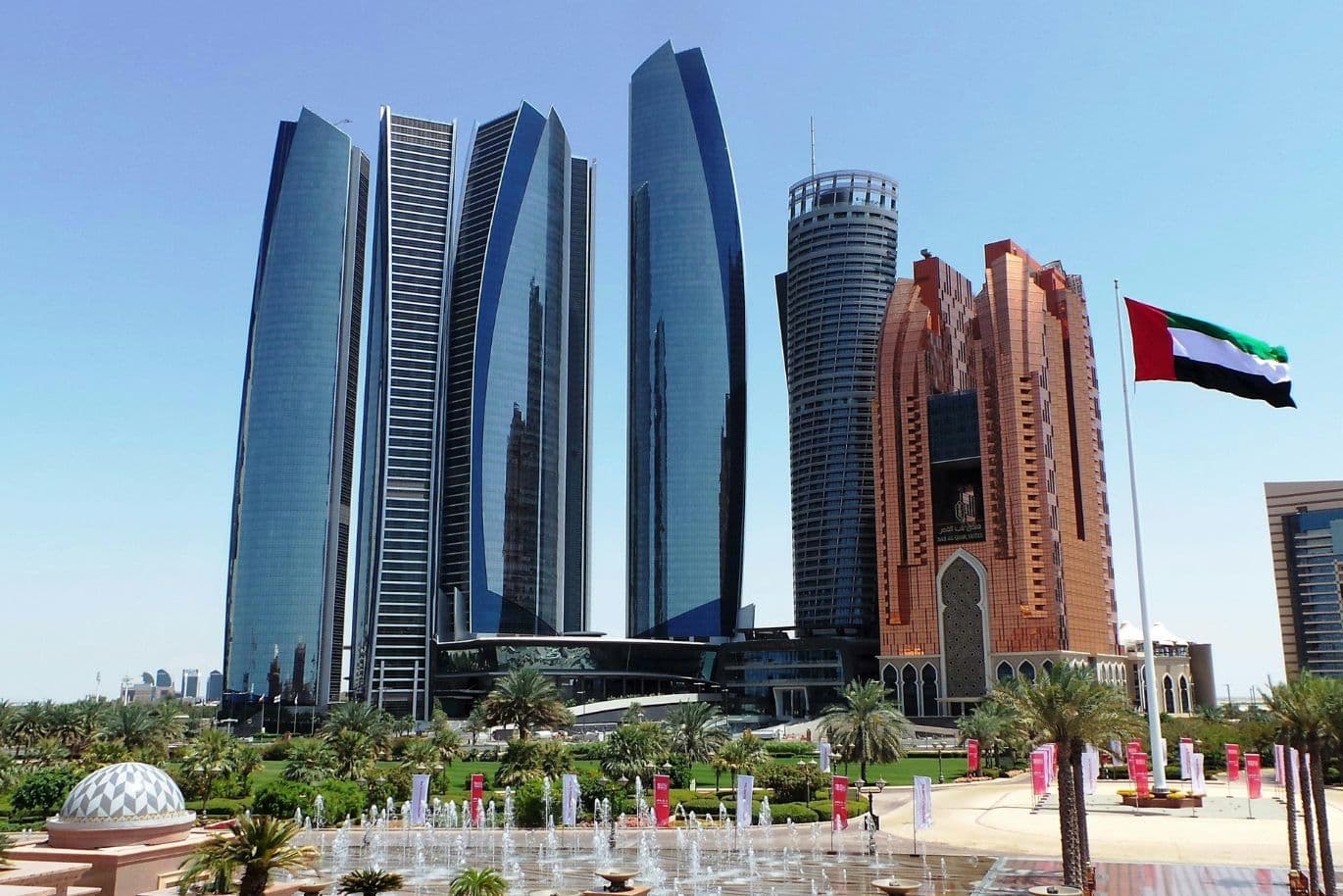
Buying property in Abu Dhabi is typically done in partnership with a licensed real estate advisor who manages the process, coordinates with various stakeholders, and ensures compliance at each stage. They should guide you through the following steps.
Before viewing properties, you need a clear understanding of your budget.
This includes your available deposit, mortgage eligibility if applicable, and additional costs such as fees and registration. Most expat buyers will need a minimum 20% down payment when financing.
A good advisor will help you align your budget with realistic options in the market, avoiding wasted time on unsuitable properties.
Once your budget is clear, the search phase begins.
Your advisor will shortlist properties based on your goals, whether that is end use, rental income, or long-term appreciation. This is where local knowledge becomes critical, particularly when comparing communities, developers, and future supply.
If you are exploring where expats can buy property in Abu Dhabi, your options will be focused on designated investment zones such as Yas Island, Saadiyat Island, and Al Reem Island.
Once you have selected a property, your advisor will negotiate terms and guide you through the agreement stage.
For secondary properties, this typically involves signing a Memorandum of Understanding and paying a deposit, usually around 5–10% of the purchase price.
For off-plan properties, you will sign a Sales and Purchase Agreement directly with the developer, with payment terms structured across construction milestones.
Before transfer, a No Objection Certificate (NOC) must be issued by the developer.
This confirms that all service charges and obligations linked to the property have been settled. At this stage, your advisor will also ensure all documentation is in order and that there are no legal issues affecting the transaction.
The final step is the official transfer of ownership through the relevant Abu Dhabi authorities.
All parties meet to complete the transaction, settle outstanding payments, and register the property. Once completed, the title deed is issued in your name, confirming legal ownership.
After completion, there are a few final steps to manage.
This may include setting up utilities, registering with community management, and preparing the property for occupancy or rental. If the purchase is investment-focused, your advisor can also support with a leasing strategy and tenant placement.
When buying property in Abu Dhabi, you should budget an additional 6% to 8% of the property value on top of the purchase price.
These costs are standard across most transactions and should be factored in early to avoid delays.
Property registration fee: Typically 2% to 4% of the property value - often split between buyer and seller
Agency commission: 2% for secondary market transactions
NOC fee: Usually AED 500 to AED 5,000, depending on the developer
Mortgage fees (if applicable): Around 1% of the loan amount plus bank charges
Service charges: Annual maintenance fees depending on the property and community
Many buyers underestimate buying costs by focusing only on the deposit. In reality, these fees are a fixed part of buying property in Abu Dhabi and need to be prepared in advance.
Working with an experienced real estate advisor ensures full cost clarity from the start, reducing the risk of delays at the transfer stage.

Financing is widely available for those looking to buy property in Abu Dhabi, including expatriate buyers.
Most banks offer mortgages for both ready and, in some cases, off-plan properties, although terms and eligibility can vary.
Loan-to-value (LTV): Expats can typically borrow up to 80% of the property value, meaning a minimum 20% deposit is required
Loan tenure: Usually ranges from 5 to 25 years
Eligibility: Based on income, employment stability, and credit profile
Pre-approval: Strongly recommended before starting your search to define your budget and strengthen your position as a buyer
Mortgages are more commonly used for ready properties, where ownership can be transferred immediately.
For off-plan purchases, developers often provide structured payment plans during construction, with mortgage options sometimes available closer to completion.
One of the first decisions when buying property in Abu Dhabi is whether to purchase off-plan or a ready property. Both options serve different objectives and come with different risk and return profiles.
| Property Type | Off-Plan | Ready Property |
|---|---|---|
Structure | Off-plan properties are purchased directly from developers before construction is complete. | Ready properties are completed units that can be occupied or rented immediately. |
Finance Method | Offer flexible payment plans which spread the cost over the construction period. | Can either be financed in cash or using a mortgage, subject to eligibility. |
Advantages |
|
|
Considerations |
|
|
The choice between buying an off-plan or ready property in Abu Dhabi depends on your objective.
If you are focused on long-term growth and entering the market at a lower price point, off-plan can be effective. If your priority is income stability or immediate use, buying a ready property is usually the stronger option.
Many investors combine both approaches over time, using off-plan for appreciation potential ijn emerging communities, and ready assets for more immediate rental income and yield.
Expats can buy property in Abu Dhabi within designated freehold areas. Key areas include:
Yas Island
Saadiyat Island
Al Reem Island
Al Raha Beach
Masdar City
Each location offers a different mix of lifestyle, price points, and investment potential, so selection should align with your objectives. An experienced real estate advisor can help you to assess freehold areas in Abu Dhabi to find the right location for your goals.
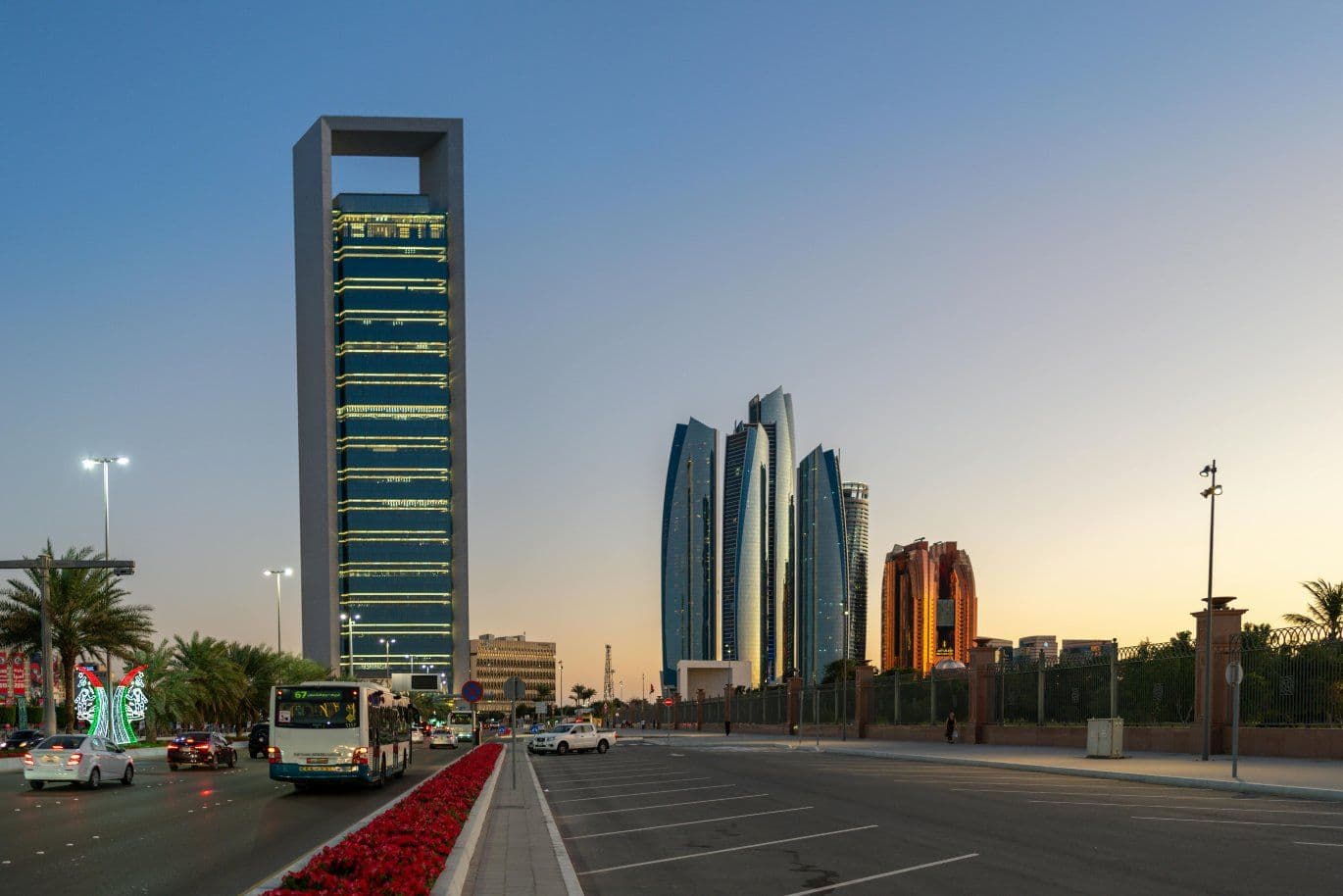
While buying property in Abu Dhabi UAE is a structured and transparent process, mistakes usually come from poor preparation rather than complexity.
Many buyers focus only on the purchase price and deposit, overlooking transaction fees and ongoing costs. When you buy property in Abu Dhabi, these additional expenses are fixed and should be planned from the start.
A common issue, particularly for first-time buyers, is not fully understanding where expats can buy property in Abu Dhabi and what ownership rights apply. This can lead to confusion or delays later in the process.
Starting your search without financing clarity can waste time and limit your ability to act quickly. Pre-approval gives you a clear budget and strengthens your position when making an offer.
Whether you buy property in Abu Dhabi as an end user or investor should shape your decision. Location, property type, and expected returns all need to align with your goal.
Trying to manage the process alone increases the risk of delays, missed details, or poor negotiation outcomes. Working with a licensed real estate advisor ensures the transaction is handled correctly from start to finish.
Buying property in Abu Dhabi UAE, is a structured and accessible process, but success comes down to understanding how the market operates and approaching each step correctly.
For those exploring whether they can buy property in Abu Dhabi as an expat, the opportunity is clear. Foreign buyers can access designated freehold areas with full ownership rights, supported by a regulated and transparent system.
However, the process goes beyond simply selecting a property. From budgeting and financing to legal requirements and transfer, each stage needs to be handled with clarity to avoid delays or unnecessary risk.
Whether you are looking to buy property in Abu Dhabi for end use or investment, working with an experienced advisor ensures you make informed decisions, access the right opportunities, and navigate the process efficiently.
With strong fundamentals, growing demand, and continued development across key areas, Abu Dhabi remains a compelling market for both lifestyle buyers and long-term investors.
Buy Smartly in Abu Dhabi
Discover leading real estate opportunities in Abu Dhabi. Speak with an Real Estate Advisor today.
Yes. Expats can buy property in Abu Dhabi within designated freehold investment zones, with full ownership rights.
Yes. Expats can buy property in Abu Dhabi within designated freehold investment zones, with full ownership rights.
For ready properties, the process typically takes 2 to 6 weeks, depending on financing and documentation.
Yes, provided you purchase from a reputable developer. Regulations and escrow requirements are in place to protect buyers.
Yes, provided you purchase from a reputable developer. Regulations and escrow requirements are in place to protect buyers.
You may also be interested in





Contact



Engel & Völkers Dubai
7th Floor, Al Khail Plaza
Jumeirah Village Triangle, Dubai, UAE
Tel: +971 4 4223500