Invest with long-term growth in mind
Identify Dubai properties with strong capital appreciation potential through expert, market-led advice from Engel & Völkers.
The new GG website: Inspiring personalities, extraordinary places and exceptional properties. Discover now
Key Takeaways
Capital appreciation in real estate is the increase in a property’s market value over time, creating a potential return when the property is sold.
Dubai still offers strong capital appreciation opportunities, but investors need to be increasingly selective as the market moves away from broad-based growth.
Entry price, location, developer quality, future supply and end-user demand are among the most important factors when assessing appreciation potential.
Rental yield and capital appreciation are different components of investment returns, and properties offering the highest yields are not necessarily those with the strongest potential for value growth.
Understanding the meaning of capital appreciation is essential when assessing the long-term return potential of a property investment. Put simply, it is the increase in a property’s value between the time you buy and the time you sell.
Dubai has delivered significant property price growth in recent years, but identifying the next opportunities requires greater selectivity. Entry price, location, supply, developer quality and future demand can all influence how an individual property performs.
This guide explains how capital appreciation works and how to calculate it, before looking at the factors investors should assess and the areas of Dubai that could offer strong long-term appreciation potential.
Table of Content
What Is Capital Appreciation?
Capital Appreciation Formula and Calculation in Real Estate
Capital Appreciation vs Capital Gains
Capital Appreciation vs Rental Yield
How to Assess a Property’s Capital Appreciation Potential
Capital Appreciation in Dubai Real Estate
Areas in Dubai with High Capital Appreciation
Conclusion
Capital appreciation is the increase in a property’s market value over time. For property investors, capital appreciation is one of two main ways to generate a high ROI, alongside rental income. Rental income provides ongoing cash flow while you own the property, whereas appreciation increases the value of the asset itself.
Property values can also fall, so capital appreciation is never guaranteed. The potential for growth depends on factors including the price paid, location, supply and demand, developer and property quality, infrastructure development and wider market conditions.
In Dubai, understanding these factors has become increasingly important as the market moves from broad-based price growth towards more selective opportunities.
To calculate capital appreciation, subtract the property’s original purchase price from its current market value:
Capital appreciation = Current property value - Purchase price
For example, if you purchased a property for AED 2 million and it is now worth AED 2.5 million:
AED 2.5 million - AED 2 million = AED 500,000 capital appreciation
To calculate capital appreciation as a percentage:
Capital appreciation (%) = (Capital appreciation ÷ Purchase price) × 100
In this example:
(AED 500,000 ÷ AED 2 million) × 100 = 25%
This means the property has appreciated by 25% since it was purchased. For a more complete assessment of investment performance, investors should also consider rental income and transaction, financing and ownership costs.
Capital appreciation and capital gains are closely related, but they are not quite the same.
Capital appreciation is the increase in a property’s market value while you own it. Until the property is sold, that increase remains unrealised.
A capital gain is realised when the property is sold for more than its original purchase price. For example, a property bought for AED 2 million and later valued at AED 2.5 million has appreciated by AED 500,000. If it is then sold for AED 2.5 million, the capital appreciation becomes a realised capital gain.
Neither should be confused with return on the cash invested. If a property is purchased using a mortgage, leverage means an investor’s return on their own capital can be significantly different from the percentage change in the property’s value.
Capital appreciation measures how much a property’s value increases over time, while rental yield measures the income it generates relative to its value.
For example, a property worth AED 2 million generating AED 120,000 in annual rent has a gross rental yield of 6%. If the property’s value also rises to AED 2.2 million, it has achieved 10% capital appreciation alongside that rental income.
Neither is inherently better. Investors focused on regular income may prioritise rental yield, while those building wealth over the longer term may place greater emphasis on capital appreciation. Many investors look for a balance between the two.
Importantly, the highest-yielding properties are not always those with the strongest appreciation potential. Older, more affordable communities can offer attractive rental yields, while scarce properties in highly desirable locations may deliver lower yields but stronger long-term value growth.
No single factor determines whether a property will appreciate. Investors should assess the individual asset alongside the community, future supply and wider market before buying.
Key considerations include:
Entry price: The price you pay is fundamental. Compare the property with recent transactions, competing developments and similar properties rather than assuming a new launch represents good value.
Location: Established demand, connectivity, nearby amenities and access to employment and lifestyle destinations can support long-term property values.
Developer: The real estate developer's track record, build quality, delivery history and reputation can influence both buyer confidence and future resale demand.
Supply: Consider both existing properties and the future development pipeline. Limited supply can support price growth, while significant competing stock may constrain it.
End-user demand: Properties people genuinely want to live in can benefit from a deeper resale market and more sustainable demand.
Infrastructure and community maturity: New transport links, schools, retail, leisure facilities and wider infrastructure can increase an area’s desirability as it develops.
Property scarcity: Unique views, waterfront locations, larger plots, desirable layouts and property types with limited availability can command a premium.
Market conditions: Interest rates, population growth, economic performance and overall buyer sentiment can influence appreciation across the wider market.
Capital appreciation in Dubai real estate has been particularly strong in recent years, with property values rising significantly across much of the market since 2020. Population growth, international investment, limited supply in some established communities and strong demand for both prime and family homes have all contributed.
However, market conditions are evolving in 2026. Dubai is moving away from a period of broad-based momentum, when rising demand lifted values across a wide range of properties, towards a more selective market.
This does not mean the opportunity for capital appreciation has disappeared. Instead, what you buy and the price you pay are becoming increasingly important.
Properties with strong end-user demand, attractive entry prices and limited competing supply can continue to offer excellent long-term potential. Conversely, investors should be more cautious about assuming that every new launch or off-plan property will appreciate simply because the wider Dubai market has performed strongly.
For investors, this makes detailed research into the individual property, developer, location and future supply pipeline increasingly important when assessing potential returns.
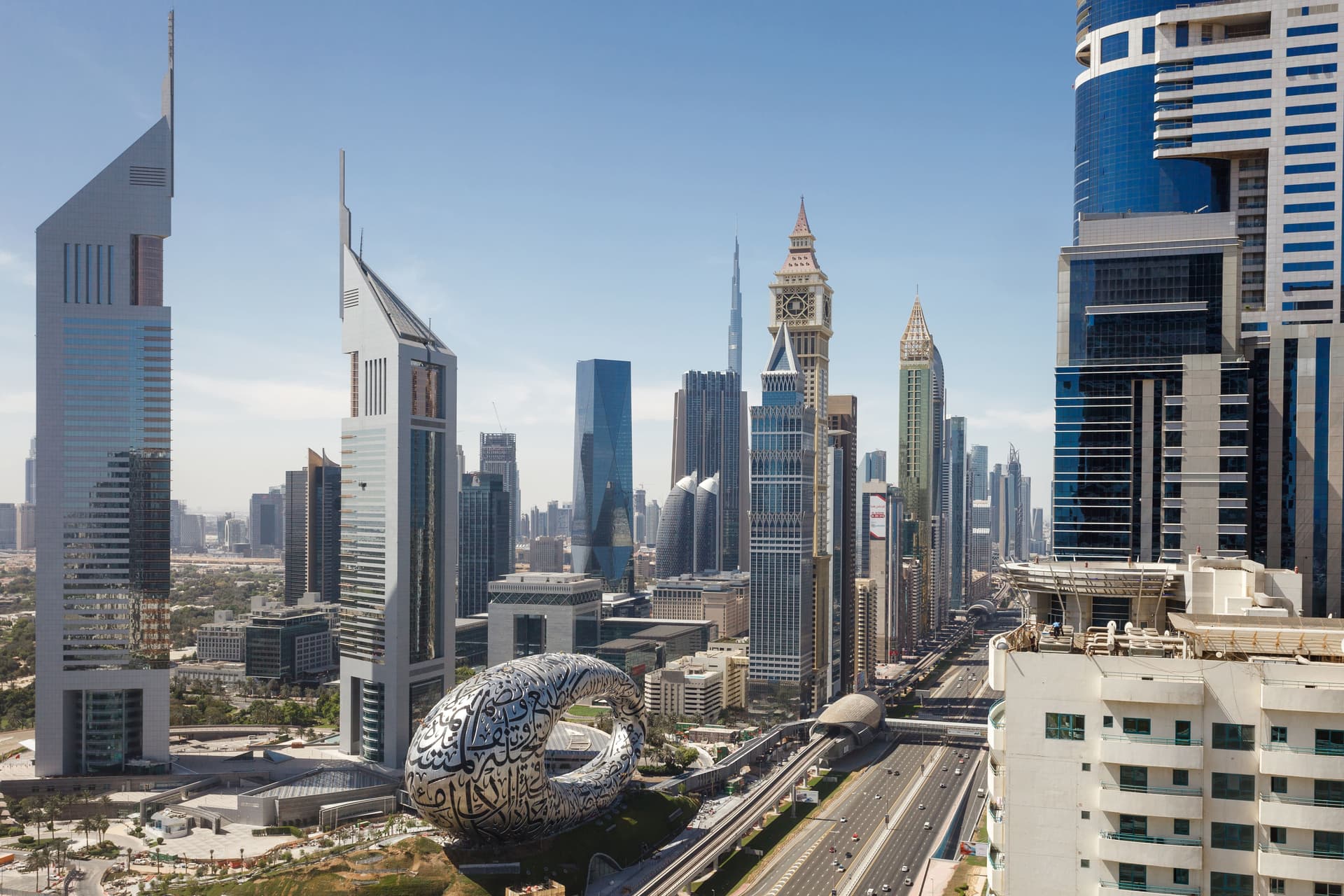
There is no single list of Dubai properties with the highest capital appreciation potential, and future performance cannot be guaranteed. However, certain types of locations can offer particularly strong characteristics for long-term value growth.
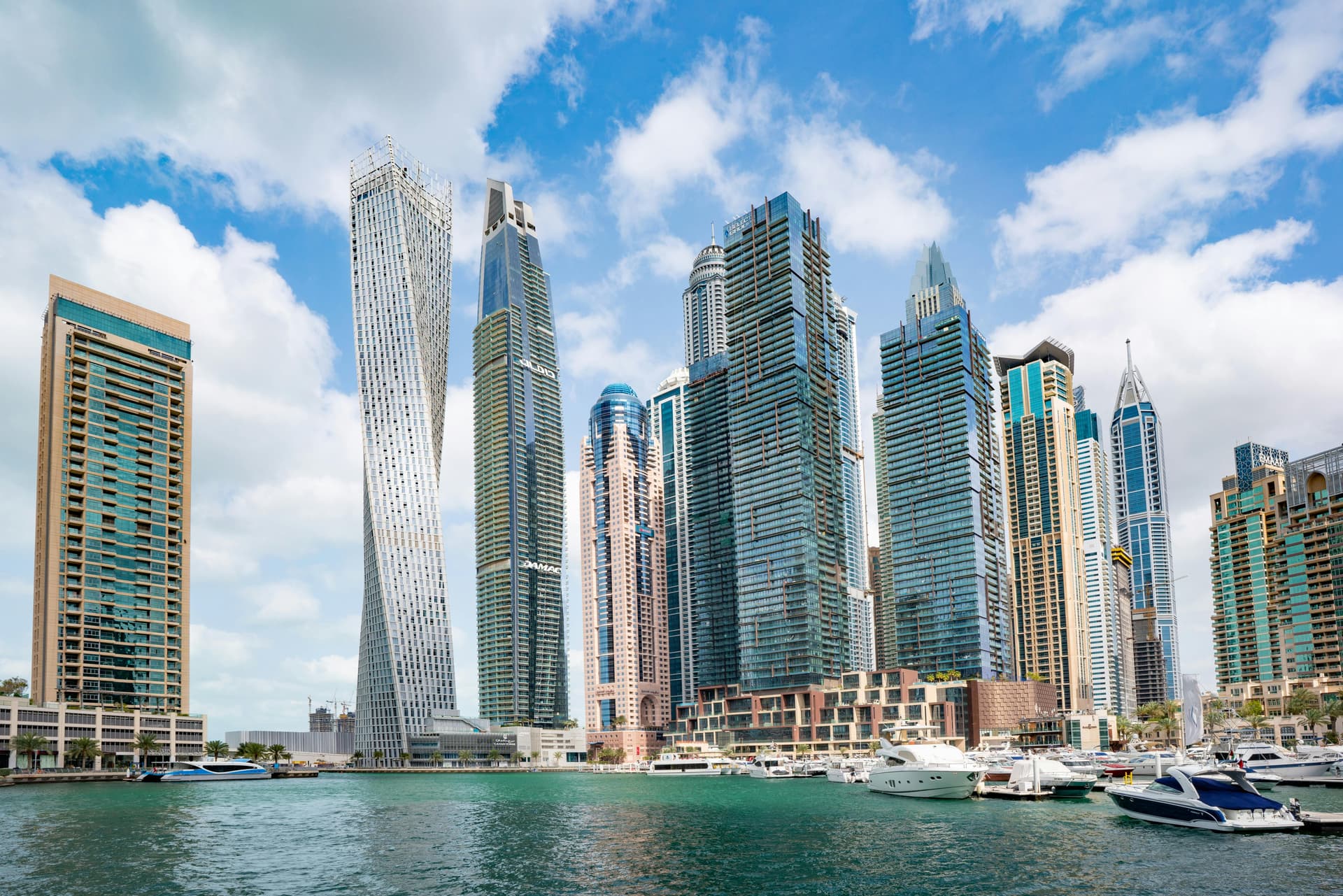
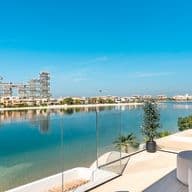
Mature communities with strong end-user demand and limited opportunities for significant new supply can provide a compelling appreciation case. Palm Jumeirah, Downtown Dubai and Dubai Marina are good examples, combining established infrastructure, international recognition and consistently high buyer demand.
Within these areas, scarcity can become particularly important. The best-located villas, waterfront homes, larger units and properties with unique views may face considerably less direct competition than more widely available stock.
New up and coming communities can offer appreciation potential as infrastructure, amenities and occupancy develop. Areas such as Dubai Creek Harbour, Dubai Islands and Palm Jebel Ali are examples of major masterplans where the investment case is closely linked to their continued development and future demand.
Entry price remains critical. Buying in an emerging area does not automatically mean buying cheaply, and investors should compare individual projects, developers and future supply before committing.
Large-scale infrastructure can transform accessibility and support demand in surrounding communities. Dubai South, for example, has a long-term growth story closely connected to the expansion of Al Maktoum International Airport and the wider development of Dubai’s southern corridor.
Infrastructure alone does not guarantee capital appreciation, but when combined with competitive pricing, quality development and growing end-user demand, it can create favourable conditions for long-term value growth.
Understanding the meaning of capital appreciation is ultimately about understanding how and why a property’s value can grow over time. For investors considering capital appreciation in Dubai real estate, the opportunity remains strong, but selecting the right asset is becoming increasingly important.
There is no simple formula for identifying the properties that will appreciate most. Entry price, location, developer quality, future supply, infrastructure and end-user demand should all form part of the decision.
Off-plan does not automatically mean higher appreciation, just as an established property does not mean limited growth. A well-bought home in a mature, supply-constrained community can outperform a new launch, while the right emerging development can benefit significantly as its surrounding community and infrastructure mature.
Knowing how to calculate capital appreciation is useful for measuring performance, but successful property investment starts earlier: buying the right asset, in the right location, at the right price.
Invest with long-term growth in mind
Identify Dubai properties with strong capital appreciation potential through expert, market-led advice from Engel & Völkers.
Capital appreciation is the increase in a property’s market value over time, measured by comparing its current or sale value with its original purchase price.
Calculate capital appreciation by subtracting the purchase price from the current property value, or calculate the percentage increase using ((current value − purchase price) ÷ purchase price) × 100.
Capital appreciation in Dubai is driven by factors including entry price, supply and demand, location, infrastructure development, population growth, developer quality and wider market conditions.
Capital appreciation is the increase in a property’s value over time, while rental income is the recurring income earned by leasing the property to a tenant.
There is no fixed timeframe for capital appreciation, as property values can rise or fall at different rates depending on the individual asset, location, supply and demand, and wider market conditions.
You may also be interested in


Usman Adrees
Usman Adrees is the Head of Primary Sales at Engel & Völkers Dubai, leading one of the city’s largest and most experienced real estate teams. With over 10 years in Dubai’s property market, Usman specialises in the off-plan segment and maintains direct relationships with all of Dubai’s top developers. Under his leadership, the off-plan team provides clients with early access to the city’s most sought-after launches and expert guidance on projects with strong long term capital appreciation potential.
Contact



Engel & Völkers Dubai
7th Floor, Al Khail Plaza
Jumeirah Village Triangle, Dubai, UAE
Tel: +971 4 4223500