
Get Your Free Investment Guide
Learn how to maximise returns and make informed decisions in Dubai’s property market.
Access exclusive properties and get in touch for personal advisory: Explore Private Office.
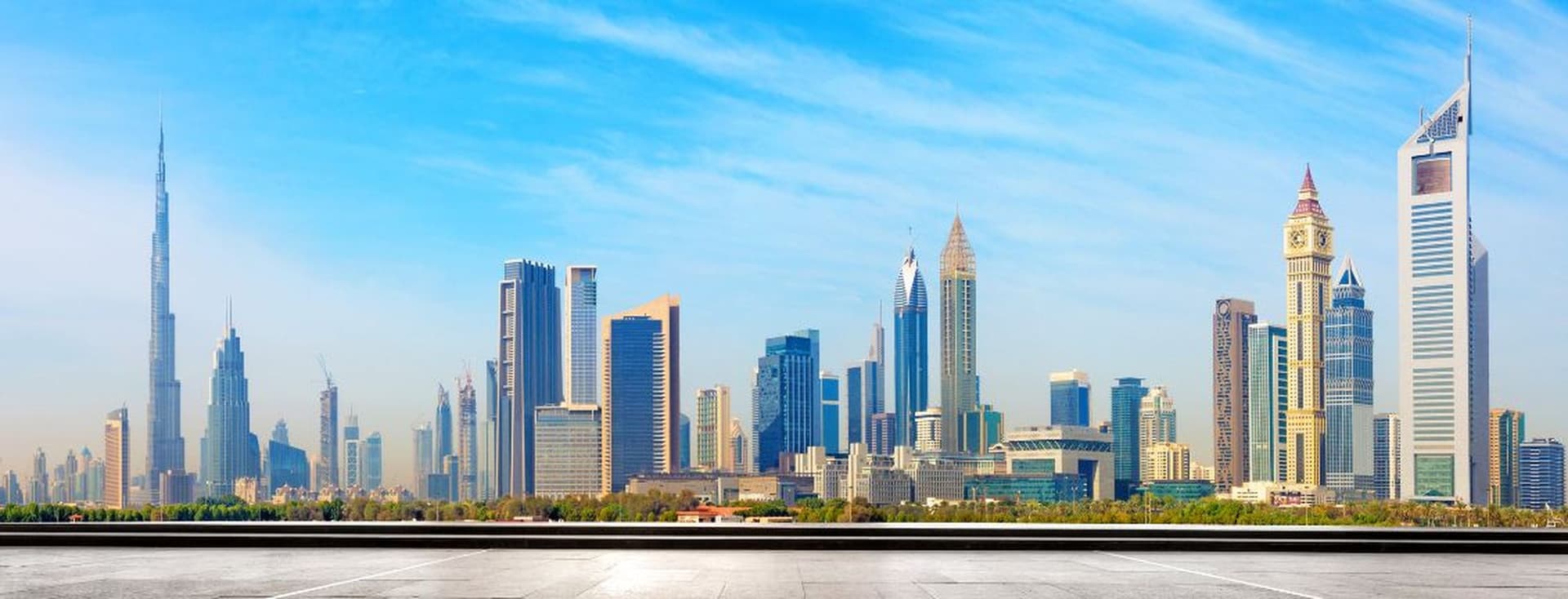
Key Takeaways:
Investing in Dubai real estate offers tax advantages, globally competitive rental yields, strong fundamentals, and international appeal
Population growth, infrastructure investment, and a regulated market continue to support long-term demand and market resilience
Dubai combines relatively accessible property prices with long-term residency visa options and flexible financing solutions
After several years of rapid growth, Dubai’s property market is becoming more balanced in 2026 while continuing to attract strong global investor interest
In recent years, Dubai has emerged as a leading destination for real estate investments, attracting buyers from across the globe. Known for its tax-efficient environment, comparatively high rental yields, global connectivity, and lifestyle appeal, Dubai continues to draw both first-time and experienced investors seeking long-term opportunities.
As of mid-2026, Dubai’s property market remains supported by population growth, economic diversification, business expansion, and ongoing infrastructure investment. While recent market disruption and wider global uncertainty have created a more cautious outlook in some areas, the underlying fundamentals of Dubai real estate remain strong, particularly across well-located residential communities and high-quality developments.
In this article, we explore 14 reasons why investors continue to choose Dubai real estate, alongside some of the city’s most popular investment locations and long-term market trends.
Wondering why to invest in Dubai real estate? There are so many potential benefits of buying real estate. Here are 14 reasons investors continue to choose Dubai’s property market.
One of the most compelling benefits of buying property in Dubai is the city’s tax-efficient environment. Unlike many global markets, Dubai does not impose annual property tax, capital gains tax, or tax on residential rental income.
For investors, this can significantly improve long-term net returns compared with many traditional property investment markets.
Dubai benefits from a diversified and rapidly evolving economy supported by sectors including tourism, trade, logistics, finance, technology, and professional services.
Long-term initiatives such as the Dubai Economic Agenda D33 and the Dubai 2040 Urban Master Plan continue to support economic growth, infrastructure expansion, and international investment. In April 2026, the UAE Central Bank projected 5.6% GDP growth for 2026, supported largely by continued non-oil sector expansion.
This economic resilience helps underpin long-term demand across Dubai’s residential property market.
When considering why to invest in Dubai real estate over other major global cities, like New York and London, another key reason is Dubai’s safety and political stability.
Dubai consistently ranks as one of the safest cities globally and the efficient legal system makes it a safe environment for both residents and investors. This gives investors confidence in the safety of their investments.
Dubai’s population continues to grow rapidly, supporting long-term housing demand across both the sales and rental markets.
As of November 2025, Dubai’s population reached 4,044,273 residents according to Dubai Statistics Centre data. This growth forms part of the broader Dubai 2040 Urban Master Plan, which targets a long-term population of 5.8 million residents.
A growing population continues to support demand for apartments, villas, townhouses, and rental properties across the emirate.
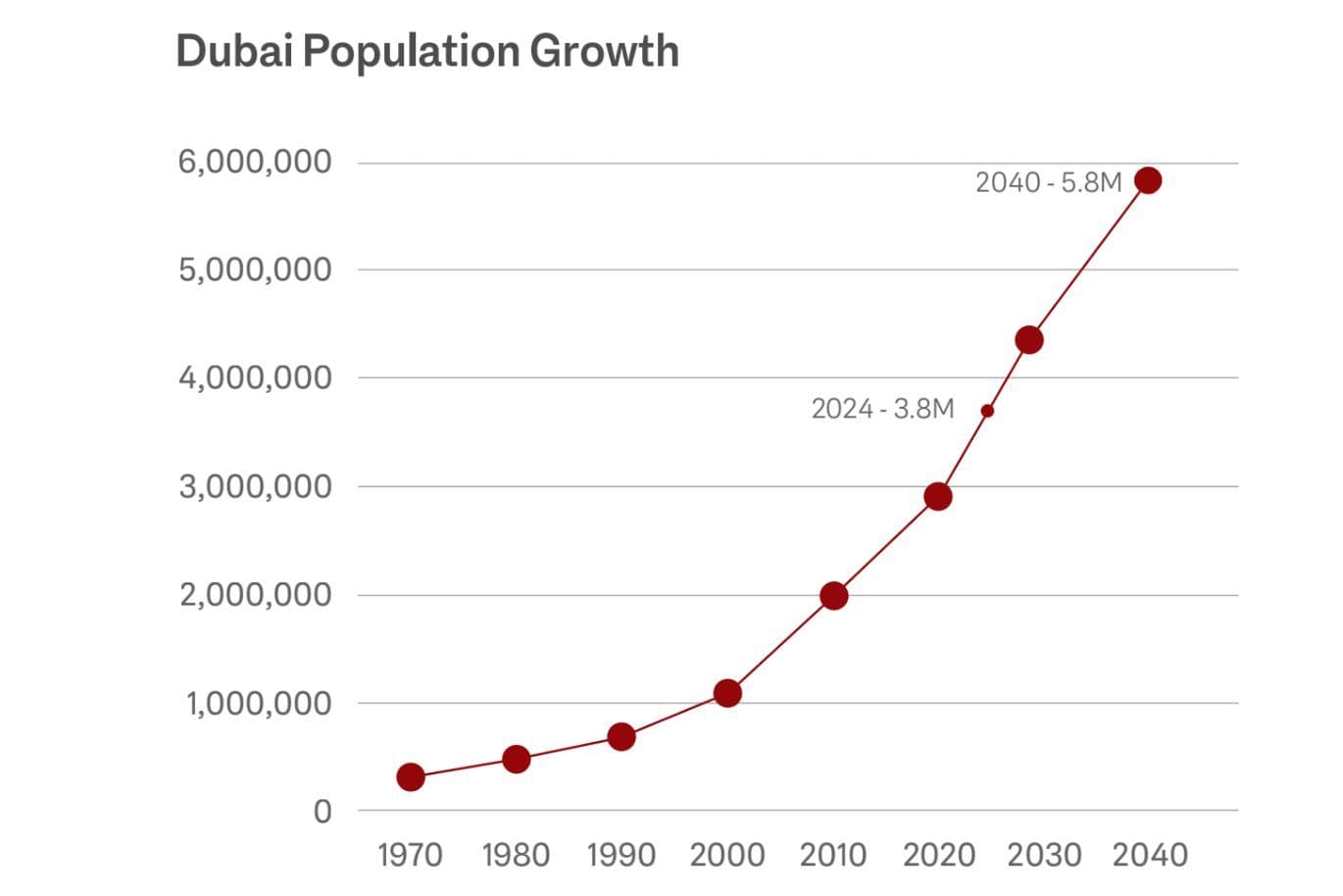
Source: United Nations & Dubai 2040 Urban Master Plan
Dubai continues to offer comparatively strong rental yields relative to many major global cities, supported by population growth, business expansion, and sustained rental demand.
Dubai recorded one of its strongest years on record in 2025, with 202,349 residential transactions totalling AED 546.8 billion. Growth was broad-based across apartments, villas, and townhouses, supported by population expansion, business relocation, and continued investor confidence.
As of May 2026, the average rental yield in Dubai was 6.68%.
Apartments continued to offer the highest yields, averaging 7.15%, while villas and townhouses averaged 4.98%.
| Property Type | Average Rental Yield |
|---|---|
Apartments | 7.15% |
Villas | 4.98% |
Overall | 6.68% |
Source: Property Monitor
While rental growth is expected to moderate compared with the sharp increases seen in recent years, Dubai continues to offer globally competitive yields for residential investors.
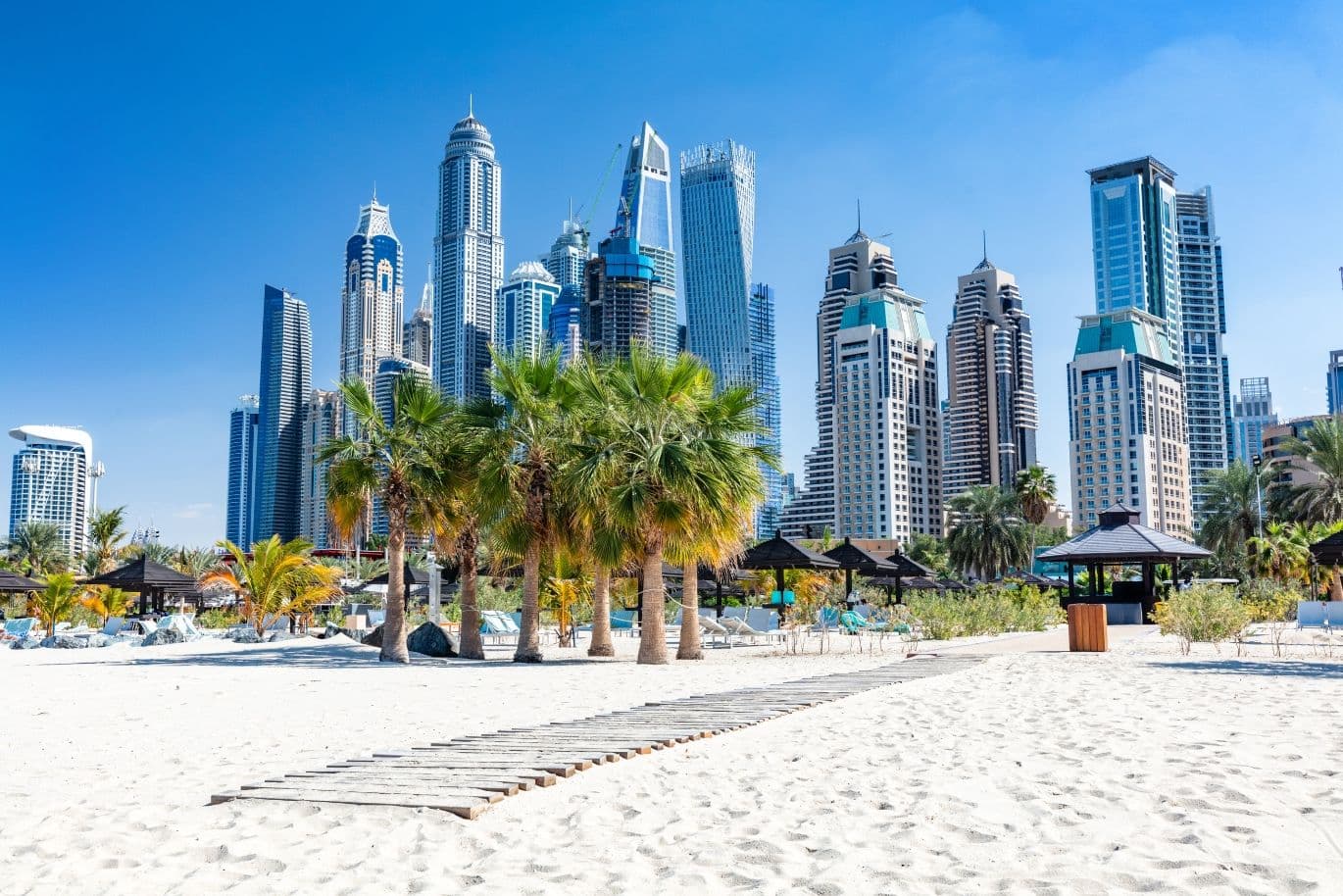
Dubai’s tourism industry continues to support both economic growth and demand for short-term accommodation.
In 2025, Dubai welcomed 19.59 million international overnight visitors, representing a 5% increase year-on-year and marking a third consecutive record-breaking year for tourism.
The city’s thriving tourism industry drives strong demand for short-term rental properties, offering lucrative opportunities for holiday home buyers. It also helps fuel economic growth and supports infrastructure investment.
Dubai continues to attract investors seeking both rental income and long-term capital appreciation.
Compared with many mature global markets, Dubai offers a combination of relatively accessible entry prices, strong rental demand, and comparatively high rental yields. Communities benefiting from infrastructure investment, population growth, and limited supply continue to attract strong investor attention.
Despite Dubai’s luxury reputation, property prices remain comparatively competitive relative to many major global gateway cities.
The average price per square foot in Dubai and average property sizes compare favourably to many global cities.
According to Numbeo data from May 2026, average city-centre apartment prices in Dubai remain significantly below cities such as London, New York, Singapore, Hong Kong, and Zurich.
Hong Kong — approx. $2,457/sq ft
Singapore — approx. $2,299/sq ft
London — approx. $1,775/sq ft
New York — approx. $1,728/sq ft
Paris — approx. $1,390/sq ft
Sydney — approx. $1,136/sq ft
Tokyo — approx. $992/sq ft
Dubai — approx. $673/sq ft
Source: Numbeo (May 2026)
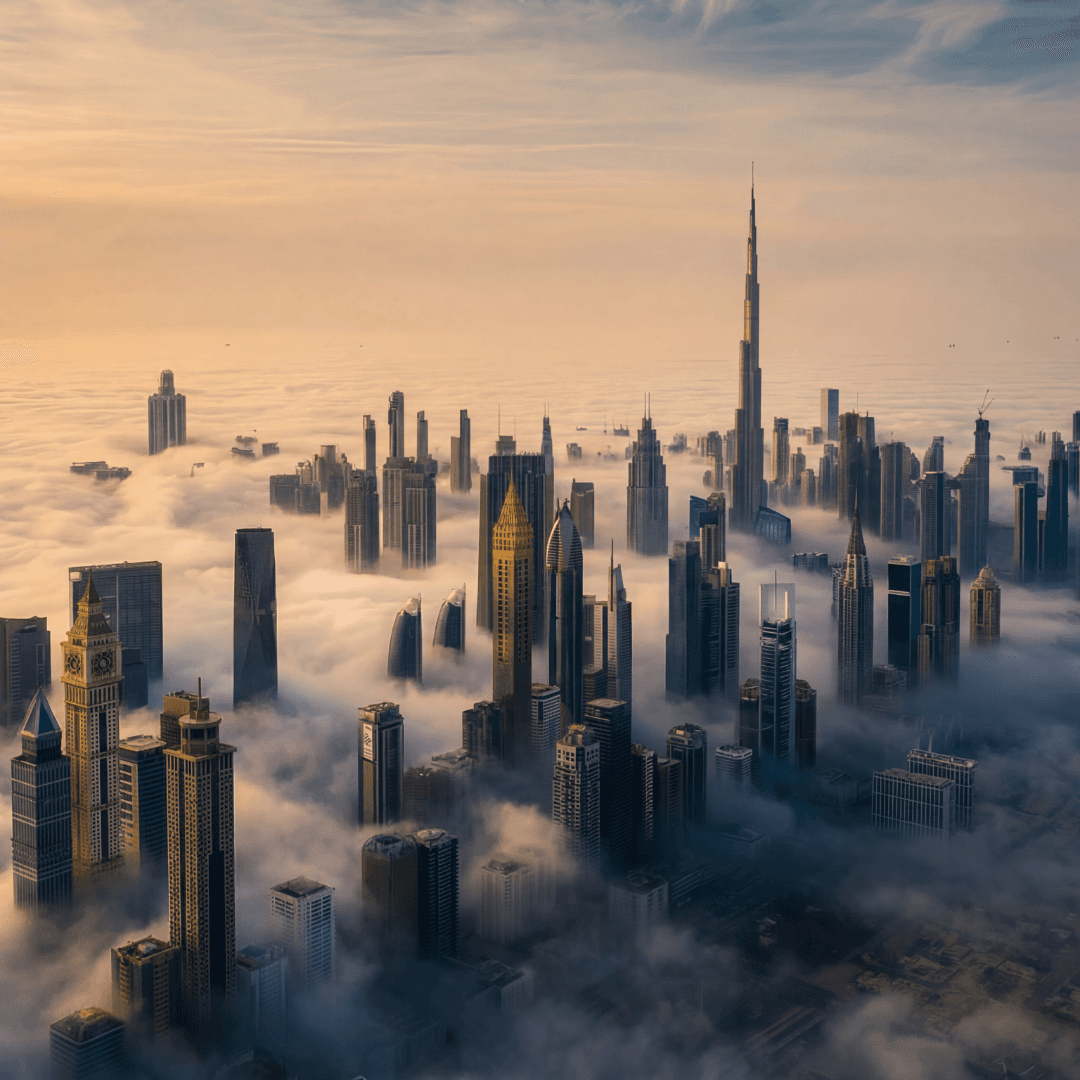
Dubai is renowned for its world-class infrastructure, including state-of-the-art transportation, modern healthcare facilities, leading schools, and advanced telecommunications networks.
Dubai's infrastructure looks set to improve further in the future, with the government investing heavily in becoming a Smart City, with infrastructure projects like a new airport, road improvements, and upgrades to the utility network.
This infrastructure supports a thriving economy, growing population, and high standard of living that should only increase property values.
Real estate investment can also provide a pathway to long-term UAE residency.
As of April 2026, Dubai officially removed the previous AED 750,000 minimum property value requirement for sole applicants applying for the standard two-year investor visa, subject to Dubai Land Department approval and eligibility criteria.
In addition, five-year and ten-year residency visas, including the Golden Visa, remain available for qualifying applicants investing at higher thresholds.
For many international buyers, long-term residency remains a major benefit of investing in Dubai property.
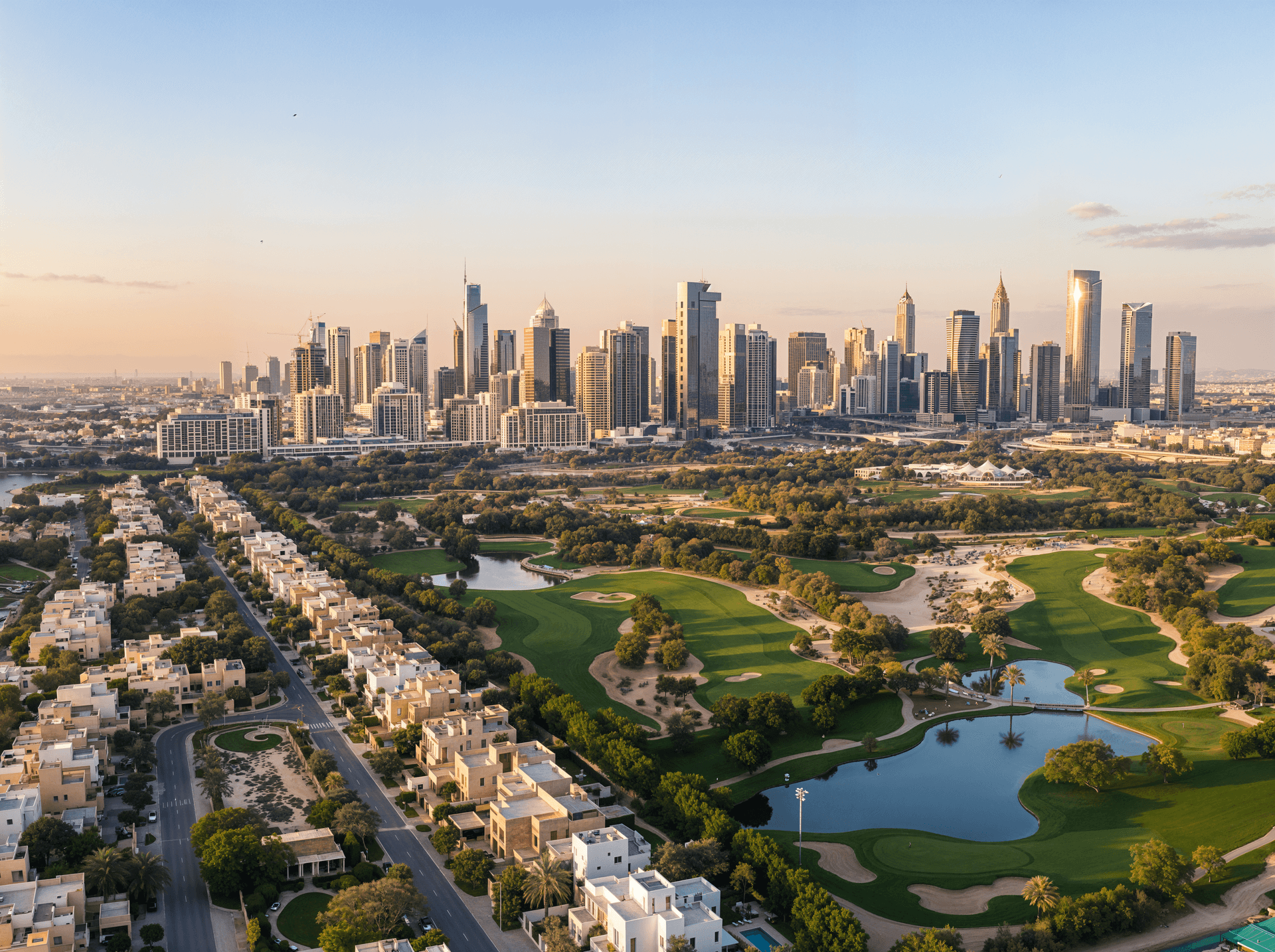
Dubai’s location between Europe, Asia, and Africa continues to position it as a major international business and travel hub.
Dubai International Airport and Emirates Airline provide global connectivity across key financial and commercial centres, supporting the city’s attractiveness for businesses, residents, and investors alike.
A significant factor to consider with any large investment is the laws and regulations that will protect your asset. Dubai’s real estate market is closely regulated by government bodies such as the Dubai Land Department (DLD) and the Real Estate Regulatory Agency (RERA).
These regulations ensure transparency, protect investors’ rights, and promote fair practices in the market.
Dubai offers a wide range of financing and payment options that make property investment more accessible to both local and international buyers.
Investors can:
Finance using a mortgage
Purchase off-plan property through a payment plan
Access post-handover payment plans in selected projects
These flexible options help broaden access to Dubai’s property market across different budgets and investment strategies.
Dubai remains at the forefront of architectural innovation, urban planning, and lifestyle-led development.
Developers are increasingly focusing on sustainability, wellness, smart home integration, branded residences, and mixed-use master communities aligned with evolving global buyer preferences.
These future-focused developments continue to attract both end-users and investors seeking long-term value.
There are several attractive areas for real estate investment in Dubai. Some of the most popular investment communities in 2026 include:
Downtown Dubai: Known for its iconic landmarks, luxury apartments, and vibrant lifestyle.
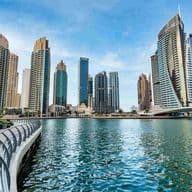
Dubai Marina: A waterfront community with high-rise apartments, dining, and entertainment options.
Palm Jumeirah: The world-famous man-made island, with 5-star resorts, luxurious villas and apartments with stunning sea views.
Jumeirah Lake Towers (JLT): A popular residential and commercial area with modern apartments
Jumeirah Village Circle (JVC): An affordable community with a mix of apartments, townhouses and villas.
Business Bay: A central business district in the heart of Dubai with a blend of upscale residential and commercial properties
Dubai Hills Estate: A popular family community with luxury apartments, townhouses and villas alongside extensive amenities like the Dubai Hills Mall and a golf course.
Arabian Ranches: An established villa community offering spacious homes, mature landscaping and strong appeal among families.
Get Your Free Investment Guide
Learn how to maximise returns and make informed decisions in Dubai’s property market.
Dubai’s property market continues to benefit from strong long-term fundamentals, including population growth, economic diversification, infrastructure investment, and international migration.
The Dubai 2040 Urban Master Plan outlines ambitious plans to expand infrastructure, improve quality of life, and support a population target of 5.8 million residents over the coming decades.
Luxury real estate demand also remains strong, supported by continued interest from high-net-worth individuals relocating to Dubai for lifestyle, tax, and business reasons.
At the same time, the market is becoming more balanced following several years of rapid growth. While rental growth is expected to moderate compared with previous years, Dubai’s residential market continues to offer comparatively strong rental yields and sustained long-term demand fundamentals.
Sustainability, wellness-focused communities, and smart living technology are also expected to remain major themes shaping future residential development across the emirate.
Dubai continues to position itself as one of the world’s leading real estate investment destinations, supported by strong economic growth, population expansion, world-class infrastructure, and a highly regulated property market. As of mid-2026, the market remains underpinned by healthy demand across both the sales and rental sectors, with Dubai recording one of its strongest years on record in 2025 and maintaining globally competitive rental yields averaging 6.68%.
While price growth has become more moderate following several years of exceptional market performance, Dubai’s long-term fundamentals remain compelling. Government initiatives such as the Dubai Economic Agenda D33, the Dubai 2040 Urban Master Plan, long-term residency reforms, and ongoing infrastructure investment continue to support the emirate’s appeal among investors, businesses, and end-users from around the world.
Compared with many major global gateway cities, Dubai also continues to offer relatively competitive entry pricing, strong rental demand, tax efficiency, and attractive lifestyle advantages. Whether you are seeking long-term capital appreciation, rental income, portfolio diversification, or residency opportunities, Dubai real estate remains one of the most attractive property investment markets globally in 2026.
For over 45 years, Engel & Völkershas been a global leader in residential and commercial real estate. With more than 1,000 locations across over 35 countries and a team of over 200 real estate professionals in Dubai, Engel & Völkers provides investors with expert guidance across every stage of the property journey.
Engel & Völkers offers comprehensive services to support real estate investment in Dubai, including:
Expert consultation and market insights
Property sourcing aligned with your investment goals
Mortgage and financing guidance through in-house advisors
Assistance with legal processes and transaction management
After-sales support, including leasing and portfolio guidance
Whether you are a first-time buyer, overseas investor, or experienced property owner, working with an experienced real estate advisor can help you navigate Dubai’s evolving market with greater confidence and clarity.
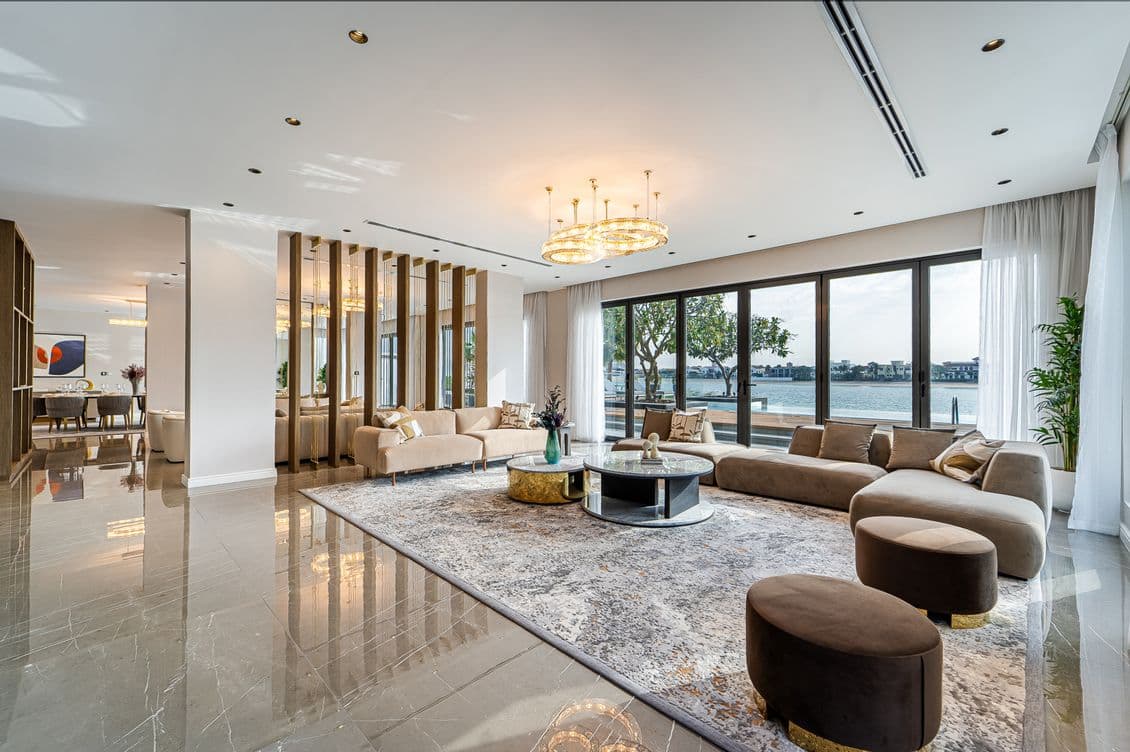
Invest in Dubai with confidence
Get expert guidance on high-yield opportunities, prime communities, and long-term investment strategy in Dubai real estate.
Dubai offers a combination of high rental yields, long-term population growth, strong infrastructure, global connectivity, and a tax-efficient environment. The market is also supported by government regulation, long-term residency initiatives, and continued international demand from investors and end-users.
Yes. Unlike many major global cities, Dubai does not impose annual property tax, capital gains tax, or tax on rental income for individual property owners. This allows investors to retain a larger proportion of their returns.
Yes. As of April 2026, Dubai removed the previous AED 750,000 minimum property value requirement for sole applicants applying for the standard 2-year investor visa, subject to Dubai Land Department approval and eligibility criteria. Longer-term 5 and 10-year residency visas also remain available for qualifying investors.
After several years of exceptionally strong growth, Dubai’s property market is showing signs of becoming more balanced in 2026. While price growth has moderated in some areas, underlying demand remains supported by population growth, business expansion, tourism, and continued investor confidence.
Dubai combines relatively competitive property prices with strong rental yields, modern infrastructure, lifestyle appeal, political stability, and global accessibility. Compared with many major cities such as London, New York, and Singapore, Dubai continues to offer comparatively attractive value per square foot.
Many investors continue to view Dubai positively due to its long-term economic outlook, rental market strength, infrastructure investment, and growing global profile. While the market has become more balanced compared with previous years, Dubai continues to offer attractive long-term opportunities across both the residential and commercial sectors.
You may also be interested in




Nicholas Swayne
Nicholas Swayne is a Sales Manager at Engel & Völkers Dubai, specialising in Arabian Ranches and Dubai’s established villa communities. With over three years of experience in Dubai real estate, he brings a strategic, data-led approach to residential property sales, supported by a strong background in client advisory, negotiation and financial planning. Nicholas combines hands-on market knowledge with a consultative approach, helping buyers and sellers make informed decisions in Dubai’s competitive villa market.
Contact



Engel & Völkers Dubai
7th Floor, Al Khail Plaza
Jumeirah Village Triangle, Dubai, UAE
Tel: +971 4 4223500