Discuss the Dubai housing market with a local expert
Get data-led insight into Dubai’s latest market trends, pricing, supply and investment opportunities with advice tailored to your property goals.
The new GG website: Inspiring personalities, extraordinary places and exceptional properties. Discover now
Key Takeaways:
The Dubai housing market remains resilient through the first half of 2026, despite lower transaction volumes and more measured buyer activity.
Residential sales reached 79,281 transactions worth AED 221.4 billion during H1 2026, highlighting continued demand across the market.
Headline launch volumes can overstate near-term supply, as actual handovers are typically phased over several years.
Villas and low-density communities continue to outperform apartments due to limited supply and lifestyle demand.
Residential rental yields remain attractive, averaging 6.3% across Dubai as of August 2026.
Following several years of exceptional growth, the Dubai housing market entered a more balanced phase during the first half of 2026. While transaction activity has moderated compared with the record-breaking levels seen in 2025, the market continues to be supported by population growth, international investment, strong rental demand and a resilient local economy.
During H1 2026, Dubai recorded 79,281 residential sales transactions worth AED 221.4 billion. Although this represents lower transaction volumes than the exceptionally active first half of 2025, pricing has remained comparatively resilient, reflecting a market characterised by greater buyer selectivity rather than widespread weakness.
Developers continue to launch new projects across Dubai, maintaining attention on future supply and pricing dynamics. This mid-year analysis examines the latest residential market performance, supply and demand, pricing trends, rental yields, buyer behaviour and what the remainder of 2026 could hold for Dubai’s housing market.
Table of Content
Dubai housing market at a glance
How the Dubai housing market has performed over the last decade
Key factors shaping the Dubai housing market in 2026
Housing market supply vs demand dynamics in Dubai
Price trends across key housing segments
Rental market trends & yield analysis
Buyer behaviour shifts in the Dubai housing market
Dubai housing market vs global cities in 2026
Dubai housing market forecast (next 12–36 months)
Final thoughts: will Dubai property prices rise or fall in 2026?
Dubai recorded 79,281 residential sales worth AED 221.4 billion during the first half of 2026, reflecting continued market strength despite lower transaction volumes.
Transaction volumes have moderated compared with the record levels seen in H1 2025, while average pricing has remained comparatively resilient.
Developers continue to launch new communities, but actual handovers remain well below headline launch numbers, easing near-term oversupply concerns.
End-user demand has increased materially since 2021, reducing reliance on short-term speculative activity across the market.
Villas and townhouses continue to outperform apartments, supported by limited supply and a preference for space, privacy, and low-density living.
Rental demand remains strong, underpinned by population growth and sustained inbound migration.
The wider UAE real estate market continues to benefit from favourable tax conditions, global connectivity, and long-term population growth.
The Dubai real estate market history over the last 10 years has moved through a full cycle of expansion, correction, and structural reset. Following the post-2014 slowdown and the pandemic-era disruption of 2020, the market entered a recovery phase driven by regulatory reform, improved transparency, and renewed international demand.
Since 2021, growth has been driven by population growth, end-user demand, and sustained capital inflows from across the globe. Tighter escrow account regulations, clearer ownership and visa frameworks, and more disciplined developer behaviour have contributed to a more resilient market structure.
The result is a housing market that has matured. While price volatility has not disappeared, the boom-and-bust dynamics that characterised earlier cycles have softened. By 2025, transaction volumes and prices reached record levels, supported by stronger fundamentals, high rental yields and sustained end-user and investor demand.
During the first half of 2026, the market has continued to evolve. Rather than the broad-based acceleration seen in previous years, activity has become increasingly selective. Buyers are taking longer to make decisions, negotiations have become more common, and pricing performance varies more significantly between communities, property types and individual developments. These are typical characteristics of a maturing real estate market.
Dubai’s population surpassed 4 million in 2025, and conservative estimates suggest a further 175,000-225,000 residents could be added in 2026. This sustained population growth continues to underpin both housing demand and rental absorption, particularly in established communities. Unlike previous cycles, recent growth has been driven largely by long-term residents and skilled migrants, supporting end-user demand rather than short-term speculation.
The broader economic backdrop remains positive. The IMF forecasts UAE economic growth of around 5% in 2026, exceeding global averages. Continued expansion across financial services, technology, trade, and tourism is expected to support employment growth, household wealth, and housing demand, reinforcing confidence across the Dubai real estate market.
Financing conditions have gradually improved during 2026 following the easing of interest rate pressures. Although cash buyers continue to dominate the luxury segment, improved mortgage affordability has helped support demand among end-users and owner-occupiers, particularly within Dubai’s mid-market communities.
Real estate developers are expected to continue launching at scale, but higher land values and construction costs are likely to encourage greater selectivity in 2026. While headline supply figures remain elevated, phasing, project delays, and disciplined release strategies are expected to limit near-term delivery pressure, particularly in higher-quality and well-located developments.
At the same time, buyers have become increasingly selective about developer reputation, delivery history and build quality. This shift is encouraging stronger competition among developers, with greater emphasis on project quality, amenities and long-term community appeal.
Geopolitical and economic uncertainty across Europe, Asia, and parts of the Middle East continues to influence buyer behaviour. Dubai’s relative stability, tax environment, and transparent property framework are likely to support ongoing demand from international buyers in 2026, particularly for prime and wealth-preservation assets.
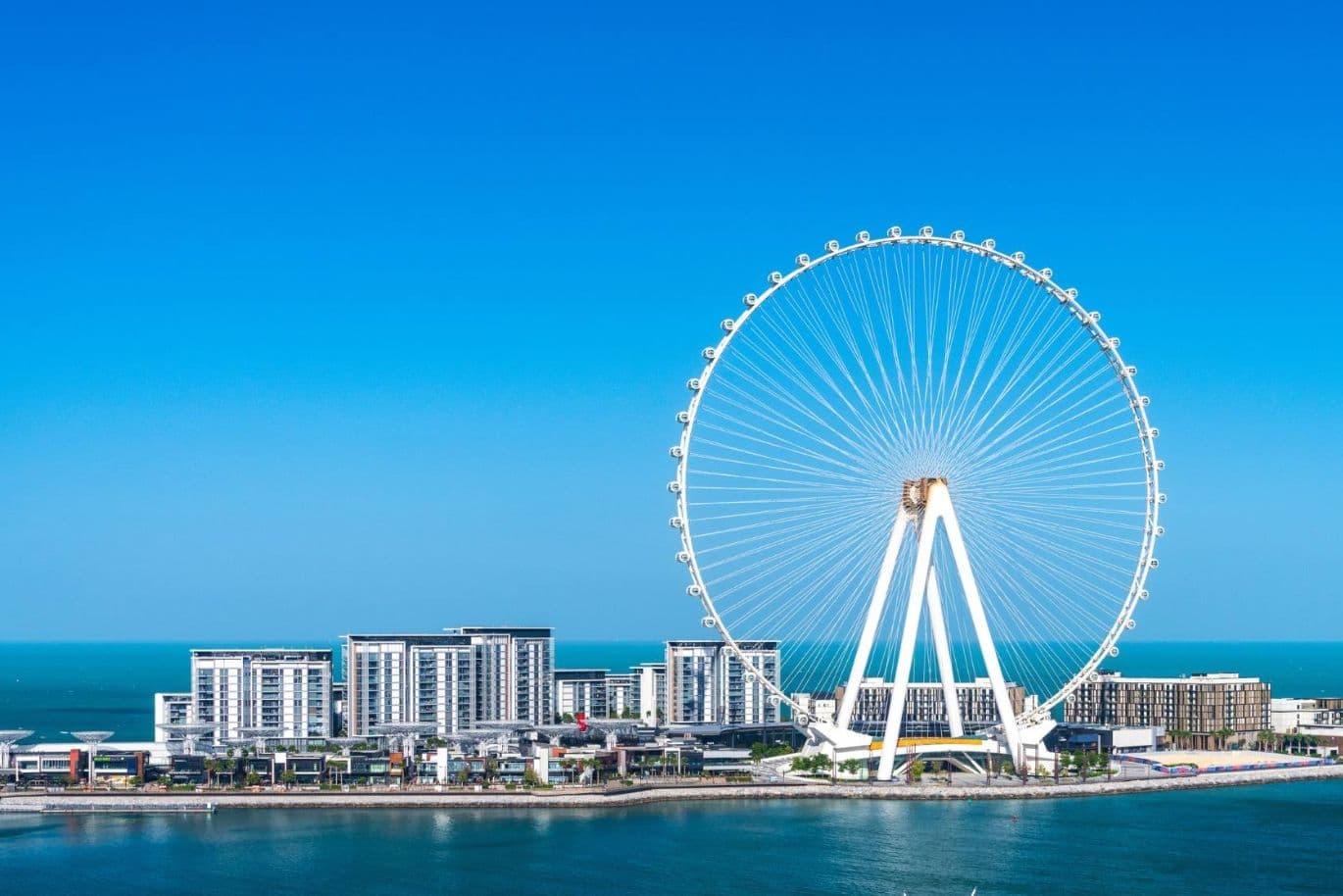
Supply and demand dynamics are central to understanding where the Dubai housing market is heading in 2026. Headline launch numbers often dominate discussion, but they rarely reflect actual delivery timelines, absorption rates, or population-driven demand. In practice, the relationship between new supply and housing demand in Dubai is more complex.
In 2025, residential handovers increased to approximately 42,000 units, up from around 29,000 units the previous year. While this was a clear rise in completions, it fell short of earlier forecasts. Over 150,000 new units were launched during 2025, but a large proportion of this supply is scheduled for delivery in 2028 and beyond. For 2026, around 83,000 units are currently expected to be completed, but historical delivery patterns suggest the final figure is likely to be lower, particularly given the scale of developer activity and ongoing construction constraints.
On the demand side, Dubai added over 200,000 residents in 2025 alone. Using an average household size of approximately four people, this level of population growth implies demand for roughly 50,000 additional homes, even before accounting for replacement demand, upgrades, or second-home purchases. When viewed against actual handover volumes rather than headline launch figures, this suggests that housing supply in 2025 remained broadly balanced, with signs of continued tightness rather than structural oversupply.
The first half of 2026 has broadly reinforced this picture. While some commentators continue to focus on headline launch volumes, the market has yet to experience the widespread oversupply that many predicted. Population growth, phased project deliveries and sustained end-user demand continue to absorb new stock, although supply and pricing pressures are becoming increasingly localised rather than affecting the market uniformly.
Price trends across the Dubai housing market have become increasingly segmented after several years of rapid growth. While overall price appreciation is moderating in 2026, Dubai real estate trends continue to vary meaningfully by property type and location.
During the first half of 2026, residential transaction volumes moderated compared with the exceptional activity seen a year earlier. Dubai recorded 79,281 residential sales worth AED 221.4 billion in H1 2026, compared with 91,973 transactions worth AED 262.6 billion during H1 2025. This represents a 13.8% reduction in transaction volumes and a 15.7% decline in transaction value, reflecting more measured buyer activity rather than broad-based price weakness.
Villa prices have led the market, with average freehold villa values rising by 206% since the pandemic. Demand has remained strong in established, low-density communities where limited supply, mature infrastructure, and end-user demand support long-term value within the wider Dubai real estate market.
Apartment prices have also strengthened, surpassing prior-cycle highs for the first time. Performance has been strongest in well-connected, mid-market communities benefiting from population growth and relative affordability, while higher-density areas face greater competition as new supply enters the market.
At the upper end, luxury and ultra-prime homes continue to attract global capital, reflecting Dubai’s role within the broader UAE real estate market. Although demand remains strong, buyers have become increasingly selective, placing greater emphasis on location, build quality, developer reputation and long-term value. Premium properties in the strongest communities continue to outperform, while pricing has become more varied across the wider market.
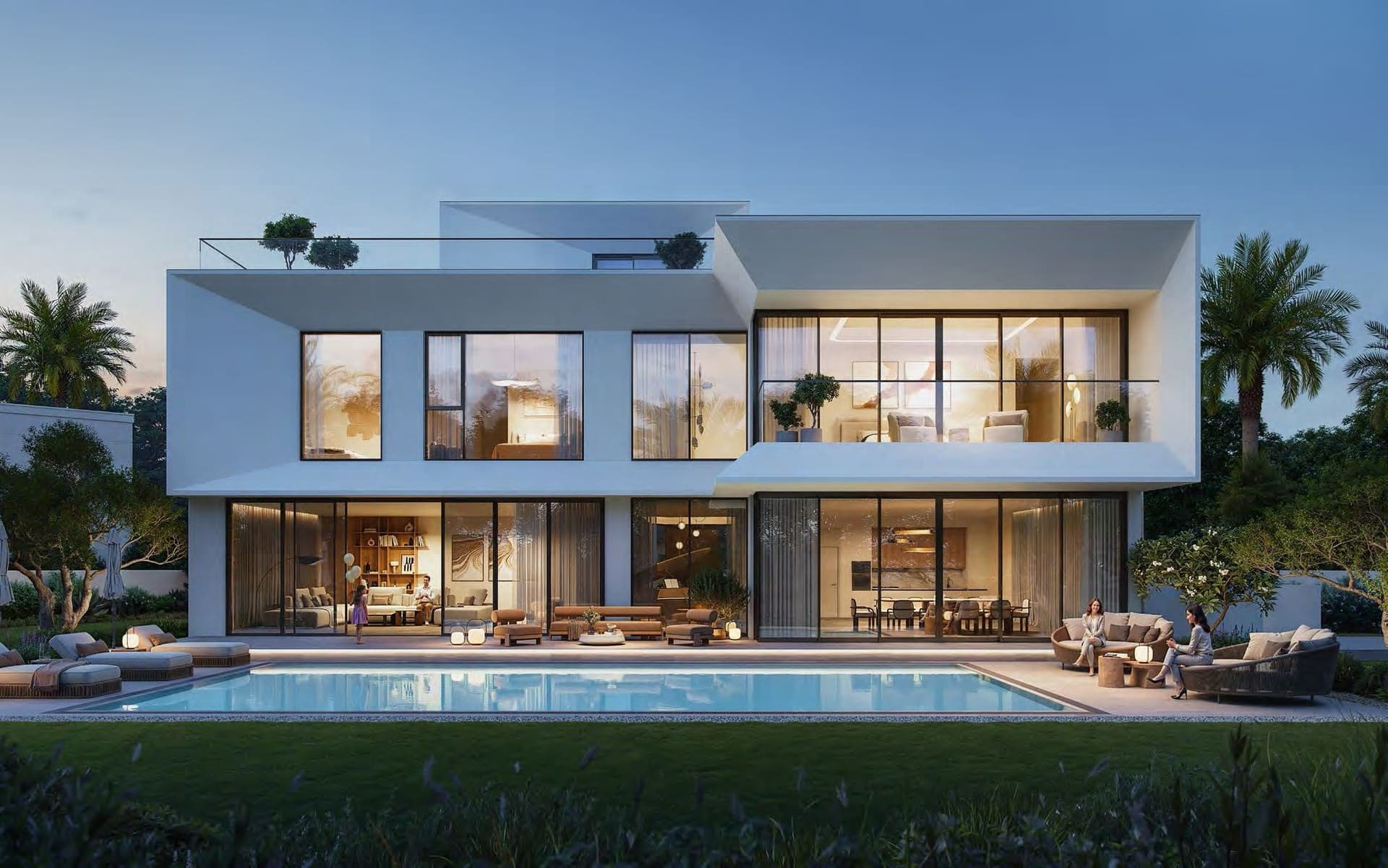
Rental conditions across the Dubai housing market have remained competitive following several years of sustained demand growth. Rents have risen consistently as population growth, increased end-user activity, and limited near-term supply in established communities continue to support the absorption of new supply across both apartments and villas.
As of August 2026, the average gross rental yield for residential properties in Dubai stood at 6.3%. Apartments averaged 6.7%, compared with 5.1% for townhouses and 4.5% for villas. Actual returns vary by location, purchase price, service charges and property type.
Although rental growth has moderated compared with previous years, continued population growth, inward migration and affordability constraints for some buyers continue to support healthy occupancy levels across many established communities.
Buyer behaviour in the Dubai real estate market has evolved significantly since the previous cycle. End-users now account for a larger share of transactions, supported by long-term residency, employment growth, and lifestyle-driven purchasing rather than short-term speculation. This shift has contributed to greater market stability.
Demand has increasingly favoured ready and near-completion homes, particularly in established communities where infrastructure, schools, and amenities are already in place. Buyers are also showing greater selectivity, prioritising build quality, layout, and community planning.
At the higher end of the market, cash purchases remain dominant, while mid-market buyers continue to use mortgages more regularly. Overall, these behavioural changes reflect a maturing Dubai housing market, where purchasing decisions are driven more by usability and long-term value than rapid capital appreciation.
During the first half of 2026, another notable trend has been the pace of decision-making. Buyers are taking longer to complete transactions, carrying out more detailed due diligence and negotiating more actively than during the highly competitive conditions of recent years. Rather than indicating weakening demand, this reflects a healthier and more balanced market where purchasing decisions are increasingly based on fundamentals instead of urgency or fear of missing out.
This growing selectivity is also creating greater differentiation between communities. Well-connected locations with established infrastructure, reputable developers and strong lifestyle amenities continue to attract sustained demand, while areas facing higher levels of new supply are experiencing greater pricing competition and longer selling periods.
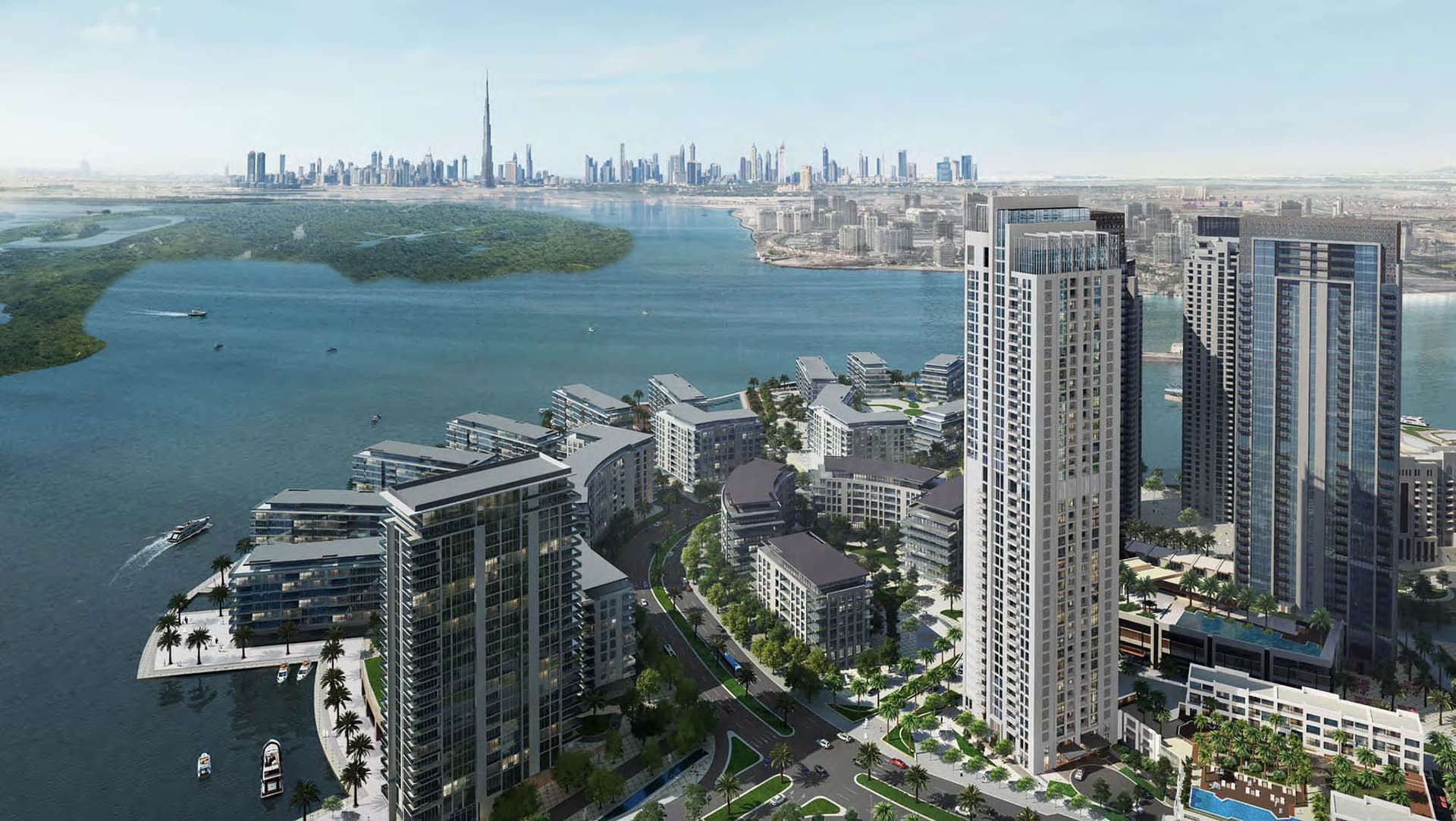
When compared with other global property hubs, current Dubai real estate trends in 2026 continue to set the city apart in terms of accessibility, taxation, and income potential. Unlike markets such as London, New York, or Paris, Dubai offers freehold ownership with no annual property tax, no capital gains tax, and no tax on rental income, materially improving net returns for investors.
From a yield perspective, Dubai remains more attractive than many mature cities where high entry prices and regulatory constraints have compressed returns. While cities such as Singapore and Paris offer long-term stability, rental yields are typically lower, and ownership costs higher.
Dubai’s market is more cyclical than some established Western cities, but it also benefits from greater flexibility, lower costs, and fewer barriers for international buyers. In 2026, this combination of yield, lifestyle appeal, and global mobility continues to position Dubai as a competitive alternative to more mature markets.
The first half of 2026 has reinforced the view that Dubai’s housing market is moving into a more balanced and sustainable phase. Rather than experiencing either a sharp correction or another period of rapid market-wide price growth, performance has become increasingly driven by local market fundamentals.
The investment case remains intact. Rental yields remain high by global standards, population and economic growth continue to support housing demand, and the tax environment remains a clear advantage. End-user activity is expected to stay resilient as residents increasingly establish long-term roots in the city, particularly in established communities and well-located developments.
Although residential transaction volumes have moderated compared with the record-breaking levels of H1 2025, the market continues to demonstrate resilience. During the first six months of 2026, Dubai recorded 79,281 residential sales worth AED 221.4 billion, underlining the depth of buyer demand despite a more measured pace of decision-making.
While further growth remains likely, returns are expected to be more modest and uneven than those seen during recent years. Performance will depend far more on location, property type, and quality than on overall market momentum. Over the next 12 to 36 months, the market is likely to be defined by steady progress and selective opportunities, rather than sharp price jumps market-wide.
Investors should increasingly focus on long-term fundamentals such as community quality, developer reputation, rental demand and future infrastructure improvements. As the market matures, selecting the right property is likely to become a greater driver of performance than simply participating in a rising market.
Dubai’s real estate market history has been marked by periods of rapid growth followed by slower phases, which naturally leads some to question whether prices could fall in 2026. It’s a fair question, particularly after several years of strong gains across much of the Dubai housing market.
The more likely outcome, however, is not a broad rise or fall in prices, but a market that moves into a more balanced phase. Well-located homes and established communities continue to be supported by population growth, end-user demand, and solid rental fundamentals, while weaker locations or heavily supplied segments may see flatter performance. This kind of divergence is typical of a maturing Dubai real estate market moving toward a more sustainable phase.
The first half of 2026 has largely supported this view. Activity has become more measured, buyers are exercising greater caution and negotiations have become more common, but the market’s underlying fundamentals remain strong. Rather than signalling weakness, these trends point towards a healthier market where pricing and demand are increasingly determined by individual asset quality and location.
For buyers and investors, the broad-based gains of recent years have given way to a more selective market, where success increasingly depends on choosing the right property rather than simply participating in the market. With careful research and a long-term perspective, Dubai continues to offer compelling opportunities for both homeowners and investors.
Discuss the Dubai housing market with a local expert
Get data-led insight into Dubai’s latest market trends, pricing, supply and investment opportunities with advice tailored to your property goals.
The Dubai housing market has become more balanced during the first half of 2026. Rather than broad price increases or declines across the market, performance is increasingly varying by location, property type, developer quality and supply levels. Well-positioned properties continue to perform strongly, while some areas are experiencing more moderate growth.
For buyers with a long-term view, 2026 remains an attractive time to buy property in Dubai. The Dubai real estate market continues to be supported by population growth, rental demand, and a favourable tax environment, while a more balanced market is providing buyers with greater choice and more time to make informed decisions than during previous years.
While new launches remain high, actual handovers have historically fallen short of forecasts. Although supply continues to increase, population growth, phased project deliveries and sustained demand have helped absorb much of the new stock entering the market. As a result, widespread oversupply has yet to materialise, although some individual communities and property segments may experience greater competitive pressure than others.
Yes. As of July 2026, average residential rental yields remain attractive at 6.58%, including approximately 6.9% for apartments, 5.1% for townhouses and 4.5% for villas. While rental growth has become more measured, Dubai continues to offer some of the strongest residential yields among major international property markets.
You may also be interested in




Natalie White
Natalie White is Head of Brokerage – Secondary Sales at Engel & Völkers Dubai, overseeing the company’s secondary residential sales business. Working in Dubai real estate since 2015, she has completed more than 300 transactions and developed extensive expertise across Dubailand and the wider residential market. Natalie combines hands-on market knowledge with a clear, service-focused approach, supporting clients through complex property decisions while also providing leadership and strategic direction to Engel & Völkers Dubai’s secondary sales team.