
Invest successfully with Engel & Völkers
Find your ideal property with expert guidance and tailored services.
The new GG website: Inspiring personalities, extraordinary places and exceptional properties. Discover now
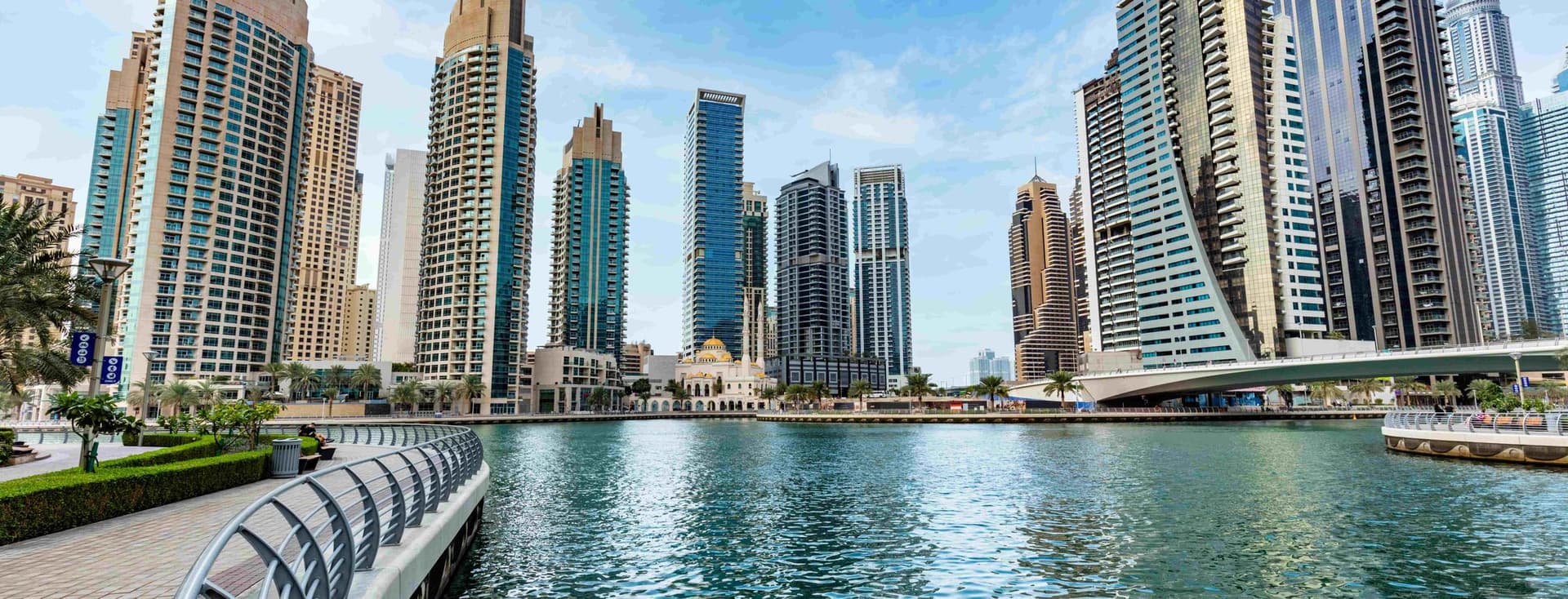
Key Takeaways:
Understanding the freehold vs leasehold differences is crucial when buying property in Dubai.
Freehold property ownership in Dubai grants full rights to the owner over both the land and property
Leasehold ownership offers limited rights, typically for up to 99 years, with renewal required at expiry
Dubai’s real estate market has evolved rapidly since 2002, when the government first opened designated areas to freehold property ownership by foreign investors.
Today, understanding the difference between freehold vs leasehold in Dubai is essential for anyone looking to buy or invest. Each ownership model offers unique advantages, from full control of a freehold property to the structured terms of a leasehold agreement, and your choice can significantly influence long-term value, flexibility, and returns.
Before making a purchase, it’s important to understand what freehold property vs leasehold ownership really means, the legal frameworks behind each, and which option best suits your goals as a homeowner or investor.
Table of Content
Understanding Freehold vs Leasehold Ownership In Dubai
Legal Framework For Freehold And Leasehold Properties
Choosing Between Freehold And Leasehold In Dubai
Popular Areas For Freehold And Leasehold Properties In Dubai
Investment Strategies For Freehold Vs. Leasehold Properties
Common Misconceptions About Freehold And Leasehold Properties
Final Thoughts: Choosing Between Freehold And Leasehold In Dubai
Before buying a property, it’s important to know how freehold vs leasehold in Dubai works. These two ownership structures define the rights you hold as a buyer, the level of control you have over your property, and your long-term investment potential.
A freehold property in Dubai gives the buyer full ownership of both the property and the land it sits on. This means the owner has complete rights to sell, lease, or renovate the property, as well as pass it on to heirs.
Freehold ownership offers long-term stability and flexibility, making it especially appealing to investors and end users who want full control of their real estate asset.
A leasehold property provides ownership rights for a fixed period, typically up to 99 years. While buyers can live in, rent out, or sell their leasehold property during this term, they do not own the underlying land.
Leasehold ownership in Dubai is ideal for those seeking lower upfront costs. However, it comes with limitations, such as restricted structural changes and the need to either renew or return the property upon lease expiration.
Understanding the key differences between freehold and leasehold in Dubai helps buyers make informed decisions. Here’s a side-by-side overview of how the two ownership types compare:
| Factor | Freehold Property | Leasehold Property |
|---|---|---|
Ownership Rights | Full ownership of the property and the land it stands on | Ownership of the property for a fixed term (up to 99 years), not the land |
Control & Modifications | Freedom to renovate, modify, or sell at any time | Modifications may require land owner’s approval |
Tenure Duration | Permanent ownership | Fixed lease term (commonly 30–99 years) |
Renewal Requirement | Not applicable | Have to renew lease at the end of the term |
Maintenance Responsibility | Managed by the owner | Often handled by landlord or management company |
Location Availability | Only in designated freehold areas | Only in specific leasehold areas |
Investment Appeal | Higher long-term value and flexibility | Lower entry cost but less appreciation potential |
Dubai’s property laws clearly define the rights and responsibilities of both freehold and leasehold owners. When considering freehold vs leasehold in Dubai, understanding these laws helps ensure smooth transactions and legal compliance.
Freehold Ownership:
Governed by Dubai Law No. 7 of 2006
Grants UAE citizens, GCC nationals, and foreign investors full ownership of land and property
Covers property registration, title transfer, and dispute resolution procedures
Allows owners to sell, lease, or pass property to heirs without restrictions
Leasehold Ownership:
Primarily referenced under Dubai Law No. 26 of 2007 (Dubai Tenancy Law)
Regulates leasehold arrangements, including duration, payments, and renewal conditions
Leasehold buyers can occupy and lease, but do not own the land
Modifications and transfers usually require the land owner’s approval.
When deciding between freehold vs leasehold in Dubai, your choice comes down to long-term goals, budget, and how much control you want over your property. Both ownership types have advantages depending on your priorities.
Consider a Freehold Property if:
You want full ownership of both the property and land
You plan to hold the property long-term for capital growth
You want freedom to renovate, lease, or sell at any time
You’re seeking eligibility for residency or a Golden Visa
You prefer owning in established, high-value communities
Consider a Leasehold Property if:
You want a lower entry cost into Dubai’s property market
You prefer minimal maintenance responsibilities
You plan to live or invest for a shorter time frame
You’re comfortable with limited ownership rights and renewal terms
You want to access areas not available for freehold purchase
Here is a list of some of the most popular freehold and leasehold communities in Dubai:
| Popular Freehold Areas in Dubai | Popular Leasehold Areas in Dubai |
|---|---|
Arabian Ranches | Al Barsha |
Business Bay | Al Manara |
Downtown Dubai | Al Mizhar |
Dubai Creek Harbour | Al Safa |
Dubai Hills Estate | Al Warqaa |
Dubai Marina | Al Wasl |
Jumeirah Lake Towers (JLT) | Jumeirah |
Jumeirah Village Circle (JVC) | Mirdif |
Palm Jumeirah | Umm Al Sheif |
Tilal Al Ghaf | Umm Suqeim |
Freehold communities are typically newer, master-planned developments that attract a large expat population and international investors. Leasehold areas, by contrast, tend to be older, traditional neighbourhoods concentrated around central Dubai, particularly Jumeirah, Al Wasl, and Al Barsha, known for their established infrastructure and family-oriented character.
Whether you’re planning to live in Dubai or invest for returns, understanding how to approach freehold vs leasehold property investments can help you maximise value and minimise risk.
Freehold properties generally suit investors seeking long-term stability and capital appreciation.
Ideal for buy-to-hold strategies focused on value growth over time
Full ownership allows flexibility to sell, lease, or modify the property
High demand in prime areas supports steady rental yields and resale value
Eligible for investor and Golden Visas, enhancing long-term residency potential
Leasehold properties can be an affordable entry point into Dubai’s real estate market.
Lower upfront costs make them accessible for budget-conscious buyers
Can suit short and medium-term rental income strategies
Less responsibility for major maintenance or structural changes
Appeal to residents who prioritise location over long-term ownership
Despite being well-established in Dubai, freehold vs leasehold property ownership is still widely misunderstood. Here are some of the most common myths clarified:
“Leasehold means renting, not owning”
This is not true. Leasehold ownership gives you full rights to use, lease, and sell the property during the lease term, typically up to 99 years.
“Foreigners can only buy leasehold properties.”
Not true. Non-UAE nationals can purchase freehold properties in designated areas across Dubai, such as Dubai Marina, Downtown Dubai, and Palm Jumeirah.
“Leasehold properties lose all value when the lease expires.”
While lease expiry does affect valuation, most contracts can be renewed or extended, subject to agreement with the freeholder.
“Freehold ownership comes with no ongoing costs.”
Freehold owners still pay service charges to the developer or management company.
Deciding between freehold vs leasehold property in Dubai is a crucial decision. For most expat buyers, freehold property ownership in Dubai is the clear choice. It offers full control, long-term security, and the flexibility to sell, lease, or pass your home to an heir, all key advantages in a city built for global investors.
While leasehold properties can provide lower entry costs and short-term opportunities, they come with restrictions on duration, renewal, and modifications. For anyone looking to build lasting value or establish residency, the benefits of freehold ownership typically outweigh the limitations of leasehold. Before you invest, consider your long-term goals, preferred location, and lifestyle needs.
Engel & Völkers Dubai provides expert guidance and exclusive access to prime developments across the city. Contact us today to begin your property search with confidence.
Invest successfully with Engel & Völkers
Find your ideal property with expert guidance and tailored services.
The main difference is ownership rights. Freehold properties grant full ownership of both the property and the land, whereas leasehold properties offer limited ownership of the property only for a limited period, typically up to 99 years.
Yes. Since 2002, non-UAE nationals have been allowed to purchase freehold property in designated areas such as Dubai Marina, Downtown Dubai, Palm Jumeirah, and Dubai Hills Estate.
When a leasehold term ends, ownership of the property reverts to the freeholder unless both parties agree to renew or extend the lease. Renewal terms are usually negotiated before expiry.
Yes. Freehold ownership is not subject to a fixed ownership term and is registered with the Dubai Land Department. Foreign nationals can acquire freehold ownership in areas designated for foreign ownership.
Not necessarily. In leasehold developments, maintenance is typically managed by the land owner or a management company and included in annual service charges. Freehold owners pay similar community fees through owners’ associations.
Yes, but it depends on the lender. Many banks in Dubai accept leasehold properties as collateral, though loan terms may vary depending on the remaining lease term and project status.
You may also be interested in






Nicholas Swayne
Nicholas Swayne is a Sales Manager at Engel & Völkers Dubai, specialising in Arabian Ranches and Dubai’s established villa communities. With over three years of experience in Dubai real estate, he brings a strategic, data-led approach to residential property sales, supported by a strong background in client advisory, negotiation and financial planning. Nicholas combines hands-on market knowledge with a consultative approach, helping buyers and sellers make informed decisions in Dubai’s competitive villa market.
Contact



Engel & Völkers Dubai
7th Floor, Al Khail Plaza
Jumeirah Village Triangle, Dubai, UAE
Tel: +971 4 4223500