
Get Your Free Investment Guide
Learn how to maximise returns and make informed decisions in Dubai’s property market.
The new GG website: Inspiring personalities, extraordinary places and exceptional properties. Discover now

Key Takeaways:
Dubai real estate laws are governed by the Dubai Land Department and RERA to ensure transparency and investor protection
Key frameworks include property ownership, rental, strata, and inheritance laws defining buyer and tenant rights
Foreigners can buy property in designated freehold zones and are protected under clear contractual and regulatory frameworks
Dubai’s real estate market is supported by a comprehensive regulatory framework governing property ownership, sales, rentals, off-plan developments and dispute resolution. These rules are particularly important for international buyers, landlords and investors navigating the market for the first time.
The Dubai Land Department (DLD) is the principal government authority responsible for real estate registration and regulation in the emirate, while the Real Estate Regulatory Agency (RERA), part of DLD, oversees key areas including brokers, developers and regulatory compliance.
This guide provides an overview of some of the main Dubai real estate laws and regulations affecting property ownership, foreign investment, rental relationships, contractual agreements and dispute resolution.
Table of Content
The Dubai Land Department is responsible for registering real estate rights and transactions in Dubai and overseeing the emirate’s property sector. RERA operates within DLD and performs a regulatory role across areas such as real estate brokerage, property development, off-plan projects and market compliance.
Their responsibilities include:
Registering property ownership and real estate transactions
Regulating and licensing real estate brokers and developers
Overseeing off-plan development and escrow requirements
Regulating real estate advertising and brokerage activity
Maintaining property and transaction records
Supporting the implementation of Dubai’s real estate laws and regulations
While the DLD and RERA have the authority to implement new laws, there are certain Dubai real estate laws and regulations that have been long-standing cornerstones of the city’s real estate market.
Some of them include:
This law is applicable to multi-unit developments such as apartment buildings. The law provides rules and regulations for the maintenance of the common areas, amenities, and facilities for such properties.
As there are a large number of people who rent properties in Dubai, rental laws ensure that both the tenant and landlord have a fair experience in Dubai, as both their rights are protected. Some of the laws have clauses such as:
Landlords can only increase the rent of a property if certain requirements are met and the correct processes are followed.
Landlords cannot increase rent during the fixed term of a tenancy contract. Any proposed change to the contractual terms, including the rent, generally requires at least 90 days’ notice before expiry unless the parties have agreed otherwise. Any permitted rent increase is also subject to Dubai’s applicable rental regulations and rental valuation framework.
In cases of rental disputes, file a claim with the Rental Dispute Centre Dubai where the matter cannot be resolved directly.
While these are some of the primary regulations pertaining to renting, there are more rules tenants and landlords should familiarize themselves with.
Inheritance and succession rules can depend on the owner’s personal circumstances, nationality, religion and estate-planning arrangements. Non-Muslim property owners in the UAE have options for registering a will, including through the DIFC Courts Wills Service, which can cover UAE real estate and other eligible assets. Property owners should obtain appropriate legal advice when planning succession, particularly where assets or beneficiaries span multiple jurisdictions.
Law No. 7 of 2006 concerning Real Property Registration is one of the principal laws governing property ownership in Dubai. UAE and GCC nationals may own real estate across the emirate, subject to applicable laws and regulations.
Foreign nationals may acquire freehold ownership, usufruct rights or long-term lease rights of up to 99 years in areas designated for foreign ownership by the Ruler of Dubai. These areas are commonly referred to as designated or freehold areas.
Yes, foreigners are allowed to buy property in Dubai. However, there are highly specific terms and conditions that they must abide by. This is stipulated in Article 3 of Regulation No. 3 of 2006, which allows foreign nationals and non-residents to buy property in designated areas allotted by the Dubai government.
Foreign investment is also allowed in Dubai’s property market, but can only be done in designated areas as well.
While NRI property buyers often obtain an investor visa or a residence visa, a change of rules now means that it is not necessary to hold a residence visa in Dubai to buy property. The buyer, however, must have a valid passport that confirms their identity while buying property in Dubai. Foreigners can also avail of mortgages to buy property in Dubai, but the eligibility criteria for those mortgages will differ depending on the bank.
The designated zones where foreigners can buy property are known as freehold zones, which are separately governed under freehold property law in Dubai. Foreigners can also buy properties in leasehold areas in Dubai, but freehold properties are a more popular option.
Freehold ownership awards the buyer complete ownership of not only their property but also the property land - without time restrictions.
Get Your Free Investment Guide
Learn how to maximise returns and make informed decisions in Dubai’s property market.
Documentation is a significant part of Dubai real estate laws and regulations. Many investors and property buyers take the help of real estate agents to correctly fill and submit their agreements and other paperwork to the authorities. Failure to submit the correct document can result in delays in obtaining property, or even legal consequences.
Here are some important documents within Dubai real estate laws and regulations:
A No Objection Certificate (NOC) is to be obtained from the developer by the property seller in the final stages of selling a property.
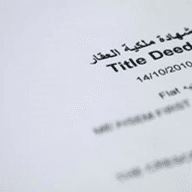
The title deed of the property is proof of property ownership in Dubai.
Sale and purchase agreement (SPA) to outline key terms of sale
Proof of payment in the form of receipts and submitted cheques to the relevant parties.
Valid passport, Emirates ID, and visa copies.
Valid documentation for a bank mortgage (if applicable).
Registration documents are done at the DLD.
Tenancy contract between the landlord and tenant (in case of rental properties).
DEWA bills (for utilities).
Property disputes generally occur between a tenant and landlord. In the case of rental disputes, the DLD and RERA have a set of guidelines aimed to help settle such disputes.
Where a landlord and tenant cannot resolve a tenancy dispute directly, the matter can generally be referred to Dubai’s Rental Disputes Center (RDC), the judicial body responsible for resolving rental disputes within its jurisdiction.
The applicable procedure depends on the nature of the dispute, and decisions may be subject to appeal where the relevant legal requirements are met. Buyers, sellers and investors involved in other types of property disputes may be subject to different dispute-resolution procedures depending on the contract and nature of the claim.
Dubai’s regulatory framework includes specific rules covering property registration, off-plan sales, escrow accounts, brokerage activity, tenancy relationships and jointly owned property. Buyers should ensure that developers, brokers and projects are appropriately registered and that all sale and ownership documentation is processed through the relevant DLD systems.
For off-plan purchases in particular, buyers should verify the project and developer, review the sale and purchase agreement carefully and ensure payments are made through the project’s approved escrow arrangements.
Because Dubai’s property regulations and administrative procedures can change, buyers and investors should check current DLD requirements or obtain professional legal advice where appropriate before completing a transaction.
Understanding Dubai’s real estate laws and regulations is an important part of buying, selling, renting or investing in property in the emirate. From foreign ownership rules and property registration to tenancy regulations and contractual documentation, the legal framework establishes clear processes for participants across the market.
For buyers and investors, working with a licensed real estate professional and obtaining independent legal advice where required can help ensure that a transaction is properly structured and completed in accordance with current regulations. Engel & Völkers Dubai can support clients throughout the property search and transaction process.

Buy successfully with Engel & Völkers
Discover your perfect property with our expert guidance.
You may also be interested in









Natalie White
Natalie White is Head of Brokerage – Secondary Sales at Engel & Völkers Dubai, overseeing the company’s secondary residential sales business. Working in Dubai real estate since 2015, she has completed more than 300 transactions and developed extensive expertise across Dubailand and the wider residential market. Natalie combines hands-on market knowledge with a clear, service-focused approach, supporting clients through complex property decisions while also providing leadership and strategic direction to Engel & Völkers Dubai’s secondary sales team.
The Dubai Land Department (DLD) oversees Dubai’s real estate sector, while the Real Estate Regulatory Agency (RERA), part of DLD, regulates areas including brokers, developers and real estate activities.
Yes. Foreign nationals can acquire freehold ownership and certain other property rights in areas designated for foreign ownership in Dubai.
Law No. 7 of 2006 concerning Real Property Registration is one of the principal laws governing property ownership and registration in Dubai.
Dubai’s tenancy laws regulate the relationship between landlords and tenants, including tenancy contracts, rent changes, eviction requirements and dispute resolution.
Rental disputes that cannot be resolved between the landlord and tenant can generally be referred to Dubai’s Rental Disputes Center (RDC).
Buyers should verify the property, developer or seller, ownership details and relevant registrations, review the sale agreement carefully and ensure the transaction is completed through the appropriate DLD processes.
Contact



Engel & Völkers Dubai
7th Floor, Al Khail Plaza
Jumeirah Village Triangle, Dubai, UAE
Tel: +971 4 4223500