
Learn How to Invest Smartly in Dubai
Download our free investment guide to maximise returns and make informed decisions in Dubai’s property market.
Access exclusive properties and get in touch for personal advisory: Explore Private Office.
Key Takeaways
Zurich, Geneva, New York, Singapore and Hong Kong continue to rank among the most expensive major cities in the world in 2026, driven by high housing costs, strong currencies and premium lifestyles.
San Francisco, London, Copenhagen, Tel Aviv and Los Angeles also feature prominently across international cost-of-living comparisons.
Housing, goods and services, transport, currency strength and inflation are among the main factors influencing global cost-of-living rankings produced by organisations such as Mercer and the Economist Intelligence Unit.
Rent for a centrally located one-bedroom apartment can exceed $4,000 per month in cities such as New York, while everyday costs remain particularly high across Switzerland.
Dubai is increasingly positioning itself as a luxury global city while still offering comparatively strong value relative to many traditional financial hubs.
When it comes to cities around the world, there are tens of thousands, but only a select few consistently make headlines as the most expensive cities in the world. These global hubs are known for their high living costs, premium lifestyles and strong economies that continue to attract professionals, investors and high-net-worth individuals alike.
From housing and transportation to dining and everyday essentials, leading consultancies such as Mercer and the Economist Intelligence Unit continue to analyse and compare the world’s most expensive cities based on factors including rent, inflation, transport costs, currency strength and overall living expenses. While annual rankings vary depending on the methodology used, cities such as Zurich, Geneva, New York, Singapore and Hong Kong consistently remain among the world’s costliest major destinations.
This blog explores 10 of the most expensive cities in the world in 2026, comparing their cost of living, lifestyle appeal and what it takes to experience, or invest in, these global destinations.
Table of Content
List of 10 most expensive cities in the world
Ranking methodology – How are cities ranked?
Why do people continue moving to expensive cities?
Breakdown of living costs in expensive cities
Luxury real estate in the world’s most expensive cities
Expensive cities for expats and investors
Tips for living in an expensive city
Conclusion – Are expensive cities worth living in?
Curious to find out which cities are among the most expensive in the world? These destinations are costly for different reasons, ranging from limited housing supply and high rents to strong currencies, expensive services and sustained demand from global residents and investors.
Because cost-of-living studies use different criteria, this list should not be interpreted as a definitive ranking from one individual index. Instead, it brings together 10 major global cities that regularly feature among the world’s most expensive locations across consumer, expatriate and housing-cost comparisons.
Zurich has long featured among the most expensive cities in the world to visit and live in, serving as both a European and global financial capital as well as a major tourism destination.
Accommodation remains one of the biggest cost drivers, with strong demand and tightly regulated supply pushing rents upward. A one-bedroom apartment in the city centre typically costs between $2,500 and $3,800 per month, or more. While residents earn competitive salaries, daily expenses are significant, from groceries and public transport to dining out, where a single meal can cost $25 to $40 per person.
The strength of the Swiss franc also contributes to Zurich’s high position in international comparisons. In 2026, the city continues to stand out for expensive consumer goods, restaurant prices and transport, although high local salaries and purchasing power help offset some of these costs for residents.
Switzerland is home to not just one but several of the world’s most expensive cities. Geneva attracts high-income earners, international diplomats and globally mobile professionals, supported by institutions such as the World Health Organization and the United Nations.
The city offers an exceptional quality of life, from education and culture to healthcare and housing. Rent for a one-bedroom apartment in Geneva’s prime districts ranges from approximately $2,700 to $4,000 per month, with food and groceries priced similarly to Zurich. Mandatory private health insurance and premium service costs contribute further to Geneva’s high living expenses.
Luxury retail, limited housing availability and the strength of the Swiss franc all reinforce Geneva’s position as one of the costliest global cities.
The Big Apple frequently appears among the most expensive cities in the world. A financial powerhouse and cultural icon, New York combines business, fashion, media and entertainment, but all at a significant cost.
Limited space and consistently strong demand make rent one of the largest expenses. A central one-bedroom apartment can cost between $3,500 and $5,000 per month, while sought-after parts of Brooklyn and Queens also command high prices.
Daily costs, including groceries, childcare, healthcare and entertainment, are well above the US national average. Despite these expenses, New York’s enduring reputation as a centre of opportunity continues to attract professionals, businesses and investors from across the world.
When people think of the most expensive city in the world, Singapore almost always comes to mind. Known for its exceptional living standards, vibrant food scene, accessibility and strong job market, the city represents urban living at its most efficient, but it comes with a substantial price tag.
While rent is steep, with a one-bedroom apartment in the city centre costing approximately $3,000 to $4,000 per month, private transport can take an even larger share of household expenses. To control congestion, Singapore requires prospective vehicle owners to obtain a Certificate of Entitlement, adding significantly to the cost of owning a car.
Many consumer goods are imported, while alcohol, private education and international-standard accommodation can also be expensive. Nevertheless, public transport remains efficient, and the city continues to attract international businesses and highly skilled professionals.
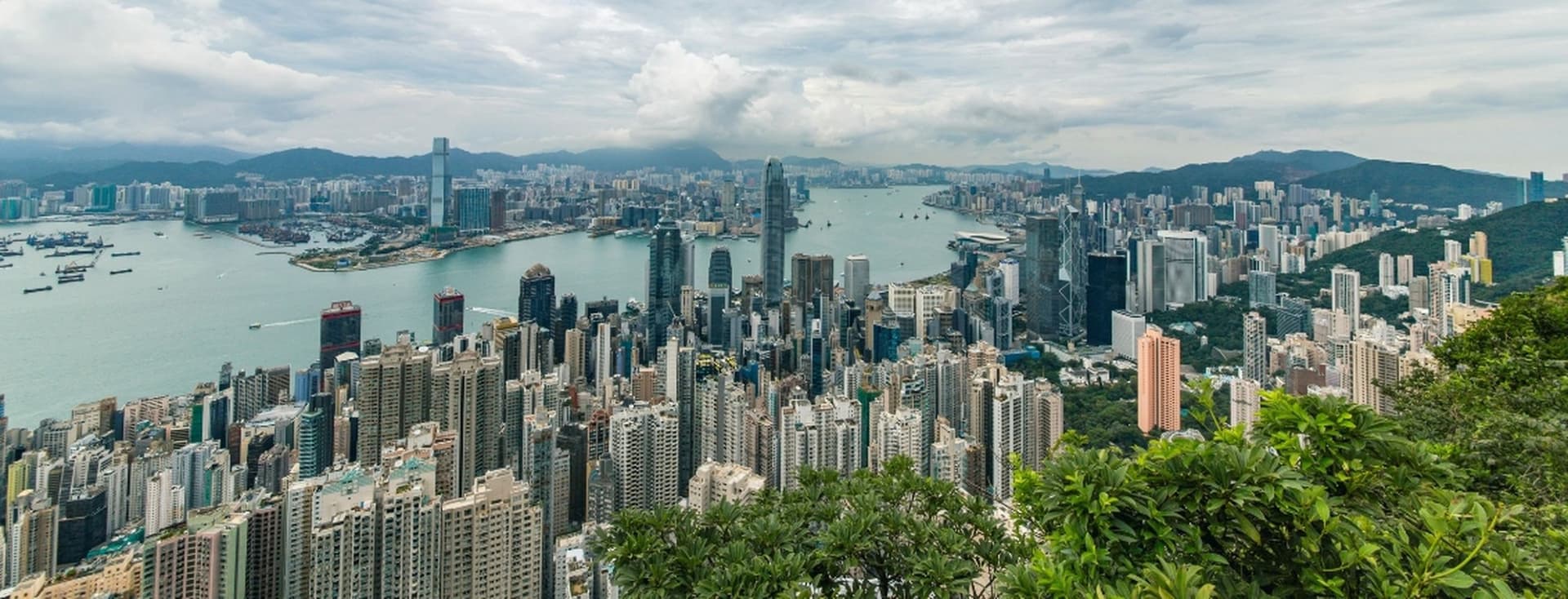
Hong Kong regularly features on global cost-of-living lists and has frequently been named the most expensive city for international employees. It is not only a leading financial centre but also a major tourism and business hub, attracting residents from around the world.
Limited developable land, high population density and sustained housing demand are key drivers behind Hong Kong’s exceptionally high property prices. Median home values have historically reached multiples far above median household income, while the average rent for a one-bedroom apartment in a central location can range from approximately $2,800 to $5,000 per month.
Although everyday restaurant prices can compare favourably with some Western financial centres, housing remains a substantial burden. The city’s compact geography and international business status continue to support demand despite its high costs.
San Francisco remains one of the most expensive cities in the United States, driven largely by housing costs, high salaries and its concentration of technology companies and investment capital.
Demand from highly paid technology workers has historically placed considerable pressure on a limited housing stock. One-bedroom apartments in central and desirable neighbourhoods regularly command some of the highest rents in the country, while purchasing a home remains beyond the reach of many households.
Everyday services, dining, childcare and recreation are also expensive. Gym memberships, for example, are among the costliest in the cities assessed by Deutsche Bank’s 2026 global price research. The city nevertheless continues to attract entrepreneurs and technology professionals due to its innovation ecosystem and access to capital.
London is one of the world’s leading centres for finance, business, culture, education and tourism. Its global appeal, combined with constrained housing supply in central and highly connected neighbourhoods, makes it one of Europe’s most expensive major cities.
Accommodation is typically the largest expense. Rents vary significantly by borough, but centrally located one-bedroom apartments frequently cost considerably more than the UK average. Transport, childcare, dining and entertainment can also account for a substantial proportion of household income.
Even with its high cost of living, London continues to attract international businesses, students, investors and professionals. Its employment opportunities, cultural institutions and global transport connections help sustain long-term housing and lifestyle demand.
Copenhagen regularly features among Europe’s most expensive cities, particularly when it comes to restaurants, consumer services and everyday living costs.
High wages, taxation and labour costs contribute to elevated prices across dining, leisure and personal services. Housing in central and desirable neighbourhoods can also be costly, while private vehicle ownership comes with significant taxes and expenses.
However, residents benefit from strong public services, extensive cycling infrastructure, reliable transport and a high standard of urban living. Copenhagen’s combination of sustainability, design and quality of life continues to attract professionals and international residents despite the higher costs.
Tel Aviv is one of the Middle East’s most expensive cities, supported by high housing demand, limited supply and its position as an important technology and business centre.
Rent, dining and imported consumer goods can all be costly, while currency movements and regional supply-chain pressures can affect household expenses. The city is particularly known for high restaurant and grocery prices, with even casual dining costing considerably more than in many other regional cities.
Despite the expense, Tel Aviv continues to appeal to professionals and entrepreneurs because of its technology sector, coastal lifestyle and vibrant cultural scene.
Los Angeles remains one of the most expensive cities in the United States, particularly when housing, private transport and lifestyle expenses are considered together.
High demand across desirable neighbourhoods, limited housing construction and the city’s broad geographical footprint contribute to significant accommodation and commuting costs. Many residents rely on private vehicles, adding fuel, insurance, maintenance and parking to their monthly expenses.
Los Angeles continues to attract residents through its entertainment, technology, creative and professional industries. Its climate, lifestyle and global cultural influence support demand, but achieving a comfortable standard of living generally requires a substantial income.
Learn How to Invest Smartly in Dubai
Download our free investment guide to maximise returns and make informed decisions in Dubai’s property market.
So, how do cities around the world earn their place on lists of the most expensive cities in the world?
There is no single determining factor or universal ranking. Instead, studies are compiled using extensive data and analysis from organisations such as Mercer, the Economist Intelligence Unit, Deutsche Bank and consumer cost databases. Each applies a different methodology and may therefore produce a different result.
Mercer’s research is designed primarily to help companies calculate compensation for internationally mobile employees. Housing costs and exchange-rate movements therefore play a particularly important role. Consumer-focused indices may place greater emphasis on groceries, restaurants, public transport and other everyday expenses.
Here are the main factors considered when determining which cities are the most expensive to live in:
Housing: Often the biggest cost driver, as monthly or annual rent forms a major portion of living expenses. Limited supply, strict regulations or high demand can push prices upward in global financial hubs.
Currency: Strong national currencies make cities more expensive for foreigners and expatriates. Cities such as Zurich, Geneva and Singapore can rise in global rankings when their currencies strengthen against the US dollar.
Goods and services: Everyday costs including healthcare, public transport, dining and groceries are key indicators of affordability. Cities that rely heavily on imported food and consumer goods may experience higher prices.
Transport: Public transport fares, fuel costs, vehicle taxation and parking can all influence the overall cost of living. Singapore is a particularly clear example, as policies designed to limit car ownership make private vehicles exceptionally expensive.
Inflation: Rising inflation affects nearly all aspects of living expenses, from rent and utilities to groceries. Analysts update rankings to account for these changes, although movements in exchange rates can sometimes have an equally significant effect.
Lifestyle and household profile: The cost of living differs considerably depending on whether someone is a single renter, a family with children, a homeowner or an expatriate receiving private healthcare and education benefits. For this reason, rankings should be viewed as comparative indicators rather than exact household budgets.
Despite their high living costs, many of the world’s most expensive cities continue to attract professionals, entrepreneurs and investors due to their economic opportunities, infrastructure, safety, education systems and global connectivity.
In many cases, high salaries, strong business ecosystems and long-term investment potential help offset the increased cost of living. Cities such as Singapore, New York, London and Dubai also continue to benefit from international wealth migration, further supporting demand for luxury real estate and premium lifestyles.
Expensive cities frequently concentrate leading employers, universities, cultural institutions and professional networks in one location. Residents may therefore accept higher housing and daily expenses in exchange for career progression, business access or a particular standard of living.
What does it take to live in one of the most expensive cities in the world, and what kinds of expenses should you expect? While each city varies in currency, local taxes and lifestyle, several cost categories consistently stand out.
Rent: In nearly all major global cities, rent is the single largest monthly expense. High demand, limited supply and central locations can easily consume a significant share of household income.
Groceries: Grocery costs vary depending on lifestyle and dietary habits, but cities that import much of their food, such as Hong Kong and Singapore, can face higher prices than markets with greater domestic production.
Utilities: Utility expenses, including electricity, water, internet and heating or cooling, depend heavily on local policies and climate. Colder cities such as Zurich or Geneva incur heating costs, while warmer regions may spend more on cooling.
Transport: Most expensive cities offer reliable public transport systems that are often cheaper than maintaining a private car. However, in cities such as Singapore, where private vehicle ownership requires costly permits, transport can quickly become a major expense.
Recreation: From dining and cultural experiences to fitness memberships, recreation costs are significantly higher in global financial hubs, reflecting both high service standards and local demand for premium experiences.
The table below uses Numbeo’s 2026 mid-year indices to illustrate how costs differ between the cities in this article. New York is set as the benchmark at 100. The cost-of-living index excludes rent, while the combined index incorporates both everyday expenses and accommodation.
| City | Cost-of-living index | Rent index |
|---|---|---|
Zurich | 123.1 | 74.5 |
Geneva | 111.3 | 64.3 |
New York | 100.0 | 100.0 |
San Francisco | 94.9 | 81.4 |
Singapore | 90.8 | 68.3 |
London | 88.0 | 66.9 |
Tel Aviv | 103.9 | 49.4 |
Copenhagen | 86.8 | 44.6 |
Los Angeles | 84.5 | 65.7 |
Hong Kong | 76.4 | 59.1 |
Dubai | 62.5 | 54.1 |
Housing is one of the strongest links between global wealth, cost of living and luxury real estate. Many of the cities in this list have limited prime land, restrictive planning environments or intense demand from international buyers. This creates competition for a relatively small supply of high-quality homes.
In New York, prime apartments in Manhattan combine scarcity with access to one of the world’s most important financial centres. San Francisco’s luxury market is supported by technology wealth, while Los Angeles attracts buyers through its combination of privacy, climate and entertainment-industry influence.
Hong Kong and Singapore remain important gateways for wealth in Asia. Limited land and high population density have contributed to some of the world’s highest residential prices, particularly for centrally located and waterfront properties.
Zurich and Geneva offer a different luxury proposition. Both combine political and economic stability, privacy, high living standards and access to international business. Tight housing supply and construction controls help sustain premium pricing.
London continues to function as a global store of wealth, with prime residential districts attracting buyers from Europe, the Middle East, Asia and the Americas. Copenhagen and Tel Aviv have smaller luxury markets, but limited supply and strong local demand support high prices in their most desirable neighbourhoods.
Dubai has increasingly joined this international luxury property landscape. Prime apartments, branded residences, waterfront homes and large villas are attracting globally mobile buyers who may otherwise consider London, New York, Singapore or Switzerland. While Dubai’s luxury property prices have risen, buyers can often secure more space, newer amenities and comparatively lower acquisition prices than in many established global financial centres.
Cost alone does not determine whether a city represents a strong real estate investment. Buyers should also consider supply, population growth, taxation, transaction costs, rental demand, regulation and long-term economic prospects.
While Zurich, Geneva, New York, Singapore, Hong Kong, San Francisco, London, Copenhagen, Tel Aviv and Los Angeles feature prominently in global comparisons, several other destinations consistently appear in high-cost rankings for expatriates and investors:
Basel, Switzerland: Appears alongside Zurich and Geneva near the top of consumer cost-of-living indices.
Lausanne, Switzerland: Combines high everyday prices with strong living standards and access to the Lake Geneva region.
Honolulu, United States: Expensive housing and imported goods contribute to high household costs.
Oslo, Norway: Known for high wages, taxation and expensive consumer services.
Paris, France: Prime housing, dining and lifestyle costs remain high, particularly in central districts.
Sydney, Australia: Housing, dining and selected consumer goods contribute to its position among expensive international cities.
Boston, United States: High rental costs, education and healthcare demand make it one of the costliest American cities.
Amsterdam, Netherlands: Housing shortages and sustained international demand have increased accommodation costs.
Nassau, Bahamas: Imported goods and premium housing can make the city costly for international residents.
Dubai, UAE: A growing luxury hub with rising housing costs, but comparatively strong overall value against many established financial centres.
For expatriates, headline rankings do not necessarily reflect the complete financial picture. Income tax, salary levels, employer-provided benefits, schooling, healthcare and housing allowances can substantially change the real cost of living in each destination.
For investors, high living costs can indicate strong demand and wealth concentration, but they may also mean lower rental yields, higher transaction costs and more challenging entry prices.
Exploring or relocating to one of the most expensive cities in the world does not have to mean sacrificing comfort. With the right planning, you can enjoy city life while maintaining financial stability. Here are a few practical tips:
Create a realistic budget: Divide your income into clear categories for housing, transport, food, healthcare and leisure. Base the budget on the city and neighbourhood you are actually considering rather than a national average.
Prioritise housing carefully: Living slightly outside the city centre or close to reliable public transport can reduce accommodation costs without significantly limiting access to employment and amenities.
Compare total compensation: A higher salary does not always result in greater disposable income. Consider taxation, rent, insurance, childcare and pension contributions when comparing job offers between cities.
Use public transport: In cities such as Singapore, London, Zurich and Copenhagen, public transport can be significantly more economical than owning and maintaining a private vehicle.
Look for local deals: Every major city offers ways to save, from local apps and websites to loyalty programmes and discount periods at restaurants, supermarkets and cultural attractions.
Build an emergency fund: Unexpected expenses can arise wherever you live. Setting aside a fixed amount each month provides a safety net for medical costs, job changes or other unforeseen circumstances.
Review currency exposure: Expatriates earning or holding savings in a different currency should consider how exchange-rate movements may affect their rent, income and long-term purchasing power.
The world’s most expensive cities continue to attract residents, investors and businesses because they often combine strong economies, global connectivity, safety, infrastructure and lifestyle opportunities in ways few other destinations can match. While the cost of living in cities such as Zurich, Geneva, New York, Singapore and Hong Kong remains exceptionally high, demand continues to be supported by career opportunities, wealth concentration and international appeal.
However, a high-cost city is not automatically unaffordable for every resident. Zurich and Geneva combine exceptionally high consumer prices with strong local salaries and purchasing power, while New York’s much higher rental burden can leave households with a very different financial outcome. The value of living in any city therefore depends on income, household circumstances and personal priorities, not simply its position in a global index.
Dubai is increasingly positioning itself within this global conversation. Although living costs and property prices have risen significantly in recent years, Dubai still offers a comparatively attractive balance between luxury living, tax efficiency, business opportunity and lifestyle value when compared with many traditional financial capitals.
For investors, expatriates and high-net-worth individuals, understanding how global cities compare on both cost and quality of life can play an important role in making long-term lifestyle and investment decisions.
Live Exceptionally. Invest Wisely.
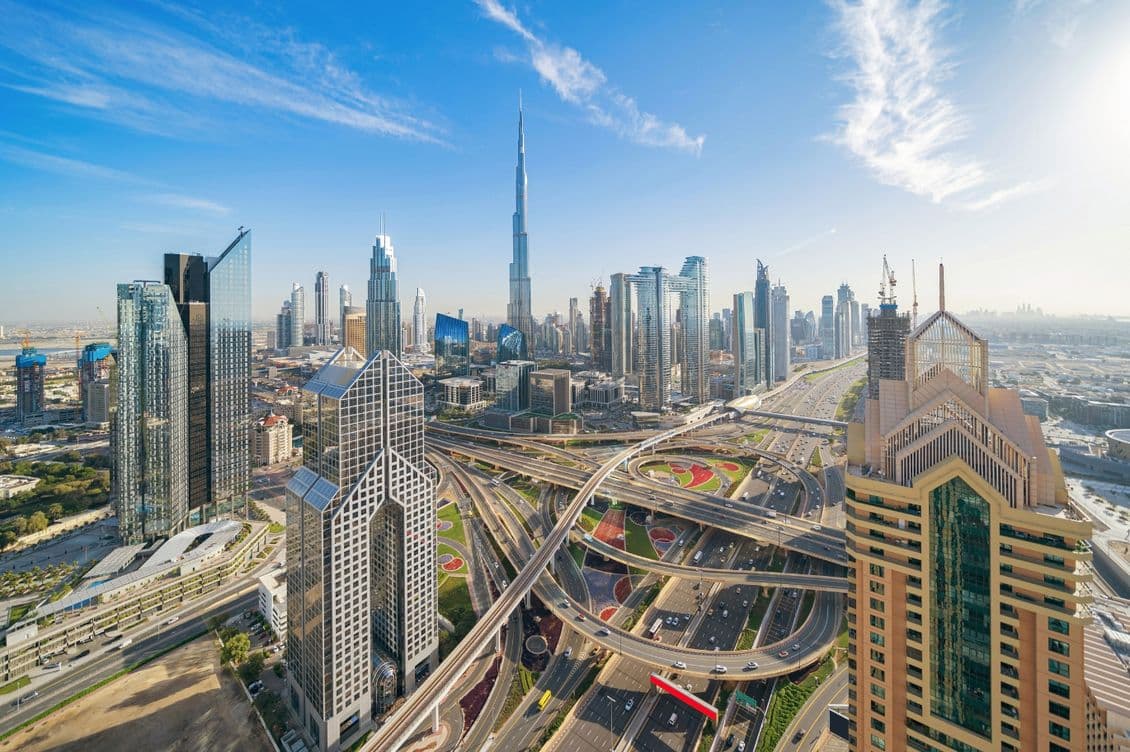
Explore a destination that offers both prestige and unmatched value. Discover Dubai’s luxury properties, from skyline apartments to beachfront villas.
You may also be interested in







Hong Kong, Singapore, Zurich, Geneva, and New York are widely considered among the most expensive cities in the world in 2026 based on housing, transport, and overall living costs.
Cities become expensive due to factors such as limited housing supply, strong economies, high salaries, international demand, inflation, and the concentration of wealth and business activity.
Dubai is becoming increasingly expensive, particularly in prime residential areas, although it still offers comparatively strong value relative to cities such as London, New York, Hong Kong, and Singapore.
Cities such as Hong Kong, New York, and Singapore consistently rank among the world’s most expensive rental markets due to limited supply and exceptionally high demand.
Many expensive cities attract investors because they often benefit from strong economies, international demand, infrastructure development, and long-term real estate value growth.
Dubai, Singapore, London, New York, and Hong Kong remain among the most popular cities for expatriates due to career opportunities, connectivity, and lifestyle offerings.