- 5 min read
- 20/02/2026
Renting out your property: 6 mistakes landlords must avoid

Key takeaways
- Renting a home can bring in a steady income, but some critical mistakes turn property management into a source of stress and financial losses.
- From an incomplete lease to the absence of insurance, every omission carries legal and financial risks.
- Knowing the legal requirements, choosing the right tenant and working with a real estate consultant are the foundations of a successful lease.
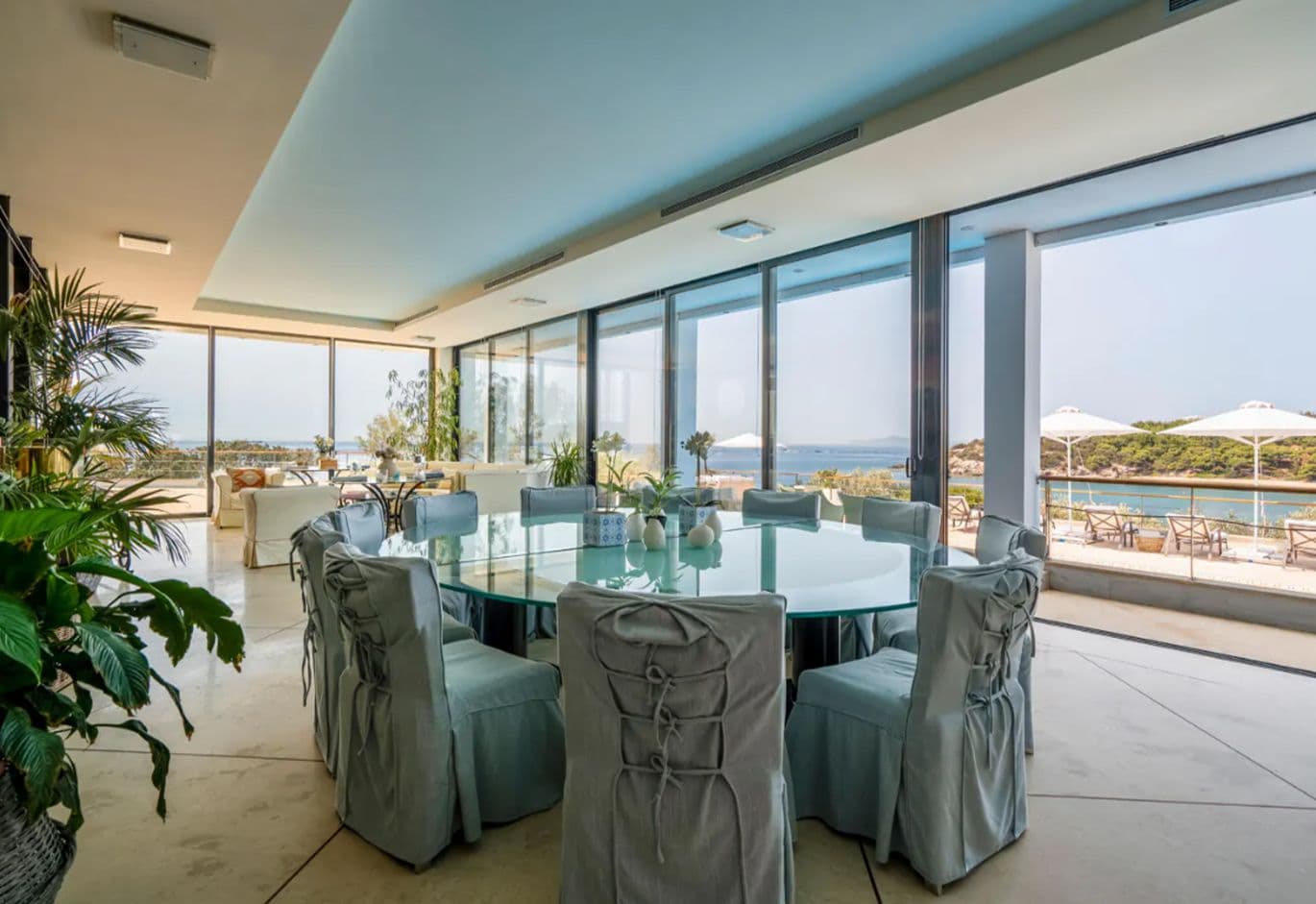
Renting out a property is one of the most popular forms of investment in Greece. Thousands of owners rely on monthly rent as a supplemental or even primary income. However, renting out a property is not just a matter of “turning the key and signing the contract”. Without proper preparation, a seemingly safe venture can turn into a legal nightmare or a serious financial loss.
In this article, we examine the 6 most common mistakes that owners make when renting out a home and explain how to avoid them with practical advice, references to applicable legislation and our experience as Engel & Völkers Greece.
1. Incomplete or non-existent written lease agreement
Perhaps the most critical mistake and at the same time the most common - is renting without a clear, written lease agreement. Many owners, especially when renting to acquaintances or relatives, rely on oral agreements. This practice carries serious risks, as without a written agreement it is very difficult to prove the obligations of each party later.
A lease agreement must describe in detail the property being rented, the amount of the rent, the time and method of payment, the duration of the lease, the amount of the deposit, future increases, maintenance obligations and the rules for using the property. Equally important is the electronic submission of the lease to the AADE platform within 30 days of the start of the lease, an obligation that many ignore. Late or non-submission will result in a fine of €100 for the owner.
2. Ignorance of the law on the three-year lease
A mistake that can trap the landlord in a difficult situation is ignorance of the law on the minimum lease term. The minimum term of a residential lease in Greece is three (3) years, regardless of whether the contract states a shorter term. This means that even if you sign a one-year contract, the tenant has the right to remain in the property for three years.
This regulation is a protective provision in favor of the tenant. The landlord cannot request an eviction of a tenant before the three-year period is completed, unless there are specific reasons - such as non-payment of rent or violation of the terms of the contract.
3. Insufficient screening of prospective tenants
The rush to quickly “close” a rental leads many landlords to the mistake of accepting the first candidate without any screening. This practice can be very expensive: a tenant who is unable or refuses to pay creates financial losses that far exceed the cost of a short vacancy period.
A proper screening includes requesting payroll or tax statements (pay stubs) to confirm income, employment verification, etc.
A useful rule of thumb is that the monthly rent should not exceed 30-35% of the tenant’s net monthly income. In some cases, especially when it comes to students or young professionals, requesting a guarantor is a reasonable safety precaution.
You can also request a certificate of non-registration with Tiresias, which proves that the candidate has no outstanding checks or overdue debts.
The rental guarantee, which generally corresponds to two months' rent, does not replace the check - but is a necessary supplement.
4. Failure to transfer utility bills to the tenant
This is a mistake that is almost always overlooked, despite its serious consequences. If the electricity (PPC or other provider), water and natural gas bills remain in the name of the owner, then the owner is responsible for any unpaid debts.
Particularly with regard to water bills, EYDAP debts can be burdened by the property itself, creating a problem even in the resale.
Changing the name in PPC and other providers is a relatively simple process: the tenant needs a copy of the lease, ID, VAT number and the recent bill with the service number.
Make sure that the transfer is made within 15-30 days of signing the contract and include a corresponding clause in the lease.
When the tenant moves out, make sure the accounts are transferred back to your name before returning the security deposit.
5. Lack of insurance coverage
Many homeowners consider home insurance an unnecessary expense. However, this mindset can prove disastrous. Greece is located in a seismic zone and there is no shortage of extreme weather events - floods, fires and natural disasters are real risks.
A basic building insurance (fire, earthquake, flood) costs around €100-250 per year for an average-sized apartment, while a comprehensive multi-insurance policy that also includes third-party liability ranges from €200-500 per year, depending on the location, value and coverages.
If you are renting out a furnished property, contents insurance becomes equally crucial. There are also programs that cover loss of rent in the event that the property becomes uninhabitable, as well as legal coverage in cases of disputes with tenants.
In terms of cost-benefit, insurance is probably the most “cheap” protection you can get.
6. Underestimating maintenance costs and tax liabilities
The last mistake, but no less important, concerns the unrealistic assessment of the actual rental cost. Many owners calculate only the income from the rental without taking into account the current expenses.
On the one hand, the maintenance of the property is a constant obligation. Minor problems - humidity, leaks, damage to the installation - if neglected, turn into expensive damages. It is important to clarify from the beginning, and even in writing in the contract, who assumes what: as a rule, the owner covers major damage and wear and tear from the use of time, while the tenant assumes the damage caused by himself.
On the other hand, the taxation of rentals in Greece is not negligible. Rental income is taxed in a graduated manner: 15% for income up to €12,000, 35% for €12,001-35,000 and 45% for amounts over €35,000.
To these is added the ENFIA as a fixed annual cost. Also, do not forget that the presentation of an Energy Performance Certificate (EPC) is mandatory for every new lease, at a cost of approximately €100-300.
Why working with a real estate advisor makes a difference
Avoiding the above mistakes requires knowledge, time and experience. This is where a professional real estate consultant can prove to be your most valuable ally.
The specialized consulting firm of Engel & Völkers does not simply undertake the mediation, it guides you at every stage, from the evaluation and selection of a tenant, to the drafting of a lease, the correct submission to the AADE, the determination of a fair rent based on market data and the management of any problems that arise during the lease.
Especially for owners of high-value properties, professional management is not a luxury but a necessity.
The cost of prevention is always lower than the cost of restoration
If you are considering renting out your property or if you are already facing challenges in its management, contact us.
Our team is at your side, with knowledge of the local market and over 45 years of international experience in the real estate sector.
Important notice
This does not constitute legal advice and should not be construed as such. The text is a compilation of widely-read sources. The landlord and tenant should obtain individualized legal advice from an attorney before entering into a lease agreement.