Exclusive
Pastida, Southern Aegean, Greece
Unique luxury villa in amongst an olive grove in Pastida
Price
€580,000
- 4 Bedrooms
- 3 Bathrooms
- ~160 m² Living area
- ~4,300 m² Plot surface
GG Greece Second Home Edition 2026 Read it online
A vacation home does not only experience wear and tear when in use. It often deteriorates more while you are away.
Key points
A vacation home is most at risk during your absence, when a minor leak, water intrusion, or damp spot can go unnoticed for months.
Humidity, sea salt, and plumbing issues are the primary causes of deterioration, particularly in coastal and island properties.
Effective maintenance relies on prevention, the proper opening and closing of the season, and regular inspections.
A primary residence sends daily, subtle warning signs. A dripping faucet, a window that does not close properly, a wall changing color. In a vacation home, however, there is not always someone present to notice them. A problem that would be resolved in a single day can escalate into severe damage when left unattended for weeks or months.
Consequently, a vacation home does not only experience wear and tear when in use. It often deteriorates more while you are away.
Pastida, Southern Aegean, Greece
Price
€580,000
Afantou, Southern Aegean, Greece
Price
€1,650,000
Kalathos, Southern Aegean, Greece
Price
€435,000
Lindos, Southern Aegean, Greece
Price
€530,000
Lindos, Southern Aegean, Greece
Price
€1,500,000
Rhodes, Southern Aegean, Greece
Price
€495,000
Notia Rodos, Southern Aegean, Greece
Price
€950,000
Rhodes, Southern Aegean, Greece
Price
€270,000
Kremasti, Southern Aegean, Greece
Price
€160,000
A house left tightly sealed for an extended period is not necessarily protected. Without adequate ventilation, humidity gets trapped, the air remains stagnant, and condensation, odors, mold, or damage to walls, woodwork, fabrics, and furniture may appear.
This problem intensifies in coastal areas, where external humidity levels are frequently elevated. If you are wondering how to manage indoor moisture while away, the answer is not simply leaving a window open. It requires controlled air renewal without compromising security, proper air circulation between rooms, and, where necessary, dehumidification with safe water drainage.
Leave interior doors and cabinets slightly ajar, remove damp fabrics, and ensure that bulky furniture is not touching walls prone to condensation. Moisture control is the primary preventive measure against mold, and indoor relative humidity should ideally remain below 60 percent, optimally between 30 percent and 50 percent.
If there is already a persistent odor, extensive mold, or suspicion of a hidden leak, merely cleaning the surface is insufficient. The source must be identified and its scale accurately assessed.
A marine environment gradually takes a toll on exposed materials. Airborne salts retain moisture and accelerate corrosion on metal railings, screws, hinges, external air conditioning units, window mechanisms, and electrical equipment.
For this reason, a seafront property requires more frequent visual inspections. Look for peeling paint, areas of oxidation, blistering plaster, difficulty operating windows and doors, and deterioration in joints or sealants. Regularly cleaning exterior surfaces with fresh water, where appropriate for the specific material, and promptly restoring protective coatings can significantly limit the progression of wear.
Durability depends on the material, application quality, and proximity to the sea. Therefore, protective measures and the selection of suitable coatings should be undertaken with the guidance of a technician familiar with local conditions. The coastal environment demands proper anti corrosive protection and systematic checking of metal connections.
A slow leak beneath a sink may seem trivial when caught immediately. In a vacant vacation home, it can run unseen for months, causing extensive damage to floors, walls, cabinetry, or even neighboring properties.
Prior to a long absence, consider shutting off the main water supply, provided this is compatible with the property's systems. If the automatic irrigation, swimming pool, heating system, or other equipment must remain active, have a plumber separate the essential supply lines or recommend a secure solution. Leak sensors placed near water heaters, washing machines, and sinks can also provide crucial early warnings.
In areas prone to frost, exposed pipes require insulation and, depending on the setup, potentially draining. Electric or solar water heaters, boilers, and heating systems should never be powered down without following the manufacturer's guidelines or consulting a specialist, as an improper shutdown can create new risks rather than preventing them.
The garden continues to grow, leaves accumulate in gutters, and rainwater seeks an outlet even when the house is closed. Before winter arrives, it is necessary to clean gutters and drains, trim branches nearing the roof or power lines, and inspect the automatic irrigation system for leaks.
Outdoor furniture, awnings, umbrellas, and lightweight items must be secured or stored away, especially on islands and in wind swept regions. Furthermore, examine canopies, pergolas, fencing, and drainage points following severe weather events.
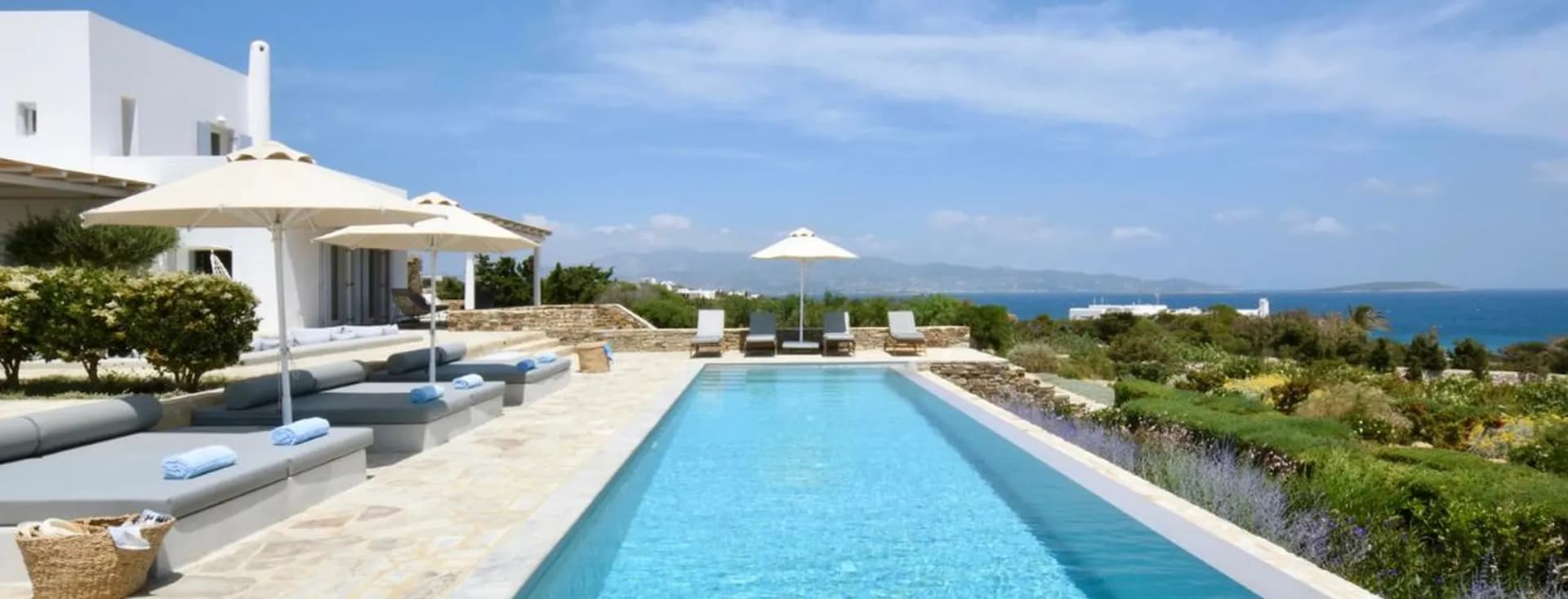
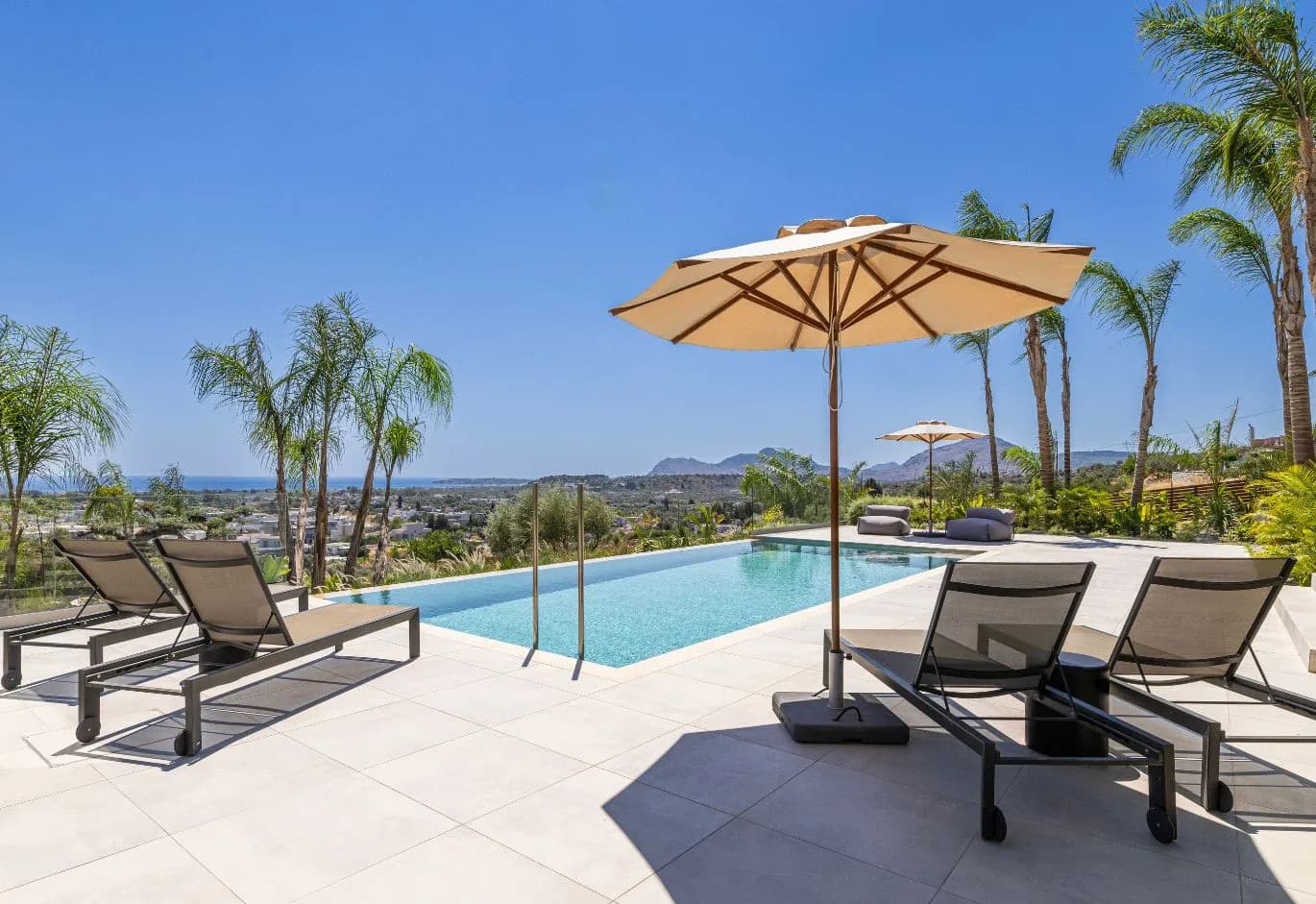
A swimming pool should not simply be abandoned until the following summer. Water quality, levels, circulation, filters, and mechanical equipment require an off season maintenance schedule tailored to the specific installation type and local climate. This care should be entrusted to a specialized professional team.
Opening and closing the season as a structured routine
Properly closing a vacation home should never be rushed. It must be organized. What it should include:
Removal of food and waste
Cleaning, plumbing inspections, protection of outdoor equipment
Adjusting ventilation and dehumidification settings
Isolating any electrical circuits that do not need to remain active
However, we do not simply switch off all circuit breakers mechanically. Alarms, security cameras, routers, dehumidifiers, pumps, or smart automations may require continuous power. An electrician can determine which circuits should stay live and whether surge protection is necessary.
Conversely, opening the season does not begin with unpacking luggage. It begins with a thorough check for odors, dampness, water marks, weather related damage, signs of insects or rodents, and an inspection of outdoor facilities. Restoring the water and power supply should be done gradually, allowing any potential faults to be detected before the house is fully utilized.
Security locks, alarm systems, motion sensors, timed lighting, and remote monitoring setups can greatly enhance your property's protection.
Technology, however, cannot substitute a physical inspection. A trusted individual who periodically visits the property can identify a strange smell, a broken window, a drop in water pressure, or a trace of moisture that fails to register on a screen.
For routine checks, maintenance, and repairs, the ideal solution is partnering with reliable professionals, such as a plumber, an electrician, a pool technician, a gardener, and others.
Despite its demands, a vacation home remains one of the most meaningful lifetime investments. It is a sanctuary for holidays, cherished family moments, and a completely different relationship with time. Caring for it should not negate this joy, but rather preserve it.
How effortless ownership will be depends heavily on the decisions made prior to purchase. Build quality, orientation, exposure to winds and the sea, winter accessibility, the availability of maintenance crews, and how the local area operates off season all influence the daily experience as well as future upkeep requirements.
At this stage, the role of Engel & Völkers real estate advisors is paramount. Deep knowledge of the local market assists the buyer in evaluating beyond the view or the first impression, focusing on location, access, property characteristics, and the long term prospects of the area.
The Cyclades
Mykonos appeals to those seeking an intensely cosmopolitan lifestyle and an internationally recognized market. Paros and Antiparos lean more toward the concept of quiet luxury, blending privacy and natural landscapes with high end residences.
The Ionian islands
The Ionian islands combine lush green landscapes, strong architectural influences, and homes with a direct connection to the sea. Corfu stands out for its cosmopolitan character and historic properties, Lefkada for its easy road access and modern villas overlooking the Ionian sea, while Paxos caters to those in search of privacy, tranquility, and understated luxury.
Other destinations
The options are not limited to the Cyclades and Crete. The Peloponnese, the Dodecanese, Halkidiki, the Ionian islands, and islands near Athens cater to a variety of buyer profiles. Read more about the trends and top destinations for vacation homes in Greece.
Are you considering your next vacation home? An EV advisor will guide you to the perfect location and the ideal property.