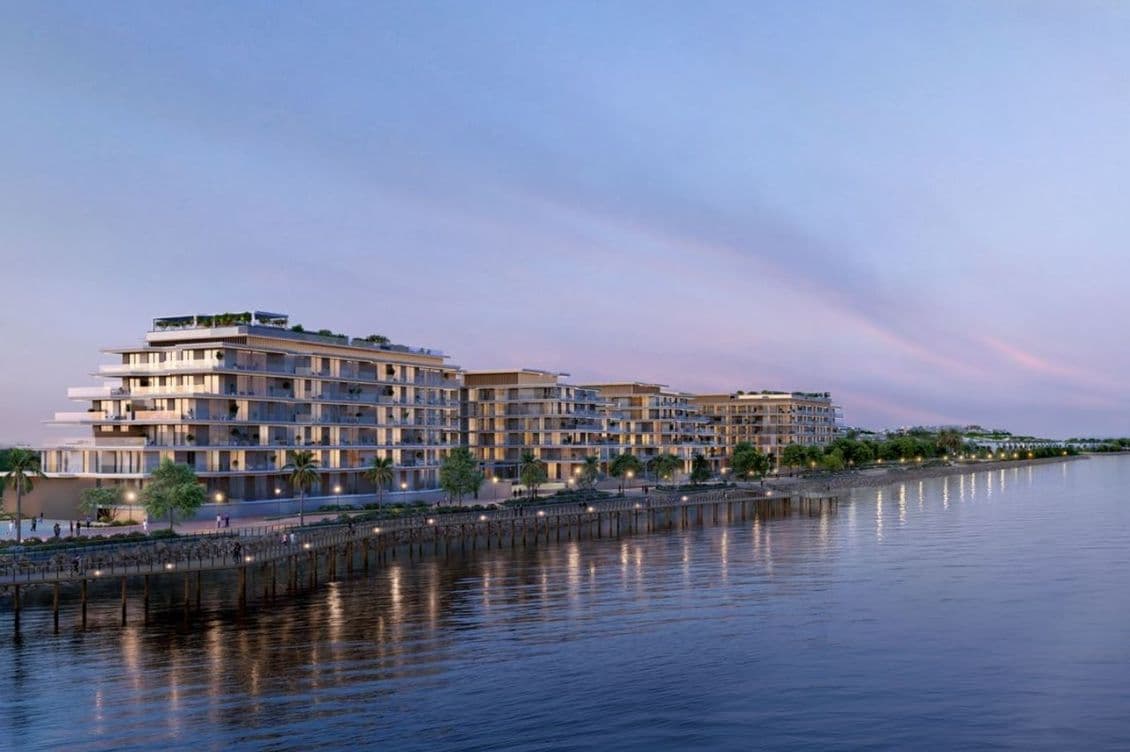
Find your place in Abu Dhabi
Explore premium properties across Abu Dhabi’s most sought-after communities with Engel & Völkers.
The new GG website: Inspiring personalities, extraordinary places and exceptional properties. Discover now

Key Takeaways:
The Abu Dhabi Rental Index provides an official benchmark for rental values, helping tenants, landlords and investors understand average rents across different areas and property types.
The ADREC Rental Index provides indicative quarterly rental pricing and allows users to explore rental values according to factors including municipality, location and property characteristics.
Tenants and landlords can use the Abu Dhabi Rental Index as a reference point when assessing rental values, supporting greater transparency and more informed rental decisions.
Abu Dhabi’s rental market remains strong in 2026, with residential lease values reaching AED 9.3 billion in H1 2026, while a temporary 0% annual rental-increase measure remains in effect until further notice.
Abu Dhabi’s rental market continues to attract strong demand from residents, supported by population growth and the Emirate’s continued economic development. As rental activity and prices have increased, understanding current market values has become increasingly important for tenants, landlords and property investors.
The Abu Dhabi Rental Index, provided by the Abu Dhabi Real Estate Centre (ADREC), offers an official reference point for rental values across the Emirate, helping improve transparency and giving users a clearer understanding of prevailing rents.
This guide explains how the Abu Dhabi Rental Index works in 2026, how to check it, what information it provides and how tenants, landlords and investors can use it when making property decisions.
Table of Content
What Is the Abu Dhabi Rental Index?
How Abu Dhabi Calculates Its Rental Index
How the Abu Dhabi Rental Index Helps Tenants and Landlords
How to Check the Abu Dhabi Rental Index
Abu Dhabi Rental Index by Area and Property Type
Abu Dhabi Rental Index vs Actual Market Rent
Rental Trends Across Abu Dhabi
Conclusion
Also referred to as the ADREC Rental Index or the Abu Dhabi Rent Index, this system has been implemented by the authorities to promote greater transparency around rental values across Abu Dhabi.
It is an official guide providing indicative rental values across Abu Dhabi, helping users understand average rental prices based on factors including:
Property location
Property type
Property size and layout
Market conditions
The ADREC Rental Index provides tenants and landlords with greater visibility of prevailing rental values. It can also serve as a useful resource for investors who want to understand rental pricing across different areas of Abu Dhabi when assessing potential property investments.
Importantly, ADREC states that the Rental Index is intended as a general guide based on aggregate data and should not be treated as a legal reference for determining the exact rental value of an individual property.
The Abu Dhabi Rental Index provides indicative quarterly rental pricing to help users understand current rental values across the Emirate.
The platform uses Abu Dhabi rental market data to provide an up-to-date benchmark, with users able to explore rental information according to factors including:
Municipality
District or zone
Property type
Property size and layout
This allows tenants, landlords and investors to compare indicative rental values across different areas and types of property.
The Abu Dhabi Rent Index can be a useful tool for both landlords and tenants. Here is how it can help when entering into or renewing tenancy agreements:
It provides a clearer picture of rental pricing for investors, landlords and tenants.
It gives tenants a benchmark when assessing whether an asking rent is reasonable.
It helps landlords understand prevailing rental values when pricing their properties.
It supports greater transparency when landlords and tenants discuss rental terms.
It can help both parties make more informed decisions when entering or renewing a tenancy agreement.
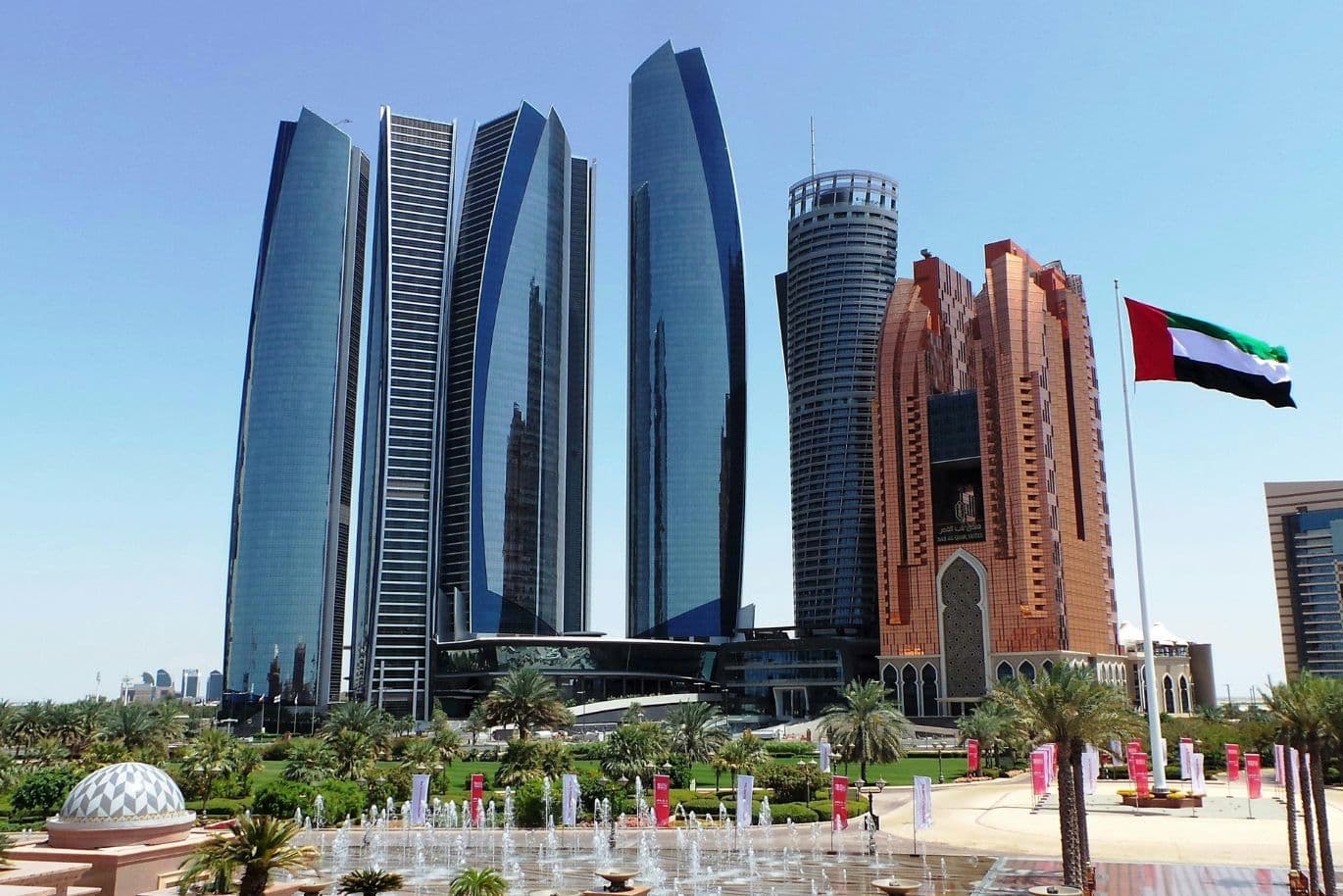
Checking the Abu Dhabi Rental Index is a fairly straightforward process. Here are the steps you can take:
Head to the official ADREC website and open the Property Index section.
Select the Rental Index to view the interactive map.
Use the available options to select the relevant municipality.
Select the relevant district or zone.
Use the available property filters to explore rental information for your chosen area and property type.
The platform will then display indicative rental information based on your selections.
Because the index is regularly updated, checking the official ADREC platform directly provides the most relevant available information when assessing current rental values.
The Abu Dhabi Rental Index allows users to explore rental values according to location and property characteristics. This is particularly important because average rents can differ considerably between communities and property types.
Recent ADREC market data illustrates the differences between some of Abu Dhabi’s established residential areas:
| Area | Property Type | Average Annual Rent |
|---|---|---|
Al Reem Island | 1-bedroom apartment | AED 74,000 |
Al Reem Island | 2-bedroom apartment | AED 104,100 |
Yas Island | 1-bedroom apartment | AED 90,800 |
Yas Island | 2-bedroom apartment | AED 134,900 |
Saadiyat Island | 1-bedroom apartment | AED 87,800 |
Saadiyat Island | 2-bedroom apartment | AED 142,700 |
Saadiyat Island | 3-bedroom apartment | AED 210,100 |
Khalifa City | 3-bedroom villa | AED 160,900 |
Khalifa City | 4-bedroom villa | AED 166,000 |
Al Reef | 2-bedroom townhouse | AED 87,400 |
Al Reef | 4-bedroom villa | AED 145,300 |
Mohammed Bin Zayed City | 2-bedroom townhouse | AED 71,400 |
Mohammed Bin Zayed City | 3-bedroom villa | AED 122,300 |
Mohammed Bin Zayed City | 4-bedroom villa | AED 137,300 |
These figures demonstrate why location and property type are important when using rental-market data. For example, the average annual rent for a two-bedroom apartment is AED 104,100 on Al Reem Island, compared with AED 134,900 on Yas Island and AED 142,700 on Saadiyat Island.
The figures above provide examples of average annual rents from ADREC market data rather than an exact rental valuation for an individual property.
While the Abu Dhabi Rental Index is an important reference point for landlords and tenants, it should not be treated as the exact permitted rent for an individual property.
ADREC states that the index is based on aggregate data and is intended for informational purposes. Actual rental values can vary according to the specific property, its location, size, condition, amenities and other characteristics.
Landlords and tenants must also comply with current Abu Dhabi rental regulations when agreeing or renewing a tenancy.
For tenants, the index can therefore provide a useful benchmark when determining whether an asking rent is broadly consistent with prevailing rental values in an area.
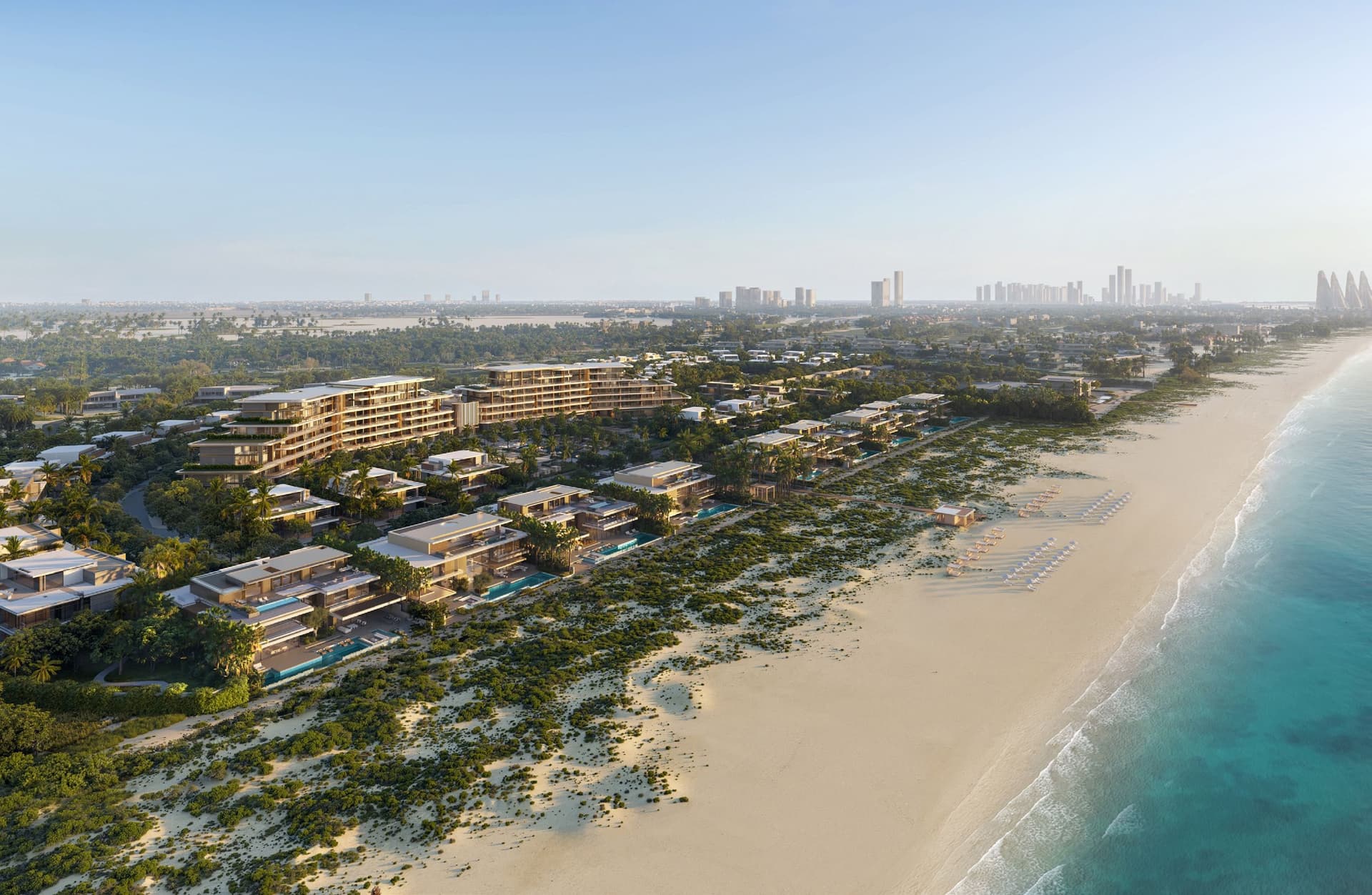
The Abu Dhabi rental market remained strong during the first half of 2026, with high levels of rental activity and continued growth in lease values.
According to ADREC:
The total value of residential leases increased 8% year-on-year to AED 9.3 billion in H1 2026.
Abu Dhabi recorded approximately 233,000 active residential lease contracts.
Rental properties accounted for 69% of occupied residential units in Abu Dhabi Region.
Rental prices also increased during H1 2026, with new-lease prices rising by 17% for apartments and 9% for villas.
However, on 3 June 2026, ADREC introduced a temporary measure setting the permitted annual rental increase at 0%, replacing the previous 5% permitted increase. The measure applies to residential, commercial and industrial properties and remains in effect until further notice.
For a more detailed analysis of rental prices, yields, popular communities and future supply, read our Abu Dhabi Rental Market: Trends & Outlook (2026) guide.
The Abu Dhabi Rental Index has become an important resource for anyone navigating the Emirate’s rental property market. By providing an official reference point for rental values across different locations and property types, the index gives tenants, landlords and investors greater visibility of current market conditions.
For tenants, the Abu Dhabi Rental Index can help assess asking rents and compare different areas. For landlords, it provides useful context when evaluating rental values, while investors can use rental data alongside property prices, yields and demand when assessing opportunities.
However, the index should be used as a guide rather than an exact valuation for an individual property, and current rental regulations must always be taken into account.
If you are looking to buy, sell, lease or rent property in Abu Dhabi, Engel & Völkers can support you with expert local knowledge and guidance throughout your property journey.
Find your place in Abu Dhabi
Explore premium properties across Abu Dhabi’s most sought-after communities with Engel & Völkers.
The Abu Dhabi Rental Index provides indicative rental information across different areas and property types, helping users understand prevailing rental values in Abu Dhabi.
You can access the Rental Index through the official ADREC website and use its interactive property tools to explore rental information according to location and property characteristics.
The Abu Dhabi Rental Index uses market data to provide indicative rental values, with users able to explore information according to factors including location, property type, size and layout.
The Rental Index provides indicative rental values rather than automatically determining permitted rent increases. As of June 2026, Abu Dhabi has temporarily set the permitted annual rental increase at 0% for residential, commercial and industrial properties.
ADREC provides indicative quarterly rental pricing to help tenants, landlords and investors understand current rental values across Abu Dhabi.
Yes. Tenants can use the ADREC Rental Index as a reference point when assessing an asking rent or discussing rental terms with a landlord.
You may also be interested in




Contact



Engel & Völkers Dubai
7th Floor, Al Khail Plaza
Jumeirah Village Triangle, Dubai, UAE
Tel: +971 4 4223500