Find your ideal space with Engel & Völkers Commercial
Explore commercial spaces with an expert partner. We connect businesses with experienced advisors that offer support every step of the way.
Access exclusive properties and get in touch for personal advisory: Explore Private Office.
Key Takeaways:
Business setup costs in Dubai vary by jurisdiction, activity type, and office requirement.
Freezone setups offer 100% ownership, faster registration, and lower upfront fees.
Mainland companies enable UAE-wide trading but require physical office space and higher licensing costs.
Choosing the right structure helps achieve a low-cost business setup in Dubai without compromising compliance.
Starting a business in Dubai is an attractive proposition for entrepreneurs and executives seeking strategic growth. With its zero personal tax, investor-friendly regulations, and global connectivity, Dubai offers a competitive business environment.
Understanding business setup cost Dubai across freezones and mainland structures is critical to making an informed decision and planning your budget effectively. This guide provides an updated comparison for 2026, including hidden costs, cost-saving strategies, and practical insights for both new and experienced business owners.
Table of Content
Why Dubai is a Popular Choice for Business Setup
Mainland vs Freezone: What’s the Difference?
Low-Cost Business Setup in Dubai
Freezone Business Setup Cost Breakdown
UAE Business Setup Cost Comparison Table
Business Setup Costs in Dubai
Hidden and Ongoing Costs to Consider
Low-Cost Business Setup in Dubai
Freezone Business Setup Cost Breakdown
Mainland Company Setup Cost Breakdown
Business Setup Cost in Dubai vs Other UAE Emirates
How to Reduce Your Business Setup Cost in Dubai Legally
Choosing the Right Setup for Your Budget
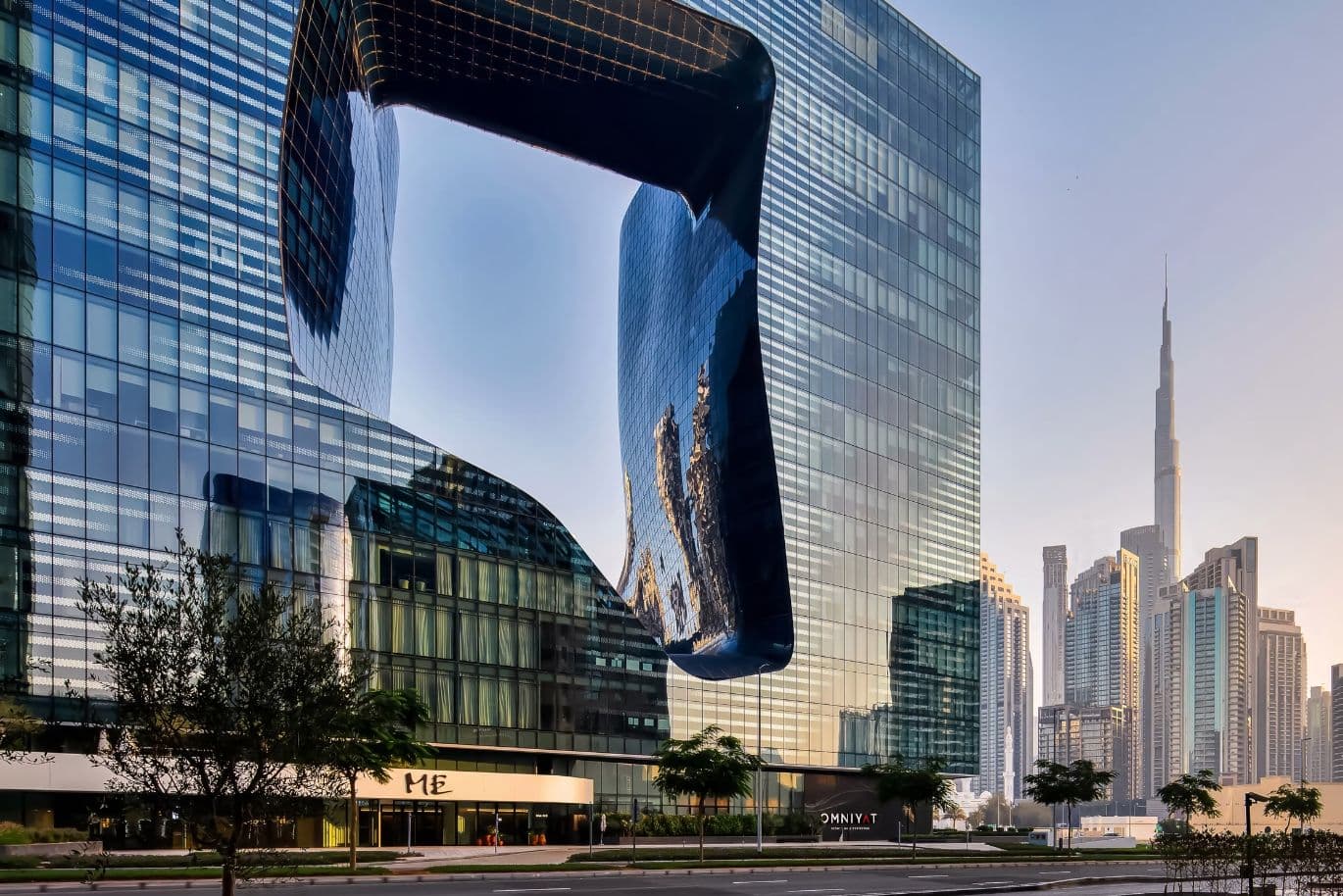
Dubai’s economy is built on innovation, accessibility, and an open approach to international trade. Entrepreneurs from over 200 nationalities have successfully established companies here, benefiting from:
Zero personal income tax and a competitive corporate tax framework of 0% up to AED 375,000 taxable income and 9% above that, subject to applicable rules.
100% foreign ownership in both mainland and freezone entities (in most sectors).
Access to global markets through Dubai’s air, sea, and digital infrastructure.
Streamlined company registration processes that can allow new businesses to launch within days.
These advantages make the cost of starting a business in Dubai particularly appealing compared to other global hubs where ongoing taxation and overheads are significantly higher.
Choosing between a mainland and freezone licence depends on your target market, business activity, and operational needs. Each structure has specific benefits and limitations.
Freezones allow 100% foreign ownership with no need for a local partner. Mainland companies used to require a UAE national sponsor, but reforms now permit complete foreign ownership in most sectors. However, some regulated activities, such as banking or insurance, still require local participation or special approval.
Mainland entities typically need a physical office space registered with Ejari, the official tenancy registration system. Freezones often provide cost-effective alternatives such as flexi-desks or shared offices, which can lower the Dubai mainland business setup cost gap depending on the freezone package.
If you are signing a lease, lease structure and terms can materially affect your first-year budget and renewal costs. It’s worth reviewing a resource such as Engel & Völkers’ guide on commercial lease terms.
Mainland companies can trade freely across the UAE and internationally. Freezone businesses, however, can only operate within their designated zone or overseas unless they appoint a local distributor for mainland operations.
Establishing a low cost business setup in Dubai doesn’t mean sacrificing clarity, compliance, or credibility. It requires selecting the right jurisdiction, matching your business model, and optimizing cost components.
Several freezones stand out for offering cost-efficient packages, particularly suited for start-ups and small enterprises:
IFZA Dubai: Digital onboarding and licensing from AED 11,900.
Sharjah Media City (SHAMS): Ideal for creative and digital ventures.
RAKEZ (Ras Al Khaimah Economic Zone): Excellent value for industrial and service sectors.
Dubai Silicon Oasis / DSOA: Tailored for tech and consulting firms.
These options often bundle licences, visa quotas, and shared workspaces - making them strong contenders for a low cost business setup in UAE.
Mainland business formation has become more accessible in recent years:
DED Trade Licence: For e-commerce and freelancing, priced from about AED 1,050.
Professional Licence: Starting around AED 10,000, depending on the chosen activity.
Government Incentive Schemes: Some emirates offer discounts or subsidies for first-time entrepreneurs or niche sectors.
To minimize overheads:
Use virtual offices or flexi-desk solutions where permissible.
Match visa allocations to actual staffing needs.
Bundle services (licence, PRO, bank setup) under one provider.
Renew licences before expiry to avoid fines.
Research banks with no or low minimum balance requirements.
These steps support achieving a low cost business setup in Dubai while maintaining professional standards.
Setting up a company in a Dubai freezone typically involves several key expenses, each contributing to the total cost of formation. The trade license is usually the largest single component, ranging from AED 9,000 to AED 15,000 depending on the business activity and chosen freezone.
The trade licence forms the core of any freezone setup. Costs typically range between AED 9,000 and AED 15,000, varying according to the nature of the business and the selected jurisdiction. Some freezones also bundle the licence with visa quotas or workspace packages, offering cost savings for new businesses.
Office solutions such as flexi-desks or shared workspaces can add another AED 3,000 to AED 7,000 annually, offering a cost-effective alternative to traditional office leases. These flexible options suit entrepreneurs who need a registered address without the overheads of a full office.
Entrepreneurs should budget approximately AED 3,000 to AED 5,000 per visa, which covers medical tests, Emirates ID, and stamping. In addition, obtaining an establishment card- required for visa processing- costs between AED 1,000 and AED 2,000.
Some entrepreneurs also choose to engage professional assistance for opening a corporate bank account, which may range from AED 2,000 to AED 5,000 depending on the provider. This can simplify compliance and speed up account activation.
Overall, the total investment for a freezone company setup typically falls between AED 18,000 and AED 34,000. Compared to mainland formation, where first-year expenses often exceed AED 30,000 to AED 40,000, freezones remain one of the most practical options for a low-cost business setup in Dubai.
While freezones appeal to start-ups and SMEs due to their simplicity and affordability, it’s helpful to understand how these figures compare to mainland options. The following section outlines the main differences in UAE business setup cost between the two structures.
| Feature | Freezone | Mainland |
|---|---|---|
Ownership | 100% foreign | 100% foreign (in most sectors) |
Licence Fees | AED 9,000 - 15,000 | AED 12,000 - 25,000+ |
Office Requirement | Flexi-desk or office options | Physical office required + Ejari |
Trading Coverage | Zone + international | UAE - wide & global |
Visa Quota | Package-based (often 1–6) | Often linked to office size |
Setup Time | Often faster | Can be longer due to lease steps |
Corporate Tax | Potential 0% on qualifying income if QFZP criteria met | 0% up to AED 375,000, then 9% above, subject to rules |
Important note on tax: Free zone entities are within the Corporate Tax regime. The 0% position applies in specific circumstances (Qualifying Free Zone Person and qualifying income), not as a blanket “freezones are 0%”.
The business setup cost Dubai varies depending on location, business activity, licence type, and visa requirements. While both structures involve registration and administrative fees, the overall expense breakdown provides a clearer comparison.
Expect to pay between AED 9,000 and AED 15,000 for company registration and initial approval in many freezones (varies by zone, activity, and package). Mainland business licences often start around AED 12,000 but can exceed AED 25,000+ depending on the activity and external approvals.
For some specific low-cost mainland routes, Dubai’s official portal lists an example “request to issue a trade licence” fee of AED 1,070 (plus Dubai Chamber membership fee noted on the same page).
Office rent is one of the biggest variables in the cost of setting up a business:
Mainland: Offices or retail units generally must be leased before finalising licensing.
Freezone: Flexi-desks and co-working can reduce early overheads, especially for lean operations.
Ejari registration is listed at AED 220 by Dubai Land Department for registering/renewing the contract (plus any service trustee add-ons if used).
Entrepreneurs often budget AED 3,000–5,000 per visa including medical, Emirates ID, and stamping. This varies by visa type and authority. Some freezones include visas within packages, while mainland visa eligibility can be linked to lease compliance and office size.
Support services such as document processing, bank account facilitation, and insurance can range from AED 2,000 to AED 10,000 depending on what’s included and the complexity of the activity.
When planning your business setup in Dubai, it’s easy to focus on licence and visa fees. Recurring and less visible costs can add up quickly, including:
Annual licence and visa renewals: Both freezone and mainland companies must budget for yearly renewals.
Office compliance: Mainland companies need an Ejari-registered office. Lease renewals or relocation can increase costs.
PRO and government fees: Extra approvals and permits can apply depending on activity and licence type.
Staff costs: Health insurance and labour compliance for employees are ongoing obligations.
Pro tip: Build a first-year budget that includes renewals and lease-related costs from day one. This gives a realistic view of the true cost of starting a business in Dubai.
Establishing a low-cost business setup in Dubai doesn’t mean sacrificing compliance or credibility. It requires selecting the right jurisdiction, matching your business model, and optimising cost components.
Several freezones are marketed with cost-efficient packages that can suit start-ups and small enterprises. As a rule, packages change frequently, so position these as “starting from” and confirm at time of application.
IFZA Dubai: Packages are commonly advertised from around AED 11,900 (varies by package and visa allocation).
Sharjah Media City (SHAMS): Official site lists packages starting from AED 5,750.
RAKEZ (Ras Al Khaimah Economic Zone): Promotes licence options and bundles, including packages mentioned publicly by RAKEZ.
Dubai Silicon Oasis / DSOA: Often used by tech and services firms, with structured setup steps published by DSOA.
These options often bundle licences, visa quotas, and shared workspaces, making them strong contenders for a low-cost business setup in the UAE.
Mainland business formation has become more accessible in recent years:
Trade licence route: Dubai’s official portal lists a trade licence issuance fee of AED 1,070 (plus other fees noted, such as Dubai Chamber membership).
Professional licences: Often start higher depending on activity and approvals.
Government incentive schemes: Some emirates and authorities offer promotions or discounts from time to time.
To minimize overheads:
Use flexi-desk solutions where permissible.
Match visa allocations to actual staffing needs.
Bundle services (licence, PRO, bank setup) where it genuinely reduces total cost.
Renew licences before expiry to avoid fines.
Research banks with low minimum balance requirements.
These steps support achieving a low-cost business setup in Dubai while maintaining professional standards.
Setting up a company in a Dubai freezone typically involves several key expenses.
Costs typically range between AED 9,000 and AED 15,000, varying according to the nature of the business and the selected jurisdiction. Some freezones bundle the licence with visa quotas or workspace packages.
Flexi-desks or shared workspaces can add another AED 3,000 to AED 7,000 annually, offering a cost-effective alternative to traditional leases.
Many founders budget approximately AED 3,000 to AED 5,000 per visa, and establishment card costs can apply depending on authority and package.
Some entrepreneurs engage professional assistance to open a corporate bank account. Costs vary by provider and complexity.
Overall, a freezone setup is often positioned as a practical option for cost control, especially where workspace and visas are bundled. Always confirm the exact package scope and renewal pricing at application stage.
Setting up a company on the Dubai mainland involves several steps that influence total cost, particularly office requirements.
Costs vary depending on the business activity and licence type and are issued through Dubai’s Department of Economy and Tourism via official channels. Initial approvals and trade name steps apply depending on the route.
Mainland companies typically require a physical office registered with Ejari. Office size and location can influence visa eligibility and compliance requirements.
Budget for owner and employee visas, including medical testing, Emirates ID, and stamping. Establishment card requirements apply for visa and labour processing.
Legal documentation such as MOA and other agreements may require drafting and, in some cases, attestation depending on the legal form and activity.
Mainland costs are calculated from multiple components rather than a single package. Dubai’s official “Invest in Dubai” portal provides structured steps and fees for certain routes.
Setup costs vary across emirates due to licensing, office requirements, and how freezone packages are structured.
Dubai often has higher office and operating costs, but strong market access and premium districts.
Other emirates may offer lower base licence fees or cheaper workspace options, which can reduce year-one spend for SMEs.
While some costs are unavoidable, there are legal strategies to optimise your budget:
Choose the right licence type: Avoid paying for approvals you do not need.
Start with a flexi-desk or smaller office: Lower rent and compliance costs where suitable.
Limit sponsored visas initially: Expand as the business grows.
Use bundled services carefully: Only where it reduces total cost, not just headline price.
Leverage professional guidance: To reduce errors, delays, and repeated submissions.
Selecting between a mainland and freezone company structure depends on your market, business activity, and growth strategy. A mainland licence is beneficial if you need UAE-wide operations. A freezone setup can offer a clearer path for controlling early spend, especially for export, digital, or consultancy models.
From a commercial real estate perspective, your workspace strategy is not just a cost line. It affects visa eligibility, credibility with clients, and how easily you can scale. Getting this right early avoids expensive relocations later.
Find your ideal space with Engel & Völkers Commercial
Explore commercial spaces with an expert partner. We connect businesses with experienced advisors that offer support every step of the way.
Freezone pricing changes often. SHAMS publicly lists packages starting from AED 5,750, while other popular options market entry packages in higher bands depending on visas and workspace. Always confirm current packages directly with the authority.
Freezones are often cheaper upfront due to bundled packages and lower workspace requirements. Mainland setups can be higher due to mandatory office leasing, but enable broader UAE trading access.
It depends on jurisdiction and visa requirements. Some low-cost routes exist, but total cost increases when you add visas, workspace, and renewals.
Yes. Visa fees, office costs, bank account setup, renewals, and employee compliance can materially increase year-one spend.
Companies typically renew trade licence, visas, and (for mainland) office/Ejari annually. Costs vary by activity, licence, and visa count. Dubai’s official portal provides structured steps for certain licence routes.
Yes. 100% foreign ownership is available in freezones and permitted for most mainland activities, with exceptions in certain strategic or regulated sectors.

Alex Lourenco
Alex Lourenco is the Head of Commercial at Engel & Völkers Commercial Middle East, where he has built and led the department since its inception. With over a decade of international experience in management and business development, Alex brings a global perspective and a results-driven approach to Dubai’s commercial real estate sector. Under his leadership, Engel & Völkers Commercial was recognised as the Top Team of Engel & Völkers Dubai in 2024, reflecting his focus on performance, collaboration, and long-term client partnerships.
You may also be interested in




Contact



Engel & Völkers Dubai
7th Floor, Al Khail Plaza
Jumeirah Village Triangle, Dubai, UAE
Tel: +971 4 4223500