
Invest Smartly in Dubai Real Estate
Download our free investment guide to maximise returns and make informed decisions in Dubai’s property market.
Access exclusive properties and get in touch for personal advisory: Explore Private Office.
Key Takeaways
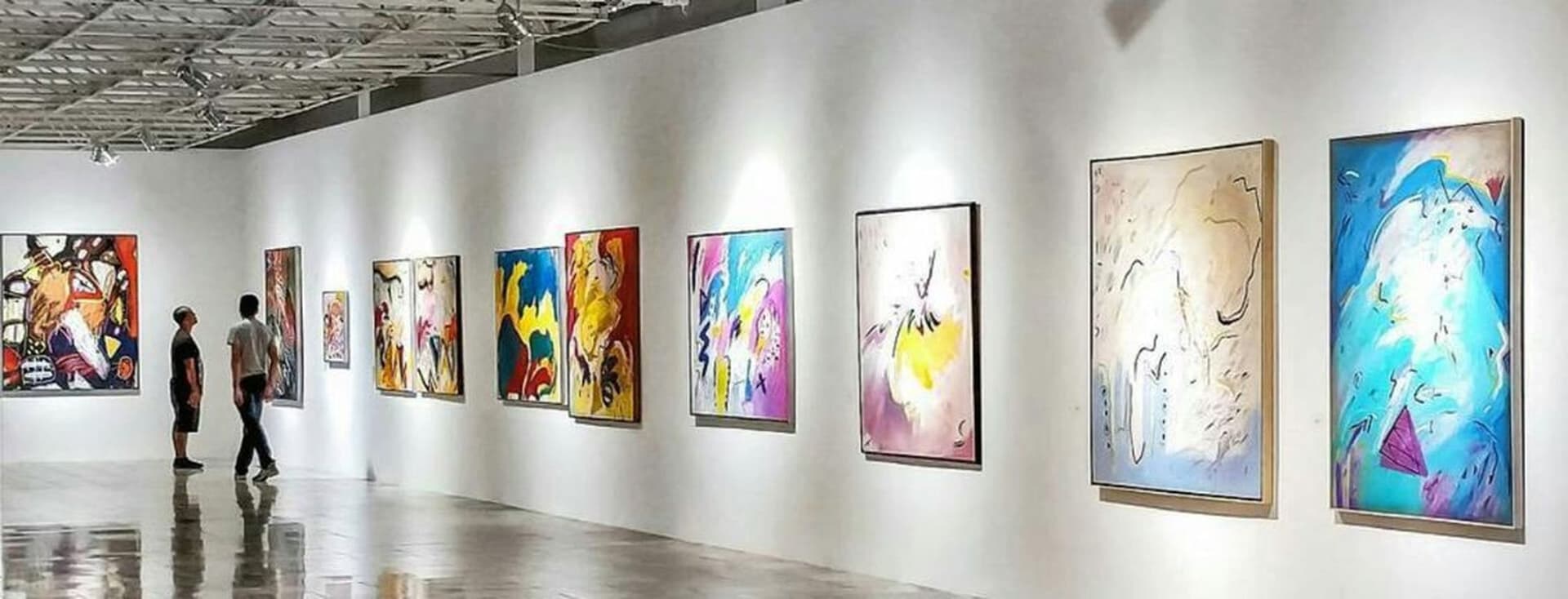
Buying art as an investment continues to gain momentum globally, offering both emotional satisfaction and financial diversification for investors.
Fine art investments can be valued for their stability, low correlation with traditional markets, and long-term appreciation potential, particularly during periods of economic uncertainty.
Key factors influencing art value include the artist’s reputation, rarity, condition, and historical or cultural significance.
First-time investors should research thoroughly, set budgets, and seek guidance from art advisors, galleries, and auction experts before making a purchase.
When thinking about investment opportunities, most people picture stocks, real estate, gold, wine or even cryptocurrency. Yet one timeless and increasingly popular option stands apart, buying art as an investment.
Across the world, investors are rediscovering art not only as a passion but as a tangible asset class capable of delivering long-term value. From paintings by blue-chip artists like Picasso and Warhol to emerging contemporary works, the art market has evolved into a serious investment arena with global transaction volumes exceeding $60 billion in recent years.
This guide explores everything you need to know about art investment in 2026, including its advantages, risks, value drivers, and practical steps for building a smart and emotionally rewarding art portfolio.
Table of Content
Why Consider Art as an Investment?
Pros of Buying Art for Investment
Risks of Buying Art as an Investment
How to Start Investing in Art
Factors That Drive Art Value
Where to Find Investment-Grade Art
Alternatives to Direct Art Ownership
Tips for First-Time Art Investors
Conclusion: Should You Buy Art as an Investment?
While art is undeniably beautiful to own and display, it’s also increasingly recognised as a resilient and profitable asset. Much like vintage cars or fine wine, a masterpiece can appreciate significantly over time, especially when created by an established or historically important artist.
Here’s why art investment is gaining prominence among global investors:
Stability: In times of market volatility, fine art is considered a tangible, low-correlation asset that typically retains its value even when stocks or real estate fluctuate. While appreciation can take time, it’s rare for high-quality artworks to lose value entirely.
Long-term appreciation: Iconic works by renowned artists have historically achieved strong value growth, often appreciating several times over decades. Provenance, rarity, and the artist’s legacy are major factors that influence this appreciation.
Portfolio diversification: Art provides a unique diversification layer for investors looking to balance financial risk. Because it behaves differently from stocks or property, a fine art investment can help smooth returns over time.
Emotional and cultural value: Beyond financial performance, owning art offers personal fulfilment and prestige. Collectors often describe it as an investment that “you can live with,” blending cultural enrichment with wealth preservation.
Ultimately, buying art as an investment is as much about passion as profit, a way to combine personal taste with financial acumen.
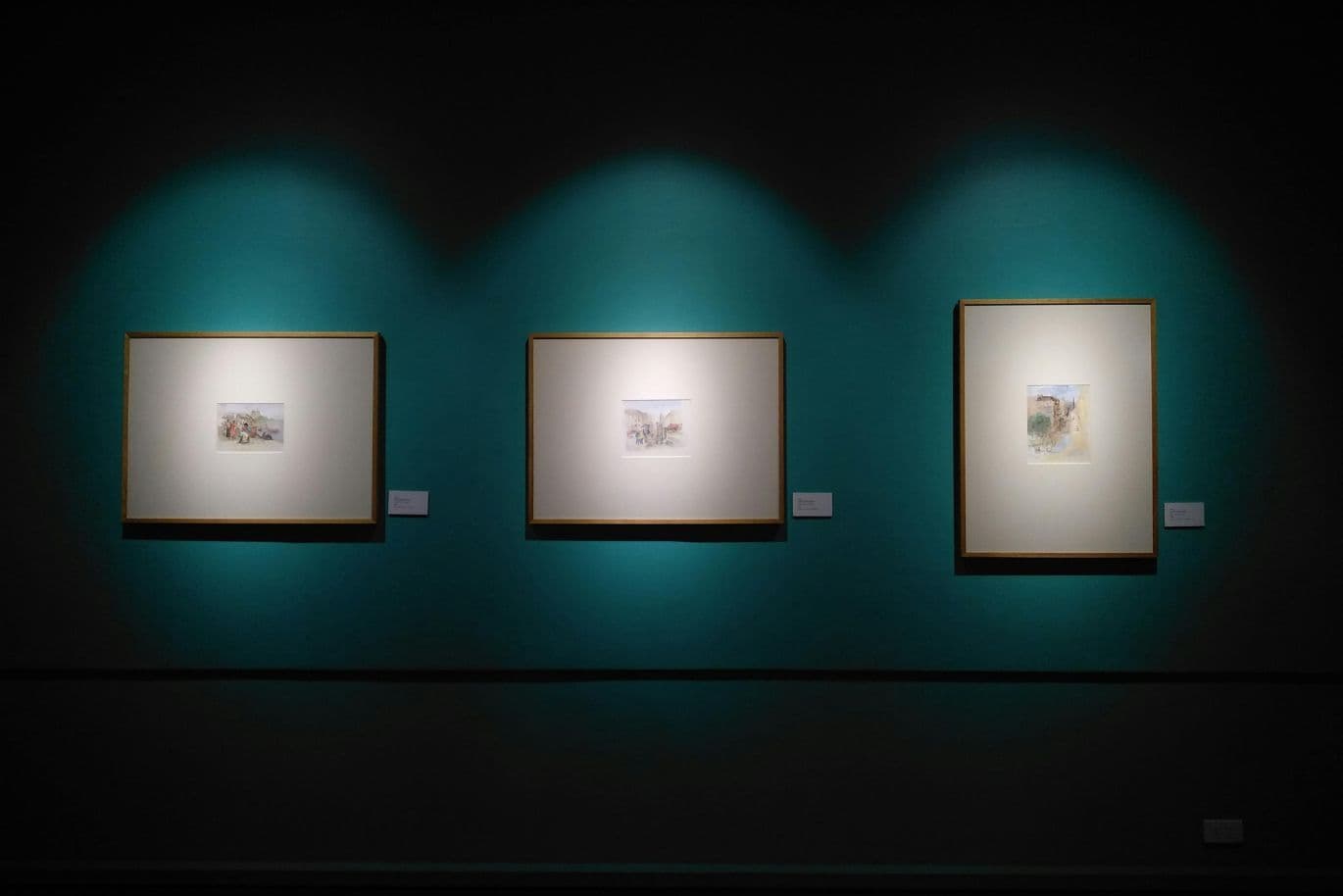
Art investment has clear appeal — both financially and emotionally. For collectors and investors alike, owning art represents more than just aesthetic pleasure; it’s a statement of taste, legacy, and diversification. Here are some of the most compelling advantages:
Low correlation: Art typically performs independently of stock or property markets, making it a useful hedge during volatility. Its value is driven by demand, provenance, and scarcity rather than by interest rates or market cycles.
Cultural and emotional value: Investors often cite the personal satisfaction of living with a piece of history as one of art’s greatest rewards. Beyond returns, fine art connects owners to culture, creativity, and identity, qualities few other assets can provide.
Long-term appreciation: Historically, blue-chip artworks by recognised masters such as Warhol, Basquiat, or Monet have demonstrated steady growth in value. Even contemporary artists with strong reputations can offer significant upside potential as their careers mature.
Portfolio diversification: Adding art to a portfolio enhances asset balance and resilience, particularly when paired with tangible assets like real estate. Together, they create a more stable long-term wealth structure that balances passion with practicality.
In essence, fine art investments combine prestige, performance, and personal fulfilment — an appealing mix for high-net-worth investors who appreciate both beauty and balance.
Despite its allure, art investment also carries certain risks, particularly for first-time buyers unfamiliar with the market’s nuances. Understanding these challenges is key to making sound, informed decisions:
Maintenance and preservation: Unlike digital or financial assets, artworks require ongoing care. Factors such as humidity, light exposure, and handling can affect condition and, consequently, market value. Professional storage or insurance can mitigate these risks but adds cost.
Counterfeits and authenticity: The global art market is not immune to forgeries. Establishing authenticity through certificates, provenance, and expert verification is essential before making any purchase.
Limited liquidity: Selling art can take time. Unlike real estate or publicly traded assets, art’s resale value depends on timing, demand, and access to the right buyers or auction houses.
Information gaps: The art world lacks standardised pricing data, making valuations subjective and market-driven. This can create uncertainty for investors seeking predictable performance.
Market tastes and trends: Art values are often influenced by shifting collector preferences, global trends, and cultural movements. A style or artist that’s in high demand one decade may lose momentum the next. While this unpredictability can create opportunities, it also adds a speculative element compared to more stable asset classes such as real estate.
Invest Smartly in Dubai Real Estate
Download our free investment guide to maximise returns and make informed decisions in Dubai’s property market.
For those new to the art market, investing in fine art can seem complex — part passion, part strategy. While there’s no single formula, a structured approach helps minimise risk and maximise enjoyment.
Here are some key steps to guide your first investment:
Research: Start by exploring different art movements, mediums, and price categories. Read about artists, visit galleries in Dubai and fairs, and study historical sales data to understand what drives value.
Work with an expert: The art world can be opaque for newcomers. Advisors, gallery curators, or art investment consultants can help you evaluate authenticity, pricing, and provenance — and avoid costly mistakes.
Set a budget: Fine art can range from a few thousand to several million dollars. Define a realistic budget before attending auctions or galleries to stay disciplined and focused on long-term potential rather than emotional bidding.
Engage with the culture: Attend exhibitions, meet artists, and build your knowledge through experience. Understanding the cultural and historical context behind a work often adds insight — and confidence — when purchasing.
Think of it as part of a broader portfolio: Art shouldn’t stand alone. Many investors treat it as a complement to real estate and traditional assets, combining tangible enjoyment with diversified risk exposure.
Art’s financial performance depends on a complex blend of creative, historical, and market-related factors. While no formula guarantees appreciation, understanding these drivers can help investors make more informed decisions.
Artist reputation and legacy: The single biggest factor affecting value. Works by renowned artists with established careers or strong representation command higher prices and more stable demand.
Rarity and uniqueness: Limited-edition or one-of-a-kind pieces are inherently more valuable. The materials used, creative technique, and production era all contribute to scarcity.
Condition and preservation: An artwork’s physical state is crucial. Even minor restoration issues can affect value, which is why professional storage, climate control, and expert handling are essential.
Cultural and historical significance: Art that reflects major cultural moments, movements, or social commentary often gains lasting relevance — and therefore, value — over time.
Market momentum and trends: Tastes in art evolve with time. An emerging artist might surge in popularity due to cultural relevance or social media exposure, while once-fashionable styles may fall out of favour. Understanding these cyclical dynamics helps investors anticipate shifts in demand.
While art’s value can fluctuate based on cultural taste and timing, real estate tends to appreciate on measurable fundamentals — location, quality, and demand. For investors seeking a balanced approach, art can add creativity and cultural capital to a portfolio anchored in tangible assets.
Once you’ve understood the fundamentals of art investment, the next step is identifying where to acquire quality pieces. In today’s interconnected art market, investors have access to a range of channels that cater to different budgets, tastes, and experience levels.
Here are some of the most common avenues for sourcing investment-grade art:
Art auctions: International auction houses like Sotheby’s, Christie’s, and Phillips are well-known for selling blue-chip artworks and setting benchmark prices for the global market. Dubai and Abu Dhabi have also hosted high-profile auctions featuring regional and contemporary art, reflecting the UAE’s growing influence in this field.
Art galleries: Reputable galleries often represent emerging and mid-career artists whose works may have strong growth potential. Building relationships with gallery owners can provide access to limited collections and early opportunities before market prices climb.
Private sales and art fairs: Major events like Art Dubai or Art Basel bring together collectors, curators, and investors, offering a chance to explore diverse works and network directly with artists. Exclusive private sales, meanwhile, allow for discreet acquisitions and tailored investment advice.
Online platforms: In recent years, digital marketplaces have opened art investment to a wider audience. Verified platforms provide transparency, price data, and secure transactions, though due diligence remains critical.
Wherever you buy, focus on provenance, authenticity, and condition, and remember that art collecting is as much about passion as performance. For many investors, art’s true value lies in owning something meaningful, an experience that complements, rather than replaces, tangible assets like real estate.
For those intrigued by the art market but hesitant to commit large sums to a single piece, several modern pathways allow participation without full ownership. These models make art investment more flexible, liquid, and accessible.
Fractional ownership: Similar to shared real estate models, investors can buy shares of high-value artworks, gaining exposure to potential appreciation while splitting costs with others. Platforms specialising in fractional art investment handle insurance, storage, and resale logistics.
Art funds: These collective investment vehicles pool capital to acquire diversified portfolios of artworks, managed by experts. While typically reserved for accredited investors, they offer the advantage of professional management and diversified exposure to multiple artists and styles.
NFTs and digital art: The rise of blockchain has introduced digital collectibles and tokenised art, offering new investment possibilities. However, this space remains highly speculative and should be approached with caution.
Art-secured lending: Some collectors use valuable artworks as collateral for loans, enabling liquidity while retaining ownership. This can be an effective wealth management strategy for high-net-worth individuals.
Each of these alternatives highlights how art investment is evolving to meet modern investor needs. Yet, for those seeking predictable returns, tangible growth, and utility, real estate continues to offer a more stable foundation, making it an ideal complement to passion-based assets like fine art.
Entering the art market can be both exciting and intimidating. Beyond financial potential, buying art as an investment requires curiosity, patience, and discernment. Here are a few principles to guide first-time investors:
Don’t chase trends: Art trends can rise and fall quickly. Avoid buying solely based on short-term hype or media attention. Instead, look for artists with growing recognition, consistent quality, and meaningful narratives behind their work.
Trust your instincts — and your research: While data and expert advice are valuable, your personal connection to an artwork matters. A good investment should bring both satisfaction and potential financial return.
Think long-term: Art appreciation is rarely immediate. Unlike stocks or even property flips, the art market rewards those who hold pieces for years, allowing value and reputation to mature over time.
Protect your investment: Ensure proper storage, insurance, and documentation. Climate-controlled conditions and professional appraisals are essential for preserving both beauty and value.
Diversify your portfolio: Art can enhance your portfolio with creativity and cultural value, but it should not replace core tangible assets. Many experienced investors pair fine art investments with real estate, combining passion and prestige with stability and measurable growth.
Buying art as an investment in 2026 offers both financial potential and emotional fulfilment. It allows investors to own a piece of history, support creativity, and diversify portfolios in ways that few other assets can.
However, art remains a specialised and illiquid market, one that demands knowledge, due diligence, and a tolerance for long-term horizons. Values fluctuate with cultural tastes and global demand, and liquidity can be limited compared to more established asset classes.
For many investors, the most strategic approach is balance: using art to diversify, real estate to anchor, and traditional investments to sustain growth.
At Engel & Völkers, we understand the power of tangible assets, whether a fine art collection or a luxury property portfolio. Our team of real estate experts helps investors navigate opportunities that combine lifestyle, legacy, and long-term value.
Contact us at +971 4 422 3500 or visit engelvoelkers.com to discover how Dubai real estate can complement your investment journey with confidence and stability.
Live Exceptionally. Invest with Confidence.
Discover Dubai’s luxury real estate market, where world-class living meets long-term opportunity.
You may also be interested in








Yes. Buying art as an investment can be a valuable addition to a diversified portfolio. It offers long-term appreciation potential, emotional satisfaction, and cultural significance — especially when guided by expert advice and a clear strategy.
Key risks include counterfeits, limited market transparency, and the costs of preservation and insurance. Unlike real estate or equities, art is less liquid and more sensitive to changing tastes and trends, making research and authentication essential.
There’s no guaranteed formula. However, factors such as the artist’s reputation, provenance, rarity, and condition can strongly influence long-term value. Consulting experienced art advisors or reputable galleries can help identify pieces with strong investment potential.
Each asset class serves a different purpose. Art adds diversity and emotional value, while real estate offers tangible growth, stability, and recurring income potential. A balanced portfolio that includes both can provide resilience across market cycles.