
Explore property opportunities in Abu Dhabi
Whether you’re buying your first property or expanding an existing portfolio, Engel & Völkers provides expert advice backed by decades of experience in Abu Dhabi’s real estate market.
Access exclusive properties and get in touch for personal advisory: Explore Private Office.

Key Takeaways:
Property management in Abu Dhabi can help maximise rental returns through tenant screening, rent collection, preventative maintenance, financial reporting and regulatory compliance, making it valuable for both local and overseas property owners.
Professional property management services cover residential and commercial properties, with tailored solutions for leasing, maintenance, marketing and portfolio management based on the property’s type and investment objectives.
Property management fees in Abu Dhabi typically range from 5% to 8% of annual rental income, although some companies also offer fixed-fee subscription models for certain property types.
Choosing the right property management company in Abu Dhabi involves assessing its experience, service offering, communication, client reviews and understanding of local regulations, including Tawtheeq.
As Abu Dhabi continues to attract local and international real estate investment, many property owners are turning to professional property management services to help protect their assets, maximise rental returns and reduce the day-to-day responsibilities of ownership.
Property management in Abu Dhabi has become an increasingly popular solution for investors seeking to maintain their property’s value while ensuring it remains well managed and financially efficient over the long term.
This guide explains the role of property management in Abu Dhabi, the services typically provided, fee structures, regulatory considerations and the key factors to consider when choosing a property management company.
Table of Content
The role of property management in Abu Dhabi
What does Abu Dhabi property management include?
Residential vs commercial property management
Abu Dhabi property management fees
Abu Dhabi property management vs Dubai: Key regulatory differences
How professional property management can maximise ROI
How to choose the right property management company
Property management for overseas investors in Abu Dhabi
Conclusion
Property management in Abu Dhabi is widely used by investors who want to streamline the day-to-day management of their properties while maximising long-term returns. Whether managing residential, commercial or mixed-use assets, property management involves overseeing the operational, financial and maintenance aspects of a property to help protect its value and performance.
Many property owners choose to work with professional property management companies, particularly when managing multiple properties or investing from overseas. As Abu Dhabi’s real estate market has grown, so too has the number of companies offering comprehensive property management services tailored to different investment needs.
Property management services in Abu Dhabi typically provide end-to-end support designed to maintain a property’s condition while helping owners maximise occupancy and rental performance. Services commonly include:
Preparing financial reports covering rental income, expenditure and overall property performance.
Marketing and listing the property to attract prospective tenants or buyers.
Screening prospective tenants, arranging viewings and helping secure reliable occupants.
Managing tenancy agreements, rent collection and payment follow-up where required.
Coordinating routine and preventative maintenance to help protect the property’s long-term value.
Monitoring changes to local regulations and helping ensure ongoing compliance with Abu Dhabi’s property requirements.
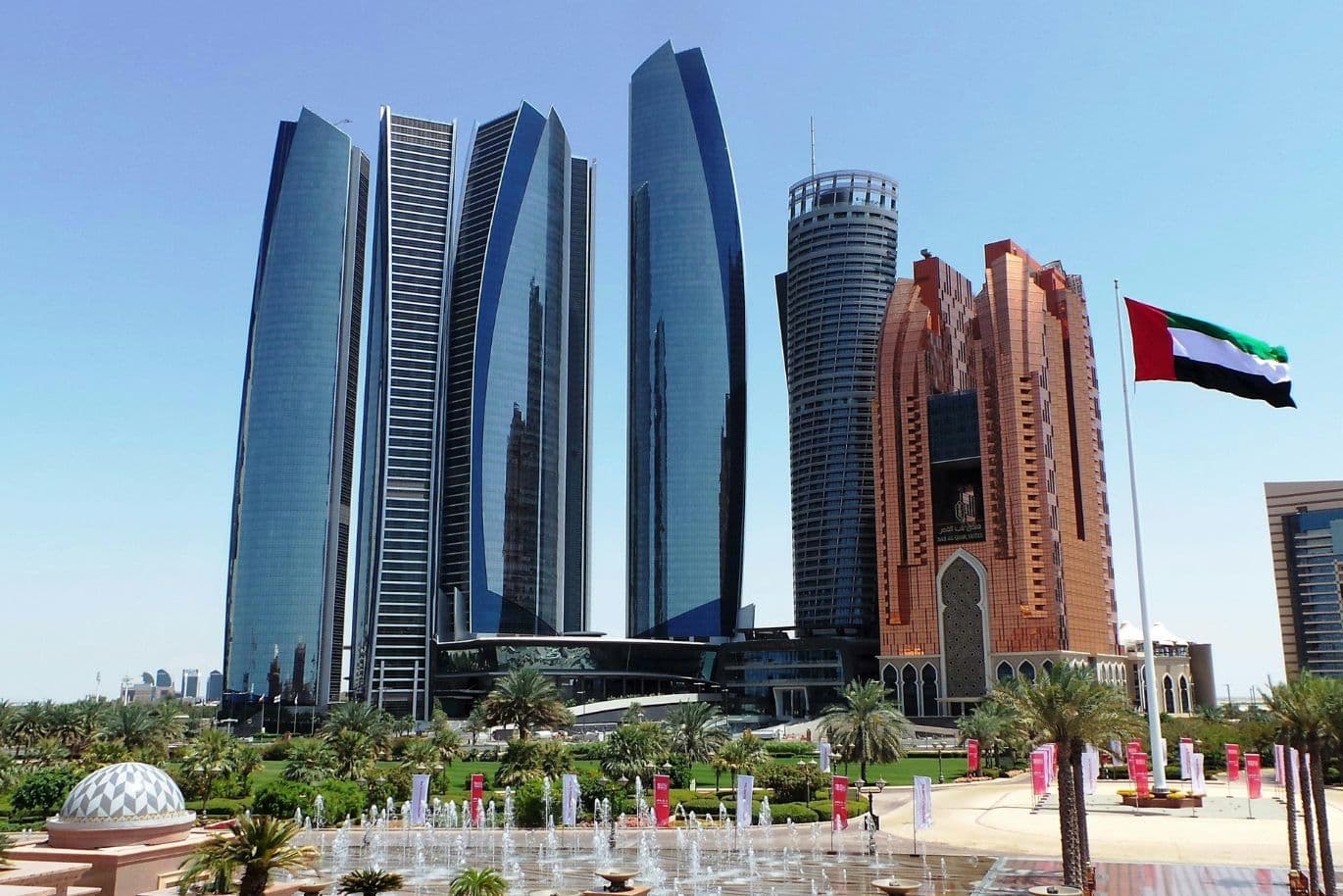
The two most common forms of real estate property management in Abu Dhabi are residential and commercial. Each requires a different management approach, so understanding these differences can help investors choose the right property management company for their portfolio.
The table below highlights some of the key differences between residential and commercial property management.
| Factor | Residential property management | Commercial property management |
|---|---|---|
Property type | Studios, apartments, townhouses, villas, duplexes and penthouses | Offices, retail units, warehouses and other commercial assets |
Lease structure | Typically shorter and more standardised, often ranging from one year onwards | Generally longer lease terms with more complex commercial agreements |
Rental returns | Stable rental income, depending on the property type, location and market conditions | Often higher potential returns, although vacancy risk can be greater during economic downturns |
Maintenance | Routine maintenance covering areas such as plumbing, electrical systems and general property condition | More specialised maintenance, including HVAC systems, lifts, security systems and other commercial infrastructure |
Property management companies in Abu Dhabi offer a range of service packages, making it important for property owners to compare both pricing and the scope of services provided before making a decision.
Whether you require property management services in Abu Dhabi for a residential, commercial or mixed-use property, understanding the fee structure will help you assess the overall value offered.
While fees vary between providers depending on the services included and the management agreement, property management fees in Abu Dhabi typically range from 5% to 8% of annual rental income. Percentage-based pricing is often preferred for higher-value or higher-yield investment properties.
Some property management companies also offer fixed-fee subscription models, which may be suitable for owners of individual properties or lower-yield investments where a percentage-based fee may be less cost-effective.
Abu Dhabi and Dubai are two of the UAE’s leading real estate markets, each offering attractive investment opportunities, strong rental demand and well-established regulatory frameworks. While the overall principles of property management are similar, there are several important differences investors should understand.
Lease registration forms an important part of property management in both emirates. In Dubai, tenancy contracts are registered through Ejari, while Abu Dhabi uses the Tawtheeq system.
Both emirates maintain strict oversight of service charges and property maintenance. In Dubai, Mollak regulates jointly owned property service charges, while in Abu Dhabi the Department of Municipalities and Transport (DMT) oversees property management standards through accredited providers.
Rental disputes in Abu Dhabi are handled by the Abu Dhabi Rent Dispute Settlement Committee, while disputes in Dubai are managed through the Rental Disputes Centre (RDC).
Property management fees in Dubai are often slightly higher, typically ranging from 5% to 10% of annual rental income, compared with around 5% to 8% in Abu Dhabi.

One of the key benefits of working with a professional property management company is the ability to protect and potentially improve the long-term performance of your investment. Effective property management helps maximise returns through a combination of proactive maintenance, efficient operations and informed decision-making.
This may include:
Carrying out routine preventative maintenance to reduce the likelihood of more significant repair costs and help preserve the property’s value.
Monitoring local market conditions to help owners make informed decisions about leasing, holding or selling their property.
Reviewing maintenance and operating costs to identify opportunities for greater efficiency over time.
Marketing vacant properties effectively and carefully screening prospective tenants to help minimise vacancy periods and support consistent rental income.
With many companies specialising in real estate property management in Abu Dhabi, it is worth speaking to several providers and comparing their experience, service offering and approach before making a decision.
When selecting a property management company, consider the following:
Research the company’s reputation online and ask for client testimonials where possible. Independent reviews and recommendations can provide valuable insight into the quality of its services.
Clearly define your requirements before comparing providers. Some companies specialise in residential property management, while others offer broader services across commercial assets and investment portfolios.
Effective communication is an important part of successful property management. Look for a company that provides regular updates, responds promptly to enquiries and communicates clearly with both owners and tenants.
Property management companies should have a strong understanding of Abu Dhabi’s regulatory requirements, including Tawtheeq registration and other legal obligations that may affect landlords and tenants.

Professional property management is particularly valuable for overseas investors who may not be based in Abu Dhabi or able to oversee their property on a day-to-day basis.
By appointing a trusted property management company, overseas owners can help ensure their property is well maintained, tenants are appropriately managed and rental income is monitored, while reducing the practical responsibilities associated with owning property from abroad.
Professional property management in Abu Dhabi can help property owners protect their investment, maintain their property’s condition and simplify the day-to-day responsibilities of ownership. Whether you own a single residential property or a larger investment portfolio, the right property management company can provide valuable support tailored to your individual requirements.
Understanding the services available, typical fee structures and Abu Dhabi’s regulatory framework will help you make a more informed decision when selecting a property management provider.
If you’re considering investing in Abu Dhabi real estate or would like independent advice on the local property market, Engel & Völkers can help you better understand your options and make informed property decisions.
Explore property opportunities in Abu Dhabi
Whether you’re buying your first property or expanding an existing portfolio, Engel & Völkers provides expert advice backed by decades of experience in Abu Dhabi’s real estate market.
A property management company oversees the day-to-day operation of a property on behalf of the owner. Services typically include tenant screening, rent collection, maintenance coordination, financial reporting, regulatory compliance and ongoing property management.
For many property owners, particularly those with multiple properties or overseas investments, professional property management can help save time, reduce administrative responsibilities and support the long-term performance of their investment.
Property management fees in Abu Dhabi typically range from 5% to 8% of a property’s annual rental income, although some companies also offer fixed-fee management packages depending on the property type and services required.
Tawtheeq is Abu Dhabi’s official tenancy registration system. Registering tenancy contracts through Tawtheeq helps ensure compliance with local regulations and provides an official record of the tenancy.
Yes. Many property management companies in Abu Dhabi provide services specifically designed for overseas investors, helping manage tenants, maintenance, financial reporting and regulatory requirements on the owner’s behalf.
You may also be interested in






Contact



Engel & Völkers Dubai
7th Floor, Al Khail Plaza
Jumeirah Village Triangle, Dubai, UAE
Tel: +971 4 4223500