Comprar pisos a El Pilar de la Foradada – 8 resultats
Informi's abans que els altres
Desa la teva cerca i rep una notificació per correu electrònic quan hi hagi noves propietats disponibles que s'adaptin als teus criteris.
Més propietats als voltants
EL QUE OFERIM
Els nostres serveis
El procés de compra, venda o lloguer d'un immoble no és un procés fàcil, i les operacions requereixen un coneixement profund del mercat. Som aquí per ajudar-li amb la nostra experiència i els nostres coneixements.



Preu de l'habitatge
Dades de mercat de El Pilar de la Foradada
és el període mitjà de vendes en aquest mercat
227 Días
Engel & Völkers va negociar amb èxit propietats en aquest mercat
109+
Basat en enquestes d'Engel & Völkers per a El Pilar de la Foradada
BO SABER
Consells per a la valoració de la seva propietat



BOTIGUES ENGEL & VÖLKERS
Els seus experts a l'hora de comprar una propietat a El Pilar de la Foradada
Sigui quina sigui la seva inquietud, el nostre equip de consultors immobiliaris és aquí per ajudar-li.
.png&w=640&q=75)
Obert
Tanca a 19:00
dijous
10:00 - 14:00, 16:00 - 19:00
divendres
10:00 - 14:00, 16:00 - 19:00
dissabte
Tancat
diumenge
Tancat
dilluns
10:00 - 14:00, 16:00 - 19:00
dimarts
10:00 - 14:00, 16:00 - 19:00
dimecres
10:00 - 14:00, 16:00 - 19:00
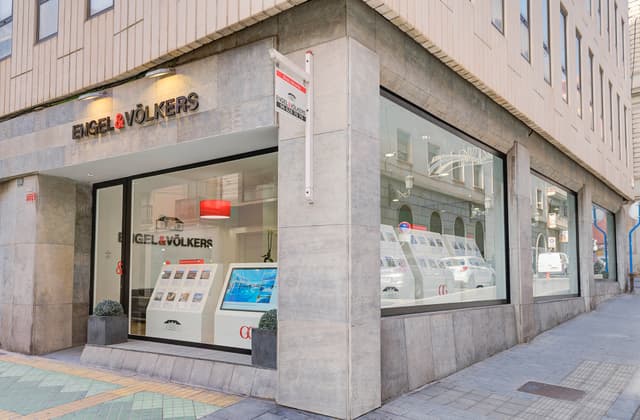
Obert
Tanca a 19:00
dijous
10:00 - 19:00
divendres
10:00 - 19:00
dissabte
10:00 - 13:00
diumenge
Tancat
dilluns
10:00 - 19:00
dimarts
10:00 - 19:00
dimecres
10:00 - 19:00
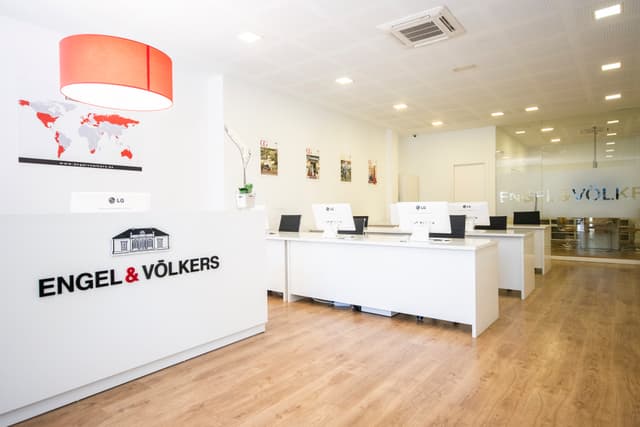
Obert
Tanca a 20:00
dijous
09:00 - 20:00
divendres
09:00 - 20:00
dissabte
10:00 - 13:30
diumenge
Tancat
dilluns
09:00 - 20:00
dimarts
09:00 - 20:00
dimecres
09:00 - 20:00
TIPUS DE PROPIETAT
Altres tipus de propietats a El Pilar de la Foradada
PER A MÉS INFORMACIÓ
Contacti amb nosaltres


Engel & Völkers Espanya
Avinguda Diagonal 640, 6B
08017 Barcelona, Espanya
Tel: +34 900 747 281