New
Houses for sale in Pilar de la Horadada – 47 results
New
Exclusive
Exclusive
Exclusive
Be informed faster than others
Save your search to access it anytime and get alerts for new matches.
Exclusive
Exclusive
Exclusive
Exclusive
Exclusive
WHAT WE OFFER
Our services for you
The process of purchasing or selling real estate is not an easy process, and effective real estate sales requires in-depth specialised and market knowledge. We are here to provide our experience and expertise to you.
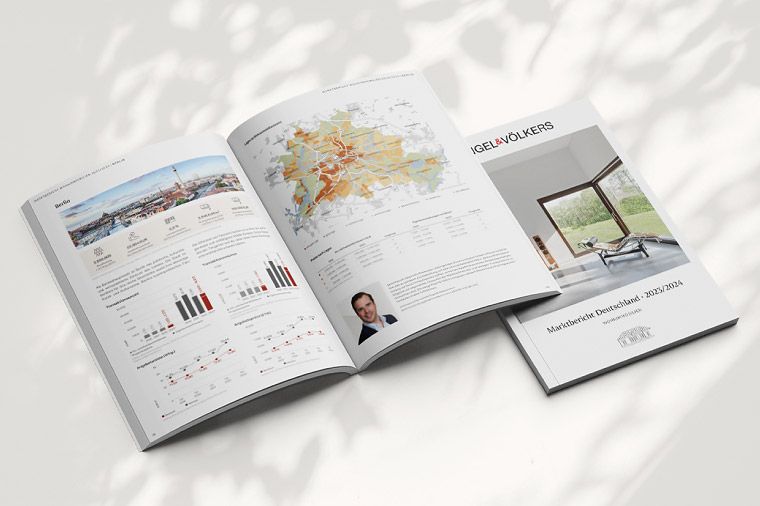


PROPERTY PRICES
Real estate prices in Pilar de la Horadada
is the average period of sales in this market
230 Days
Properties successfully brokered by Engel & Völkers
126+
Based on surveys by Engel & Völkers for Pilar de la Horadada
GOOD TO KNOW
Advice when buying a property



ENGEL & VÖLKERS SHOPS
Your experts when buying property in Pilar de la Horadada
Whatever your concern may be, our team of real estate agents is here for you
.png&w=640&q=75)
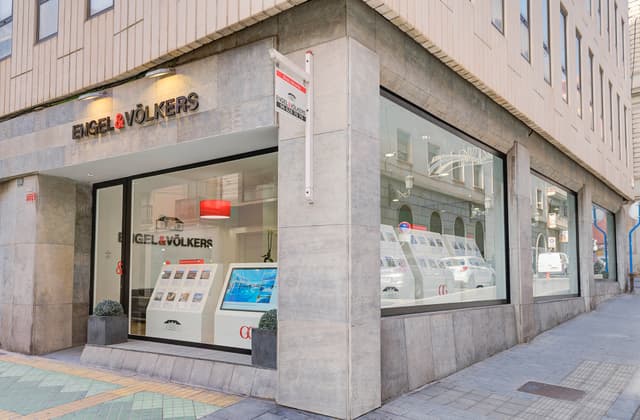
Closed
Opens at 10 am
Wednesday
10 am - 2 pm, 4 pm - 7 pm
Thursday
10 am - 2 pm, 4 pm - 7 pm
Friday
10 am - 2 pm, 4 pm - 7 pm
Saturday
Closed
Sunday
Closed
Monday
10 am - 2 pm, 4 pm - 7 pm
Tuesday
10 am - 2 pm, 4 pm - 7 pm
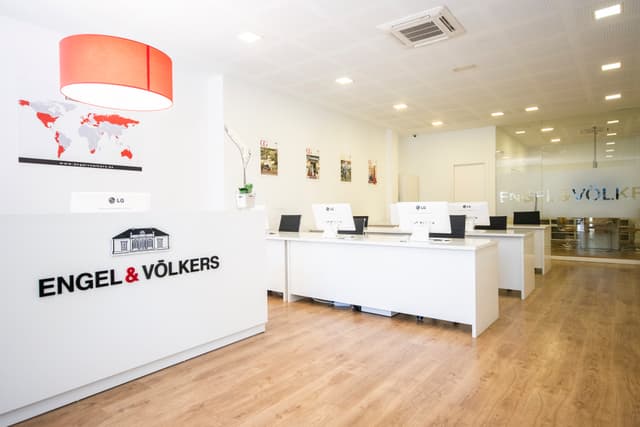
Closed
Opens at 10 am
Wednesday
10 am - 7 pm
Thursday
10 am - 7 pm
Friday
10 am - 7 pm
Saturday
10 am - 1 pm
Sunday
Closed
Monday
10 am - 7 pm
Tuesday
10 am - 7 pm
Open
Closes at 8 pm
Wednesday
9 am - 8 pm
Thursday
9 am - 8 pm
Friday
9 am - 8 pm
Saturday
10 am - 1:30 pm
Sunday
Closed
Monday
9 am - 8 pm
Tuesday
9 am - 8 pm
Property types
Additional property types in Pilar de la Horadada
FOR MORE INFORMATION
Contact us


Engel & Völkers Spain
Avenida Diagonal 640, 6B
08017 Barcelona, España
Tel: +34 900 747 281