NewExclusive
La Isleta, Las Palmas de Gran Canaria, Canary Islands, Spain
Avant-garde design and serenity by Las Canteras: a modern urban retreat in La Naval
Price
€375,000
- 2 Bedrooms
- 2 Bathrooms
- ~67 m² Living area
- ~4 m² Terrace surface
The new GG website: Inspiring personalities, extraordinary places and exceptional properties Discover now
&w=1920&q=75)
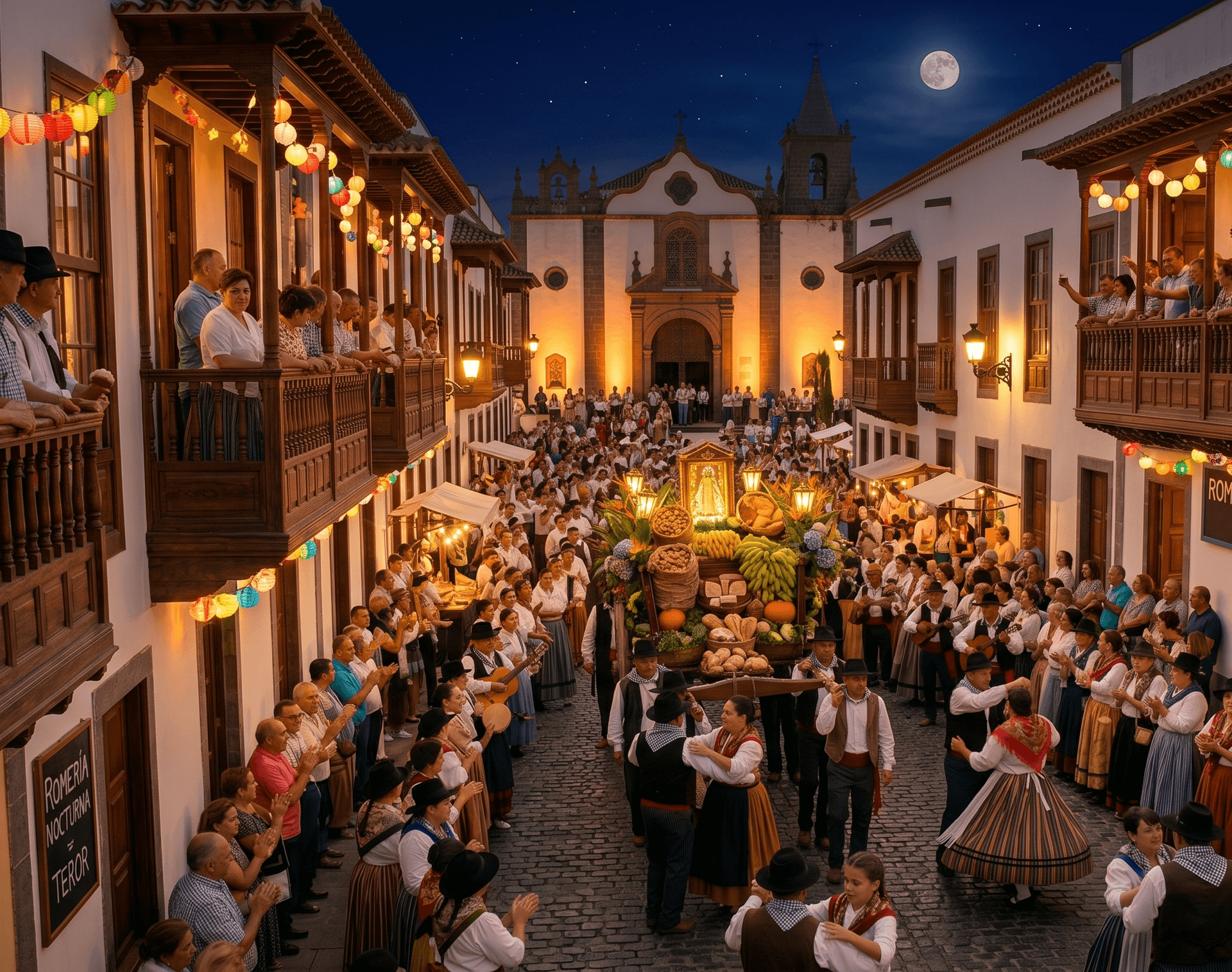
The pilgrimages in Gran Canaria 2026 are one of the most authentic ways to discover the island. Beyond its beaches, climate and landscapes, these celebrations reveal the essence of Canarian towns: music, gastronomy, traditional costumes, decorated carts and community spirit.
Every year, municipalities such as Teror, Gáldar, Moya, Mogán and Arguineguín celebrate pilgrimages linked to their patron saint festivities. For those visiting the island, attending one of these events is a unique opportunity to discover local culture from within.
In this guide, you will find the calendar of the main pilgrimages in Gran Canaria 2026, what makes each one special, what to eat, how to dress and why these celebrations also reflect the quality of life that makes the island so attractive.
Table of Content
What are pilgrimages in Gran Canaria?
Calendar of pilgrimages in Gran Canaria 2026
Pilgrimage of El Pino in Teror: the most important pilgrimage in Gran Canaria
Pilgrimage of San Isidro Labrador in Gáldar
Pilgrimage of Santiago de los Caballeros in Gáldar
Pilgrimage of San Antonio de Padua in Moya
Pilgrimages of El Carmen in Mogán and Arguineguín
Typical gastronomy at the pilgrimages in Gran Canaria
How to dress for a pilgrimage in Gran Canaria
Tips for enjoying the pilgrimages in Gran Canaria 2026
Pilgrimages in Gran Canaria and quality of life
Real estate market in traditional towns of Gran Canaria
Frequently asked questions about the pilgrimages in Gran Canaria 2026
The pilgrimages in Gran Canaria are popular celebrations of religious and rural origin. Traditionally, local residents would take part in a procession to honour a saint or a virgin, bringing local produce as an offering.
Today, they still preserve this traditional character, but they have also become major cultural gatherings where you will always find:
Hand-decorated carts.
Traditional Canarian costumes.
Parrandas and folk groups.
Traditional dances.
Local agricultural products.
Traditional gastronomy.
A family-friendly and local atmosphere.
What makes these festivities special is that they are not designed solely for tourism. They are celebrations truly lived by local residents, allowing visitors to feel part of a real tradition.
Throughout the year, numerous pilgrimages are celebrated across the island, especially between May and September. Some dates may vary depending on the official programme of each town council, so it is advisable to confirm them before attending.
These are some of the main pilgrimages in Gran Canaria 2026:
Pilgrimage of San Isidro Labrador, Gáldar: May 2026.
Pilgrimage of San Antonio de Padua, Moya: June 2026.
Pilgrimage of Santiago de los Caballeros, Gáldar: July 2026.
Festivities and pilgrimages of El Carmen, Mogán and Arguineguín: July 2026.
Pilgrimage of El Pino, Teror: 7 September 2026.
You can link here to the official websites of the Teror Town Council, Gáldar Town Council, Moya Town Council, Mogán Town Council and Gran Canaria Tourism.
The Pilgrimage of El Pino in Teror is the most emblematic pilgrimage in Gran Canaria. It is celebrated every 7 September in honour of the Virgin of El Pino, patron saint of the Diocese of the Canary Islands.
During this day, Teror welcomes thousands of people from all municipalities of the island. The decorated carts, traditional music and offerings fill the streets of the historic centre, creating one of the most representative images of Canarian culture.
It is worth attending because:
It is the most popular pilgrimage on the island.
Municipalities from all over Gran Canaria take part.
It takes place in one of the most beautiful historic centres in the Canary Islands.
It allows you to experience Canarian tradition at its finest.
If you visit Teror during the Pilgrimage of El Pino, take the opportunity to discover the Basilica of Nuestra Señora del Pino, the Plaza del Pino, its traditional balconies and cobbled streets. Due to the large number of visitors, it is advisable to arrive early and use public transport or the parking areas enabled at the entrances to the municipality, as the historic centre usually has traffic restrictions during the celebration. This will allow you to enjoy the pilgrimage more comfortably and explore the old town on foot, as many attendees do.
The Pilgrimage of San Isidro Labrador in Gáldar is one of the most representative celebrations in the north of Gran Canaria. It is strongly linked to agricultural tradition, as San Isidro is the patron saint of farmers.
This pilgrimage stands out for its welcoming atmosphere, its decorated carts and the participation of local residents, folk groups and community associations.
It is a good option for those looking for a more local and less crowded experience. It also offers the chance to discover Gáldar, one of the municipalities with the greatest historical value on the island. Due to the influx of visitors during the pilgrimage, it is advisable to arrive early and use the parking areas enabled outside the historic centre, or access the area on foot from nearby streets to enjoy the route more comfortably.
During your visit, you can discover:
The historic centre of Gáldar.
Plaza de Santiago.
The Church of Santiago de los Caballeros.
The Cueva Pintada Museum and Archaeological Park.
The northern coastal areas, such as Sardina del Norte.
The Pilgrimage of Santiago de los Caballeros is celebrated during the Main Festivities of Santiago, usually in July.
It is one of the most participatory pilgrimages in Gran Canaria and combines religious tradition, popular music and street life. The decorated carts and folk groups parade through the historic centre of Gáldar in a festive and family-friendly atmosphere.
This celebration is especially interesting because it takes place in a municipality with a strong cultural identity. Gáldar was one of the pre-Hispanic capitals of the island and preserves a historic heritage of great value. Due to the influx of visitors during the festivities, it is advisable to arrive early, use the parking areas enabled around the centre and explore the historic quarter on foot to fully enjoy the atmosphere and the scheduled events.
During your visit, it is also worth discovering emblematic places such as Plaza de Santiago, the Church of Santiago de los Caballeros and the Cueva Pintada Museum and Archaeological Park.
The Pilgrimage of San Antonio de Padua in Moya is usually held in June and is one of the most authentic pilgrimages in the north of Gran Canaria.
Moya preserves a peaceful, rural atmosphere strongly connected to tradition. For this reason, this celebration is ideal for those who wish to discover a less touristy and more local side of Gran Canaria. In addition, due to the influx of visitors during the festivities, it is advisable to arrive early, use the parking areas enabled at the entrances to the municipality and explore the historic centre on foot to fully enjoy the festive atmosphere.
In addition to the pilgrimage, it is worth visiting:
The centre of the Villa de Moya.
The Church of Nuestra Señora de la Candelaria.
The Tomás Morales House-Museum.
Los Tilos de Moya.
The municipality’s traditional bakeries and pastry shops.
The pilgrimages and festivities of El Carmen in Mogán and Arguineguín have a different character from those held inland. Here, the main protagonist is the sea.
The Virgin of El Carmen is the patron saint of sailors, which is why these celebrations include maritime processions, religious events, music, family activities and gastronomy linked to fresh fish.
They are perfect for those who want to combine culture and coast. They are also held in one of the areas with the best climate in Gran Canaria, highly valued by both visitors and international residents. Due to the large number of people attending the festivities, it is advisable to arrive early, use the parking areas enabled around the ports and stroll along the seafront to fully enjoy the activities and the traditional atmosphere.
During your visit, it is also worth discovering emblematic places such as Puerto de Mogán, Arguineguín, Playa de Mogán, Las Marañuelas and the beaches of Amadores and Puerto Rico.
La Isleta, Las Palmas de Gran Canaria, Canary Islands, Spain
Price
€375,000
Puerto de Mogán, Canary Islands, Spain
Price
€1,590,000
Siete Puertas, Canary Islands, Spain
Price
€355,000
Santa Brígida, Canary Islands, Spain
Price
€1,080,000
Maspalomas, Canary Islands, Spain
Price
€525,000
San Agustín, Maspalomas, Canary Islands, Spain
Price
€1,695,000
Municipality of San Bartolomé de Tirajana, Canary Islands, Spain
Price
€595,000
Los Hoyos, Canary Islands, Spain
Price
€520,000
Playa del Inglés, Maspalomas, Canary Islands, Spain
Price
€245,000
Gastronomy is an essential part of the pilgrimages in Gran Canaria. During these festivities, food is shared and becomes part of the sense of community.
Some must-try products are:
Papas arrugadas with mojo: small potatoes boiled with salt and served with red or green mojo sauce.
Chorizo de Teror: a soft, spiced sausage usually spread on bread.
Artisan cheeses: especially goat, sheep or mixed-milk cheeses, very common at popular festivities.
Gofio: toasted cereal flour and a symbol of traditional Canarian cuisine.
Traditional sweets: truchas, suspiros, sponge cakes and local pastries.
Local wines: perfect to accompany cheeses, meats and traditional dishes.
Trying local gastronomy during a pilgrimage is one of the best ways to understand Canarian hospitality.
It is not compulsory to wear traditional clothing to attend a pilgrimage, but many people do so as a sign of respect and participation.
The traditional Canarian costume is usually inspired by traditional rural clothing. For women, long skirts, blouses, aprons, scarves and bodices are common. For men, white shirts, waistcoats, traditional trousers, sashes and hats are typically worn.
If you do not have a traditional costume, you can attend wearing comfortable and respectful clothing:
Comfortable shoes.
Light clothing.
Sun protection.
Hat or cap.
Avoid overly beach-style clothing during religious events.
The most important thing is to enjoy the celebration while respecting its traditions.
To experience a pilgrimage like a local, it is best to plan your visit well:
Arrive early. Central areas usually fill up quickly.
Check the official programme. Each municipality publishes schedules, routes and activities.
Use public transport whenever possible. At large pilgrimages, parking can be difficult.
Bring water and sun protection.
Try the local gastronomy.
Respect the routes and instructions.
Enjoy the experience without rushing.
Pilgrimages are not just visited to be seen. They are lived.
The pilgrimages in Gran Canaria 2026 also reflect many of the values that make the island such an attractive place to live: community, safety, tradition, nature and quality of life.
Beyond the tourist areas, these celebrations allow visitors to discover municipalities with their own identity, where daily life still maintains a strong connection with local culture.
Some of the most interesting towns are:
Teror: history, traditional architecture and a peaceful atmosphere.
Gáldar: heritage, services and authenticity in the north.
Moya: nature, calm and rural charm.
Mogán: maritime tradition, exceptional climate and life by the sea.
For many visitors, attending a pilgrimage is the first step towards imagining what it would be like to live in Gran Canaria.
Interest in living in charming municipalities has grown in recent years. Many buyers are looking for more than just a property: they want quality of life, authenticity, outdoor spaces and a connection with the surroundings.
In areas linked to tradition and pilgrimages, the following types of properties are especially sought after:
Restored Canarian houses.
Homes with terraces or patios.
Properties with landscape views.
Renovated rural estates.
Apartments near the sea.
Homes for a second residence or investment.
Municipalities such as Teror, Gáldar and Moya attract those looking for tranquillity, heritage and local life. Meanwhile, Mogán and Arguineguín are especially valued by those who seek a warm climate, the sea and strong international demand.
At Engel & Völkers Gran Canaria, we know first-hand the municipalities where tradition, quality of life and investment come together. We help national and international clients find charming properties, seaside homes, historic houses and second residences on the island.
If you are thinking of buying a property in Gran Canaria, we will be delighted to accompany you throughout the entire process.
Engel & Völkers Gran Canaria — your local partner for living and investing on the island.
What are the most important pilgrimages in Gran Canaria? The Pilgrimage of El Pino in Teror, San Isidro Labrador in Gáldar, Santiago de los Caballeros in Gáldar, San Antonio de Padua in Moya and the festivities of El Carmen in Mogán and Arguineguín.
What is the most important pilgrimage in Gran Canaria? The Pilgrimage of El Pino in Teror is the most emblematic and popular on the island.
When is the Pilgrimage of El Pino celebrated in 2026? It is celebrated on 7 September 2026.
Is it necessary to wear a traditional Canarian costume? No, it is not compulsory, although many people wear one to feel more involved in the celebration.
What typical food can you try at a pilgrimage? Papas arrugadas with mojo, chorizo de Teror, artisan cheeses, gofio, traditional sweets and local wines.
Are pilgrimages suitable for families? Yes. They are popular, open celebrations designed for all ages.
Is it advisable to go to a pilgrimage by car? It depends on the municipality. At the most crowded pilgrimages, such as El Pino, it is better to use public transport or park away from the centre.
What is the best time of year to enjoy pilgrimages in Gran Canaria? Many of the main pilgrimages take place between May and September.
Can tourists attend pilgrimages? Yes. Visitors are welcome as long as they participate respectfully and honour local traditions.
Which towns are worth visiting during the pilgrimages? Teror, Gáldar, Moya, Mogán and Arguineguín are some of the best options to experience these festivities.
You may also be interested in
&w=1920&q=75)
&w=1920&q=75)

&w=1920&q=75)

&w=1920&q=75)


Contact provider
Page content provided by: Global Ichy Social, S.L.
246009710945: 246009710945
License partner of Engel & Völkers Franchise and Trademark GmbH