AI
New
17th arrondissement, Paris, Île-de-France, France
Paris XVII-Pereire-Wagram - 34sqm Apartment - Art Deco Building
Price
€298,000
- 1 Room
- 1 Bathroom
- ~34 m² Living area
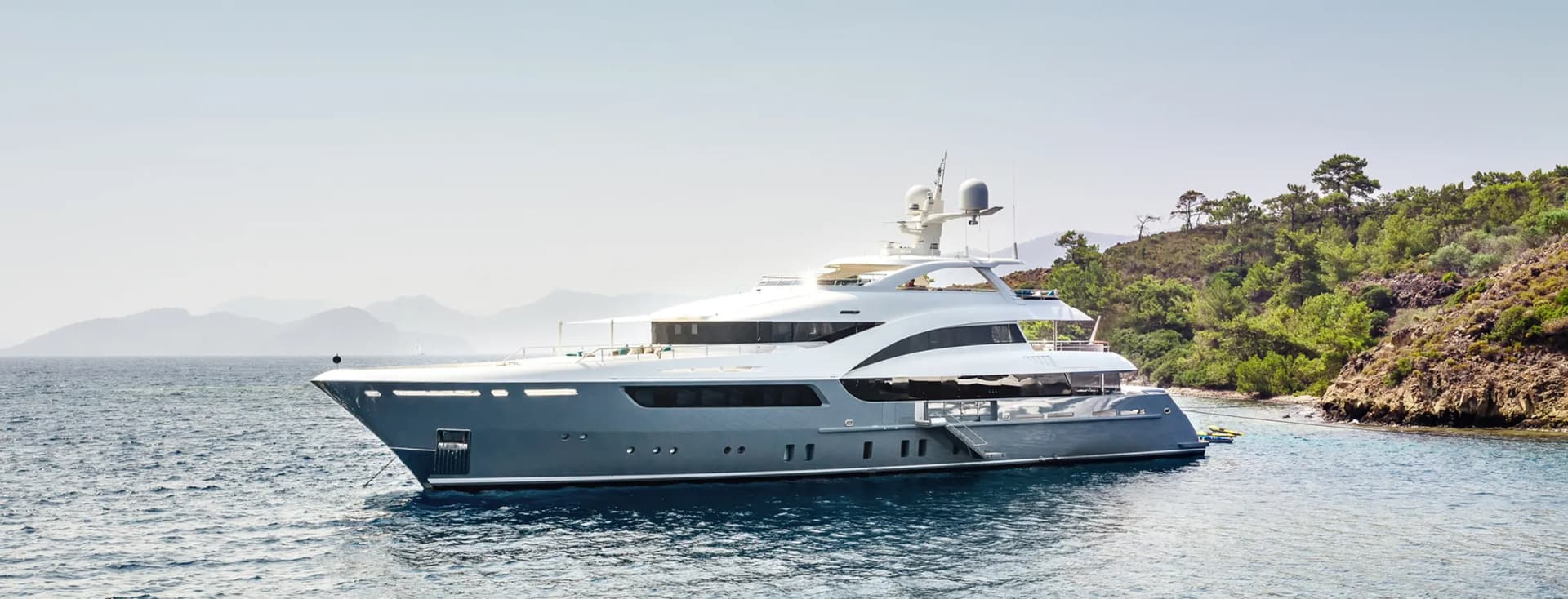
Living on a houseboat offers a radically different experience from living in an apartment or house. In Paris, on the Seine, but also in Lyon, Toulouse or along the Canal du Midi, a houseboat can provide an unusual living environment, often with generous natural light and a direct connection to the water.
This type of acquisition nevertheless comes with specific requirements. A houseboat remains a vessel, its mooring may be subject to occupation rights on the public river domain, and its maintenance involves technical considerations that do not apply to conventional residential property.
Before buying a houseboat, it is therefore essential to consider the vessel itself, its location, navigation documents, technical condition and mooring arrangements together.
Table of Content
A houseboat is a vessel that has been converted to provide permanent or secondary accommodation. Many boats currently used as homes were originally designed to transport goods.
They can subsequently be transformed into fully equipped living spaces, with insulation, heating, kitchens, bathrooms, bedrooms, terraces and large windows incorporated into the design.
This characteristic distinguishes a houseboat from conventional real estate. The buyer acquires the vessel itself, while the right to occupy a specific mooring is governed by a separate arrangement.
Houseboats come in a wide range of designs and sizes.
The Freycinet, based on a historic French inland-waterway gauge, is particularly common on France's canals and rivers. Dutch barges, Luxemotors, Tjalks, Spits and Klippers reflect different European boatbuilding traditions.
The right vessel depends on its length, beam, draft, construction, condition and potential for conversion.
The available living space depends directly on the vessel's dimensions and interior layout. A houseboat can provide several dozen square metres, while larger vessels can offer living areas comparable to those of a conventional house.
| Boat type | Profile & use |
|---|---|
Freycinet | French inland-waterway gauge · Suitable for family living · Broad market |
Luxemotor | Former motorised cargo vessel · Potential for high-end living · River heritage |
Pénichette | More compact format · Pied-à-terre or smaller home · More accessible |
Houseboat prices can start at around €50,000 for a bare hull or a vessel requiring significant renovation, while fully converted properties in sought-after locations can exceed €1 million.
In Paris, prestigious houseboats with generous living space, contemporary interiors, terraces and sought-after moorings occupy a particularly specialised segment of the market.
The price should therefore be assessed in the context of the entire property: hull condition, renovation quality, equipment, location and mooring arrangements are closely interconnected.
Two houseboats of similar dimensions can have very different values.
The condition of the hull is essential. The engine, electrical and plumbing systems, insulation, heating, generator, previous renovation work and quality of the interior fit-out must also be assessed.
Location is another decisive factor. A houseboat moored in Paris, particularly one with an open view over the Seine, is not valued according to the same criteria as a vessel located on a canal elsewhere in France.
Because a houseboat is a vessel rather than conventional real estate, its purchase does not follow exactly the same process as the acquisition of an apartment or house. Buyers should anticipate costs relating to the vessel survey, legal advice, insurance, mooring and maintenance.
An independent survey before purchase can help assess the condition of the hull and equipment. For a significant acquisition, working with professionals familiar with the inland-waterway market is particularly relevant.
17th arrondissement, Paris, Île-de-France, France
Price
€298,000
10th arrondissement, Paris, Île-de-France, France
Price
€660,000
9th arrondissement, Paris, Île-de-France, France
Price
€790,000
15th arrondissement, Paris, Île-de-France, France
Price
€2,090,000
7th arrondissement, Paris, Île-de-France, France
Price
€1,520,000
14th arrondissement, Paris, Île-de-France, France
Price
€2,940,000
16th arrondissement, Paris, Île-de-France, France
Price
€790,000
8th arrondissement, Paris, Île-de-France, France
Price
€640,000
8th arrondissement, Paris, Île-de-France, France
Price
€895,000
Paris concentrates a significant part of France's high-end houseboat market. The Seine offers particularly desirable moorings close to central neighbourhoods and major landmarks.
The value of a Paris houseboat therefore depends as much on its characteristics as on its location and the conditions attached to its mooring.
Houseboat living is not limited to the capital.
Lyon, with the Rhône and Saône, offers a different urban environment. Toulouse and the Canal du Midi provide the opportunity to consider a lifestyle more closely connected to France's waterways and the landscapes of the south-west.
When choosing a location, buyers should consider mooring opportunities, available infrastructure, local regulations and their everyday requirements.
Located in Burgundy, Saint-Jean-de-Losne has a long-standing connection with inland navigation and is an important centre for boating and waterway services.
For a houseboat project, its environment differs considerably from Paris. Navigation, access to nautical services and the surrounding territory become more important elements of the overall lifestyle.
Owning a houseboat does not mean owning the public river domain on which it is moored. When the location falls within the public river domain managed by VNF, mooring requires a Convention d'Occupation Temporaire (COT) together with a fee. VNF – occupation of the public river domain
The COT is personal to the holder and cannot simply be transferred to a new owner. A boat sale therefore does not automatically guarantee that the existing mooring will remain available to the buyer. VNF also states that mooring on the public river domain requires prior authorisation. VNF Floating housing guide
The duration and conditions of an agreement should always be checked in the specific title concerned, as they may vary according to the location and project.
A houseboat intended for navigation must have the documents corresponding to its characteristics and intended use.
For recreational vessels on inland waters, boats under 20 metres and under 100 m³ are notably subject to a circulation card, while boats exceeding 20 metres or 100 m³ are covered by the Community Certificate framework. The French Ministry responsible for the sea states that this certificate is valid for ten years. French Ministry – regulations for recreational vessels on inland waters
Before purchasing, it is therefore essential to check the vessel's documentation, history and available surveys.
For operating a motorised recreational vessel on inland waters, the licence requirements depend in particular on the vessel's length and engine power.
The inland waters option applies to vessels under 20 metres, while vessels of 20 metres or more require the large recreational inland waters extension, subject to the applicable regulations. French Ministry – inland waterway licence requirements
This requirement concerns navigation and should not be confused with simply living aboard a permanently moored vessel.
Converting a vessel into a home involves rules relating to the boat, its mooring and any work carried out.
The conditions of the COT may regulate alterations and permitted uses. The rules applicable to the public river domain should therefore be reviewed before undertaking significant work.
Free, confidential and non-binding
Receive your digital valuation instantly
Based on data by Engel & Völkers
Mooring fees are one of the specific costs associated with floating housing. Their amount depends in particular on the size of the vessel and the location of the mooring. VNF – public river domain fees
It is therefore preferable to assess the actual COT attached to the vessel rather than applying a theoretical amount to the entire market.
The hull requires regular monitoring. Dry-docking makes it possible to inspect and maintain the underwater section of the vessel.
Other expenses include insurance, technical inspections, engine maintenance and upkeep of the vessel's heating, electrical and plumbing systems.
These costs should be incorporated into the budget from the outset, particularly when purchasing an older houseboat or one that has undergone extensive conversion work.
The tax treatment of a houseboat depends in particular on its circumstances and use. Under the French General Tax Code, boats permanently moored and fitted out for residential, commercial or industrial use may be subject to property tax on built properties. French General Tax Code – Legifrance
Housing tax can also apply to furnished second homes under the conditions set out in Article 1407 of the French General Tax Code. French General Tax Code – Article 1407
Individual tax advice is therefore recommended before completing an acquisition.
A houseboat provides a relationship with its surroundings that is difficult to reproduce in conventional real estate: natural light, open views, immediate proximity to the water and the possibility of creating a completely personalised interior.
It can also provide substantial living space in locations where conventional residential property is particularly expensive.
Floating housing requires more ongoing involvement than a conventional home.
The hull, equipment, humidity levels and technical systems need regular monitoring. Flood risk should also be considered when selecting the location and reviewing the mooring conditions.
The resale market is also narrower than that of conventional residential property. The quality of the vessel, its location and its administrative status can all have a significant impact on its future marketability.
Some Parisian houseboats represent genuine luxury floating residences. Generous floor areas, contemporary interiors, terraces, impressive volumes and views over the Seine can transform a former cargo vessel into an exceptional home.
This segment nevertheless requires a different approach from conventional real estate, particularly when assessing the legal status of the vessel and its mooring.
A houseboat acquisition should be assessed as a whole: the vessel's characteristics, technical condition, administrative documents, mooring arrangements, renovation requirements and market value.
Engel & Völkers supports clients in the analysis of atypical properties and can help connect them with the appropriate professionals at each stage of the project.
To explore the investment dimension further, read our article on prestige property investment advice.
Financing a houseboat does not necessarily follow the same mechanisms as financing an apartment or house. The legal status of the vessel, the available security and the lending institution's policies can all influence the financing solution.
It is advisable to approach several lenders and provide a complete file including the vessel's documents, survey and information relating to its mooring.
A houseboat does not automatically follow the same appreciation pattern as conventional real estate. Hull condition, quality of the fit-out, maintenance, location and mooring arrangements can all have a significant impact on its value.
Because a COT is personal and cannot simply be transferred, the mooring should not be considered an asset automatically transferred with the vessel. VNF – Floating housing guide
Living aboard a houseboat and operating it are two different situations. The licence requirement relates to operating a motorised recreational vessel when required by the applicable regulations.
On inland waters, the inland-waterways option applies to vessels under 20 metres, while the large recreational inland waters extension applies to vessels of 20 metres or more, subject to the applicable rules. French Ministry – inland waterway licence requirements
For any acquisition project, it is therefore essential to distinguish between the right to live aboard, the right to moor and the right to navigate.
You may also be interested in


&w=1920&q=75)




Contact


Engel & Völkers France
170 Rue du Faubourg Saint-Honoré
75008 Paris
Tel: +33145643030