Comporta, Setubal, Portugal
Urban plot with pine forest views in Comporta
Price
€430,000
- ~291 m² Plot surface
Discover the advantages and challenges of buying land in Comporta to build your dream holiday home – customisation, costs, time and location.
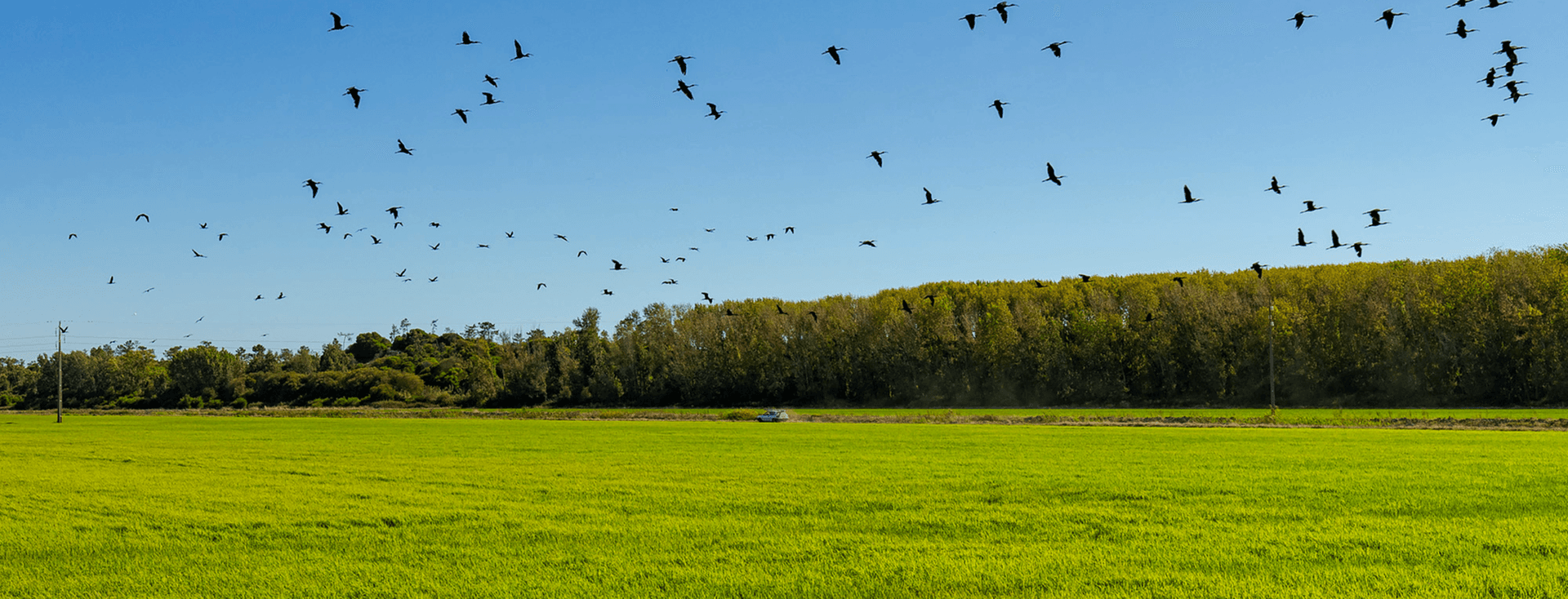
Over the past few years, many investors have chosen to purchase a plot of land in Comporta with the aim of realizing the dream of their own holiday home. Rather than simply acquiring a house that has already been built, building allows levels of customization, energy efficiency, and choice of location that are rarely obtained with turnkey properties. However, like any construction project, there are legal, financial, and practical challenges that must be considered. In this article we will explore in detail the advantages and the challenges associated with the process of buying land and building a house in Comporta, so that you can decide more confidently.
Properties in Comporta
Comporta, Setubal, Portugal
Price
€430,000
Comporta, Setubal, Portugal
Price on request
Comporta, Setubal, Portugal
Price
€2,000,000
● Tailor‑made design: By buying a plot in Comporta, you can conceive exactly the layout of the house you want — number of bedrooms, solar orientation, views, doors, windows, terraces — everything according to your taste.
● Choice of finishes and materials: You will be able to select the construction materials, flooring types, insulation, carpentry, glazing, lighting, and ensure high quality, durability, and aesthetics matching your standards.
● Modern technology: Newly built houses allow incorporating modern systems such as solar panels, efficient climate control systems, high‑performance thermal windows, quality insulation.
● Sustainability: By choosing ecological materials, environmentally friendly building practices and low‑consumption solutions, you can not only reduce long‑term costs (energy, maintenance) but also contribute to environmental preservation of the region.
● Potentially lower cost: In many cases, if well planned, building can cost less than buying a ready‑made house, especially if you choose a simple and efficient design.
● Property appreciation: Plots in Comporta tend to appreciate, particularly in well‑located areas near beaches or quality infrastructure. A house built with quality materials may also have a significantly higher market value thanks to customisation and aesthetic appeal.
● Choice of location: By buying the land directly, you decide where the house will be — proximity to the sea, privacy, tranquility, access, views, contact with nature or with local villages.
● Infrastructure and access: You can select plots that are already urbanised or semi‑urbanised, or rustic plots but well located, evaluating whether there are connections for water, electricity, sanitation, access roads.
● Dream home: There is great satisfaction in following each stage of construction: from the ground, foundations, structure, finishes to the final details.
● Involvement in the process: Deciding every element — layout, colours, light, outdoor spaces — generates an emotional bond with the house that is rarely felt when buying something ready made. These moments become part of family memories.
● Regularisation from the start: By building from scratch, you can ensure that all legal processes, licenses, zoning regulations, and building codes are respected. This avoids unpleasant surprises later.
● Guaranteed quality: With a good team (architect, engineer, contractor), you can supervise each stage, demand high construction standards, make adjustments during the process.
Despite the numerous advantages, there are also practical, legal, and financial challenges that must be considered.
● Construction duration: A building project can take many months or even years, from buying the land, project approval, obtaining permits, execution, finishing.
● Frequent delays: Changes to the project, adverse weather conditions, delays in delivery of materials, or external factors (such as shortage of labour) can further extend the time.
● Project management: Coordinating architects, engineers, contractors, material suppliers demands availability, attention to detail, and constant decision‑making.
● Legal bureaucracy: Licences, municipal authorisations, building regulations, zoning laws, environmental standards. For example, in Portugal the legal regime of construction is regulated by laws including Law 41/2015, Decree‑Law 555/99, among others.Chambers Practice Guides
● Initial budget vs reality: Often construction costs exceed the planned budget due to unexpected issues, desired changes, costs of materials, transport or labour.
● Financing: Obtaining a loan to build can be more complicated than buying a ready house. Banks usually require guarantees, detailed plans, periodic inspections of the progress, and a clear cash flow.
● Technical or land risks: Unstable soil, drainage issues, erosion, proximity to flood or sandy zones, or any geological surprises can increase costs or make part of the project unfeasible.
● Construction quality: If not well managed, there may be poor workmanship, low‑quality materials, substandard finishes, which only become noticeable after living in or using the house.
● Continuous decision‐making: From macro choices (layout, structure, number of floors) to micro ones (flooring, sinks, taps, paint colour). Each decision can be important and cause delays or extra costs.
● Managing expectations: What is imagined in the project may not always correspond exactly to what is done — structural or regulatory limits, budget constraints may require adjustments.
● Basic infrastructure: Some plots in Comporta, especially in rustic or remote areas, may not have immediate access to water, electricity, sanitation, or good access roads. Bringing those services to the land can be expensive.
● Surrounding development: When you buy land, you cannot always predict how the surroundings will develop — whether there will be intensive neighbouring construction, commercial zones, noise or traffic, or whether it will remain a quiet area.
For those who are decided or seriously considering building in Comporta, here are some practical tips:
Choose the land carefully Check topography, soil conditions, proximity of infrastructure, views, solar exposure, access. The land price often represents a large part of the total cost in Comporta.
Work with experienced professionals Architects, engineers, project managers who know local regulations, licensing, local suppliers, human resources. That reduces uncertainty and costly mistakes.
Realistic budget planning Include safety margins for the unforeseen – for example, add 10‑20% to the initial budget to cover variations in material costs or delays.
Check municipal building regulations Before purchasing, verify with the Câmara Municipal what the limits are (height, number of floors, building area, density), permitted uses, zoning. Check whether the plot is urban, rustic or under a special regime.
Permits and legal timelines Be aware of approval deadlines, the impact of new legal regimes (such as Decree‑Law 10/2024 which simplifies licensing in many cases)Chambers Practice Guides+1, the costs of licencing, certificates, property tax (IMT, IMI), other legal expenses.
Prioritise energy efficiency from the start Invest in good insulation, solar orientation, natural ventilation, solar panels, modern heating systems. These elements will bring energy savings, comfort, and resale value.
Quality management and regular inspections Visit the site in person whenever possible, ensure that materials are what were specified, demand technical tests or reports when necessary.
Buying a plot and building your own holiday home in Comporta can be an extraordinary experience — it brings personalisation, emotional connection, potential for appreciation, and a quality of life that is hard to match. But it is not a road free of challenges: bureaucracy, variable costs, technical details and long deadlines.
If you think carefully, plan with realism, choose good partners (design, construction, legal), and are patient, you can transform this process into an investment not only financial, but of well‑being, personal satisfaction and lifestyle.
Contact provider
Page content provided by: Círculo Comum - Mediaçáo Imobiliária Lda.
License partner of Engel & Völkers Franchise and Trademark GmbH