New
Alcácer do Sal, Setubal, Portugal
Urban Plot in the Center of Alcácer with 2 ha
Price
€1,750,000
- ~20,500 m² Plot surface
Discover tourism in Alcácer do Sal: from ancient monuments, rice paddies and trips on the River Sado to authentic cuisine and peaceful stays.
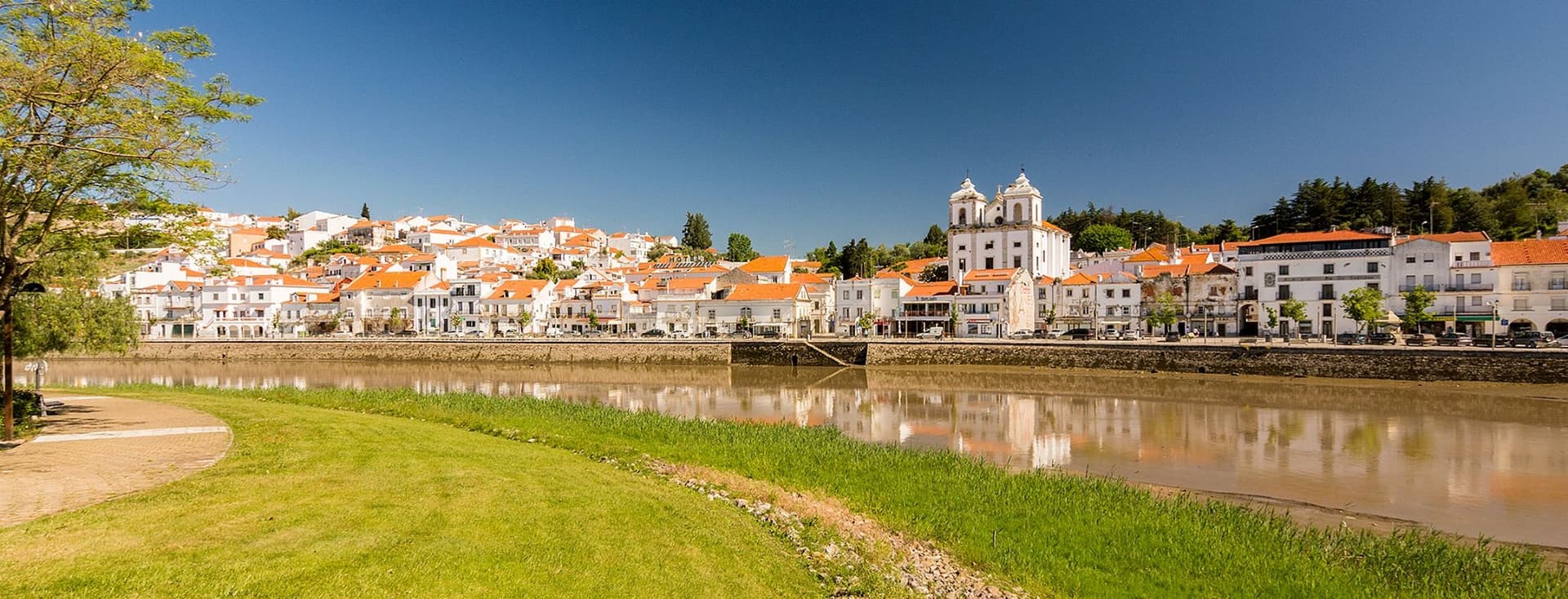
Located in the heart of Alentejo and bathed by the Sado River, Alcácer do Sal is rapidly emerging as a tourist destination on the Alentejo coast. With a rich cultural heritage, breathtaking landscapes, and a quiet atmosphere, the city offers a unique experience to travelers seeking authenticity and serenity.
In recent years, tourism in Alcácer do Sal has visibly grown: more domestic and international visitors are discovering this place as an alternative to more crowded destinations, attracted by the combination of nature, culture, tradition, and genuine hospitality.
Properties in Alcácer do Sal
Alcácer do Sal, Setubal, Portugal
Price
€1,750,000
Alcácer do Sal, Setubal, Portugal
Price
€460,000
Alcácer do Sal, Setubal, Portugal
Price
€1,300,000
Alcácer do Sal, Setubal, Portugal
Price
€475,000
Alcácer do Sal, Setubal, Portugal
Price
€400,000
Alcácer do Sal, Setubal, Portugal
Price
€9,000,000
Alcácer do Sal boasts a history that goes back thousands of years, being one of the oldest cities in Europe. Archaeological studies indicate human presence since the Mesolithic period, when populations lived by the riverbank, exploiting the Sado estuary for fishing, gathering shellfish, and hunting.
Originally an important Phoenician port, the city was later occupied by Romans, Visigoths, and Moors, each civilization leaving its indelible mark. The strategic importance of Alcácer during the the medieval reconquest was also decisive: conquered by the Portuguese in 1160, reclaimed several times, it was granted a charter (foral) in 1218.
● The Castle of Alcácer do Sal, with Moorish origins and remodeled by the Christians, is today an inn that allows enjoying panoramic views over the Sado River and the rice field plains.
● Within its walls, the Church of Santa Maria do Castelo is an architectural gem reflecting different styles and historical eras.
● The Archaeological Crypt in the Castle shows ancient remains (Roman, medieval), a living museum of the city’s evolution through the centuries.
The landscape in Alcácer do Sal is marked by vast rice fields that stretch as far as the eye can see, creating a unique and bucolic setting. These rice fields serve not only as part of the local agricultural economy but also as essential habitat for numerous species of aquatic birds.
The Sado Estuary is a protected area of about 23,160 hectares, composed of marshes, channels, tidal flats, and rice fields, which harbors flamingos, pochards, herons, and many migratory species. For birdwatching enthusiasts, this is one of the most important wetland zones in the country.
One of the must‑do activities is a galleon boat ride on the Sado River, with departures from the municipal quay in Alcácer do Sal. The boat “Pinto Luísa”, for example, takes tourists through calm waters where it is possible to observe flamingos, bottlenose dolphins, birds, and rare tranquil natural landscapes.
Trails such as “Senhor dos Mártires” offer direct contact with the rice fields, cork oak woodland, wetlands, and surrounding plains, allowing visitors to explore nature sustainably, enjoy viewpoints over the river, and immerse themselves in the Alentejo countryside.
One of the main advantages of visiting Alcácer do Sal is the opportunity to experience Alentejo’s way of life. The city maintains a tranquil pace, where visitors can stroll the narrow streets, visit local markets, and interact with friendly residents.
Festivals like Feira Nova de Outubro and Pimel allow immersion in the region’s music, dance, handicrafts, and customs, offering not only entertainment but also valuable insight into local identity.
The cuisine of Alcácer do Sal is a celebration of Alentejo flavors: traditional dishes such as açorda alentejana, eel stew from the river, and fresh seafood. The gastronomic offer also includes convent sweets like pinhoada and bolo real, which reflect religious heritage and sweet tradition.
Local restaurants, rustic taverns, and more refined establishments coexist, offering varied experiences to tourists who value both authenticity and quality.
Alcácer do Sal offers various lodging options suited to different profiles: from historic inns and intimate country houses to luxury hotels with modern amenities. Many of the accommodations are housed in buildings with traditional character, combining comfort with Alentejo charm.
With the increase in demand for tourism in Alcácer do Sal, many visitors fall in love with the local lifestyle and choose to invest in real estate. Whether to acquire a holiday home, a second residence, or even to develop tourist ventures, the real estate sector has seen remarkable growth in the region.
The appreciation of properties in Alcácer do Sal has been driven not only by natural beauty and cultural authenticity but also by the growing appeal of the region among foreigners and Lisbon‑based residents seeking tranquility, safety, and quality of life.
Real estate investment has translated into:
● Rehabilitation of old houses in the historic centre for tourist lodging;
● Construction of villas in rural areas with views of the Sado River or rice fields;
● Luxury residential projects in harmony with nature and focused on sustainability.
Moreover, the municipality has been investing in infrastructure modernization and promoting the region as a sustainable destination, which increases confidence among real estate investors, both national and international.
Thus, Alcácer do Sal is now positioned not only as a tourist spot but also as a place of excellent potential for medium‑ and long‑term investment.
The city is about one hour by car from Lisbon, making it an excellent choice for a weekend getaway. Its proximity allows those living in the capital or nearby areas to make a short visit or a stop during routes through Alentejo.
Within the municipality, there are well‑located tourist offices (such as the Tourist Office in Largo Luís de Camões) that provide maps, trail suggestions, and information about local events.
Tourism in Alcácer do Sal has been growing above average in the Alentejo Litoral region; recent data point to a significant increase in guests and overnight stays, reflecting demand that values less massified destinations.
Conservation and Environmental Awareness
Given the region’s natural richness — estuary, migratory species, sensitive ecosystems — there is a clear need for responsible practices: waste management, noise control, trail and wetland maintenance, protection of fauna and flora, and involvement of local communities in conservation.
Alcácer do Sal stands out as a destination that harmoniously combines history, culture, nature, and gastronomy. For those looking for tourism in Alcácer do Sal, the city offers authenticity, tranquility, and diverse experiences that are scarcely aligned in other less regional destinations.
If you are planning to explore the Alentejo coast, do not fail to include Alcácer do Sal in your travel plans: visit its monuments, walk its trails, observe the birds, taste the local flavors, and enjoy genuine hospitality.
Discover this new jewel of Portuguese tourism and allow yourself to be enveloped by the magic and charm of Alcácer do Sal — a destination that honors the past, celebrates the present, and responsibly prepares for a sustainable future.
You may also be interested in
Contact provider
Page content provided by: Círculo Comum - Mediaçáo Imobiliária Lda.
License partner of Engel & Völkers Franchise and Trademark GmbH