Exclusive
Lagos, Faro District, Portugal
Timeless Elegance in the Heart of Lagos
Price
€1,100,000
- 3 Bedrooms
- 4 Bathrooms
- ~200 m² Living area
- ~131 m² Plot surface
Discover the history, myths, and unique lifestyle of Lagos’ historic centre. Explore the walls of Lagos and fall in love with the charm of the Western Algarve.
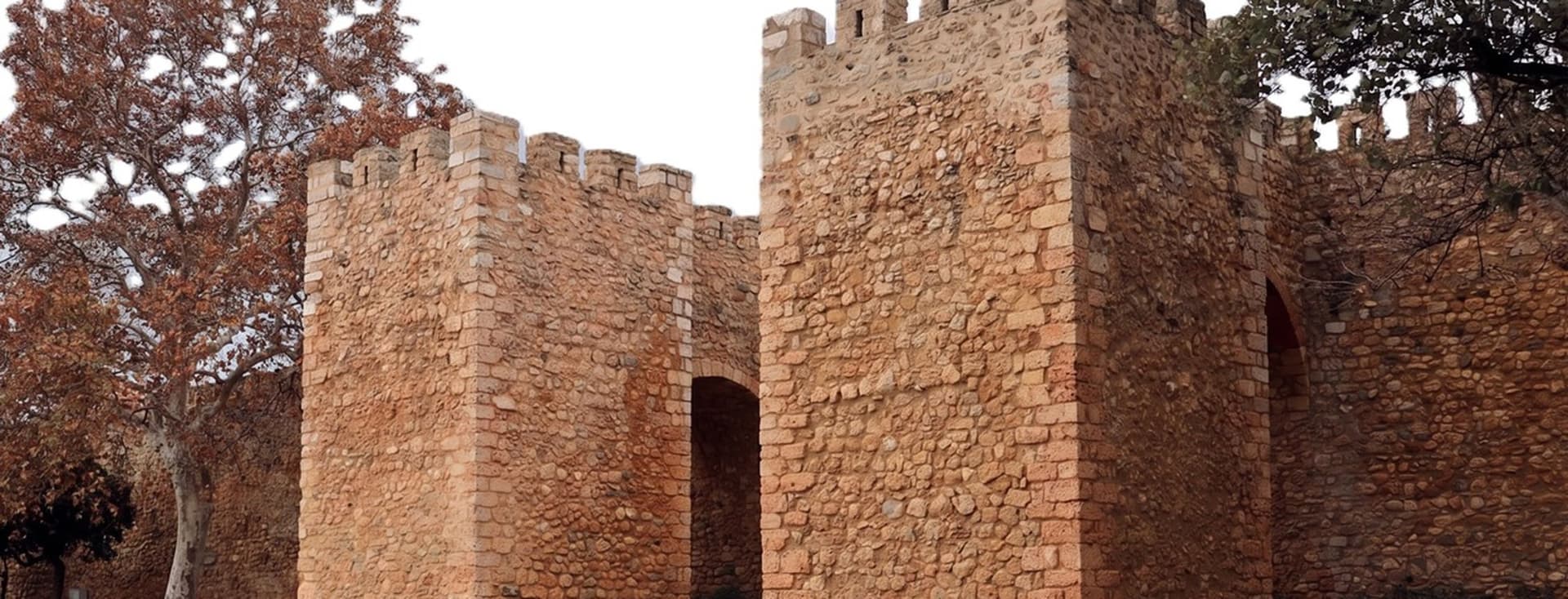
If there is one city in the Algarve that perfectly balances the dynamism of modern tourism with the golden weight of history, that city is Lagos. Internationally renowned for its cliff-backed beaches sculpted by the wind and its unmistakable turquoise-blue waters, the truth is that the city’s real heart beats within its fortified perimeter.
Anyone strolling through the cobbled streets of the historic centre cannot help but be captivated by the imposing embrace of stone surrounding the city: the walls of Lagos. More than a simple feat of military engineering from the past, this national monument is an open book filled with conspiracies, romantic legends, miracles, and memories from the era when Portugal ruled the oceans.
If you truly want to understand the soul of this region and discover why so many people choose this destination to live or invest in, join us on a journey back in time. Together, we will uncover the legends and best-kept secrets hidden among the stones of these centuries-old fortifications.
Properties in Lagos
Lagos, Faro District, Portugal
Price
€1,100,000
To fully understand the grandeur that the walls of Lagos represent today, we must travel back several centuries. Lagos’ strategic location — with its sheltered natural bay and privileged connection to the Atlantic Ocean — made the city highly sought after by almost every great civilisation that passed through the Iberian Peninsula.
Defensive structures already existed in the ancient city of Lacobriga during the Roman period, but it was the Moors, throughout the Islamic occupation, who consolidated the city’s first major walled enclosure, historically known as the Cerca Velha (“Old Wall”). However, the great period of urban and military expansion began in the 15th century, when Lagos became one of the main bases of the Portuguese Discoveries, closely associated with the work of Prince Henry the Navigator.
As wealth flowed through the port — driven by Atlantic, African, and Eastern trade — Lagos expanded beyond the limits of its old medieval walls. This growth made the construction of a new defensive line necessary during the reigns of King Manuel I and King João III in the 16th century.
This “New Wall” (Cerca Nova), designed to accommodate artillery and firearms, incorporated bastions and military structures typical of Renaissance defensive architecture. Lagos thus became the capital of the Kingdom of the Algarve between 1576 and 1756, reflecting the city’s enormous strategic, military, and economic importance during the Age of Discoveries.
Ancient stones hold memories, and throughout the generations, oral tradition and historical research have kept alive the stories that continue to fascinate both locals and visitors alike. As you stroll alongside the walls of Lagos, three major perspectives immediately stand out.
Blessed Gonçalo and the Tradition of Protection at the Sea Gate
Blessed Gonçalo of Lagos is the city’s patron saint and one of the region’s most remarkable figures. Born in the 14th century, his life became etched into collective memory through his acts of profound charity and his deep connection with the local fishing community. The city’s most famous story unfolds beside the iconic Sea Gate (Porta do Mar), the direct link between the fortified town and the waters of the Atlantic.
According to local tradition, during periods of violent storms and scarcity that threatened the survival of the population, Blessed Gonçalo would stand at this gateway in the city walls to bless the fishermen heading out to sea. The belief in his protection and spiritual guidance gave the men such courage that they were able to face the storms and return with abundant catches, ensuring the survival of Lagos.
More than just a legend, the truth is that the Sea Gate still carries an aura of reverence today and symbolises the deep historical bond that Lagos has always shared with the ocean.
The Secret Tunnels and Underground Mysteries of Lagos
Beyond what the eye can see on the surface, the underground world beneath the historic centre of Lagos and its city walls has long fuelled the imagination of historians and residents alike. For centuries, stories circulated about a complex network of underground military tunnels connecting strategic points — such as the Governors’ Castle (Castelo dos Governadores) — directly to the coastline and the mythical Ponta da Piedade.
Although many of these passages collapsed or remained sealed after the 1755 earthquake, the existence of structures such as the monumental Ancient Cistern — an impressive feat of Gothic and Renaissance engineering hidden beneath the streets — proves that the city walls still conceal engineering secrets designed to guarantee the city’s survival during prolonged sieges.
To walk through Lagos is to know that, beneath our feet, lies a forgotten city that once ensured the safety of kings and navigators.
It was from Lagos that King Sebastian departed in June 1578 for the military campaign in Morocco that would culminate in the Battle of Alcácer Quibir, one of the most defining events in Portuguese history. According to local tradition, the young king delivered his farewell words to the troops near the city walls and the Church of Santa Maria before the fleet set sail.
His disappearance in battle gave rise to Sebastianism — the myth of the king who would one day return on a foggy morning to restore the nation’s greatness. Walking today alongside the sea-facing walls of Lagos is, symbolically, to revisit one of the most dramatic moments in Portugal’s historical memory.
The defensive strength of the walls of Lagos was tested countless times. During the 16th and 17th centuries, the Algarve was a constant target for corsairs and pirates from North Africa — the feared Barbary pirates — as well as English privateers such as the famous Sir Francis Drake. Thanks to the robustness of its bastions and the readiness of the soldiers stationed in the city, Lagos managed to repel devastating attacks that destroyed other coastal towns lacking similar defences.
However, the greatest trial faced by the walls of Lagos did not come from human ingenuity, but from the forces of nature. On 1 November 1755, a catastrophic earthquake followed by a massive tsunami devastated much of Lisbon and the Algarve. Due to its proximity to the epicentre, Lagos was almost entirely destroyed by the gigantic waves that overwhelmed the coastline.
Remarkably, large sections of the Cerca Nova (“New Wall”) resisted the violent impact of the water. Acting as a physical barrier, the walls protected the higher parts of the city and saved the lives of hundreds of inhabitants who had sought refuge there. It is this same resilient stone — which held back the force of the ocean nearly three centuries ago — that today provides the backdrop for the sunset walks of those who visit the city.
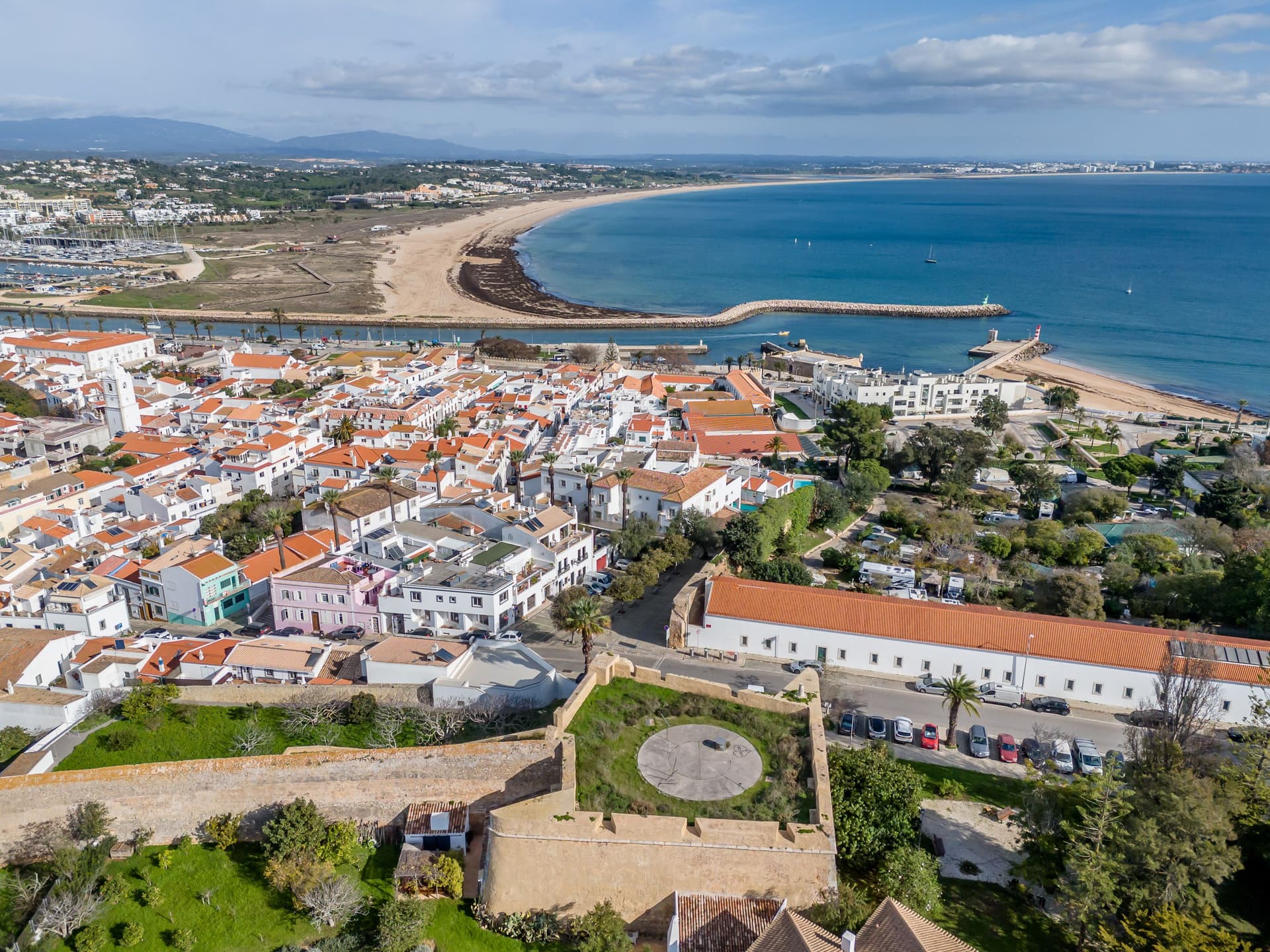
Today, the walls of Lagos no longer serve the purpose of keeping the outside world away. On the contrary, they have become a welcoming monument that defines one of the most sought-after, dynamic, and sophisticated residential and cultural areas in Southern Europe.
Living in the historic centre of Lagos, or in its surrounding areas, offers a truly unmatched quality of life:
● Culture on Your Doorstep: Contemporary art galleries, museums — such as the Slave Market Museum (Mercado de Escravos) and the Dr José Formosinho Municipal Museum — and the iconic Lagos Cultural Centre coexist side by side with the medieval urban layout.
● Premium Gastronomy: Within the city walls lies an exceptional gastronomic scene, ranging from traditional taverns serving fresh fish to fine dining restaurants and speciality cafés with cosmopolitan terraces.
● Close Proximity to the Sea: Living in the centre means being able to walk to Praia da Batata, Praia dos Estudantes, or even the award-winning Lagos Marina, without needing to rely on a car for everyday life.
This unique combination of safety, a mild year-round climate, modern infrastructure, and such a rich historical heritage ensures that the property market in this specific area continues to enjoy steady appreciation and exceptionally strong international demand.
The privilege of living in a place where every corner breathes history and every window offers a glimpse of the Atlantic blue is within your reach. At Engel & Völkers Lagos, we specialise in connecting discerning clients with the region’s most exclusive properties.
From beautifully restored historic villas with modern luxury finishes within the city walls, to contemporary apartments with panoramic views over the Bay of Lagos, our premium portfolio has been designed to exceed your expectations.
Allow yourself to be captivated by the unique and sophisticated lifestyle of the Western Algarve. Click here to explore our exclusive properties in Lagos and begin writing your next seaside chapter today.
You may also be interested in
Contact provider
Page content provided by: SOPC 3 - Actividades Imobiliárias, Lda.
License partner of Engel & Völkers Franchise and Trademark GmbH