
Get Your Free Investment Guide
Learn how to maximise returns and make informed decisions in Dubai’s property market.
The new GG website: Inspiring personalities, extraordinary places and exceptional properties. Discover now
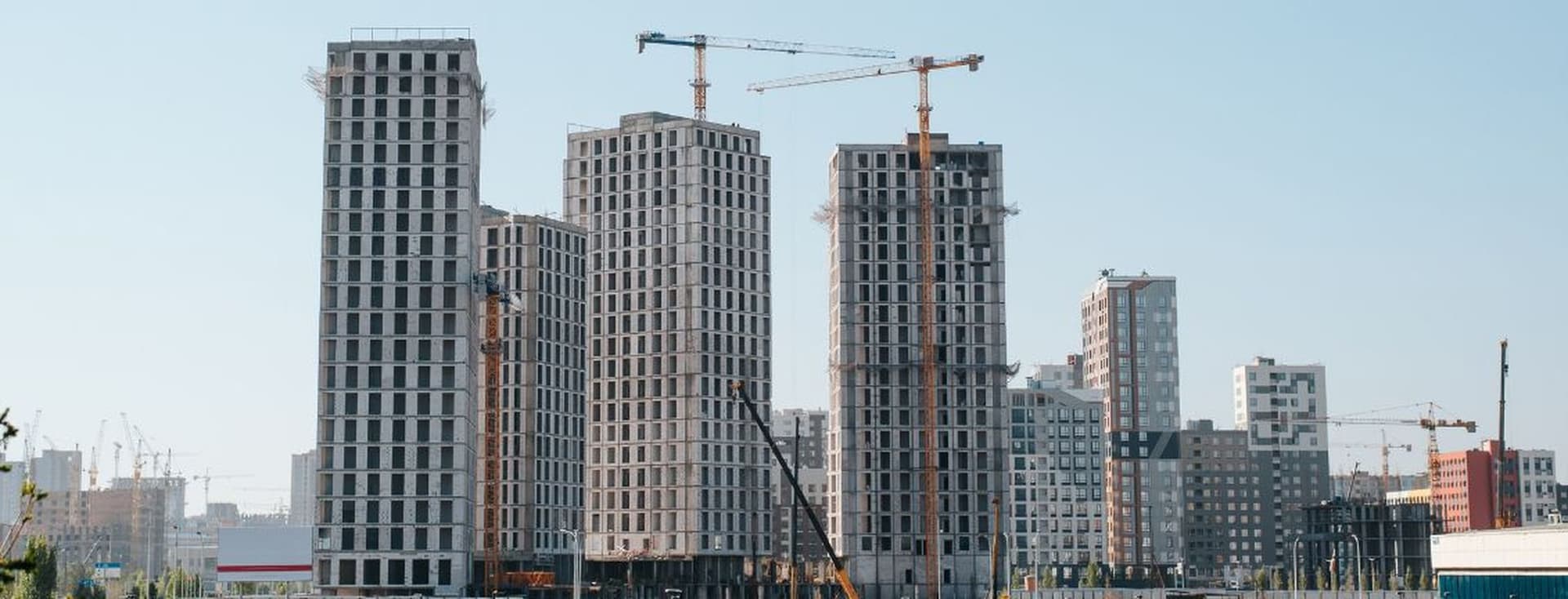
Key Takeaways:
The Defect Liability Period (DLP) in construction is a crucial safeguard for off-plan property buyers, allowing them to report and rectify construction defects at no extra cost after handover.
In Dubai, the typical DLP duration is 6–12 months, during which developers are legally obligated to fix issues related to poor workmanship, materials, or non-compliance.
DLP coverage includes structural, electrical, plumbing, HVAC, and finishing defects, but excludes normal wear and tear, owner-caused damage, and post-handover modifications.
Understanding the difference between DLP, warranty, and the maintenance period helps buyers protect their investment and ensure a smoother off-plan handover process in Dubai.
Planning to buy an off-plan property in Dubai? You’re not alone. Off-plan transactions accounted for over 63% of sales in 2025, driven by competitive entry prices, structured payment plans, and long-term capital appreciation potential.
While many factors influence an off-plan purchase, understanding the defect liability period (DLP) is often overlooked. Yet it plays a critical role at the final and most sensitive stage of the transaction, the transition from developer delivery to buyer ownership.
This guide provides a clear explanation of the defect liability period in construction, what it covers, how it works in Dubai in 2026, and why it matters for off-plan buyers and investors.
Table of Content
What Is the Meaning of DLP in Construction?
Why DLP Matters for Off-Plan Property Buyers
Typical DLP Duration in Residential Construction
What Is Covered Under the Defect Liability Period?
What Is Not Covered Under the Defect Liability Period?
Defect Liability Period vs Warranty vs Maintenance Period
How DLP Works During Property Handover
How to Protect Yourself as a Buyer or Investor
Conclusion
To understand the DLP meaning in construction, it helps to start with the basics. The defect liability period is a pre-defined timeframe following project completion and handover during which the buyer can inspect the property and formally request the developer to rectify any defects.
During the defect liability period, the developer is legally required to address qualifying defects at no additional cost to the buyer. These obligations are typically outlined in the Sales and Purchase Agreement (SPA).
In practice, the defect liability period in construction involves:
A fixed timeframe defined by the developer and contractually agreed at purchase. The typical defect liability period in construction ranges from 6 to 12 months.
The DLP in construction begins once the project has been completed, handed over, and deemed fit for occupancy.
The DLP in construction applies to defects resulting from poor workmanship, substandard materials, or non-compliance with agreed specifications.
A defect liability period in construction is essential because it enforces accountability at a critical stage of the off-plan process. Buyers are taking possession of a newly built property, often without having lived in it before, and defects may only become apparent after handover.
The DLP protects buyers and their investment while ensuring developers deliver according to approved plans and standards. Key reasons why DLP in construction matters include:
It prevents buyers from bearing immediate repair costs after handover.
It ensures serious defects do not affect the property’s safety, usability, or occupancy.
DLP helps resolve post-handover issues without escalation into formal disputes or legal action.
It incentivises developers to maintain quality standards and complete projects responsibly.
A defect liability period does not follow a universal rule and can vary by project. In Dubai, most residential developments offer a defect liability period of up to one year from the date of handover, in line with common market practice.
This timeframe allows buyers sufficient opportunity to identify defects, raise formal notices, and have issues rectified while the developer remains responsible. In some projects, the DLP may be shorter, which is why buyers should always confirm the exact duration in their SPA before handover.
Once the DLP meaning in construction is understood, the next step is knowing what qualifies as a defect. While coverage varies slightly by project, the following issues are generally included during the defect liability period:
Use of poor or substandard construction materials
Poor finishing, including low-quality painting, tiling, carpentry, or fittings
Non-compliance with property specifications outlined in the contract
Structural defects that compromise safety or stability
Plumbing or electrical faults
HVAC system defects
General workmanship-related issues
Not all property issues fall under the developer’s responsibility during the defect liability period. Common exclusions include:
Normal wear and tear
Damage caused by the owner or occupants
Routine maintenance issues that arise with use
Damage caused by external or environmental factors
Modifications or alterations carried out by the buyer after handover
Understanding these exclusions helps manage expectations and avoid disputes.
Get Your Free Investment Guide
Learn how to maximise returns and make informed decisions in Dubai’s property market.
The terms defect liability period, warranty, and maintenance period are often confused, but they refer to different responsibilities.
The DLP in construction relates to overall property defects and is the developer’s responsibility.
A warranty applies to specific equipment or systems, such as appliances or fixtures, and is typically covered by the manufacturer rather than the developer.
Warranty periods often extend beyond the defect liability period.
The maintenance period begins after handover and focuses on general upkeep rather than defect correction.
While developers may be involved in both DLP and maintenance, the scope and obligations are not the same.
After handover, buyers should inspect their property promptly and document any defects identified during the defect liability period. Issues should be reported formally to the developer, usually through written defect notices or dedicated handover portals.
Early inspections allow developers adequate time to schedule rectification works. Buyers are advised to keep records of all correspondence and follow up regularly until issues are resolved.
To protect your investment during the off-plan handover stage, buyers and investors should keep the following in mind:
Know your rights: Understanding RERA regulations and the DLP meaning in construction helps avoid surprises.
Confirm timelines: Clarify handover dates and the exact defect liability period stated in your SPA.
Inspect early: Conduct thorough inspections immediately after handover to maximise the DLP window.
Follow up consistently: Regular follow-ups help ensure timely defect resolution and developer accountability.
Understanding the defect liability period (DLP) in construction is a critical part of buying an off-plan property in Dubai. While attractive prices and payment plans often dominate decision-making, the DLP is what protects buyers after handover, ensuring construction defects are identified and rectified without unexpected costs.
For off-plan buyers and investors, knowing what the defect liability period covers, how long it lasts, and how it differs from warranties and maintenance obligations helps reduce risk, avoid disputes, and safeguard long-term value. It also allows buyers to plan occupancy, leasing, or resale strategies with greater confidence once a project is completed.
If you are considering an off-plan investment in Dubai, working with an experienced real estate advisor can help you understand developer obligations, contract terms, and post-handover protections such as the defect liability period. This clarity is essential in navigating Dubai’s fast-moving off-plan market and protecting your investment from day one.
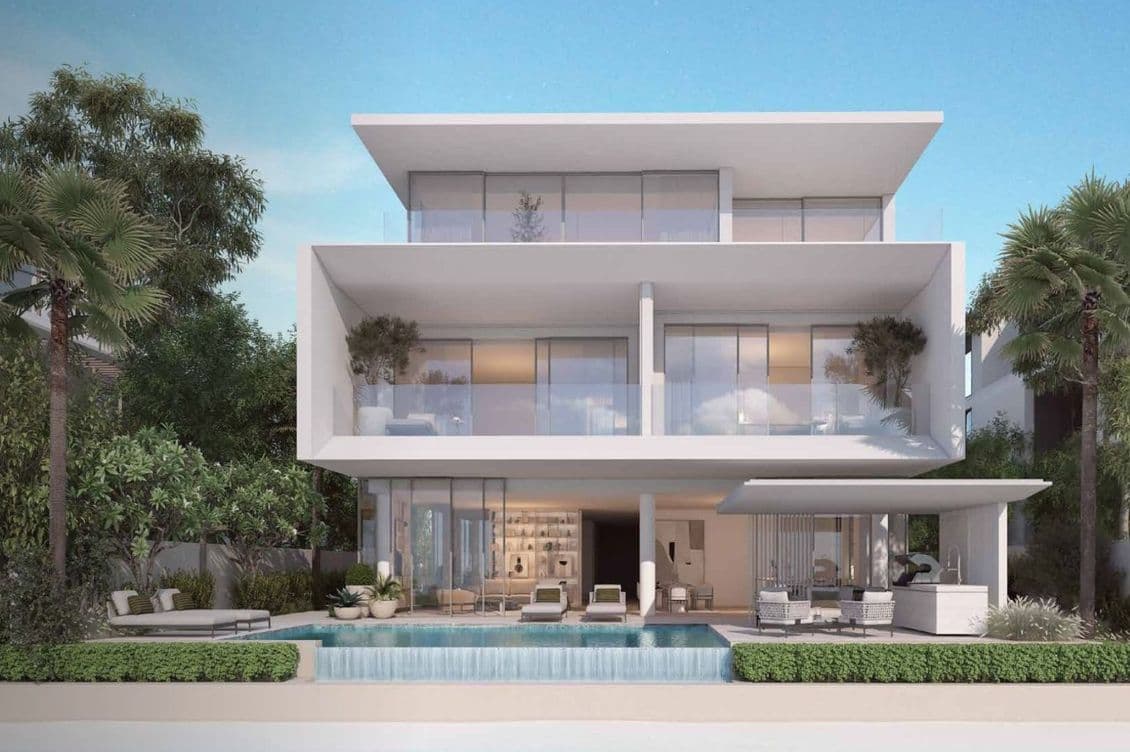
Buy Off-Plan with Confidence
Speak with an Engel & Völkers advisor to understand developer obligations, handover protections, and secure off-plan opportunities in Dubai.
You may also be interested in




Contact



Engel & Völkers Dubai
7th Floor, Al Khail Plaza
Jumeirah Village Triangle, Dubai, UAE
Tel: +971 4 4223500