
- 6 min read
- Updated: 10 Sept. 2026
- by Luca Cappalonga
How to Build a High-Performing Investment Property Portfolio in 2026

Key Takeaways:
Building a high-performing investment property portfolio requires clear objectives, disciplined financial planning and ongoing market analysis
Diversifying across locations, property types and investment strategies can help reduce concentration risk
Investors should consider the balance between rental income and potential capital appreciation based on their objectives and risk tolerance
In August 2026, average gross residential rental yields in Dubai stood at 6.34%, including 6.66% for apartments, 5.06% for townhouses and 4.45% for villas
Real estate has long formed part of diversified investment portfolios, offering the potential for both recurring rental income and long-term capital growth. However, building a successful property portfolio requires more than simply acquiring multiple assets. Each investment should contribute to a clear strategy based on financial objectives, risk tolerance and market conditions.
This guide provides an overview of building and maintaining a property investment portfolio in 2026. From asset allocation and financing to rental yield, diversification and portfolio rebalancing, it explains the key considerations for investors looking to build a scalable long-term strategy.
Table of Content
The Foundations of an Investment Property Portfolio
Asset Allocation in Real Estate Investing
Key Strategies for Building a Strong Property Portfolio
Rental Yield vs Capital Appreciation
Active vs Passive Portfolio Management
Financing and Scaling Your Portfolio
Common Mistakes When Building a Property Portfolio
Managing and Scaling Your Investment Property Portfolio
When to Restructure or Rebalance Your Portfolio
Why Dubai Is Ideal for Building a Property Portfolio
Conclusion
The Foundations of an Investment Property Portfolio
An investment property portfolio may sound exciting, but for first-time investors it can also feel daunting. At its core, a real estate investment portfolio consists of a collection of property assets, which may include a combination of residential and commercial properties.
Before building a property portfolio, it’s important to understand several key fundamentals:
Capital: Property investments often require significant upfront capital. Understanding your financial position, borrowing capacity, and risk tolerance is essential before entering the market.
Market trends: Property markets change over time and go through periods of growth and correction. A clear understanding of supply, demand, and broader economic conditions helps investors identify opportunities while avoiding overexposure to short-term cycles.
Property prices and rental dynamics: Both sales prices and rental values fluctuate. Tracking these movements is critical, particularly in markets like Dubai where rental yields and pricing vary significantly by community and property type.
Asset Allocation in Real Estate Investing
Many first-time investors ask how to build a property portfolio, and one of the first steps is understanding asset allocation.
Asset allocation in real estate refers to how you distribute your investments across different property types, locations, and ownership structures. This may include residential apartments, villas, commercial assets, or indirect investments such as REITs or fractional ownership.
A well-balanced portfolio typically combines different risk profiles. For example, apartments in low to mid-market communities may offer stronger yields, while villas and prime assets may appeal to investors placing greater emphasis on scarcity, end-user demand and potential long-term capital growth.
In Dubai, this distinction is particularly clear. As of August 2026, apartments generated an average gross rental yield of 6.66%, compared with 5.06% for townhouses and 4.45% for villas. However, yields vary considerably between communities, price points and individual properties.
Strategic asset allocation helps investors avoid over-reliance on a single segment of the market while building a portfolio that can perform across different market conditions.
Key Strategies for Building a Strong Property Portfolio
Wondering how to start a property portfolio? The following strategies remain essential in 2026’s evolving real estate landscape:
Risk management: Diversification remains one of the most effective ways to manage risk. Spreading investments across different property types, price points, and locations can help reduce exposure to market fluctuations.
Research: Thorough due diligence is critical. This includes analysing supply and demand trends, historical performance, rental yields, and upcoming infrastructure or masterplan developments that may influence future value.
Clear objectives: Property investment is a long-term strategy. Whether your goal is steady rental income, capital appreciation, or a combination of both, defining this early will shape your investment decisions and portfolio structure.
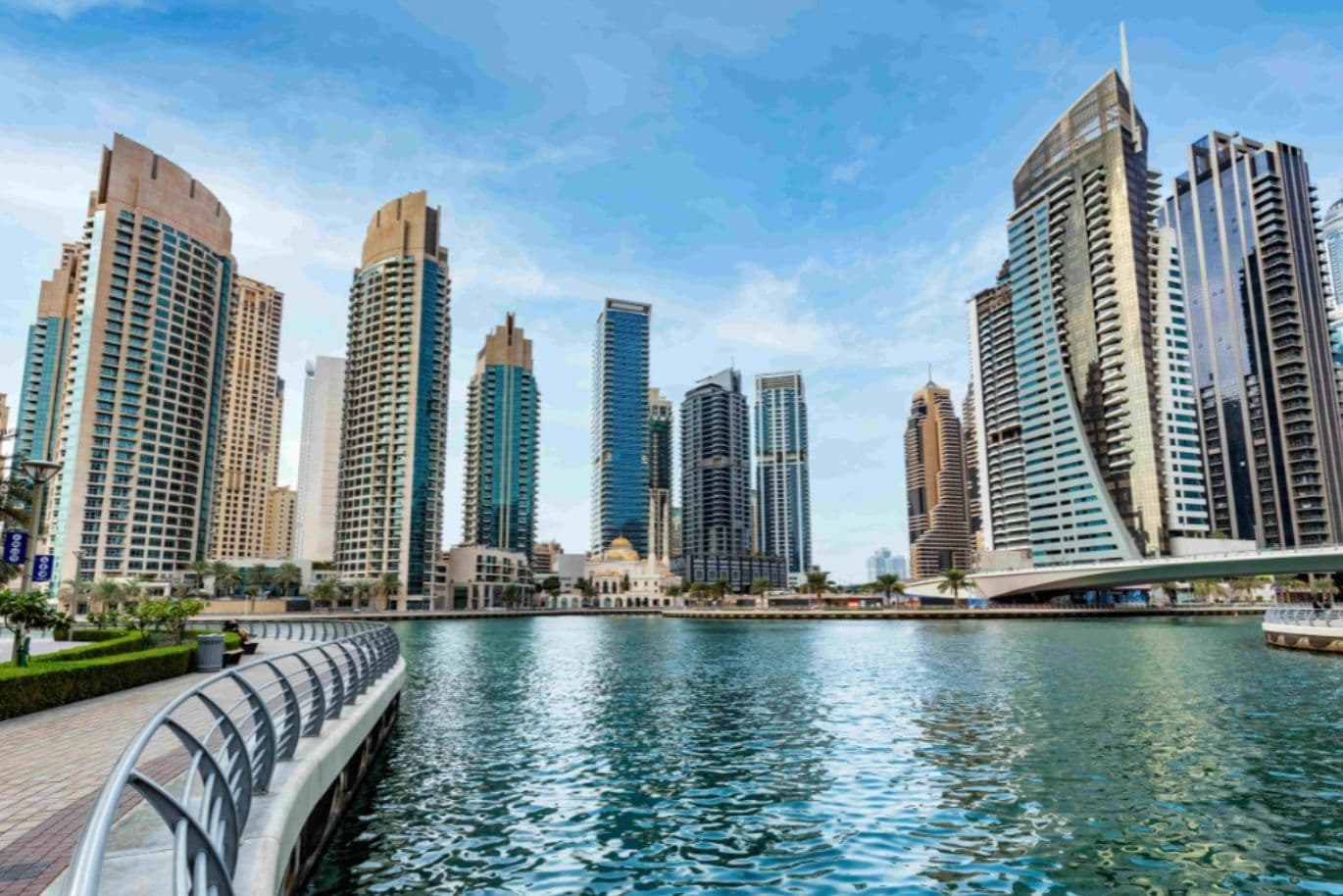
Rental Yield vs Capital Appreciation
One of the most important considerations when building an investment property portfolio is the balance between rental yield and capital appreciation.
High-yield properties can generate stronger immediate cash flow. In August 2026, Dubai’s average gross residential rental yield stood at 6.34%, rising to 6.66% for apartments. Some more affordable communities achieve considerably higher yields, including International City at 8.93%, Dubai Sports City at 7.76% and Dubai South at 7.21%.
However, the highest yields are not always aligned with the strongest long-term capital growth. Prime locations, waterfront developments and branded residences may offer lower rental yields because of their higher purchase prices, but can appeal to investors targeting scarcity, international buyer demand and potential long-term capital growth.
Rather than viewing this as a trade-off, many investors aim to strike a balance. A well-structured portfolio may include:
higher-yield assets to generate income
growth-focused assets to build long-term equity
This combination creates a more resilient portfolio that performs across different market cycles.
Active vs Passive Portfolio Management
There are typically two ways to manage a real estate investment portfolio: active and passive.
Active portfolio management involves closely monitoring the market, adjusting strategy, and making decisions based on economic conditions, pricing trends, and investment opportunities. This approach can offer greater control, but requires time, expertise, and ongoing involvement.
Passive portfolio management, on the other hand, is a more hands-off approach. Investors focus on long-term performance, often holding assets without frequent adjustments. This strategy can be suitable for those seeking long-term returns without active day-to-day management.
Both approaches can be effective depending on your goals, but clarity on your level of involvement is essential when building a scalable portfolio.
Financing and Scaling Your Portfolio
For investors using mortgage finance, borrowing capacity depends on factors including residency status, property value and whether the property is a first or subsequent purchase. Under UAE Central Bank mortgage rules, expatriates can borrow up to 80% of the value of a first owner-occupied property valued at AED 5 million or below, falling to 70% above AED 5 million. For subsequent properties, the maximum LTV for expatriates is 60%, while off-plan financing is capped at 50%.
These limits are particularly important when scaling a portfolio, as deposit requirements can increase significantly after the first property.
This structure allows investors to leverage capital and acquire multiple properties over time rather than relying solely on cash purchases. However, leverage must be approached carefully.
Using mortgages or off-plan payment plans can accelerate portfolio growth, but also increases financial exposure. Overleveraging, particularly in uncertain or shifting market conditions, can place pressure on cash flow and reduce flexibility.
A disciplined approach to financing, supported by realistic assumptions on rental income and expenses, is essential for long-term sustainability.

Common Mistakes When Building a Property Portfolio
Having gained an understanding of how to build a property portfolio, it is equally important to recognise common pitfalls:
Emotional buying: Investment decisions should be driven by data and strategy, not personal preference.
Lack of planning: A clear investment strategy and long-term vision are critical. Without them, portfolio growth can become inconsistent or misaligned with financial goals.
Overextending finances: While financing can support growth, taking on excessive debt can increase risk, particularly if market conditions change.
Insufficient diversification: Concentrating investments in a single location or asset type can expose your portfolio to unnecessary risk.
Managing and Scaling Your Investment Property Portfolio
Once a portfolio is established, the focus shifts to optimisation and long-term performance.
Ongoing management: Maintaining properties, managing tenants, and controlling operating costs all directly impact returns. Many investors choose to work with professional property management services to ensure consistency.
Market awareness: Regularly reviewing market conditions allows investors to identify when to hold, refinance, or reposition assets within their portfolio.
Strategic growth: Scaling a portfolio should be gradual and aligned with financial capacity. Expanding too quickly without sufficient liquidity or planning can increase exposure to risk.
When to Restructure or Rebalance Your Portfolio
Rebalancing can be an important but often overlooked aspect of portfolio management.
Over time, certain assets may outperform others, shifting the overall balance of your portfolio. Rebalancing involves adjusting holdings to maintain your intended allocation, whether that means selling underperforming assets or reinvesting into new opportunities.
Many investors review their portfolio annually, making incremental adjustments rather than large-scale changes. This helps manage risk while keeping the portfolio aligned with evolving market conditions and personal objectives.
Why Dubai Is Ideal for Building a Property Portfolio
Dubai remains one of the most attractive global markets for property investment, supported by strong fundamentals and investor-friendly policies.
Key advantages include:
No property tax, capital gains tax, or rental income tax for personal investors
Freehold ownership available to international investors
A growing population supporting long-term demand
A diverse range of property options across price points and asset types
Importantly, Dubai offers flexibility for different investment strategies. Whether targeting high rental yields, long-term capital appreciation, or a balanced approach, the market offers opportunities in both established and emerging communities.
At the same time, investors should remain selective. Performance can vary significantly by location, property type, and entry price, making careful research and strategic planning essential.
Conclusion
Building a successful investment property portfolio requires more than simply acquiring multiple assets. It demands a clear strategy, disciplined financial planning and an understanding of how each property contributes to the portfolio as a whole.
Dubai offers opportunities across different property types, price points and investment strategies, from higher-yielding apartments to prime residential and commercial assets. However, performance varies considerably between individual properties, making asset selection, financing and ongoing portfolio management critical.
By balancing income and potential capital growth, maintaining appropriate levels of leverage and regularly reviewing portfolio performance, investors can build a strategy aligned with their financial objectives and tolerance for risk.
Invest Smart in Dubai Real Estate
Discover expert strategies and opportunities to maximize returns in 2026. Speak with an Investment Consultant today.
Frequently Asked Questions
Start by defining your investment goals, budget, and risk tolerance. Research market conditions, identify target locations, and decide whether you are prioritising rental income, capital growth, or a balance of both. Working with an experienced real estate advisor can help you refine your strategy, access the right opportunities, and avoid costly mistakes early on.
There is no fixed number. A strong portfolio is defined by its structure rather than its size, with a mix of property types, locations, and investment strategies to balance risk and returns.
In Dubai, average gross rental yields are around 6–7%, although this varies by property type and location. Higher-yielding assets can exceed 8%, while lower-yield properties may offer stronger capital appreciation over time.
A well-diversified portfolio typically includes a mix of asset types, price points, and locations. This may involve combining higher-yield rental properties with assets positioned for long-term capital growth.
Yes. Foreign investors can purchase freehold properties in designated areas across Dubai, allowing full ownership and the ability to build and scale a property portfolio.
You may also be interested in
 How to Get a Mortgage in Dubai: A Beginner’s Guide
- 5 min.
- Updated: 23 Oct 2025
 14 Reasons Why You Should Invest in Dubai Real Estate
- 5 min.
- Updated: 20 Aug 2026
 How To Buy A Property In Dubai As A Foreigner
- 5 min.
- Updated: 10 Sept. 2026
 Buying a Holiday Home in Dubai: Key Considerations for Investors
- 5 min.
- Updated: 18 Aug 2026
 Best Property Investment Strategies: How to Invest in Real Estate (2026)
- 5 min.
- Updated: 11 Sept. 2026
 Buying and Flipping Homes in Dubai: A Real Estate Investor’s Guide
- 5 min.
- Updated: 11 Sept. 2026
 Investor Visa in Dubai: Eligibility, Investment Requirements, and Application Process
- 5 min.
- Updated: 11 Sept. 2026
 Dubai Residential Areas: Best Neighborhoods to Live in Dubai
- 5 min.
- Updated: 9 Sep 2026

Luca Cappalonga
Luca Cappalonga is a Sales Manager at Engel & Völkers Dubai with more than 13 years of experience in real estate, specialising in Jumeirah Golf Estates. Since beginning his career in 2012, he has developed extensive knowledge of the community and its residential property market, supporting buyers, sellers and investors across apartments, townhouses and villas. Luca takes a professional, client-focused approach, combining detailed local market knowledge with clear advice to help clients make well-informed property decisions.
Contact
Contact your personal advisor



Engel & Völkers Dubai
7th Floor, Al Khail Plaza
Jumeirah Village Triangle, Dubai, UAE
Tel: +971 4 4223500