- 5 min read
- Updated: 10 Sept. 2026
- by Luca Cappalonga
How To Buy A Property In Dubai As A Foreigner
Key Takeaways:
Foreign nationals can buy property in designated freehold areas across Dubai
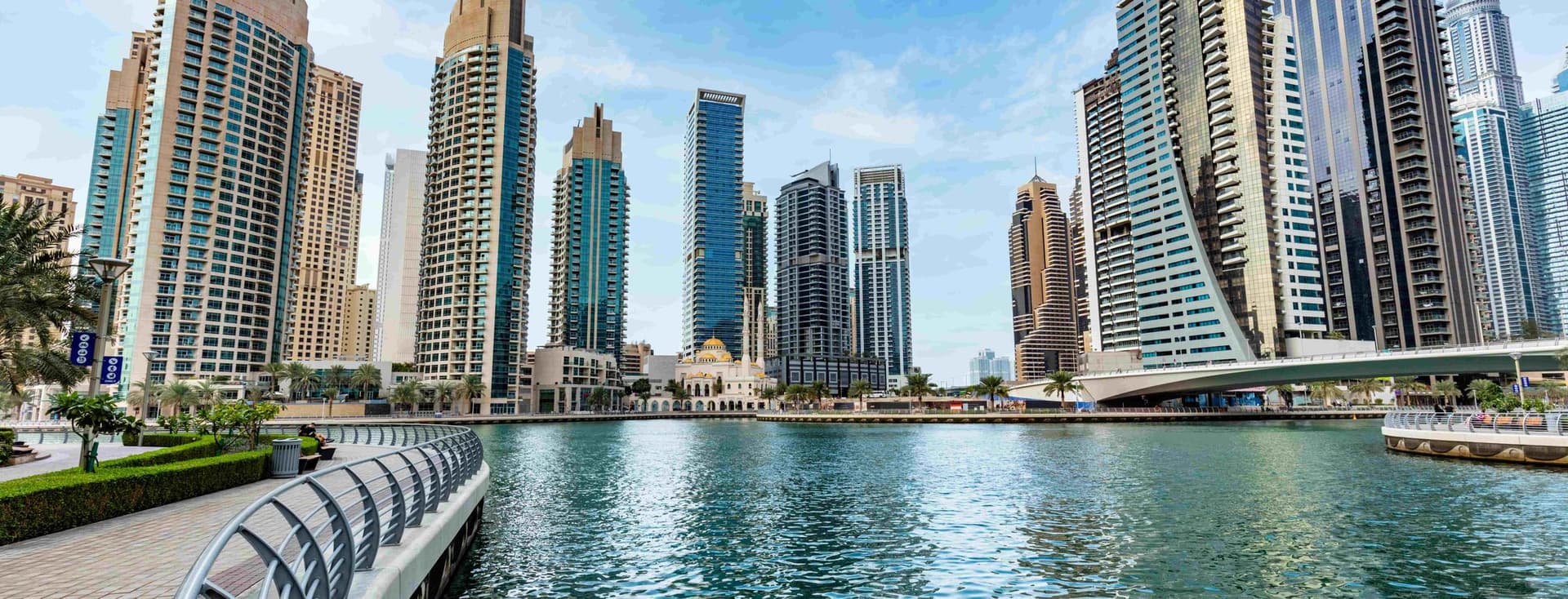
Popular freehold communities include Dubai Marina, Downtown Dubai, Jumeirah Village Circle, Palm Jumeirah and Dubai Hills Estate
The buying process typically involves selecting a property, arranging financing if required, signing the relevant sale agreement and completing the Dubai Land Department transfer process
Dubai continues to attract international buyers through its freehold ownership framework, infrastructure, rental market and residency opportunities for qualifying property investors
Dubai remains one of the world’s most active destinations for international property buyers, offering freehold ownership in designated areas, a broad choice of residential properties and a well-established regulatory framework. In 2026, international buyers continue to play an important role in the market, although buyers have become increasingly selective following several years of rapid price growth.
Foreign nationals can purchase both ready and off-plan property in approved freehold areas, whether for investment, use as a second home or relocation to Dubai.
This guide explains who can buy property in Dubai as a foreigner, the ownership options available, the buying process, financing and transaction costs, and the residency rules that may apply to qualifying property owners.
Table of Content
Can Foreigners/Expats Buy Property in Dubai?
Eligibility for Property Ownership – Laws for Foreigners in Dubai
Types of Properties Foreigners Can Buy in Dubai
Benefits of Buying Property in Dubai as a Foreigner
Why Dubai Continues to Attract Foreign Buyers
Step-By-Step Guide to Buy Property in Dubai as a Foreigner
Financial Considerations for Foreign Property Buyers
Legal Requirements and Documentation
Choosing the Right Location for Your Investment
Working With Real Estate Agents
Conclusion
Can Foreigners/Expats Buy Property in Dubai?
This article is for everyone asking the question, “Can foreigners buy property in Dubai?” The short answer is yes.
Dubai’s real estate market allows foreign nationals to purchase property in designated freehold areas across the emirate. This article will explore the types of properties available, the benefits of buying property in Dubai, legal considerations, financing options, and how to navigate the buying process successfully.
This article will dive into topics such as the types of property available in Dubai, the benefits of buying property in Dubai, working with the right real estate agent, and more.
Eligibility for Property Ownership – Laws for Foreigners in Dubai
While foreigners can legally buy and own property in Dubai, ownership is restricted to designated freehold areas approved by the Dubai government.
Dubai’s freehold ownership framework allows international buyers to purchase, sell, lease, and inherit property in approved communities across the emirate. The Dubai Land Department (DLD) oversees property registration and issues official title deeds confirming ownership rights.
Foreign buyers can also apply for mortgages through UAE banks, although mortgage availability, down payment requirements, and lending conditions vary depending on residency status, nationality, income, and the bank’s internal criteria.
There is currently no maximum age limit for foreigners buying property in Dubai, although mortgage eligibility may be subject to lender age restrictions.
Types of Properties Foreigners Can Buy in Dubai
There are two types of properties foreigners and expats in Dubai can buy: freehold and leasehold properties.
Freehold Ownership
Freehold ownership gives the buyer an ownership interest without a fixed time limit in a property located within one of Dubai’s designated foreign ownership areas. Depending on the property type, this can include ownership of land or ownership of an individual unit together with the applicable rights in the wider development.
Some elements of freehold ownership include:
The Dubai Land Department registers the buyer’s ownership rights and issues the relevant title deed.
The property can be inherited by the owner’s heirs.
Owners can sell, lease, renovate, or occupy the property at their discretion, subject to developer regulations.
Eligible property owners may qualify for renewable UAE residency visas, including long-term Golden Visa options depending on the property value.
Owners are responsible for property maintenance, service charges, and major repairs.
Popular freehold areas in Dubai include Downtown Dubai, Dubai Marina, and Palm Jumeirah.
Leasehold Ownership
Leasehold ownership gives the buyer the right to occupy and use a property for a fixed period, commonly up to 99 years.
Some elements of leasehold ownership include:
Ownership applies only to the property, not the underlying land.
Ownership reverts back to the freeholder once the lease expires unless renewed.
Structural changes or major renovations may require approval from the freeholder.
Leasehold properties are often more affordable than freehold alternatives.
Maintenance responsibilities are generally more limited compared to freehold ownership.
Benefits of Buying Property in Dubai as a Foreigner
There are several reasons why Dubai continues to attract overseas investors and expatriate buyers.
1. Competitive Property Prices
Compared with many major global cities such as London, New York, Singapore, or Hong Kong, Dubai continues to offer relatively competitive pricing across both luxury and mid-market segments.
2. Investor-Friendly Tax System
Dubai does not currently impose annual property taxes or taxes on rental income for individual investors, helping buyers maximise returns.
3. High Rental Yields
Dubai continues to offer competitive rental yields across many residential communities. In August 2026, the average rental yield was 6.34%, including 6.66% for apartments, 5.06% for townhouses and 4.45% for villas. Actual returns vary significantly depending on location, property type, purchase price and ongoing ownership costs.
4. Long-Term Residency Opportunities
Foreign nationals considering residing permanently in Dubai and across the UAE can avail of a residence visa by investing in real estate.
In April 2026, Dubai loosened the requirements for attaining a 2 year investor visa, removing the previous minimum property value requirement.
Why Dubai Continues to Attract Foreign Buyers
Dubai continues to attract international buyers due to its combination of tax efficiency, strong infrastructure, residency visa options, lifestyle appeal, and relatively competitive pricing compared to many global gateway cities.
Continued population growth, large-scale infrastructure projects, expanding master-planned communities, and government-led investment initiatives have also helped support long-term confidence in the market. As Dubai continues to evolve into a global business and lifestyle hub, demand from overseas investors remains strong across both luxury and affordable property segments.
Step-By-Step Guide to Buy Property in Dubai as a Foreigner
Buying property in Dubai as a foreigner can be a relatively straightforward process when approached correctly.
1. Select a Freehold Area
Choose a community aligned with your objectives. Are you buying for investment, rental income, relocation, or lifestyle use?
2. Decide Between Off-Plan or Ready Property
The benefits of buying off-plan can include a more affordable entry price and flexible payment options, whilst buying a ready property allows for immediate occupancy or to start generating a rental income right away.
3. Work With a Real Estate Agent
An experienced real estate agentcan help streamline the process, identify suitable opportunities, negotiate effectively, and guide you through legal requirements.
4. Arrange Financing
If financing is required, overseas buyers should ideally secure mortgage pre-approval before beginning their property search.
5. Negotiate and Sign Agreements
Once a suitable property is identified, the buyer and seller agree on pricing and terms before signing the Memorandum of Understanding (Form F).
6. Complete the Transfer Process
The final ownership transfer takes place at a Dubai Land Department Trustee Office, where the title deed is officially transferred into the buyer’s name.
Financial Considerations for Foreign Property Buyers
Before buying property in Dubai, international buyers should carefully assess their financial objectives and investment strategy.
Important considerations include:
Determining whether the property is intended for personal use, rental income, or capital appreciation
Comparing mortgage products, eligibility criteria, and repayment structures
Assessing expected rental yields and long-term appreciation potential
Understanding transaction costs, including DLD fees, agency commissions, service charges, and mortgage registration fees
Planning an exit strategy if purchasing for shorter-term investment purposes
Speaking with a mortgage broker or financial advisor can help simplify the financing process and improve decision-making.
Legal Requirements and Documentation
Foreign buyers must follow the official Dubai property transfer process and prepare the required documentation.
Key legal steps include:
Agreeing terms between buyer and seller
Signing the Real Estate Sale Agreement (Form F)
Paying the required deposit
Obtaining an NOC (No Objection Certificate) from the developer
Completing the ownership transfer at the Dubai Land Department
Typical required documents include:
Passport copies
Emirates ID and visa (if applicable)
Original title deed
Signed Form F/MOU
NOC from the developer
Mortgage documents if financing is involved
Choosing the Right Location for Your Investment
The ideal location depends on the buyer’s investment objectives, budget, and lifestyle priorities.
Popular prime and lifestyle-led communities include:
Popular up and coming areas in 2026 include:
Dubai South
Dubai Islands
Dubai Creek Harbour
Palm Jebel Ali
The Valley
Arabian Ranches 3
Working With Real Estate Agents
Working with an experienced real estate agentcan significantly simplify the buying process for international buyers.
A professional real estate advisor can help:
Identify suitable investment opportunities
Navigate local regulations and procedures
Negotiate pricing and transaction terms
Coordinate documentation and transfer processes
Provide market insights and community guidance
Support overseas buyers throughout the entire purchase journey
Choosing an established brokerage with strong local market expertise can help reduce risk and improve the overall buying experience.
Conclusion
Foreign nationals can buy property in Dubai through a well-established ownership and registration framework, with opportunities ranging from ready apartments and villas to off-plan developments across designated freehold areas.
The right property will depend on the buyer’s objectives, budget, intended use and investment horizon. Location, purchase price, developer reputation, rental demand, service charges and future supply should all be considered before committing to a purchase.
Engel & Völkers Dubai supports international buyers throughout the process, from selecting suitable communities and properties to negotiating the transaction and progressing the purchase through to final ownership transfer.
Ready to begin your property search?
Get in touch with Engel & Völkers Dubai for expert, end-to-end support — from area selection and legal guidance to negotiations and final transfer. Call us at 800 355 or email dubai@engelvoelkers.com today.

Get Your Free Investment Guide
Learn how to maximise returns and make informed decisions in Dubai’s property market.
Frequently Asked Questions
Yes. Foreign nationals can purchase freehold property in designated freehold areas across Dubai, including communities such as Dubai Marina, Downtown Dubai, Palm Jumeirah, Dubai Hills Estate, and Dubai Creek Harbour.
Yes. Both UAE residents and non-residents can apply for mortgages in Dubai, although eligibility, down payment requirements, and loan terms vary between banks.
Property investors may qualify for UAE residency visas depending on the property value and eligibility criteria. For example, qualifying investments above AED 2 million may make buyers eligible for a 10-year Golden Visa.
Popular freehold areas for international buyers include Dubai Marina, Downtown Dubai, Palm Jumeirah, Dubai Hills Estate, Business Bay, JVC, and Dubai Creek Harbour.
Dubai does not currently impose annual property taxes or taxes on rental income for individual property owners, although buyers should still consider transaction costs, service charges, and applicable fees.
Yes. Foreign buyers can purchase off-plan properties in designated freehold areas, often benefiting from flexible payment plans and lower entry prices compared to completed properties.
You may also be interested in
 Dubai Real Estate Laws and Regulations: A Comprehensive Overview
- 5 min.
- Updated: 9 Sep 2026
 Buying vs renting in Dubai: which is right for you?
- 5 min.
- Updated: 7 Sept 2026
 Top 12 Real Estate Developers in Dubai (2026 Edition)
- 10 min.
- Updated: 17 September 2026
 Cost of Living in Dubai: A 2026 Guide for Expats & Investors
- 5 min.
- Updated: 21 Dec 2025
 15 Most Famous Buildings in Dubai: Iconic Landmarks That Define the Skyline
- 5 min.
- Updated: 26 May 2026
 Approved Property Registration Trustees in Dubai: All You Need to Know
- 5 min.
- Updated: 23 Oct 2025
 First-Time Home Buyers in Dubai: Complete Guide for 2026
- 5 min.
- Updated: 10 Sept. 2026
 Dubai Residential Areas: Best Neighborhoods to Live in Dubai
- 5 min.
- Updated: 9 Sep 2026

Luca Cappalonga
Luca Cappalonga is a Sales Manager at Engel & Völkers Dubai with more than 13 years of experience in real estate, specialising in Jumeirah Golf Estates. Since beginning his career in 2012, he has developed extensive knowledge of the community and its residential property market, supporting buyers, sellers and investors across apartments, townhouses and villas. Luca takes a professional, client-focused approach, combining detailed local market knowledge with clear advice to help clients make well-informed property decisions.
Contact
Contact your personal advisor



Engel & Völkers Dubai
7th Floor, Al Khail Plaza
Jumeirah Village Triangle, Dubai, UAE
Tel: +971 4 4223500