
Get Your Free Investment Guide
Learn how to maximise returns and make informed decisions in Dubai’s property market.
The new GG website: Inspiring personalities, extraordinary places and exceptional properties. Discover now
Key Takeaways
A second home blends lifestyle use with investment potential through capital appreciation, rental income, and portfolio diversification.
Consider factors like location, amenities, financing, and legal compliance.
Partner with Engel & Völkers for market insights, exclusive listings, financing guidance, and end-to-end support.
As we move into 2026, buying a second home in Dubai has become one of the most strategic lifestyle and investment decisions. For some, it’s a holiday retreat or family getaway. For others, it’s a well-chosen asset that generates income and long-term value. Whatever the motivation, owning a second home combines personal comfort with tangible financial potential, particularly in markets like Dubai, where property values continue to rise on the back of population growth and global investor confidence.
If you’re wondering how to buy a second home, the key is to approach it with the same discipline you would apply to any investment. That means clear objectives, sound financial planning, and the right professional guidance. In this blog, we provide a comprehensive overview of how to buy a second home in Dubai, including best second home locations, costs and risks to watch out for.
A second home is more than a luxury; it can be a crucial, resilient part of a diversified portfolio. Many investors today use their second properties to balance lifestyle aspirations with long-term financial growth.
Here are some of the reasons why this asset class remains appealing:
| Reasons To Buy A Second Home | Explained |
|---|---|
Lifestyle Appeal | Owning a second home in Dubai gives you and your family the freedom to spend time in the city without recurring accommodation costs. |
Capital Appreciation | Well-chosen homes in high-demand areas often outperform traditional investment returns. |
Rental Income | Many owners rent second homes seasonally or long-term to offset costs and generate passive income. |
Portfolio Diversification | A second home can provide additional portfolio stability, particularly when located in cities with strong fundamentals such as Dubai. |
While both can generate returns, a second home typically serves a dual purpose, personal enjoyment and potential appreciation, whereas an investment property is primarily rented out for income. Understanding this distinction helps determine financing strategy, tax exposure, and management approach. Buyers looking for lifestyle flexibility should focus on locations and property types that balance both comfort and yield.
Heading into 2026, Dubai continues to rank among the world’s leading second-home destinations for both investors and end users. In Dubai, second-home ownership has surged. According to a Gulf News report, the city ranks among the world’s top 10 destinations where high-net-worth individuals purchase secondary residences. This trend reflects the emirate’s continued global appeal, tax advantages, and strong property value growth.
Many buyers, especially from Europe, India, and the GCC, are drawn by Dubai’s lifestyle advantages, tax efficiency, and strong capital appreciation potential, with prime communities recording double-digit growth over the past year.
Get Your Free Investment Guide
Learn how to maximise returns and make informed decisions in Dubai’s property market.
Buying a second home in Dubai or elsewhere requires clarity on several key factors, from the purpose of the purchase to how it will be financed.
Location determines both personal enjoyment of a property and return on investment. When assessing the best second home locations, consider:
Accessibility: Easy connections to airports, schools, and business districts healthcare facilities enhance both personal convenience and rental potential.
Market performance: Review current and historical trends for price appreciation and rental yields.
Community and lifestyle: Whether you prefer beachfront serenity, urban energy, or suburban family comfort, align your choice with how you plan to use the property.
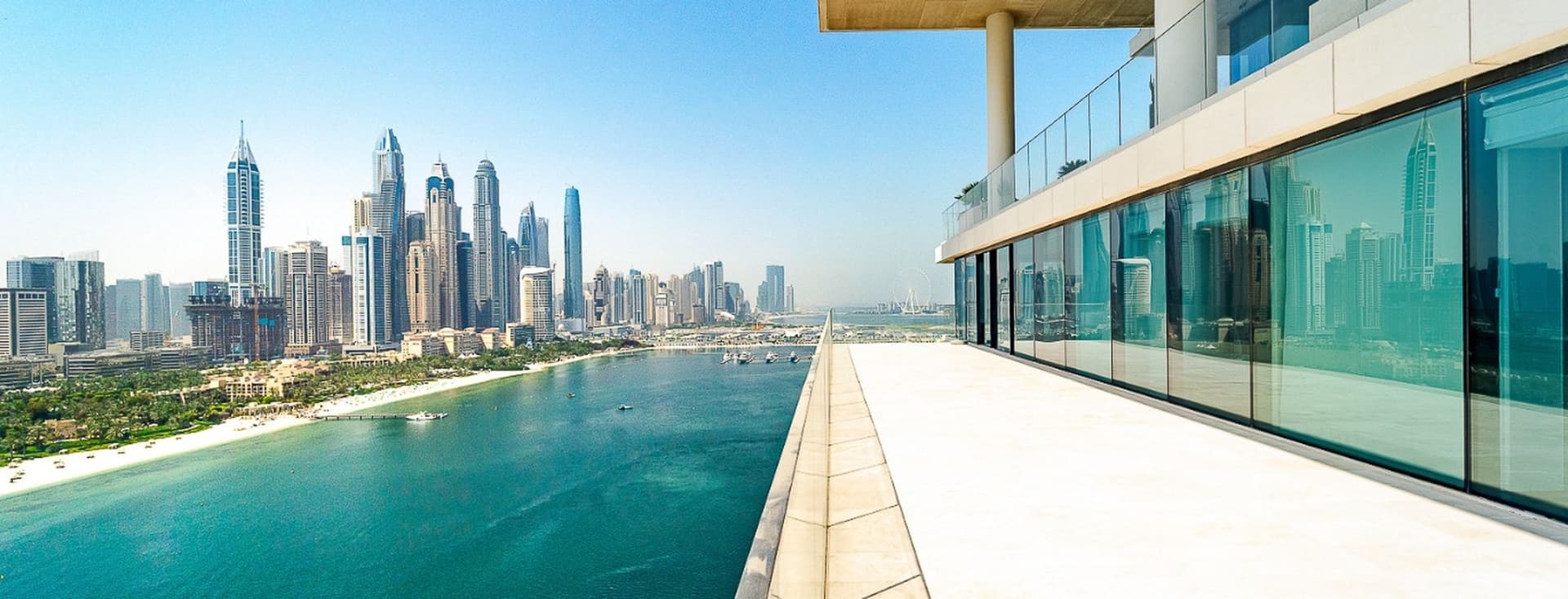
Ultimately, the best second home locations will depend on your goals and budget. But, Dubai offers a wide range of second-home destinations, from waterfront communities such as Palm Jumeirah and Dubai Marina to tranquil suburban enclaves like Arabian Ranches and Dubai Hills Estate. Each presents distinct advantages for investors and residents alike.
| Category | Second Home Communities |
|---|---|
Luxury Coastal Retreats | Palm Jumeirah, Jumeirah Bay Island, and Dubai Harbour offer exclusivity and premium amenities for high-end buyers. |
Urban Lifestyle Hubs | Downtown Dubai, Dubai Marina and Business Bay appeal to professionals who value proximity to lifestyle amenities and business districts. |
Family-Oriented Suburbs | Communities like Dubai Hills Estate, Arabian Ranches, and Tilal Al Ghaf combine privacy, schools, and green spaces ideal for long-term stays. |
Emerging Growth Areas | Dubai South and MBR City provide attractive entry points for investors seeking strong future appreciation. |
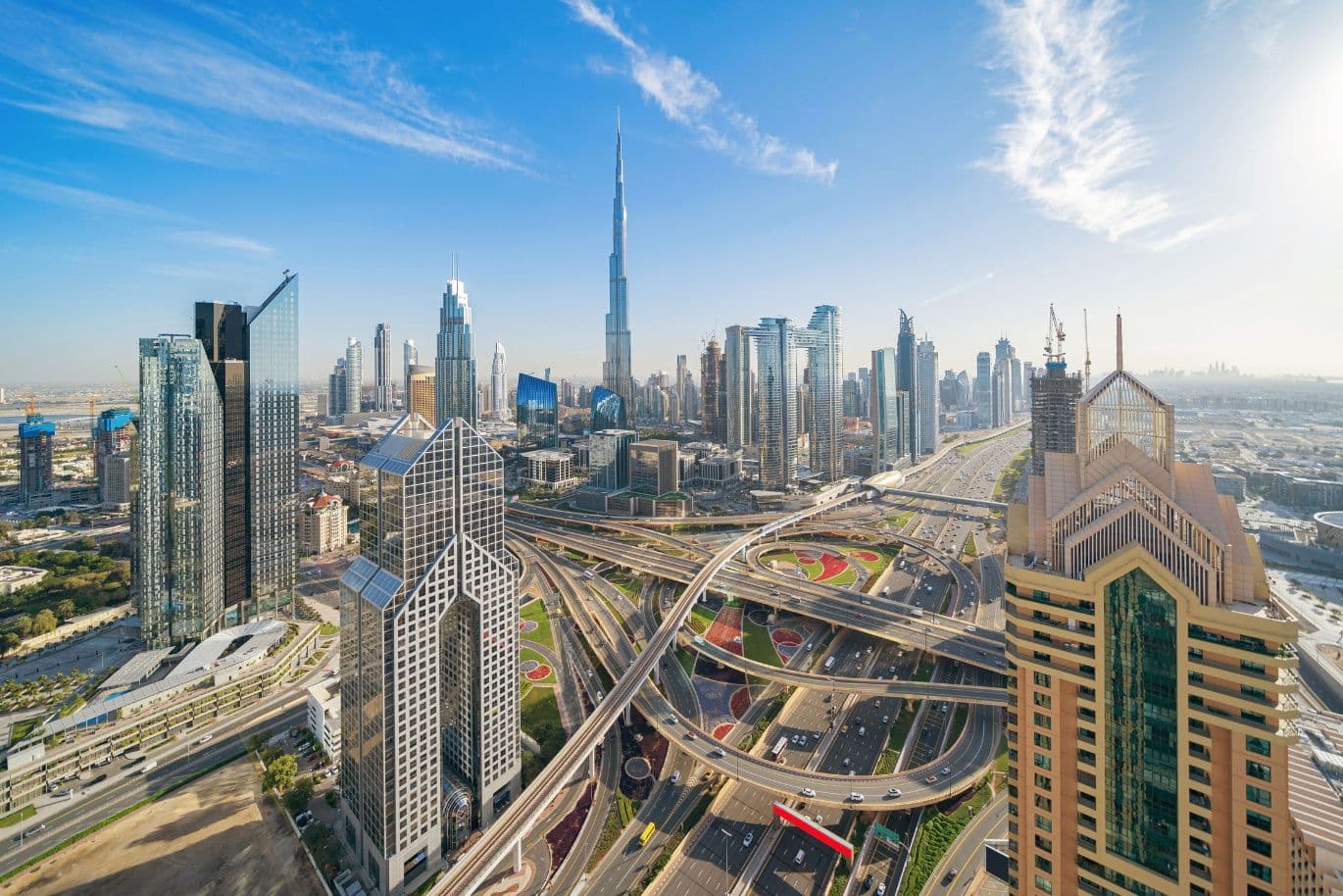
For many, a key decision is whether to choose an established residential area in Dubai or one of the city's up-and-coming areas.
Understanding the financial implications of buying a second home is critical. Beyond the purchase price, factor in the costs of buying property including:
Property registration fees: (4% of the purchase price)
Agency commission: 2% of the purchase price
Annual maintenance charges and service fees
Insurance and furnishing costs
Mortgage repayments: if financing using a second home mortgage
For buyers considering a second home mortgage, it’s important to note that banks often require larger down payments, typically 40–50%, compared to first homes. Interest rates and eligibility criteria also vary depending on residency status and income level. Consulting an independent mortgage advisor ensures the most competitive terms.
In Dubai, freehold zones allow foreign buyers to fully own residential property. However, understanding local legal frameworks is essential to avoid delays or complications. Key points include:
Title registration: All transactions must be registered with the Dubai Land Department (DLD).
Off-plan purchases: Ensure the developer is RERA-approved and that payments are made to an escrow account.
Residency implications: Some property investments may qualify for long-term residence visas, adding another layer of value.
Buyers should note that property purchases of AED 1 million or more may qualify for a two-year investor visa, while those worth AED 2 million or more may be eligible for a 10-year Golden Visa, provided the property is completed and not mortgaged beyond 50% of its value.
Professional consultation ensures compliance and peace of mind throughout the process.
Ownership structures have evolved. Today, buyers can select from several models based on their goals and budget:
Full ownership: Traditional outright purchase, ideal for those seeking total control and potential capital gains.
Fractional ownership:Fractional ownership enables multiple investors to own shares in a high-value property. This structure offers flexibility and lower entry costs, making luxury assets more accessible.
Co-investment: Investors jointly purchase a property, sharing usage rights and returns under a legal framework.
Every investment carries risk, and property ownership is no exception. Key considerations include:
Market fluctuations: Property prices can adjust due to global or regional economic shifts.
Maintenance responsibilities: Upkeep is ongoing- particularly for holiday or seasonal homes left unoccupied.
Liquidity: Real estate is less liquid than equities or bonds; selling may take time depending on market conditions.
Taxation abroad: If you own a second home outside your home country, understand potential tax obligations on income or capital gains.
Working with a professional advisor mitigates these challenges by ensuring every decision is based on accurate data and due diligence.
For overseas owners, effective management is key to maintaining your second home’s value and maximizing returns. Hiring a licensed property manager can handle tenant relations, maintenance, and compliance.
Dubai’s Department of Tourism and Commerce Marketing (DTCM) also allows homeowners to apply for short-term rental permits, enabling flexible income opportunities when the property is not in use.
Optimizing the value of your second home in Dubai requires both strategic and practical steps:
Prioritize location and timing: Markets like Dubai’s continue to perform strongly, supported by government initiatives and infrastructure growth.
Choose reputable developers: Proven track records and RERA registration are essential indicators of reliability.
Invest in upgrades: Quality interiors, smart technology, and energy-efficient features can significantly boost resale and rental value.
Leverage professional management: A local property manager ensures maintenance, tenant screening, and compliance.
Monitor market trends: Regularly review market reports and your investment performance to decide when to sell, refinance, or expand your portfolio.
Whether it’s a beachfront retreat or a city-centre apartment, buying a second home in Dubai represents both a lifestyle upgrade and a prudent financial decision. Heading into 2026, global investors continue to look to Dubai for its stability, innovation, and strong rental yields.
With expert support from Engel & Völkers, you gain more than property advice, you gain a trusted partner committed to helping you make confident, informed decisions. Explore your options, secure the right second home mortgage, and let your next property move reflect the future you envision.
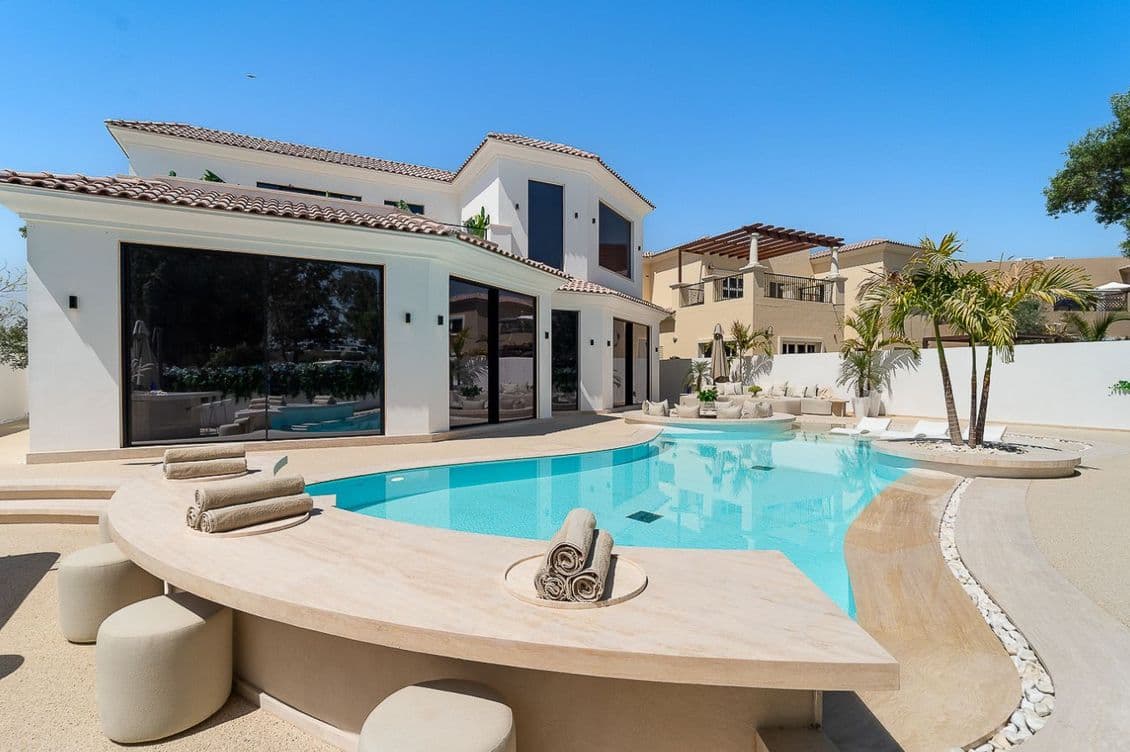
Your Second Home Awaits in Dubai
From beachfront retreats to city apartments, our experts help you find a property that fits your goals and lifestyle.
You may also be interested in







Budgeting depends on location and property type. In Dubai, expect entry prices from AED 600,000 for apartments to AED 5 million and beyond for villas in prime areas. Always include 4% DLD fees, agency commissions, and furnishing costs.
Beyond lifestyle, benefits include potential rental income, capital appreciation, and portfolio diversification. Many owners also use their properties to qualify for UAE residence visas.
Yes. Non-residents can purchase freehold property in designated zones, enjoying full ownership rights and no recurring property taxes.
Yes, you can lease it long-term or short-term under Dubai’s regulations. Engaging a licensed property manager simplifies the process and ensures compliance.
Select high-demand areas, prioritize quality developments, and stay informed about market dynamics. Partnering with a trusted agency like Engel & Völkers provides expert insight at every stage.
Yes, you can get a second home mortgage, subject to eligibility criteria and providing the necessary documents.
With rising population growth, renowned lifestyle, and one of the world’s highest rental yields, Dubai remains a top-tier destination for second-home ownership. The city’s transparent regulations and strong investor protections make it an attractive choice for both lifestyle buyers and long-term investors.
Contact



Engel & Völkers Dubai
7th Floor, Al Khail Plaza
Jumeirah Village Triangle, Dubai, UAE
Tel: +971 4 4223500