Municipality of Mijas, Andalusia, Spain
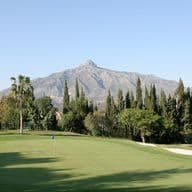
Townhouse with Mediterranean charm, in the heart of the golf course
Price
€790,000
- 3 Bedrooms
- 4 Bathrooms
- ~241 m² Total surface
The new GG website: Inspiring personalities, extraordinary places and exceptional properties Discover now

Las Palmas de Gran Canaria was born in Vegueta in 1478. For decades, many of its historic houses emptied out and fell into disrepair; today, historic house renovation in Vegueta is entering a different phase, shaped by boutique hotels in protected buildings, by Spanish and international buyers restoring single-storey Canarian houses, and by a growing flow of visitors.
This article looks at the data: what the historic centre's Special Plan protects and allows, how the neighbourhood is being renovated, how its housing market is evolving and what challenges it poses for residents.
Table of Content
Vegueta-Triana Special Protection Plan: what it protects and what it allows
Tourism in Vegueta as a driver of renovation
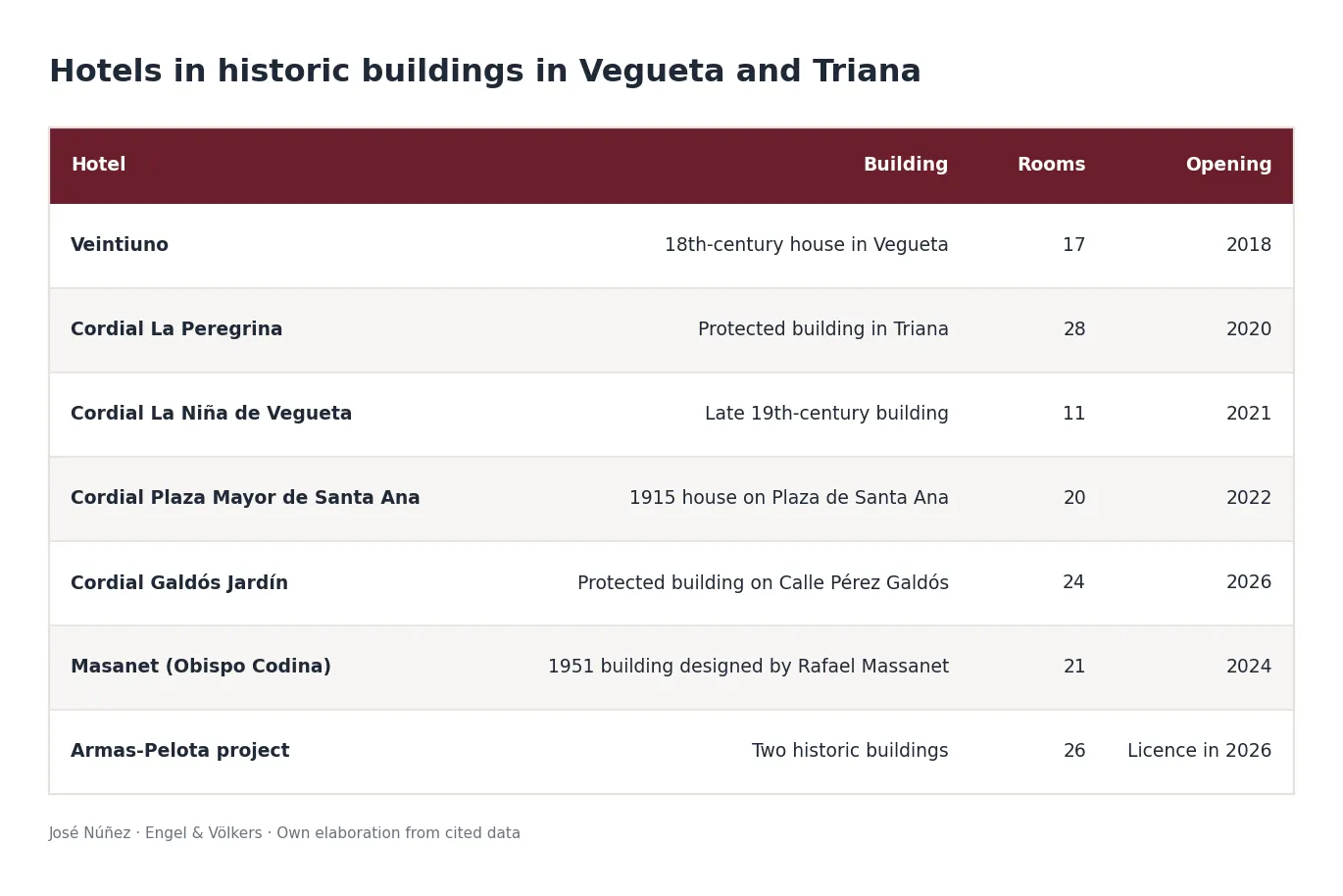
Boutique hotels in historic buildings: renovating historic buildings in Vegueta and Triana
How many holiday rentals are there really in Vegueta?
Foreign demand in Vegueta: what the data says
Housing in Vegueta-Triana: how sale and rental prices have evolved
Renovating a house in Vegueta: grants, tax relief and works
The challenges facing Vegueta: coexistence, an ageing population and access to housing
How to renovate a historic home in Vegueta: five checks before you start
Buying or selling in Vegueta: our commitment
Frequently asked questions about historic house renovation in Vegueta
Vegueta was declared a Historic-Artistic Ensemble in 1973 and is today an Asset of Cultural Interest (Bien de Interés Cultural). Its protection regime is set by the Vegueta-Triana Special Protection Plan, definitively approved in 2018, which covers 636 buildings compared with 582 under the previous plan. Protection is structured in three levels — comprehensive, environmental and partial — which determine what can be modified in each property.
The 2018 plan introduced significant changes for renovation:
It allows hotel use in any protected building, under the "emblematic hotel" category, with a maximum of 400 beds across the whole area and 40 accommodation units per building.
It allows housing on the ground floor.
It allows plots of less than 100 m² to be merged.
The bid for Vegueta and Triana to be listed as a UNESCO World Heritage Site, which featured on Spain's Tentative List between 2006 and 2008, was relaunched in 2023 on the initiative of a citizens' platform and with the unanimous backing of the municipal council. It is not currently on the Tentative List.
Vegueta brings together some of the city's main cultural attractions. Casa de Colón is the most visited museum in the Cabildo's network, with nearly 181,000 visits in 2025 — out of a total of 316,883 across the island's museums. Cruise tourism adds to this: almost one million cruise passengers (994,954, up 12%) passed through the Port of La Luz in 2025, and the historic centre is one of their usual stops.
The capital is also gaining weight as a destination: it now accounts for 18.8% of the island's tourists staying in registered accommodation, almost one in five.
The neighbourhood is also the stage for the city's major celebrations: the processions of Easter Week are concentrated in Vegueta and the Cathedral of Santa Ana, and Canary Islands Day is celebrated mainly in Vegueta and Triana.
The most visible consequence of this boom is the opening of boutique hotels in protected buildings, many of which needed a thorough intervention.
Beyond tourist use, these projects have a direct effect on the heritage: protected buildings are renovated with their façades, courtyards and original elements, under the supervision of the Municipal Heritage Council and, where appropriate, with archaeological monitoring. The plan itself caps this use at 400 hotel beds across the whole historic area.
According to the INE (Spain's national statistics institute, May 2025), the Vegueta neighbourhood has 144 holiday homes, 6.7% of its housing stock; Triana has 94, or 2.4%; and Las Palmas de Gran Canaria as a whole has 2,925, or 1.7%. Vegueta's proportion is therefore four times the city average, although in absolute terms the volume is moderate: more than half of the capital's holiday homes are concentrated in Santa Catalina-Canteras and Guanarteme.
The legal framework is also changing. The new Canary Islands Law 6/2025 requires express planning authorisation for new holiday homes and provides that at least 90% of the homes in each municipality must be used as residences (80% in La Palma, La Gomera and El Hierro). How it will apply in Vegueta will depend on municipal planning.
This is one of the most discussed topics and it deserves precision: there are no official figures for property sales by nationality at neighbourhood level. What is known is the following:
In the province of Las Palmas, foreign buyers accounted for 26.6% of property sales in the second quarter of 2026 (Property Registrars).
In the Canary Islands, more than 6 in 10 foreign buyers already live in Spain (Notariado, second half of 2025).
In the city of Las Palmas de Gran Canaria, almost 9% of purchase demand on Idealista comes from abroad (first quarter of 2026), mainly from Germany, Italy and the United Kingdom.
From the day-to-day experience of an international agency, buyers interested in Vegueta are looking for authenticity: single-storey houses with a courtyard, high ceilings and traditional woodwork, often with the intention of renovating them and living there for part of the year or permanently.
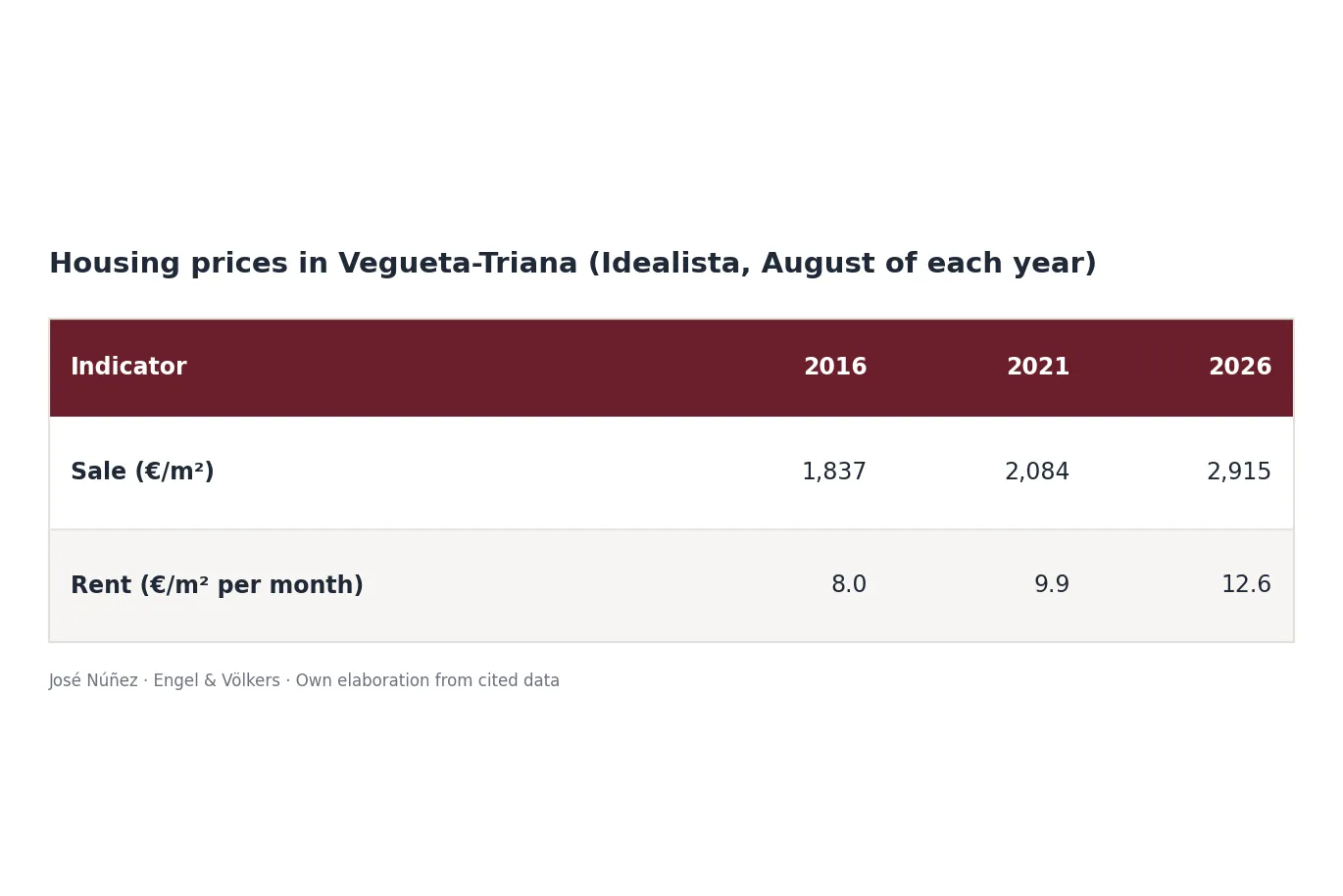
According to Idealista, the sale price has grown by around 59% in ten years, but by only 2% over the last year, against 12.7% for the city average. Rents, for their part, stand at €12.6/m², below the €14.6/m² for the capital as a whole, and Vegueta-Triana is the only district where they fell over the last year (-0.7%).
The gap between a renovated house and one that still needs renovating is considerable. In current listings, renovated houses are offered at around €2,700-4,500/m², while those that need renovating are mostly between €900 and €1,600/m². The gap reflects the cost and complexity of working on a protected building.
The combination of tourism, new owners and the changes introduced by the 2018 plan is producing visible effects:
Underused protected buildings are brought back into use, residential or tourist, with their original elements preserved.
Private investment is added to public funding: the City Council subsidises up to €15,000 per project (with a maximum of 50% of the budget) to renovate homes in the historic centre, and may grant a 95% reduction in the construction tax (ICIO) for buildings with comprehensive or monumental protection, on request and subject to a declaration of special municipal interest.
Shops and restaurants gain presence in the area, with the coexistence debates set out below.
The protection framework is consolidating: the courts have broadly upheld the plan, with specific adjustments. In May 2024, the High Court of Justice of the Canary Islands (TSJC) blocked an extra storey on a 19th-century building; other rulings have required the listing of some individual properties to be reviewed.
The recovery of the historic centre also raises debates worth knowing about.
The first is coexistence between nightlife and neighbourhood life: in 2024, the City Council studied declaring Calle Cano and Calle Arena a terrace-saturated zone. The second is the weight of holiday homes, above the city average (6.7% in Vegueta). The third is the ageing population: only 11.4% of residents are under 20, and the study by the University of Las Palmas de Gran Canaria (ULPGC) and the City Council (2025) places Vegueta among the three most vulnerable districts in the capital. In addition, rising demand and moderate price increases benefit owners but make access more expensive, and in some nearby riscos (cliffside neighbourhoods) properties that need renovation remain.
On the positive side, the neighbourhood is recovering deteriorated buildings, gaining economic activity and strengthening its image as a cultural attraction. The challenge, shared by many European historic centres, is to recover the heritage without losing the residents who give the neighbourhood its life.
For anyone considering buying or working on a property in the historic centre, these are the most important checks to make first:
Check the protection level of the building in the Special Plan: it determines what can be modified in the façade, roof, layout and height.
Allow generous timescales: works on listed buildings require heritage reports and, in some cases, archaeological monitoring.
Review the grants and tax relief: the municipal subsidy for the historic centre and the ICIO reduction can lower the cost significantly.
Check the technical condition: many houses retain timber structures and roofs that need inspection; the municipal ordinance requires periodic façade inspections.
Confirm the intended use: if holiday letting is envisaged, first check what Law 6/2025 and municipal planning allow.
A house in Vegueta is rarely just a home. It is a piece of the city's history, and it demands of those who acquire it — and of those who entrust it to us — a knowledge that goes beyond the price per square metre.
At Engel & Völkers we take on that commitment with those who wish to buy and those who wish to sell in the historic centre:
For buyers, we are with you from the first viewing to signing: the protection level of each building, the real scope of a renovation, the grants and tax relief that apply.
For sellers, we offer a rigorous valuation and a presentation worthy of the property, aimed at the buyer — Spanish or international — who knows how to appreciate it.
For both, discretion, transparency and a personal service at every stage of the process.
If you are considering buying, selling or renovating in Vegueta or Triana, it will be a pleasure to assist you. You can discover the properties available now in Vegueta-Triana and in the rest of Las Palmas de Gran Canaria, or request a valuation of your property, with the reassurance of a team that knows the historic centre in depth.
Can a protected house in Vegueta be renovated? Yes, provided the work respects the building's protection level and has the licence and, where applicable, a favourable heritage report.
Are there grants to renovate in the historic centre? Yes. The City Council of Las Palmas de Gran Canaria offers grants of up to €15,000 per project, with a maximum of 50% of the budget, when a call is open, and may grant a 95% reduction in the ICIO for buildings with comprehensive or monumental protection, on request.
Can a hotel be opened in a protected building? The 2018 plan allows it in any protected building, always as an emblematic hotel, with a maximum of 40 accommodation units per building and 400 beds across the historic centre.
How much does a home in Vegueta cost? The Vegueta-Triana average is around €2,900/m² (Idealista, August 2026), with large differences between renovated properties and those that still need renovating.
Municipality of Mijas, Andalusia, Spain
Price
€790,000
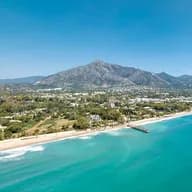
Los Monteros, Marbella, Andalusia, Spain
Price
€7,500,000
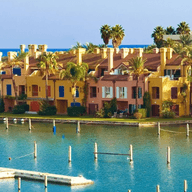
Guardamar del Segura, Valencian Community, Spain
Price
€315,000
Ciutat Vella, Barcelona, Catalonia, Spain
Price
€430,000
Ciutat Vella, Barcelona, Catalonia, Spain
Price
€360,000
Davle, Central Bohemian Region, Czechia
Price
CZK 27,200,000
~€1,119,403
Rhodesdene, Kimberley, Northern Cape, South Africa
Price
ZAR 1,395,000
~€75,749
Aïre, Vernier, Geneva, Switzerland
Price
CHF 3,830,000
~€4,130,756
Aïre, Vernier, Geneva, Switzerland
Price
CHF 3,980,000
~€4,292,535
You may also be interested in








Contact provider
Page content provided by: Global Ichy Social, S.L.
246009710945: 246009710945
License partner of Engel & Völkers Franchise and Trademark GmbH