Boa Vista, Galicia, Spain
Exclusiva vivienda con jardín y vistas en A Caeira
Price
€3,300,000
- 5 Bedrooms
- 7 Bathrooms
- ~986 m² Total surface
- ~2,428 m² Plot surface
The new GG website: Inspiring personalities, extraordinary places and exceptional properties Discover now
Explore the rich heritage of Galicia’s gem
&w=1920&q=75)
Table of Content
Ruins of Santo Domingo (Ruínas de San Domingos)
Monumento ós Heroes de Pontesampaio
Alameda de Pontevedra
Praza de Galicia
Praza da Peregrina and Capela da Peregrina
Xardins de Castro Sampedro and Convento de San Francisco
Praza da Ferraría
Museo de Pontevedra
Praza Da Leña
Parroquia de San Bartolomé
Convento de Santa Clara
Puente Tirantes (Straps Bridge)
Illa das Esculturas (Island of Sculptures)
Universitario de Pontevedra Campus
Ponte do Burgo
Praza da Pedreira and Pazo de Mugartegui
Monumento a Valle Inclán
Basílica de Santa María a Maior
Centro de Interpretación das Torres Arcebispais (CITA)
Final Stop: Panadería A Devesa
Our journey begins at one of Pontevedra’s most important historical landmarks — the Ruins of Santo Domingo at Avenida Montero Rios. Founded in 1282, it is the oldest museum in Pontevedra and showcases beautifully preserved Galician Gothic architecture. Its medieval walls stand as a testament to the city’s rich history. Today, the site holds the distinction of being classified as a Bien de Interés Cultural (Cultural Asset of Spain), adding to its historical significance.
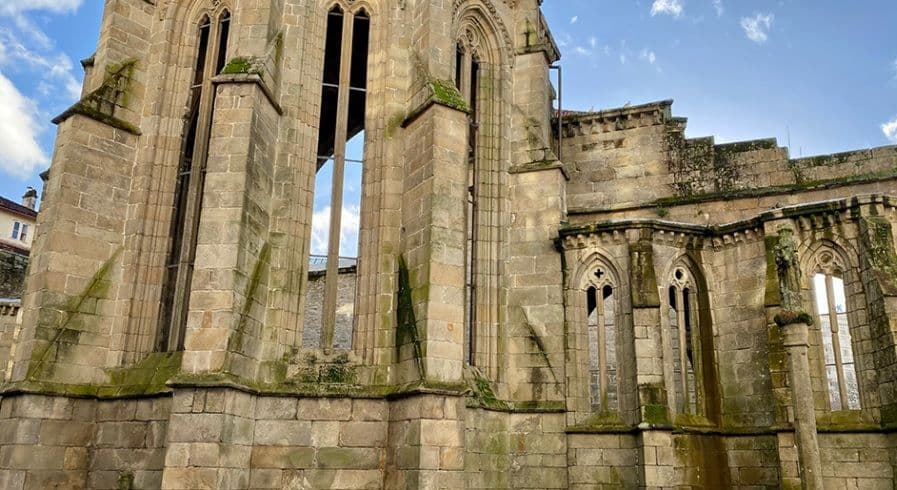
To the left of the ruins, in Praza de España, stands the Monumento ós Heroes de Pontesampaio, a bronze sculpture commemorating the farmers, students, and soldiers who fought against the French troops during the War of Independence. This monument pays tribute to their bravery and sacrifice.
PROPERTIES IN PONTEVEDRA
Boa Vista, Galicia, Spain
Price
€3,300,000
Pontevedra, Galicia, Spain
Price
€970,000
Carabelos, Galicia, Spain
Price
€850,000
Turning right onto Rúa Alameda, take a pleasant stroll to reach Alameda de Pontevedra, a spacious park known for its peaceful atmosphere. The park features benches, beautiful gardens, and trees that bloom in spring. The Alameda is also a popular venue for trade fairs and socio-cultural events.
Continuing towards Praza de Galicia, a park with a large central fountain surrounded by lush greenery offers a refreshing escape. The contrast between the green space and the surrounding buildings makes it a soothing sight for visitors.
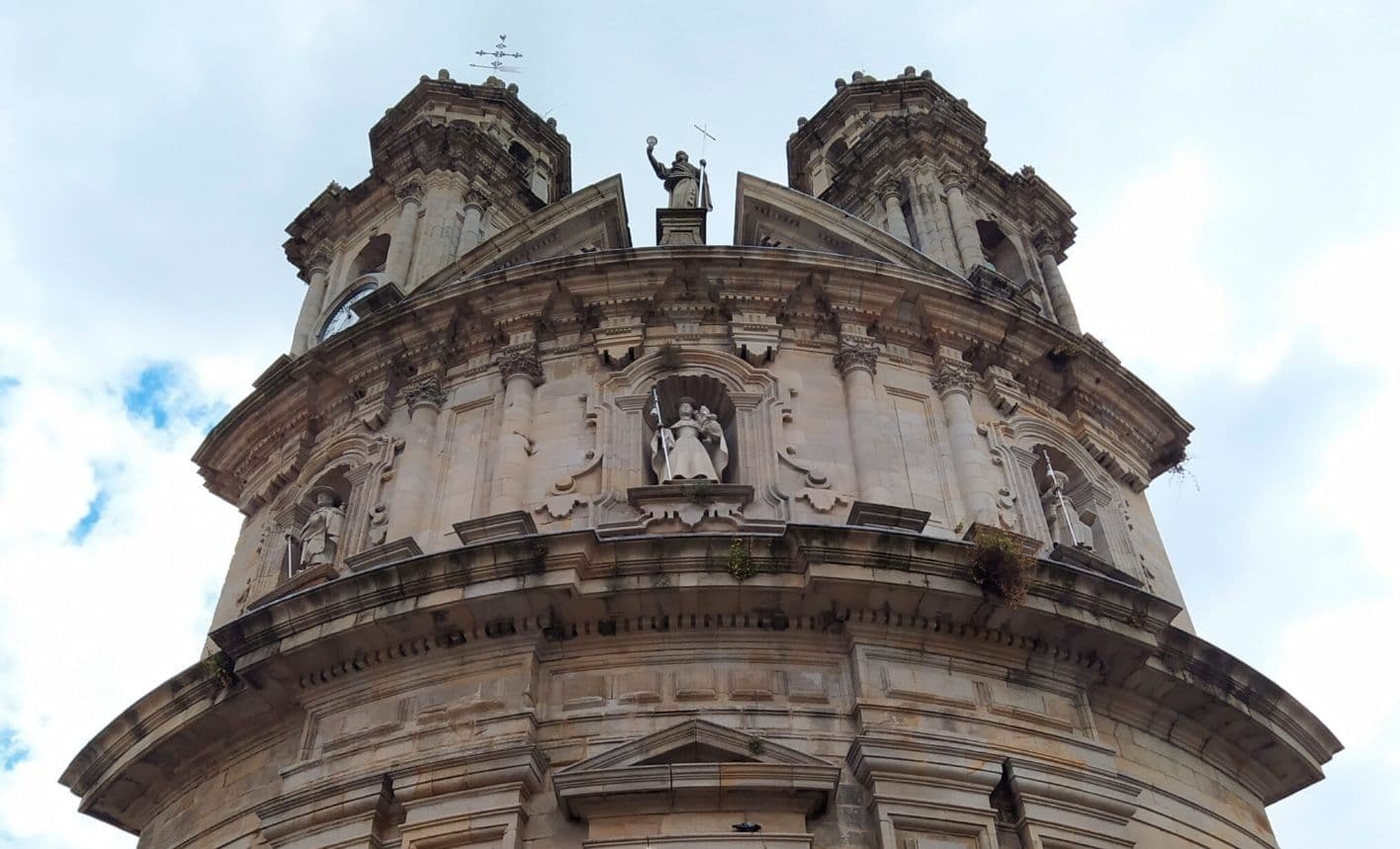
Next, head north to Praza da Peregrina, home to the stunning Capela da Peregrina (Chapel of the Virgin of the Pilgrim). The Capela da Peregrina is one of Pontevedra's most iconic landmarks, and across the square stands the quirky Loro Ravachol, a bronze statue of an African grey parrot. The parrot, famous for its colourful language, was owned by Don Perfecto Feijoo, who ran a pharmacy in the square in the 18th century.
To the east of Praza da Peregrina, you’ll find the Xardins de Castro Sampedro, a spacious garden with a central fountain. This area is also home to the Convento de San Francisco, a 13th-century Gothic convent that houses religious sculptures and medieval tombs.
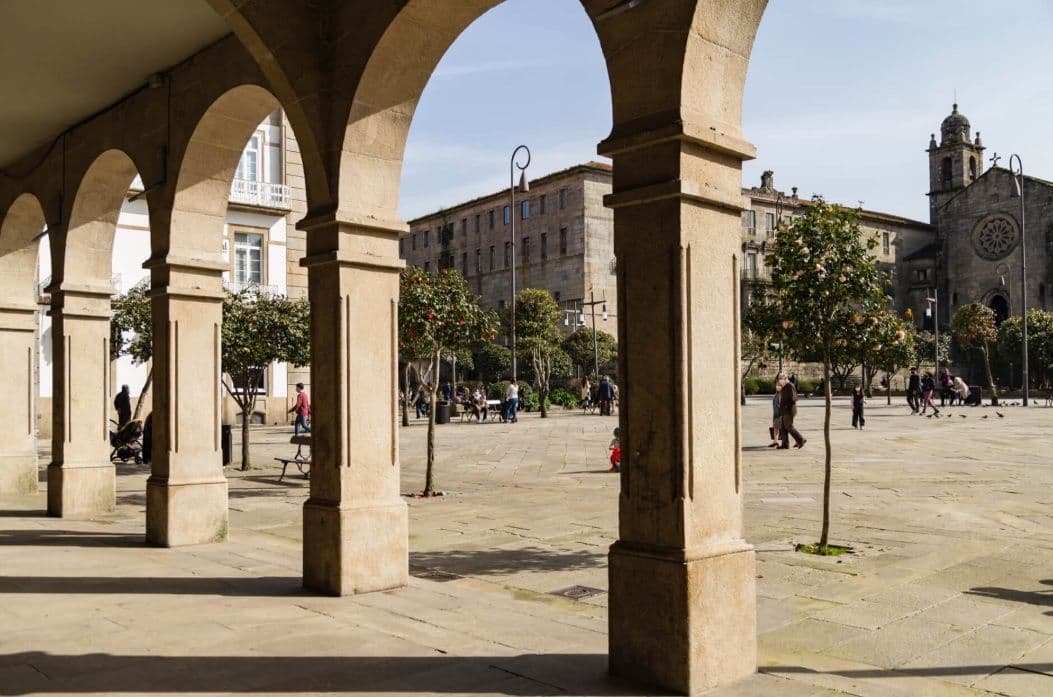
Just across from the convent, Praza da Ferraría is a lively square where street musicians often perform, making it the perfect spot to take a break and enjoy a cold drink at one of the nearby cafés.
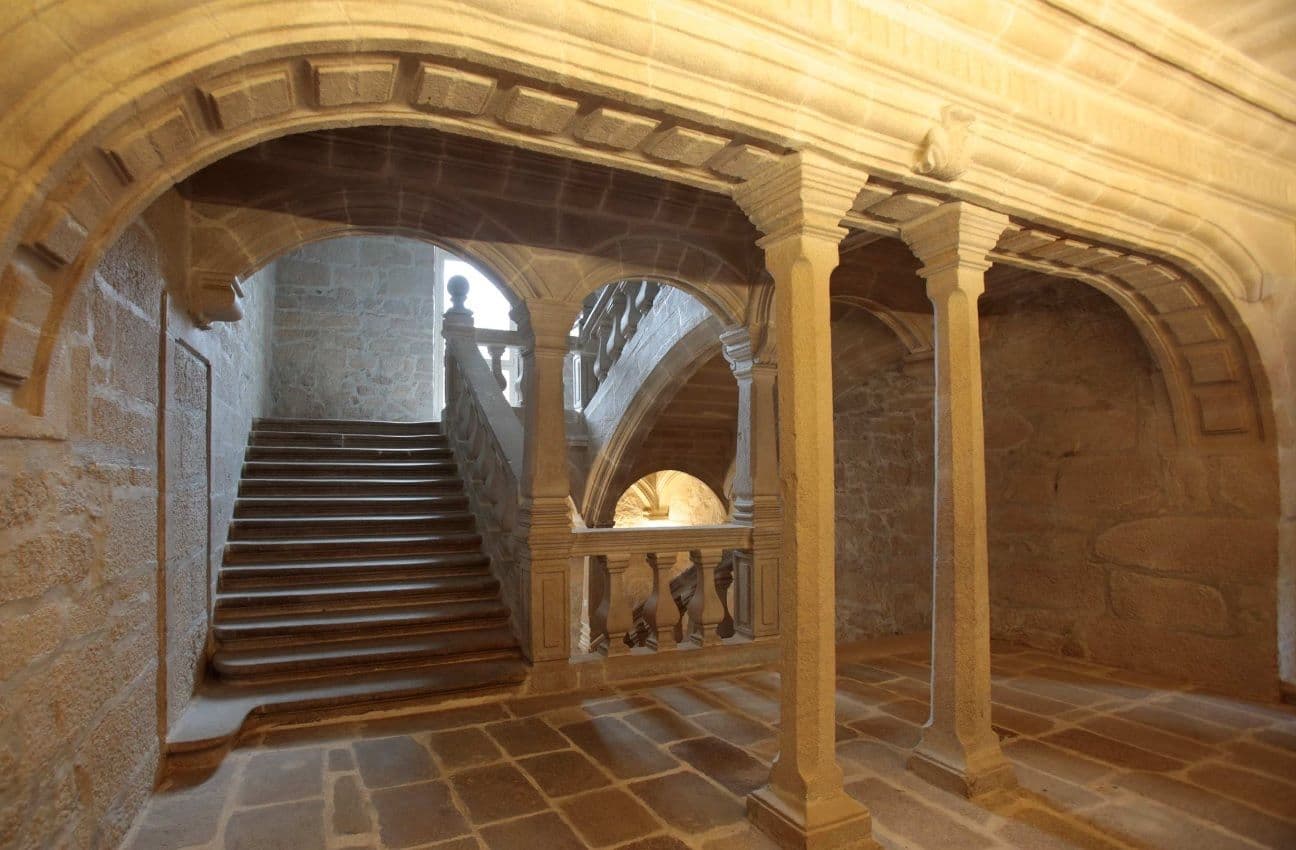
Head north on Rúa Pasantería to reach the Museo de Pontevedra. This museum is a must-visit for history enthusiasts, offering an extensive collection of Roman artifacts, traditional clothing, and religious artworks.
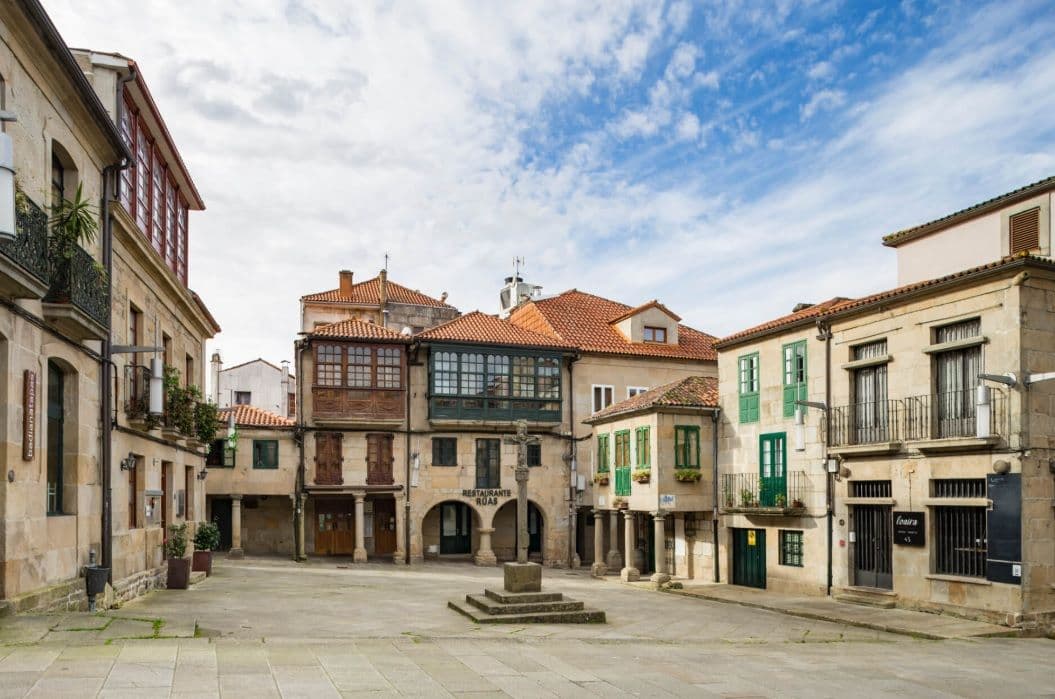
Continuing along the same street, you’ll find Praza Da Leña, a small square surrounded by medieval buildings showcasing traditional Galician architecture. This charming square, with its vibrant terraces and restaurants, adds a lively touch to your historical exploration.
Head further north to Rúa Sarmiento and turn left onto Rúa Arcos de San Bartolomeu to reach the majestic Parroquia de San Bartolomé. This 18th-century Baroque church is known for its impressive columns and intricate altarpieces.
For those following the longer version of the walk, continue along Rúa Sarmiento and turn onto Rúa Santa Clara to see the Convento de Santa Clara, a beautiful 14th-century building with remarkable door carvings.
For a shorter version of the walk (2.5 km), from here you can simply skip to Praza de Pedreira. See the map below, then skip ahead in this article to Praza de Pedreira.
For the longer walk, head towards the roundabout where you’ll catch a glimpse of the Puente Tirantes — a modern suspension bridge. This is a striking contrast to the older historical landmarks you’ve seen. It’s especially impressive at night when the lights highlight its unique design.
Cross the bridge and follow the riverbanks to reach the Illa das Esculturas (Island of Sculptures), a fascinating blend of art, nature, and modern design. Here you can enjoy the works of twelve artists, each interpreting the relationship between man and nature. The serene setting makes it a perfect place to relax.
After visiting the island, head back into the city by walking through the Universitario de Pontevedra campus, a pleasant route through academic buildings and well-maintained grounds.
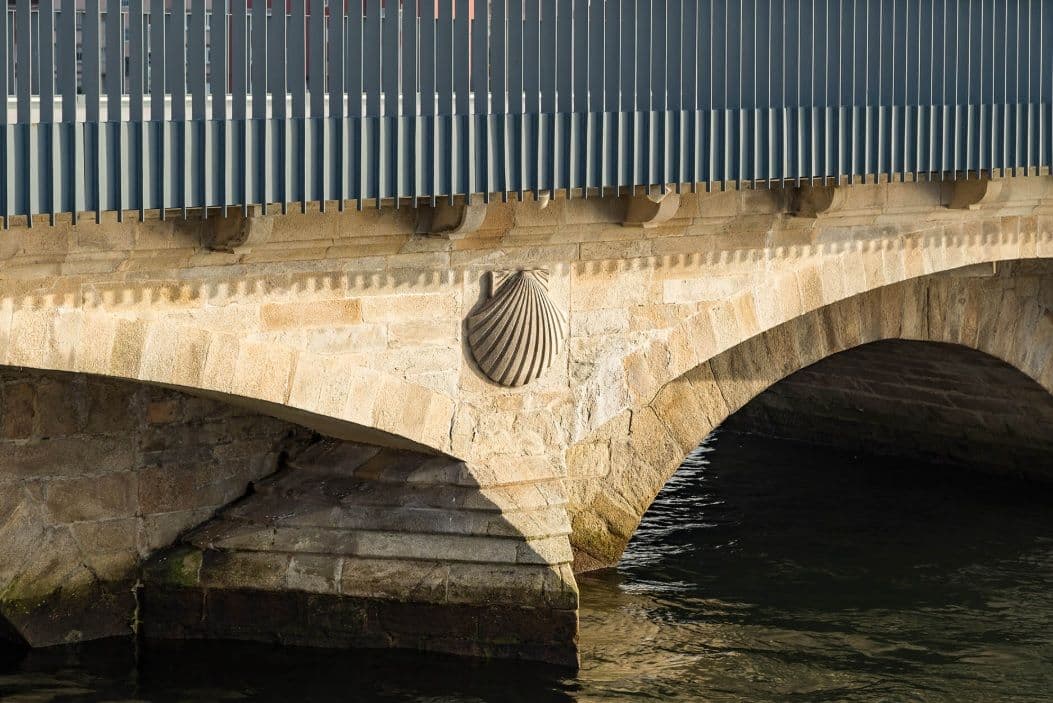
As you continue west on Rúa Celso Emilio Ferreiro, stop by Ponte do Burgo, an iconic bridge that dates back to Roman times. The bridge has played a significant role in the city's commerce and navigation over the centuries.
Proceed to Praza da Pedreira and visit Pazo de Mugartegui, a stunning Baroque-style building that houses a wine museum.
As you walk along Rúa Cesar Boente, look out for the Monumento a Valle Inclán, a life-size statue of the famous Pontevedra-born dramatist and novelist. The statue’s eccentric features capture Valle Inclán’s unique persona.
Head west to Rúa Isabel II, and you’ll reach the magnificent Basílica de Santa María a Maior de Pontevedra, a 16th-century Gothic church with stunning Portuguese-Manueline influence. It is renowned for its intricate sculptures and beautiful ribbed vaulted ceilings. The basilica is considered a Historic-Artistic Monument and a Royal Sanctuary.
End your tour at the Centro de Interpretación das Torres Arcebispais (CITA), an underground museum that offers a multimedia experience about Pontevedra’s history.
Finally, return to Praza de España, where you can enjoy a refreshing drink at Panadería A Devesa, reflecting on the rich history you’ve just explored.
You may also be interested in
Contact provider
Page content provided by: Real Estate Pontevedra, S.L.
License partner of Engel & Völkers Franchise and Trademark GmbH