la Californie, Cannes, Provence-Alpes-Côte d'Azur, France
Louis XIII Château – A historic property with exceptional panoramic views in Cannes
Price
€25,000,000
- 8 Bedrooms
- 8 Bathrooms
- ~733 m² Living area
- ~6,355 m² Plot surface
The new GG website: Inspiring personalities, extraordinary places and exceptional properties. Discover now
Buying a Provençal mas is a long-term property investment that requires a thorough understanding of local architecture and the regional market. We guide you through the definition, architecture, sought-after areas, budget, renovation requirements and expertise needed to bring your project to life in Provence-Alpes-Côte d’Azur.
In briefA Provençal mas is a traditional farmhouse built from local stone, with lime-rendered walls and terracotta canal tiles.
Its south-facing orientation and thick walls protect it from the mistral and help keep the interior cool in summer.
The Luberon, Alpilles, Côte d’Azur hinterland and Camargue are home to some of the most sought-after properties.
Budget: from several hundred thousand euros for a mas requiring renovation to several million euros for a restored mas with views.
Renovation work on a listed mas or a property located near a historic monument is subject to oversight by the French Architectes des Bâtiments de France.
Looking for a Provençal mas?
Share your criteria with an Engel & Völkers advisor: they will present you with matching properties, including those marketed discreetly and off-market.
The term mas refers to a rural Provençal building that originally served as a farmhouse or family agricultural property, built using locally available materials such as limestone, clay and lime. Present in the countryside for centuries, it represents the region’s traditional rural architecture.
From the 1960s and 1970s onwards, the growing appeal of Provence and the Côte d’Azur transformed these agricultural properties into second homes and, eventually, prestigious residences. The mas became an expression of the southern French art of living, surrounded by olive groves, vineyards, terraced gardens and courtyards protected from the mistral.
It is important to distinguish the original rural mas, which was austere and functional, from the contemporary restored mas, which preserves its architectural character while incorporating modern comfort. This evolution explains the current appeal of a form of heritage that is both authentic and suited to modern living.
The mas is recognisable by its south-facing orientation, designed to capture the winter sun while turning its back on the mistral. Thick stone walls provide valuable thermal inertia, keeping the interior cool in summer and retaining heat in winter.
Local materials shape the architecture: lime-rendered walls in ochre or oxblood tones, terracotta canal tiles and wooden shutters. The layout follows a bioclimatic logic, with smaller openings to the north and larger windows facing south. The floor plan generally extends lengthwise or is organised around a courtyard, with living spaces arranged in sequence.
The original architecture is designed for the Mediterranean climate: passive thermal management, natural ventilation and solar protection. A well-restored mas retains these characteristics, including canal-tile roofing, lime-rendered walls and wooden shutters.
la Californie, Cannes, Provence-Alpes-Côte d'Azur, France
Price
€25,000,000
Ramatuelle, Provence-Alpes-Côte d'Azur, France
Price
€22,000,000
Cap-d'Ail, Provence-Alpes-Côte d'Azur, France
Price
€19,990,000
la Californie, Cannes, Provence-Alpes-Côte d'Azur, France
Price
€19,000,000
Cap d'Antibes, Antibes, Provence-Alpes-Côte d'Azur, France
Price
€17,000,000
Saint-Tropez, Provence-Alpes-Côte d'Azur, France
Price
€15,900,000
Saint-Jean-Cap-Ferrat, Provence-Alpes-Côte d'Azur, France
Price
€15,000,000
Saint-Tropez, Provence-Alpes-Côte d'Azur, France
Price
€15,000,000
Cap d'Antibes, Antibes, Provence-Alpes-Côte d'Azur, France
Price
€14,750,000
To understand these three types of Provençal architecture, start with their original purpose.
The mas is a rural building originally used for agricultural purposes, adapted to the climate and terrain and designed around farming activities.
The bastide is a more ornamental bourgeois residence, often a country house belonging to notable families, with symmetrical façades and elaborate decorative features.
The bergerie is a livestock building, generally more rustic and modest, often converted into a residence.
The key distinction lies in their original status and function: the mas was a functional rural property, while the bastide was a representative residence. Each type therefore corresponds to a different lifestyle project.
In the Luberon, the market has been established for many years, with stone mas surrounded by vineyards and olive groves, particularly around hilltop villages such as Gordes, Bonnieux and Ménerbes. The Alpilles, from Saint-Rémy-de-Provence to Eygalières, are among the most sought-after locations.
The Camargue offers a distinctive type of Camargue mas, adapted to wind and humidity, across the plains surrounding Arles.
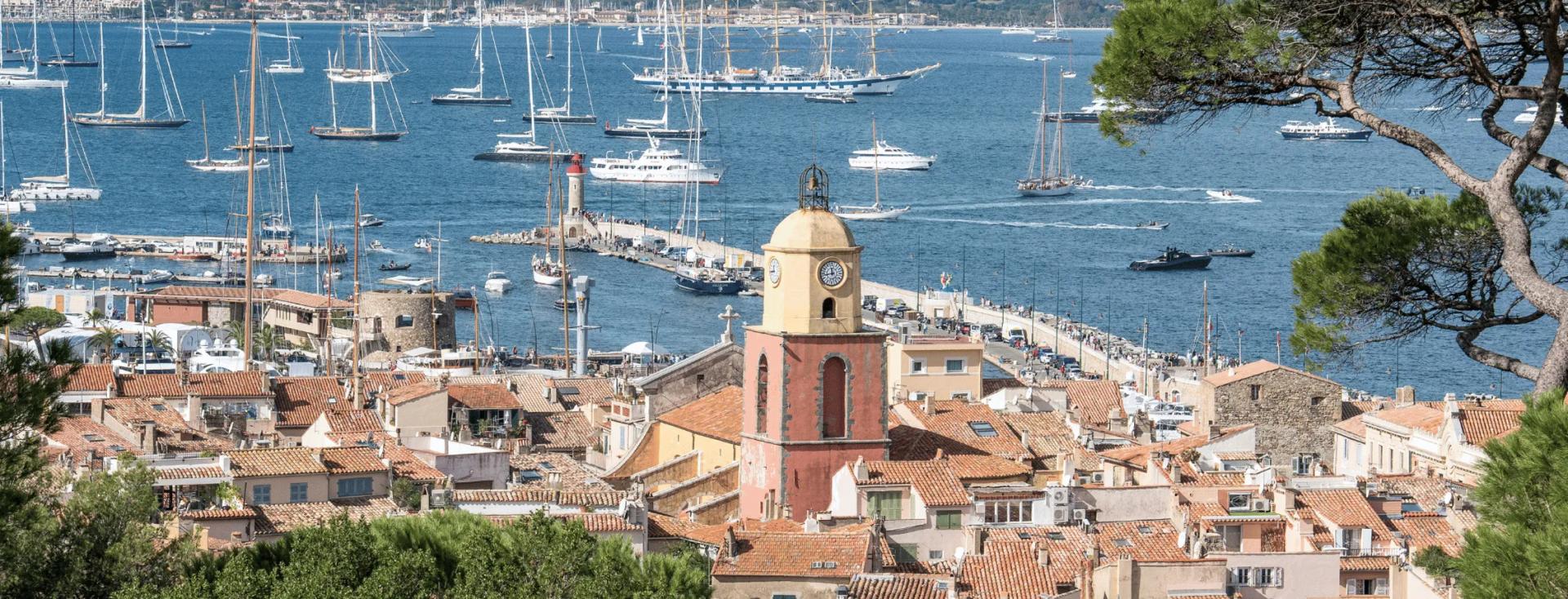
On the Côte d’Azur, the hinterland — including Mougins, Valbonne and Saint-Paul-de-Vence — and the Gulf of Saint-Tropez, with destinations such as Grimaud and Ramatuelle, offer prestigious mas with sea views or close proximity to the coast, supported by strong international demand.
Cannes, a symbol of Côte d’Azur real estate, is one of the main gateways to the region.
Our houses for sale
la Californie, Cannes, Provence-Alpes-Côte d'Azur, France
Price
€25,000,000
Ramatuelle, Provence-Alpes-Côte d'Azur, France
Price
€22,000,000
Cap-d'Ail, Provence-Alpes-Côte d'Azur, France
Price
€19,990,000
la Californie, Cannes, Provence-Alpes-Côte d'Azur, France
Price
€19,000,000
Cap d'Antibes, Antibes, Provence-Alpes-Côte d'Azur, France
Price
€17,000,000
Saint-Tropez, Provence-Alpes-Côte d'Azur, France
Price
€15,900,000
Saint-Jean-Cap-Ferrat, Provence-Alpes-Côte d'Azur, France
Price
€15,000,000
Saint-Tropez, Provence-Alpes-Côte d'Azur, France
Price
€15,000,000
Cap d'Antibes, Antibes, Provence-Alpes-Côte d'Azur, France
Price
€14,750,000
Prices vary considerably depending on the location, plot size, views and condition of the property. A mas requiring renovation in the hinterland can start at several hundred thousand euros, while a restored mas with land and views in the Luberon, Alpilles or near the Côte d’Azur coast can commonly exceed one million euros, sometimes by a significant margin. Camargue and less tourist-oriented areas remain more accessible.
An exceptional mas cannot easily be assessed using average price-per-square-metre figures: it requires a property valuation by a specialist advisor. Several criteria influence its value, including plot size, views, renovation condition, historic protection status and proximity to a sought-after village.
Organising a wedding in a Provençal masA mas provides a highly sought-after setting for private receptions and events: terraced gardens, stone walls, cypress trees and centuries-old olive trees create an authentic backdrop. The combination of architectural heritage and Mediterranean landscape explains the growing appeal of these properties as wedding venues.
The rental of mas for weddings and private receptions has developed across Provence, driven by both French and international clients. Several factors need to be anticipated, including local regulations, noise restrictions, parking, insurance and compliance with the local planning regulations (PLU).
Renovating a Provençal mas while preserving its heritageFor a mas classified as a historic monument, all works require authorisation from the French State; for a listed property, works must be declared in advance. Near a historic monument or within a designated heritage area, the Architectes des Bâtiments de France provides an opinion on exterior works.
Traditional materials should be preserved or restored, including lime render, stone, terracotta canal tiles and wooden shutters. The use of cement should be avoided: lime mortar allows walls to breathe and helps limit rising damp. Pigmented lime renders can recreate traditional local colours, such as ochre or oxblood.
Preserve the original volumes, including ceiling heights, windows and stone staircases. In agricultural or natural areas, the local planning regulations (PLU) may restrict extensions, impose material requirements and regulate colours. Work with craftsmen specialised in traditional and historic buildings.
Buying a Provençal mas with Engel & Völkers’ local expertiseOur advisors in Provence-Alpes-Côte d’Azur understand the Provençal mas market and its specific characteristics, including sought-after locations, price levels and regulatory constraints. We support buyers of exceptional properties at every stage, from finding the right property to negotiating the purchase, working alongside the notary for protected properties.
Our approach is based on first-hand knowledge of Provençal heritage and a network of agencies established across the Côte d’Azur, from Menton to Saint-Tropez. For a prestigious mas acquisition project, we provide tailored support based on your profile and wealth-planning objectives.
Our property advisors specialising in Provence are available to identify unique properties, protected mas and vineyard estates.
Vineyard estate, exceptional mas: access to off-market properties
Engel & Völkers Private Office supports the acquisition and sale of the most prestigious properties, including vineyards and rural estates, with a dedicated advisor.
Free, confidential and non-binding
Receive your digital valuation instantly
Based on data by Engel & Völkers
SAFER has pre-emption rights over agricultural land and buildings. If the mas is sold together with land located in an agricultural or natural zone, SAFER may exercise this right during the sale. The notary checks this point and notifies SAFER of the transaction in advance.
Both markets are among the most expensive in Provence. Proximity to the coast and sea views generally increase prices on the Côte d’Azur, while the Luberon and Alpilles primarily derive their value from land, tranquillity and proximity to hilltop villages. Only an on-site valuation can accurately assess the value of a specific mas.
Yes, subject to the local planning regulations (PLU) and municipal regulations. Short-term rental of a furnished tourist property must be declared to the local town hall, and certain tourist destinations apply specific restrictions.
For a classified or listed mas, the relevant French authorities oversee the works; near a historic monument, the Architectes des Bâtiments de France provides an opinion. Prioritise craftsmen specialising in traditional buildings and familiar with lime mortar, stone and terracotta canal tiles.
You may also be interested in



Contact


Engel & Völkers France
170 Rue du Faubourg Saint-Honoré
75008 Paris
Tel: +33145643030