New
Voula, Attica, Greece
Double frontage plot with sea view in Panorama Voula
Price
€900,000
- ~450 m² Plot surface
GG Greece Second Home Edition 2026 Read it online
Expenses, documents, neighbourhood, pitfalls and critical dates. Everything you need to know for a safe and financially sound purchase.

Buying a property is not an easy matter. It is a life decision that requires time, thought and proper guidance. That’s why it is very important to know in advance all the information you need before proceeding with a purchase.
From the condition of the building and the legal documents, to the financing options and the area where the property is located, every detail matters.
The first questions you should ask relate to the property and its condition. In this way you will be able to decide quickly whether it is worth considering its purchase. Of course, having knowledge of the condition of the property will also help you negotiate the price.
It may seem strange to ask why the property is being sold, but it is actually a very reasonable question. It is the first factor that will help you decide whether you want to proceed with the purchase. If, for example, the owner is selling because the property requires many renovations, changes and repairs that they are not willing to undertake, then this can give you room to negotiate the price.
This information is very important for you, as it gives you a negotiation advantage. If the property has been on the market for many months, then the owner may be more willing to lower the price, as they will want to proceed with the sale immediately.
If the answer is yes, you may need to make a quick decision. A high number of viewings may indicate that you should act quickly to secure the property, as there may be strong demand.
Even though the official documents provide this information, asking directly helps you receive a quick answer and evaluate whether the property meets your requirements.
Before you even start viewing the property, it is important to know about its structural integrity and age. This information is vital to determine whether renovations are needed.
If the property you are considering buying is in an apartment building or a housing complex, it is crucial to know their overall condition.
The overall condition includes the façade, the elevator and the common areas, as their condition may lead to future assessments or charges.
It must also be confirmed whether the building has passed the ITE (Building Technical Inspection) or the IEE (Building Evaluation Report).
Many apartment buildings or complexes offer parking spaces or a swimming pool. These amenities will likely increase the value of the property and their condition must also be assessed.
The Energy Performance Certificate (Πιστοποιητικό Ενεργειακής Απόδοσης – ΠΕΑ) is a mandatory document that classifies the property into an energy category (from A+ to H), based on the energy consumption required for heating, cooling, lighting and hot water. Issuing a ΠΕΑ is obligatory for every property sale or lease under Greek law and can affect both the value and operating cost of the home.
It is important to know if and when the property has been renovated, as if a long period has passed it will likely require maintenance and repairs in the future. This can also provide an opportunity to negotiate a better price.
This question allows you to understand how natural light enters and moves through the property throughout the year.
Knowing the type of energy used helps you assess whether the systems need upgrading, something that may affect price negotiations.
If the furniture is included, this may increase the value of the property, and it is important to know whether it is included or if you can negotiate its removal.

Questions related to the costs before buying a residence can save you from unexpected expenses and unpleasant surprises in the future. Rely on an experienced real estate advisor who will provide you with easy access to this kind of information.
The guidance of a real estate advisor relieves you from the stress of unknown terms or issues, as they can provide and explain all the necessary information.
Are there any debts burdening the property? It is essential to have a clear picture of the property’s status. It is important to confirm this so that the current owner settles any outstanding obligations before the completion of the sale.
It is important to know whether there are unpaid common charges or other financial obligations toward the building’s management. These debts may end up burdening the new owner and can become a bargaining chip in the final purchase price.
As a prospective buyer, it is important to know the annual ENFIA cost for the property you are interested in. The amount depends on the area, the surface and other characteristics of the property and can significantly affect your budget.
Before buying a property, it is important to know what its fixed expenses are. If the property is in an apartment building, ask about the monthly common charges and whether there are extraordinary assessments or cash reserves.
At the same time, ask about the utility costs, such as electricity, water and natural gas, so that you have a complete picture of the operating expenses of the property and can manage your budget properly.
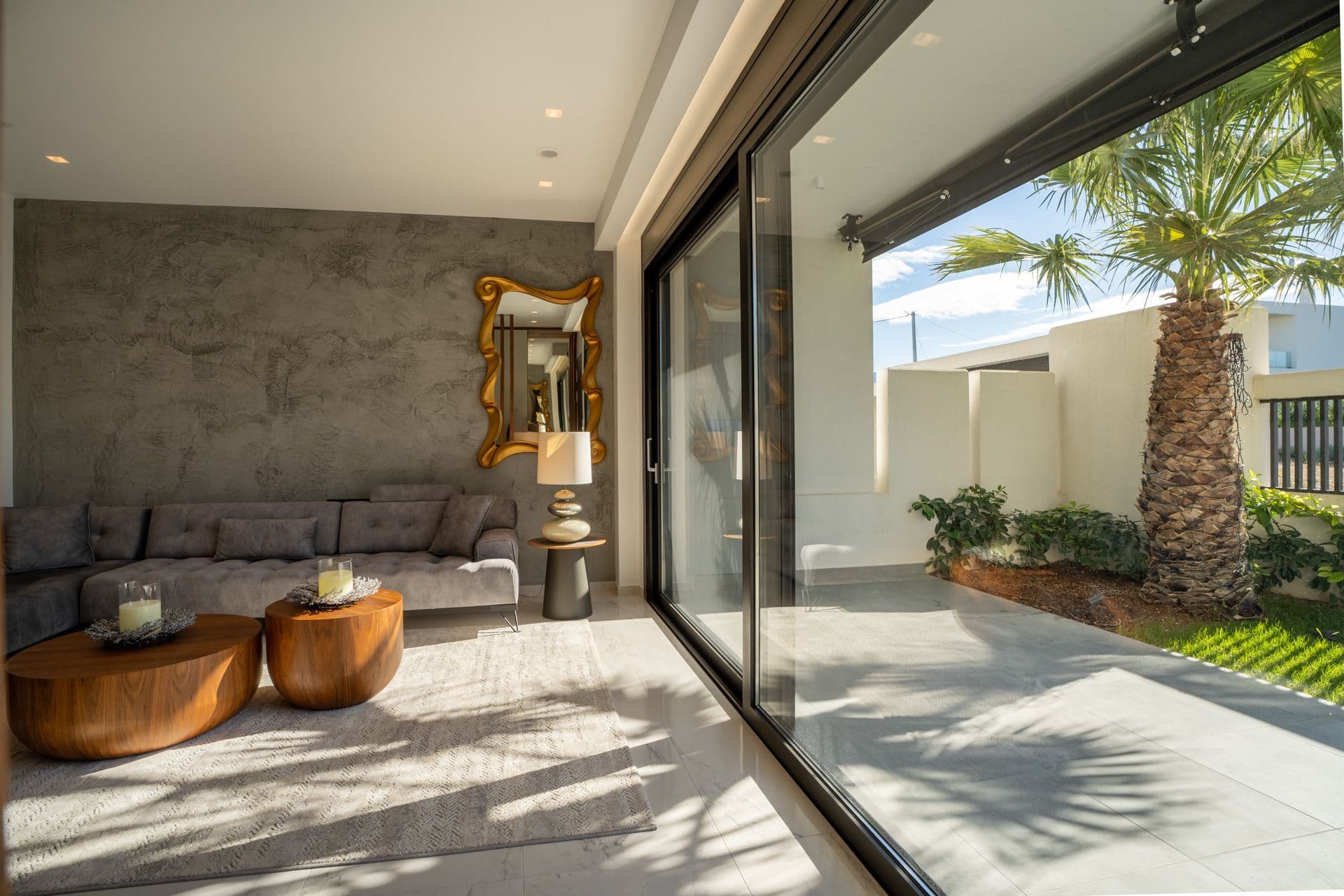
The location is a non-reversible factor that significantly affects both quality of life and the value of the property.
Whether you are buying the property for your own residence or for short-term rental, the “character” of the neighbourhood is very important. Observe whether the area is quiet or busy, whether there are schools, parks, shops and public transport within walking distance. Talk to residents or visit the neighbourhood at different times of day to gain a complete picture.
Leisure and sports facilities, parks, playgrounds and sports fields are also elements worth evaluating, especially if you have a family or place emphasis on quality of life. Easy access to such infrastructure can significantly improve your daily life and increase the property’s value in the long term.
It is important to know which services are available in the neighbourhood and how easy it is to access them. Banks, supermarkets, pharmacies, bakeries and other essential businesses within walking distance can make your daily life more convenient. At the same time, the presence of nearby bus, metro or suburban rail stations is particularly important, especially if you do not have a private vehicle. All of the above affect not only quality of life but also the value or yield of the property if you intend to use it as an investment.
If you have children or plan to have, it is important to know what educational options the area offers. The presence of nearby schools, public or private, can decisively influence your decision. In addition, it is worth checking whether there are facilities for leisure activities, such as creative learning centres, dance or music schools, sports clubs and children’s camps. These amenities contribute significantly to children’s development and to the overall quality of family life.
Beyond the overall image of the neighbourhood, it is worth finding out a few things about the people who live nearby. You can ask the real estate agent or the owner about the neighbours’ profile or take a walk around the area and talk to residents. A good atmosphere in the neighbourhood contributes significantly to quality of life and to a general feeling of security and comfort.
Engel & Völkers
Voula, Attica, Greece
Price
€900,000
Glyfada, Attica, Greece
Price
€2,500,000
Voula, Attica, Greece
Price
€2,100,000
Voula, Attica, Greece
Price
€2,400,000
Voula, Attica, Greece
Price
€2,100,000
Nea Smyrni, Attica, Greece
Price
€220,000
Piraeus, Attica, Greece
Price
€385,000
Voula, Attica, Greece
Price
€1,001,100
Pangrati, Athens, Attica, Greece
Price
€850,000
Of course, having a full understanding of the purchase process and the related bureaucracy is essential.
When can you move in?
Even if you are not in a hurry to move, knowing when you will be able to move into the property is of critical importance, so that you can speak with a moving company and plan accordingly.
When can you sign the contract?
This is another important question. As with the handover date, knowing when the contract will be signed helps you plan the move, schedule the submission of all required documents and prepare everything in time.
Knowing what to ask and what to check before buying a property is crucial. It helps you assess whether the price is reasonable, whether there is room for negotiation and whether it is ultimately the right choice. Everything becomes easier when you have an experienced consultant by your side to guide you properly at every step of the process.
The Real Estate Advisors of Engel & Völkers can guide you safely through these steps.

FAQ
It is vital to ask why the house is being sold and how long it has been on the market, as these may reveal potential issues or give you negotiation leverage.
You should also find out the total built and usable surface area, the condition of the property, whether it needs renovation, the condition of the building (especially in the case of apartments), checking whether it has undergone a Technical Building Inspection, as well as the date of the last renovation. Other important questions include whether there are private amenities for owners, such as a pool or parking, whether there is an Energy Performance Certificate, the orientation of the property, the type of energy supply, and whether the furniture is included.
To avoid unexpected costs, it is essential to ask whether the home is up to date with its payments, meaning, whether there are any debts, whether there are any outstanding assessments, what the ENFIA cost is, what the monthly common charges are, and what the utility costs amount to. This information will help you budget for your future expenses.
Location is a very important factor. You should ask about the character of the neighbourhood, whether it is quiet or lively, the services available in the area, whether there are shops, the transport options such as public transportation, and the presence of schools nearby, especially if you have or plan to have children.
It is also helpful to ask about the neighbours or observe them in order to ensure a harmonious living experience.
It is very important to check the status of the legal documents and any debts linked to the property, making sure that the current owner has settled them before the transaction. This is a key step to ensure a smooth and trouble free purchase.
Knowing how long a property has been on the market can give you negotiation leverage. If a long time has passed, six months or more, the seller may be more willing to negotiate. The number of viewings shows the level of demand for the property.
High interest may mean that you need to act quickly to secure the property.
A reliable real estate consultant, such as those at Engel & Völkers, can offer a personalized approach to ensure a smooth and stress free experience. They can clarify any doubts you may have and guide you through the entire process, eliminating the need to worry about unfamiliar terms or questions.
It is important to know the moving date, even if you are not in a hurry, so that you can coordinate with the moving company. You should also know the date of signing the contract in order to organize the move and complete the necessary paperwork. These dates are crucial for a smooth transition into your new home.
You may also be interested in








Contact


Engel & Völkers Greece
Athens Tower 2-4, Mesogeion Avenue (10th Floor)
11527 Athens, Greece
Tel: +30 211 105 500 0