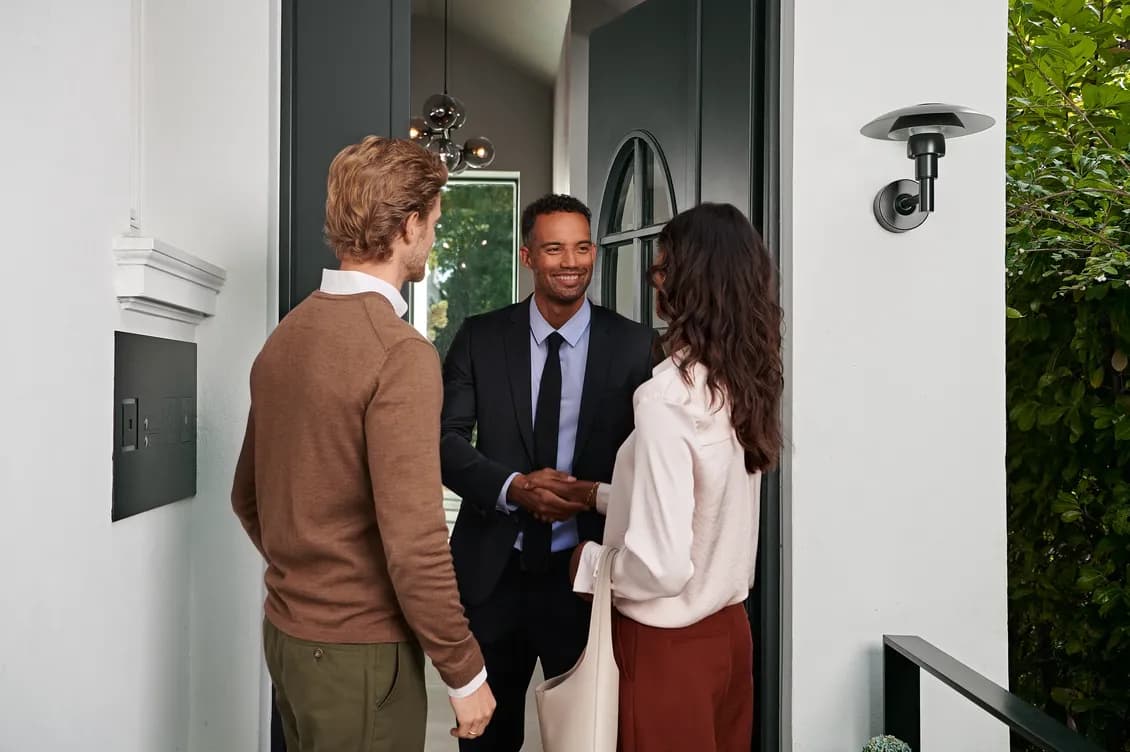
Want to spend time only with truly serious buyers?
Discover how Engel & Völkers pre-qualifies viewings and manages the follow-up process: request a tailored consultation.
The new GG website: Inspiring personalities, extraordinary places and exceptional properties. Discover now.
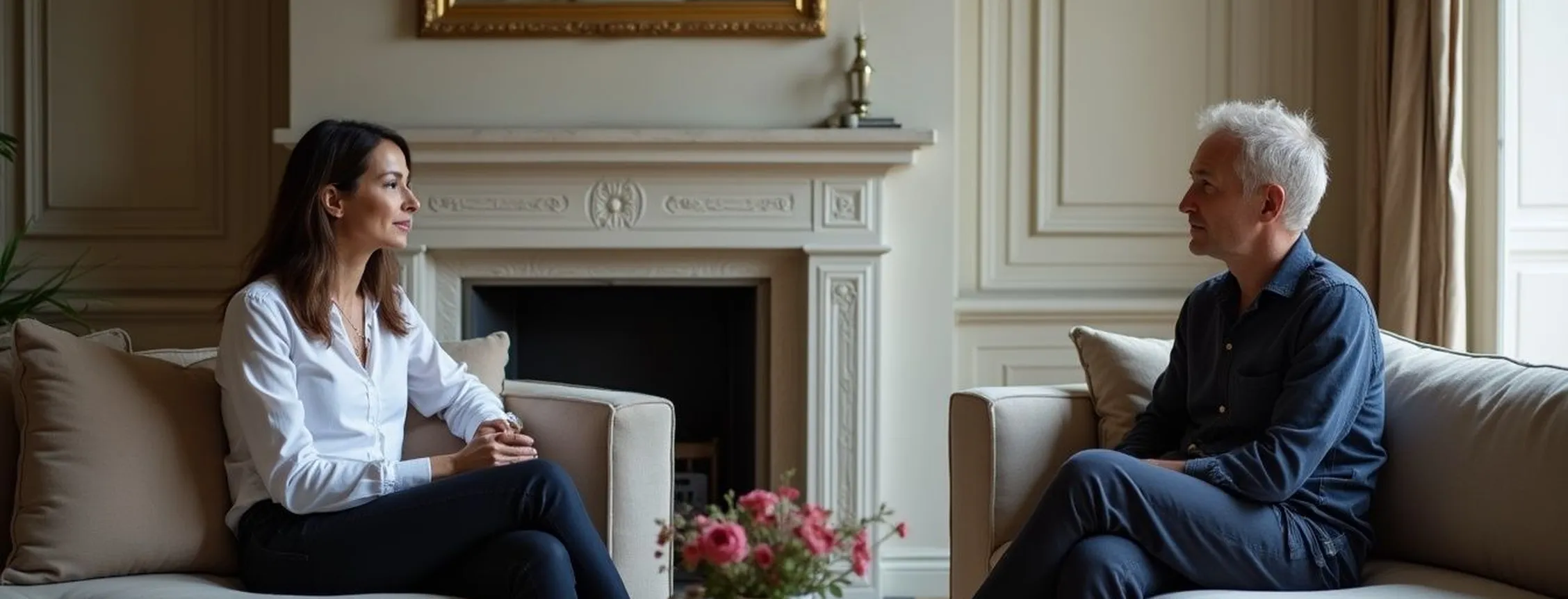
You have hosted ten viewings in a month without receiving a single offer. Every time seems to go well: visitors are friendly, ask questions, and show enthusiasm. Then, complete silence. You are left wondering whether the issue is the price, the property itself, or if you are simply wasting your time on people with no real intention of buying.
Learning to read the signs that separate serious buyers from casual lookers is an invaluable skill. It helps you focus your energy where it counts and properly assess how the sale is progressing. Let us look at the key signs to watch for during a viewing, the questions that reveal genuine interest, post-viewing behavior, and how to manage the follow-up process effectively.
Table of Content
A buyer who can truly see themselves living in the property shows it through specific, recognizable behaviors. They revisit the same rooms multiple times—a clear sign they are actively evaluating the space, not just browsing. They pause to picture how they would use each area, mentally moving into the home. It is not uncommon for them to measure rooms or check dimensions, a giveaway that they are already thinking in practical, operational terms.
Two other indicators are particularly telling. The first is the nature of their questions: serious buyers ask practical, detailed questions (HOA or service charges, energy performance rating, condition of the wiring and plumbing, and the timeline for completion) because they are gathering the facts needed to make a real decision. The second is bringing a trusted advisor: bringing along a partner, a parent, or a surveyor/contractor means they have moved past casual curiosity and want key decision-makers involved.
Discover how Engel & Völkers pre-qualifies viewings and manages the follow-up process: request a tailored consultation.
Some questions are only asked by people who are genuinely considering a purchase, and it is crucial to recognize them. Inquiries about price flexibility signal that the buyer is already thinking about putting in an offer. Asking whether there are other interested parties points to a fear of losing out on the property—a telltale sign of someone truly invested. Inquiring about when the property will become available shows they are assessing how it aligns with their own moving timeline.
Even more revealing is requesting a second viewing with a professional (such as a surveyor, engineer, or architect), which reflects a clear intention to evaluate the property ahead of a formal decision. Finally, references to financial readiness are a major signal: a buyer who mentions having already spoken with their bank, obtained a mortgage pre-approval, or secured the necessary funds is signaling that they are well along in the buying process.
What happens after a viewing is often far more telling than what takes place during it. In-person enthusiasm counts for little unless it is backed by concrete actions.
A serious buyer usually follows up within a couple of days, without letting too much time slip by. They ask for additional documentation because they want to take a closer look, and they often propose a second viewing—the step that almost always precedes an offer. On the other hand, silence following a seemingly enthusiastic visit is, in most cases, the clearest answer: someone who never reaches back out was often never truly interested or has simply found another property in the meantime. Learning not to overvalue spur-of-the-moment enthusiasm saves a lot of false hopes.
Certain types of visitors rarely end up submitting an offer, and identifying them early helps manage expectations. Some tour properties as a pastime, or simply to keep tabs on the market with no real intention of buying in the near term. Others have yet to sell their current home and do not yet possess the financial means to move forward: their interest may be genuine, but their timeline remains vague and distant. Then there are those who focus more on the furniture and decor than the property itself, asking endless questions about cosmetic details and very few about what truly matters in a purchase: structural integrity, utilities, building systems, and legal documentation.
The most effective way to cut down on unproductive viewings is pre-qualification: gathering a few key details before opening the door allows you to understand who you are dealing with ahead of time, ensuring you invest your energy into viewings that have a real chance of closing.
Following up is not just about staying in touch: it is the best way to understand where the buyer stands in their decision-making process. Reaching out after a viewing is entirely standard, provided it is handled with tact: a polite message or a quick phone call a few days later to ask for feedback will not feel intrusive and naturally opens a constructive dialogue.
Asking the right questions helps you gauge the situation: finding out whether the property meets their criteria, if there are specific points they want to revisit, or whether they are considering other listings reveals how genuine their interest truly is. However, follow-up holds a second key benefit: the insights you gather, viewing after viewing, help fine-tune your overall sales strategy. If multiple visitors raise the exact same objection about the asking price or point out the same drawback in presentation, that feedback clearly highlights what needs adjusting.
Managing viewings demands time, energy, and an ability to read people that only comes with experience. This is where an experienced real estate agent makes all the difference.
Engel & Völkers integrates prospective buyer pre-qualification directly into its core service: filtering viewing requests, identifying visitors with genuine purchasing power and intent, and managing follow-up systematically. For sellers, this means eliminating unproductive viewings and focusing every effort on prospects who have a real likelihood of submitting an offer. Guiding property owners through the viewing stage—rather than just the initial search for buyers—is what defines a full-service agency, where every single phase of the process is engineered to bring you closer to a successful sale.
Discover how Engel & Völkers pre-qualifies viewings and manages follow-up: request a tailored consultation.
FAQ on how to tell if a buyer is truly interested
The buyer revisits the same rooms multiple times, pauses to imagine how they would use the space, occasionally takes measurements, asks practical questions about fees, building systems, and closing, and brings along a trusted companion.
Questions regarding price flexibility, whether there are other interested parties, and the timeline for completion or move-in. Other strong indicators include requesting a second viewing with a surveyor or architect, as well as references to financial readiness or having already spoken with a mortgage lender.
In most cases, it means the interest was never genuine or the buyer has found another property. Post-viewing behavior reveals far more than spur-of-the-moment enthusiasm.
People touring homes as a hobby or just to keep tabs on the market, those who haven't sold their current property yet and lack the necessary funds to proceed, and anyone focusing primarily on the furniture rather than the structure, utilities, and documentation.
By sending a message or making a quick call a few days later to ask for feedback. Their responses help gauge how genuine the interest is and, when collected over multiple viewings, show where to adjust your sales strategy.