Alcácer do Sal, Setubal, Portugal
INVESTMENT: Tourism Project
Price on request
- ~5,000,000 m² Plot surface
Find practical tips for buying a rural house in Portugal with safety and value in mind

Buying a rural house in Portugal is the dream of many, especially those looking for tranquillity, contact with nature, and a more sustainable lifestyle. With stunning landscapes, a mild climate, and picturesque villages, Portugal has become increasingly attractive to both local and foreign buyers interested in rural properties — whether for personal use, a second home, or investment.
In this article, we explain everything you need to know before buying a rural house, from choosing the right location to reviewing documentation, financing options, and assessing long-term profitability.
Table of Content
Why invest in a rural property in Portugal?
Choosing the right location
Understanding the types of rural properties available
Reviewing the property’s land registry
Knowing the associated costs
Financing and mortgage options
Renting out your rural home
Rural living: pros and cons
The buying process
The importance of expert support
A long-term investment in lifestyle
In recent years, there has been growing interest in real estate located in non-urban areas. This trend is driven by the rise of remote work, the pursuit of a better quality of life, and a desire for larger living spaces connected to nature. Investing in rural property can be a great opportunity, especially if you consider short-term rental income or starting an agricultural, eco, or rural tourism project.
Furthermore, various tax incentives and support programmes exist to encourage development in inland regions, making these purchases even more appealing.
Location is always one of the most important aspects of any property purchase. For rural homes, it plays an even greater role. Regions such as Alentejo, Douro Valley, Serra da Estrela, or inland Algarve are increasingly sought-after by those wishing to escape the hustle and bustle of cities and embrace a calmer lifestyle.
Before making a decision, it's important to visit the area and assess access routes, local healthcare services, shops, and transport connections. Also, ensure that internet coverage is available — essential for those planning to work remotely.
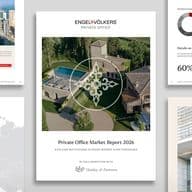
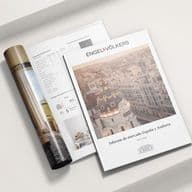
Consult the real estate market report to identify areas with greater investment potential.
In Portugal, the concept of a rural home can include different types of properties:
Single-storey houses or traditional farmhouses;
Properties with agricultural or forest land;
Stone cottages in traditional villages;
Historic manor houses in need of renovation.
Each type of property comes with its own benefits and challenges. While some are move-in ready, others may require significant refurbishment. It's crucial to assess the structural condition and, if needed, hire an engineer or architect for a professional inspection.
The permanent land registry certificate is an essential document that shows whether a property is burdened with debt, mortgages, or other legal restrictions. Always review this certificate before signing any promissory agreement.
Ensure the property's registered area matches its actual use and that all structures are legal. Many old rural houses have extensions or annexes that are not officially documented.
Purchasing a rural home involves several costs beyond the sale price. These include:
Municipal Property Transfer Tax (IMT);
Stamp duty on property;
Notary and land registry fees;
Deed and registration costs ;
Renovation or repair costs;
Insurance and ongoing maintenance expenses.
It is advisable to plan your finances carefully and seek professional guidance if needed.
If you require a mortgage, you will need to work with a bank that finances rural property. Lending conditions may vary depending on whether the property is for personal use, secondary residence, or rental investment. Down payment requirements for rural homes are often higher.
If you are buying with the intention of renting out the property, investigate the legal requirements and explore options for real estate investment.
A rural home can be a strong source of rental income, especially if converted into local accommodation (AL), a guesthouse, or a rural tourism unit. Portugal has strong demand for authentic countryside experiences, making this type of investment increasingly popular.
Make sure the property is well-located, accessible, and offers the charm and comfort expected by guests. You’ll also need to meet legal requirements for tourism licensing.
PROPERTIES IN PORTUGAL
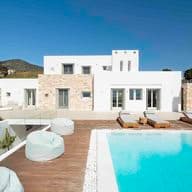
Alcácer do Sal, Setubal, Portugal
Price on request
Vale do Lobo, Almancil, Faro District, Portugal
Price on request
Quinta do Lago, Almancil, Faro District, Portugal
Price on request
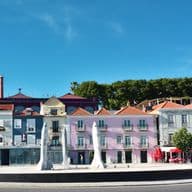
Centro Historico, Cascais, Lisbon, Portugal
Price
€22,000,000
Porto, Porto District, Portugal
Price on request
Albufeira, Faro District, Portugal
Price
€18,500,000
Faro, Faro District, Portugal
Price
€18,000,000
Carnaxide, Lisbon, Portugal
Price
€17,000,000
Quinta do Lago, Almancil, Faro District, Portugal
Price
€16,500,000
Living in a rural home can provide unparalleled quality of life, but also presents some challenges. For a useful comparison, consider reading about the pros and cons of apartment living. Although focused on urban housing, it can help you reflect on different lifestyles.
For many, the lack of traffic, lower cost of living, and proximity to nature far outweigh the limited access to services or entertainment.
The process for buying a rural home in Portugal follows the same steps as for any other property:
Property selection;
Reviewing documentation and land registry;
Preparing the promissory purchase and sale agreement;
Mortgage application (if needed);
Signing the deed;
Property registration.
If you’re unfamiliar with the buying process, this guide on how to buy an apartment is also applicable in many aspects to rural property.
Having the support of a trusted real estate agency is crucial. Engel & Völkers has an experienced team in the real estate sector that offers personalised guidance — from property selection to legal advice and rental management.
With a deep understanding of the local market, Engel & Völkers helps buyers make informed decisions and identify investment opportunities aligned with their goals.
Whether for living, holidays, or income generation, buying a rural house in Portugal can be one of the most rewarding decisions you’ll make. With the right support, market knowledge, and careful planning, you can acquire a property with strong long-term value and personal benefit.
If you’re considering a rural home, get in touch with Engel & Völkers and discover what Portugal’s countryside has to offer. Your peaceful life in nature might be closer than you think.
You may also be interested in
&w=1920&q=75)



FOR MORE INFORMATION



Engel & Völkers Portugal
Av. da Liberdade 196, 7 andar
1250-096 Lisboa, Portugal
Tel: +351 210 200 490