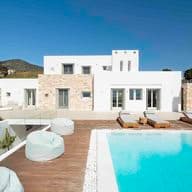
Alcácer do Sal, Setubal, Portugal
INVESTMENT: Tourism Project
Price on request
- ~5,000,000 m² Plot surface
Discover how the price per square meter of an apartment in Portugal is calculated and what affects it

The price per square meter of an apartment in Portugal has become one of the most important indicators for anyone looking to buy a home. This figure helps buyers understand the real value of a property, compare different regions, and make a more informed investment decision. If you’re planning to buy a property in Portugal, understanding how this calculation works and what affects it is essential for making smart choices.
Table of Content
1. Why understanding the price per square meter matters
2. How to calculate price per square meter
3. Factors that influence the price per square meter
4. Regional price variations in Portugal
5. How location affects future appreciation
6. Property type and condition
7. Current market trends and challenges
8. Using this information in negotiations
9. Additional costs when buying a property
10. Financial planning: preparing for the purchase
11. Professional guidance throughout the process
12. Future outlook for the real estate market
FAQ — Price per square meter in Portugal
When evaluating a property, many people focus only on the total asking price. However, this alone doesn’t provide a clear picture of the property’s actual value. The price per square meter shows how much each unit of area costs, allowing for fairer comparisons between properties of different sizes, locations, and characteristics.
For example, a smaller apartment in a central location may have a lower overall price than a larger one in the suburbs — but its price per square meter could be significantly higher. This metric gives a more accurate idea of the value of each location and helps buyers make more strategic decisions.
Working with experienced professionals such as Engel & Völkers can make all the difference in identifying real market opportunities and avoiding overpaying.
Calculating the price per square meter is simple. You just divide the total price of the property by its usable floor area (or gross area, as stated in the deed).
Example:
Property price: €300,000
Usable area: 75 m²
Calculation: €300,000 ÷ 75 m² = €4,000 per m²
This figure serves as a direct reference and makes it easier to compare different properties on the market. By analysing multiple options based on this criterion, buyers can identify which ones offer the best value for money.
Prices per square meter vary widely depending on a number of factors. Some of the most relevant include:
Location: the more central or desirable the area, the higher the price.
Condition of the property: new or fully renovated apartments are usually more expensive.
Accessibility and services: proximity to public transport, schools, hospitals, and shops increases value.
Floor and view: higher floors with panoramic views tend to be priced higher.
Supply and demand: areas with high demand and limited supply see higher price growth.
Building amenities: buildings with lifts, garages, or swimming pools usually cost more.
Keeping these factors in mind helps explain why two similarly sized properties can have very different prices.
The price per square meter varies greatly depending on location. In major cities and coastal areas, prices tend to be much higher than in inland regions.
For example:
Lisbon traditionally has the highest price per square meter in the country, especially in central neighbourhoods.
Porto has slightly lower prices than Lisbon but remains one of the most expensive areas due to strong demand.
The Algarve stands out for its tourism and foreign investment, maintaining high prices in places like Albufeira and Lagos.
Inland regions such as Alentejo or Trás-os-Montes are more affordable and offer more space for lower prices.
Consulting a specialist in buying a home can help you understand these differences and find the best fit for your budget.
Beyond the current price, a property’s location plays a crucial role in its future appreciation. Investing in areas with urban development, good transport connections, and a high quality of life often leads to significant value growth over time.
Neighbourhoods near city centres, efficient transport, cultural attractions, and quality schools are more likely to see faster price increases. Less developed areas may maintain stable prices over a longer period.
Working with experienced real estate consultants is essential to assess a location’s growth potential before buying.
The type of apartment — i.e., the number of rooms — and its condition also have a direct impact on the price per square meter.
New or recently renovated apartments tend to have higher prices but often offer better long-term value, as they require little to no maintenance.
On the other hand, older properties or those in need of renovation may have a lower initial cost but can involve significant renovation expenses.
Buying an off-plan apartment can be an excellent alternative for buyers seeking a modern property at a competitive price, with more flexible payment conditions during construction.
In recent years, the Portuguese real estate market has seen significant growth in price per square meter, driven by high demand, historically low interest rates, and international investment.
While prices have stabilised in some regions, the trend remains positive in major cities and coastal areas. Factors such as tourism, residency programmes for foreigners, and urban development continue to sustain price growth.
Working with an experienced real estate team can make a big difference in spotting opportunities before prices rise further.
Knowing the average price per square meter gives buyers a stronger negotiating position. If a property is priced well above the local average, that can be a valid argument to negotiate a fairer price with the seller.
Tips for better negotiation:
Compare similar properties in the same area.
Research recent sale prices nearby.
Consider the property’s condition and any additional costs.
Be ready to back up your offer with real data.
This approach allows you to better defend your interests and increase your chances of securing a good deal.
The price per square meter does not include additional costs associated with the purchase, which can represent a significant portion of your overall budget.
Common extra costs include:
Property Transfer Tax (IMT)
Stamp Duty
Notary and land registry fees
Legal and agent fees
Inspection and valuation costs
Knowing these costs in advance helps avoid surprises and plan your finances better.
Buying a home is a long-term investment that requires solid financial preparation. Before proceeding, it’s important to assess not only the property price but also your real capacity to cover all related expenses.
Building a solid saving plan is an essential step to ensure the purchase doesn’t compromise your financial stability.
Understanding the price per square meter is only part of the equation. To make a successful investment, you need reliable information and expert guidance.
Engel & Völkers offers specialised consultants with deep knowledge of the Portuguese real estate market, helping buyers find properties that match their profile while ensuring a transparent and secure process.
Market forecasts indicate that property values in Portugal will continue to grow in the coming years, albeit at a more moderate pace than in the recent past. Economic stability, foreign investment, and tourism will likely keep supporting this positive trend.
For buyers, understanding the price per square meter and the factors influencing it is key to choosing the right time and location to invest.
PROPERTIES IN PORTUGAL
Alcácer do Sal, Setubal, Portugal
Price on request
Vale do Lobo, Almancil, Faro District, Portugal
Price on request
Quinta do Lago, Almancil, Faro District, Portugal
Price on request
Centro Historico, Cascais, Lisbon, Portugal
Price
€22,000,000
Porto, Porto District, Portugal
Price on request
Albufeira, Faro District, Portugal
Price
€18,500,000
Faro, Faro District, Portugal
Price
€18,000,000
Carnaxide, Lisbon, Portugal
Price
€17,000,000
Quinta do Lago, Almancil, Faro District, Portugal
Price
€16,500,000
It’s the average amount paid for each square meter of usable space in a property, making comparisons between properties more accurate.
Lisbon, Porto and the Algarve have the highest price per square meter, especially in central and tourist areas.
Location, property type, condition, accessibility, local demand, and building features all play a role.
Yes. Knowing the average price per square meter in the area can strengthen your negotiating position and help you make better offers.
Create a savings plan, analyse additional costs, and seek expert guidance to make a secure investment.
Yes. Specialist consultants can help identify real opportunities and prevent you from overpaying.
This guide was designed to help buyers better understand the importance of price per square meter when purchasing an apartment in Portugal. Having access to the right information and professional guidance is key to making a well-grounded investment. If you’re planning to buy a home, get in touch with Engel & Völkers and take the first step with confidence.
You may also be interested in
&w=1920&q=75)





FOR MORE INFORMATION



Engel & Völkers Portugal
Av. da Liberdade 196, 7 andar
1250-096 Lisboa, Portugal
Tel: +351 210 200 490