- 5 min read
Feng Shui in the bedroom: how to create a harmonious space and improve the energy of your home
Learn how to use Feng Shui in your bedroom to create balance and attract positive energy
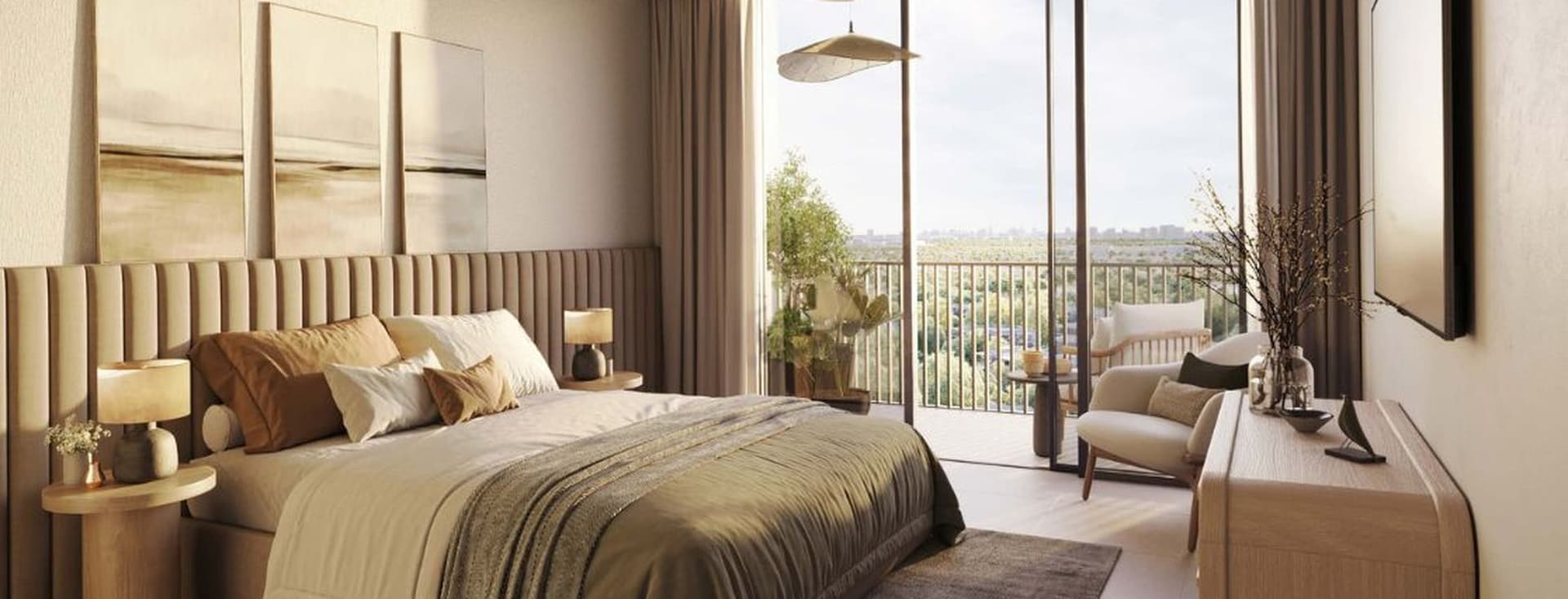
The bedroom is much more than just a place to sleep — it is a space for rest, intimacy, and regeneration. For anyone looking to increase their property’s value and create environments that convey comfort and well-being, applying the principles of Feng Shui can be a powerful strategy. This ancient Chinese philosophy helps harmonise space and vital energy, making any room more balanced and inviting.
In real estate, a bedroom with good energy not only enhances the overall atmosphere of the home but can also increase its attractiveness to potential buyers. In a competitive market, details like lighting, furniture placement, and energy flow can make all the difference.
If you’re preparing to sell your home, understanding how Feng Shui can transform the bedroom into a true sanctuary of serenity can be an essential step to make your property stand out. Engel & Völkers has experienced professionals who can help maximise every detail of your property.
Table of Content
1. What Feng Shui is and why it matters in real estate
2. The importance of the bedroom in the home’s energy balance
3. Bed placement: the heart of bedroom Feng Shui
4. Lighting and atmosphere: creating a welcoming environment
5. Calming and balancing colours
6. Organisation and energy flow
7. Natural elements: bringing balance and vitality
8. The role of mirrors and decorative objects
9. Reducing electronic interference
10. Scents and sounds: the power of the senses
11. Feng Shui as a real estate value booster
12. Preparing the bedroom for visits and photos
13. Professional guidance: maximising results
FAQ — Feng Shui in the bedroom and property value
1. What Feng Shui is and why it matters in real estate
Feng Shui, which literally means “wind and water,” is an ancient Chinese practice that seeks to balance the energy of a space to promote health, prosperity, and well-being. It is based on the idea that everything has energy (Qi), and the way we organise our surroundings can either support or block that energy flow.
When applied to the bedroom, Feng Shui aims to create a calm, balanced, and welcoming environment, ideal for rest and rejuvenation. In the context of selling a property, a harmonious bedroom can make an immediate positive impression, helping potential buyers imagine themselves living in that space. This is particularly relevant for those working with real estate consultants who are looking for ways to increase the appeal and value of a home before putting it on the market.
2. The importance of the bedroom in the home’s energy balance
The bedroom is an intimate, personal space directly linked to rest, health, and emotional well-being. According to Feng Shui, the energy in this room affects not only the quality of sleep but also emotional balance and the overall harmony of the home.
A poorly organised or cluttered bedroom can create energetic blockages and generate a sense of fatigue or discomfort. A harmonious bedroom, on the other hand, conveys peace, security, and balance, becoming a source of positive energy in the house. This feeling of tranquillity is something potential buyers value highly, especially in competitive urban markets.
3. Bed placement: the heart of bedroom Feng Shui
The bed is the central element of the bedroom and, according to Feng Shui, its placement has a direct impact on how energy flows through the space.
Key recommendations:
The headboard should be against a solid wall to create a sense of safety and stability.
The bed should be positioned so that the sleeper can see the door but is not directly in line with it (the “commanding position”).
There should be space to move freely on both sides of the bed, avoiding energy blockages.
Mirrors facing the bed should be avoided, as they can disrupt sleep and reflect excess energy.
For sellers preparing a home for viewings, these adjustments are simple, affordable, and can make a significant difference in how buyers perceive the space.
4. Lighting and atmosphere: creating a welcoming environment
Lighting is one of the most powerful elements in shaping the feel of a room. In Feng Shui, light represents vital energy, clarity, and vitality.
Best lighting practices for the bedroom:
Use soft, warm lighting to create a relaxing atmosphere.
Avoid harsh or overly white lights.
Combine general lighting with indirect lighting (table lamps, floor lamps, or diffused light).
Allow as much natural light as possible.
Well-planned lighting makes a space more inviting and more visually appealing in photographs or in-person visits — key factors when trying to sell your apartment.
5. Calming and balancing colours
In Feng Shui, colours play a crucial role in harmonising spaces. Each shade has its own energy vibration, influencing emotions and the overall mood of a room.
Best colours for bedrooms:
Neutral and soft tones (beige, cream, warm white).
Light blue and light green to promote tranquillity and balance.
Pastel tones to create a serene and relaxing environment.
Avoid overly strong or stimulating colours (like bright red or intense orange).
A harmonious colour palette adds a sense of sophistication and comfort — qualities that are highly valued during property viewings and can increase the likelihood of a sale.
6. Organisation and energy flow
A core principle of Feng Shui is that energy must flow freely. A cluttered bedroom full of obstacles blocks that energy and creates a sense of confinement.
Tips to optimise energy flow:
Keep the space clean and tidy.
Avoid oversized or unnecessary furniture.
Ensure easy movement around the bed.
Store personal or decorative items discreetly.
Minimise the number of electronic devices.
An organised room conveys spaciousness and well-being, both of which contribute to a more attractive property and a faster sale.
7. Natural elements: bringing balance and vitality
Feng Shui teaches that natural elements balance energy and promote well-being. Incorporating them into the bedroom can make the space feel more inviting and peaceful.
Practical suggestions:
Rounded-leaf plants (avoid sharp or spiky species).
Natural materials like wood, linen, or cotton.
Artwork or photographs depicting calm, harmonious landscapes.
Simple, meaningful decoration.
These subtle details add emotional and aesthetic value to the space — something buyers often sense intuitively during viewings.
8. The role of mirrors and decorative objects
Mirrors are widely used in interior design but should be used carefully in Feng Shui. A poorly placed mirror can disrupt rest and energy flow.
Essential rules:
Don’t position mirrors directly facing the bed.
Use mirrors to reflect and amplify natural light when well positioned.
Avoid cluttering the room with too many decorative objects; focus on meaningful, positive pieces.
Balanced decoration creates a sense of harmony and sophistication — elements that can increase a property’s perceived value.
9. Reducing electronic interference
One of Feng Shui’s recommendations for the bedroom is to minimise electronic devices. TVs, computers, or excessive chargers create energy fields that interfere with rest.
Best practices:
Remove TVs or place them in a discreet location.
Keep cables and wires hidden.
Avoid sleeping with a phone next to the bed.
Use an analogue alarm clock instead of an electronic one.
This not only improves the energetic atmosphere but also creates a cleaner, more visually appealing space — something buyers appreciate.
10. Scents and sounds: the power of the senses
Feng Shui places strong emphasis on the role of the senses. Pleasant scents and soft sounds can make a bedroom feel more welcoming and relaxing.
Practical tips:
Use diffusers with essential oils such as lavender, jasmine, or sandalwood.
Place fresh flowers in strategic spots.
Play soft background music during property visits.
Avoid strong or artificial odours.
These sensory details create a positive experience for visitors, increasing the likelihood of interest and connection.
11. Feng Shui as a real estate value booster
In a highly competitive market, every detail counts. Applying Feng Shui principles in the bedroom is a subtle yet effective way to enhance the emotional appeal of a property.
Creates a strong and memorable first impression.
Increases the sense of comfort and well-being.
Differentiates the property from others on the market.
Can justify a higher asking price.
May help reduce time on the market.
Working with an experienced real estate team allows sellers to apply these techniques strategically, adding value without requiring major investments.
12. Preparing the bedroom for visits and photos
Aesthetics are just as important as energy. Applying Feng Shui before listing a property helps create more photogenic and inviting spaces for online listings and in-person visits.
Quick checklist before a viewing:
Neatly made bed with neutral bedding.
Warm, soft lighting.
Pleasant and natural scents.
Minimal, well-placed furniture.
Uncluttered and open circulation.
Simple, harmonious decorative elements.
These small details can significantly increase a buyer’s interest during the first viewing.
13. Professional guidance: maximising results
Feng Shui can be applied simply and affordably, but having professional guidance can help optimise results. Engel & Völkers has specialists who know how to make a property stand out in the market and increase its perceived value.
Combining energy-enhancing techniques with strategic real estate marketing can have a significant impact on the success of a sale, making the property more attractive and emotionally engaging for potential buyers.
FAQ — Feng Shui in the bedroom and property value
What is Feng Shui?
It is an ancient Chinese philosophy that aims to harmonise spaces and balance vital energy (Qi), promoting well-being, health, and prosperity.
How can Feng Shui help sell a property?
A harmonious, welcoming space creates a strong first impression, triggers positive emotions, and increases buyer interest.
Does bed placement really affect energy?
Yes. A well-positioned bed promotes security, calm, and balanced energy flow, improving how the space is perceived.
What colours should I use to apply Feng Shui in the bedroom?
Neutral, soft tones, light blues, greens, and pastels are ideal for creating a calm and welcoming atmosphere.
Do I need major renovations to apply Feng Shui?
No. Small adjustments in furniture placement, lighting, and organisation can make a big difference.
Does Feng Shui really increase property value?
Yes. Spaces with balanced energy feel more inviting, memorable, and attractive, increasing the chances of selling faster and at a higher perceived value.
Creating a bedroom with good energy through Feng Shui is more than just a decorative trend — it’s a powerful tool to make a property more appealing and valuable. When preparing to sell your home, harmonising the bedroom can be one of the most strategic and cost-effective steps.
If you want to unlock your property’s full potential, contact Engel & Völkers and work with an experienced team to turn details into results.
FOR MORE INFORMATION
Contact us



Engel & Völkers Portugal
Av. da Liberdade 196, 7 andar
1250-096 Lisboa, Portugal
Tel: +351 210 200 490