
Get Your Free Investment Guide
Learn how to maximise returns and make informed decisions in Dubai’s property market.
The new GG website: Inspiring personalities, extraordinary places and exceptional properties. Discover now

Key Takeaways:
Off-plan investment in Dubai provides access to many of the city’s newest developments and emerging communities, often with flexible payment plans that spread the purchase cost over construction or beyond handover.
Off-plan properties accounted for 71.3% of Dubai residential sales during H1 2026, demonstrating the continued importance of new developments to the property market.
Completed properties in Dubai can generate gross rental yields of around 5%–8% depending on the property type, location, purchase price and ongoing costs, while carefully selected off-plan investments can also offer long-term capital appreciation potential.
Choosing the right off-plan property in Dubai requires evaluating the location, project timeline, developer reputation, payment plan, future supply, rental demand and long-term resale potential.
Off-plan investment in Dubai remains one of the most popular ways to enter the city’s property market, accounting for more than seven in every ten residential sales during H1 2026.
Buying off-plan means purchasing a property before construction is complete, often during the launch or development stage. While off-plan property was historically associated with buying below the price of comparable completed homes, this is no longer universally the case. Investors are increasingly attracted by access to new developments, emerging growth locations, flexible payment plans and the potential for long-term capital appreciation.
This guide explains how off-plan investment in Dubai works, the potential benefits and risks, common payment plans, expected returns and the key factors to consider when choosing an off-plan property or developer.
Table of Content
Why Invest in Off-Plan Property in Dubai?
How Dubai Off-Plan Property Investment Works
Off-Plan vs Ready Property Investment
Off-Plan Investment Payment Plans Explained
How to Choose an Off-Plan Property for Investment
Off-Plan Investment Returns
Risks of Off-Plan Investment in Dubai
How to Evaluate an Off-Plan Developer
Who Is Off-Plan Investment Suitable For?
Is Off-Plan Property a Good Investment in Dubai?
An off-plan property is a property purchased before construction has been completed, often directly from the developer during the launch or construction phase.
Off-plan investments remain very popular with investors across Dubai. During H1 2026, they accounted for 71.3% of residential property transactions, supported by continued new project launches, flexible payment structures and demand for properties in Dubai’s expanding communities.
Here is a detailed breakdown of the benefits of off-plan property investments in Dubai:
Historically, one of the biggest attractions of off-plan property was the opportunity to purchase at a lower price than comparable ready properties. While attractive launch pricing can still be available, investors should no longer assume that every off-plan property will be cheaper than the secondary market.
Today, a major advantage is access to Dubai’s newest developments, including properties in emerging communities and major master-planned destinations where infrastructure, amenities and surrounding development may support long-term growth.
Off-plan investments can benefit from capital appreciation between purchase and completion, particularly where investors buy into high-growth locations or developments that become more established as construction progresses.
However, appreciation is not guaranteed. As Dubai’s property market matures, performance is becoming increasingly differentiated by location, developer reputation, product quality, surrounding supply and the long-term appeal of the individual property.
Some off-plan developments allow buyers to select between layouts, materials, colour schemes or finishes, depending on the developer and the stage at which the property is purchased.
Developers typically offer flexible, instalment-based payment plans that spread the cost of purchasing a property over time. Depending on the project, payments may be linked to construction milestones, made at regular monthly intervals or continue after handover.
This can reduce the amount of capital required upfront and give investors greater flexibility when managing their finances.
The exact process for buying an off-plan property in Dubai varies between developers and projects, particularly during new launches. However, a typical purchase follows these stages:
Find the right project. Investors often work with a RERA-registered real estate agent who can provide information on current and upcoming launches, compare developments and advise on factors such as location, pricing, payment plans and developer track record.
Select and reserve the property. Depending on the developer and level of demand, buyers may initially submit an Expression of Interest (EOI), sometimes accompanied by a deposit cheque, to register their interest before units are released. For other projects, buyers can proceed directly to selecting a unit and paying the required booking fee or down payment.
Complete the booking documentation. Once a unit has been allocated, the buyer typically completes the developer’s booking or reservation form and pays the required initial amount.
Sign the Sales and Purchase Agreement. The developer then issues the Sales and Purchase Agreement (SPA), which sets out the purchase price, payment schedule, expected completion date and contractual terms of the purchase.
Make payments according to the payment plan. The investor makes the agreed instalments throughout the construction period or according to the schedule established by the developer.
Inspection and handover. As completion approaches, the property is inspected and any outstanding requirements are completed. The buyer then makes the final payment due at handover, unless part of the purchase price is covered by a post-handover payment plan.
Many investors compare off-plan investments with ready properties to understand which better suits their investment strategy. Both can offer attractive opportunities, but the advantages and risks differ.
| Off-Plan Property | Ready Property |
|---|---|
Access to new launches and emerging developments | Ability to inspect the completed property before purchase |
Flexible developer payment plans | Potential to generate rental income immediately |
Potential for capital appreciation during construction | No construction or handover delay |
Opportunity to buy in emerging growth locations | Established rental and resale performance is easier to assess |
Greater exposure to construction delays and future market conditions | Greater certainty around the finished property and surrounding community |
Get Your Free Investment Guide
Learn how to maximise returns and make informed decisions in Dubai’s property market.
Off-plan investment opportunities often offer flexible payment plans to attract buyers and reduce the amount of capital required upfront. The structure varies considerably between developers and projects.
Here are three common payment plan structures for off-plan property investments in Dubai:
With a construction-linked payment plan, instalments become due as the development reaches agreed construction milestones. For example, payments may be required at different stages of structural completion, with a final percentage payable at handover.
The exact percentages and milestones vary between projects.
Some developers offer fixed monthly instalment plans, allowing buyers to spread payments across the construction period rather than making larger milestone-based payments.
These plans can make cash flow easier to manage, although investors should consider the total payment schedule rather than focusing solely on the size of each monthly instalment.
A post-handover payment plan allows part of the purchase price to be paid after the property has been completed and handed over.
Typically, the buyer pays an initial amount and further instalments during construction, with the remaining balance spread over an agreed period after handover. This can be particularly attractive to investors who intend to rent the property after completion, although the terms and overall purchase price should always be assessed carefully.
Selecting the right off-plan investment requires more than comparing launch prices and payment plans. As Dubai’s market becomes increasingly selective, investors should consider the fundamentals likely to influence both rental demand and future resale value.
Assess both the current location and how the surrounding area is expected to develop. Transport infrastructure, schools, retail, employment hubs, leisure facilities and wider masterplan development can all contribute to future demand and capital appreciation.
Emerging areas such as Dubai South, for example, continue to benefit from infrastructure investment and expanding amenities, while established communities offer the advantage of proven demand.
Understand the expected construction and handover timeline and whether it aligns with your investment objectives. This is particularly important if you have a target date for generating rental income, reselling the property or moving into it.
Research market trends, buyer and tenant preferences, comparable property prices and rental yields within the surrounding community.
Investors should also consider the volume of competing supply expected around the time of handover. A strong location can still face pricing or rental pressure if a large number of similar units enter the market simultaneously.
Developer reputation has become increasingly important as buyers have more projects to choose from. Consider the developer’s delivery history, build quality, previous communities and reputation for maintaining developments after completion.
Consider who is likely to rent or buy the property once it is completed. One and two-bedroom apartments, family townhouses and luxury villas serve very different markets, so the property should align with the underlying demand within that particular community.
Service charges and other ongoing costs can materially affect net investment returns. These should be considered alongside the purchase price and expected rental income rather than assessing a property solely on its headline gross yield.
Consider how easily the property may be resold in the future. Location, developer reputation, property type, future supply and the size of the potential buyer pool can all influence liquidity once you decide to exit the investment.
Returns from off-plan investment in Dubai can come from two main sources: capital appreciation and rental income after the property is completed.
Dubai’s residential market recorded an average gross rental yield of 6.6% in June 2026, with apartments averaging 6.9%, townhouses 5.1% and villas 4.5%. Depending on the location and property, gross yields of approximately 5%–8% can therefore be achievable once an off-plan property is handed over and rented.
However, rental yield should not be considered in isolation. Service charges, occupancy, purchase price and ongoing ownership costs all influence the actual return generated by an investment.
Capital appreciation can also form an important part of an off-plan investment strategy. Properties purchased in high-growth locations may benefit as surrounding infrastructure, amenities and communities mature, while investors who secure desirable units at an early stage may benefit from increased demand by completion.
There is no guaranteed rate of return from buying off-plan. As Dubai’s market becomes more mature, the strongest investment performance is increasingly likely to come from selecting the right individual asset rather than relying on market-wide price growth.
Off-plan investments also carry a degree of risk that investors must weigh before making an informed decision. These risks include delayed handover, project cancellations and changing market conditions.
Projects can be delayed or, in less common cases, cancelled if the developer encounters significant issues. Delayed completion can affect an investor’s expected rental income, resale plans or intended move-in date.
Investors should therefore research the developer’s delivery history and ensure that the development and associated escrow arrangements are properly registered.
Property market conditions can change between purchase and handover. A property purchased during a particularly strong market may be worth less than expected at completion if demand, supply or pricing conditions change.
This makes the initial purchase price and quality of the underlying asset particularly important.
When buying off-plan, investors are making a decision based on plans, specifications, renders and show properties rather than the completed unit itself. There is therefore a degree of uncertainty around the finished property and how the wider development will look and operate once completed.
Buyers should review the SPA and property specifications carefully so they understand exactly what the developer has committed to deliver.
One of the most important steps when investing in off-plan property is researching and evaluating the developer. As the number of projects available across Dubai has increased, developer reputation, delivery record and build quality have become increasingly important considerations for buyers.
Factors to assess include:
The developer’s track record for delivering previous projects on time and to the expected standard.
Reviews and performance of previous developments, including build quality and how completed communities have been maintained.
Whether the project is properly registered and payments are made through the appropriate escrow arrangements.
How the developer’s asking price compares with similar properties and recent transactions in the surrounding area.
The quality of the masterplan, amenities and wider community rather than simply the individual unit.
The developer’s reputation in the resale and rental markets, which can influence demand after completion.
Dubai has a broad range of established and emerging developers, each targeting different areas of the market. Read our guide to the top property developers in Dubai for a closer look at some of the city’s leading developers and their major projects.
Off-plan investment can suit a wide range of buyers, but the right opportunity depends on the investor’s objectives, available capital and tolerance for risk.
First-time investors may be attracted by flexible payment plans that spread the purchase cost over a longer period. Buyers focused on capital appreciation may look towards emerging communities and infrastructure-led growth areas, while longer-term investors may prioritise properties capable of generating sustainable rental income after handover.
Experienced and high-net-worth investors also use the off-plan market to access new master-planned communities, branded residences, waterfront developments and other properties that may not yet be available on the secondary market.
Whatever the investment profile, buyers should assess each property individually. Dubai’s market is becoming increasingly differentiated, meaning location, developer quality, purchase price and long-term demand are becoming more important than simply buying off-plan.
Off-plan property remains a major part of Dubai’s residential market, accounting for 71.3% of sales during H1 2026. The sector gives investors access to an extensive pipeline of new developments, flexible payment plans and opportunities across both established communities and emerging growth locations.
However, successful off-plan investment in Dubai increasingly depends on property selection. Investors should look beyond headline launch prices and payment plans to consider developer reputation, location, future supply, rental demand, service charges and resale potential.
The strongest opportunities are those that align these fundamentals with the investor’s own objectives, whether the priority is rental income, long-term capital appreciation or a combination of both. Working with an experienced Dubai real estate agent can provide access to new and upcoming launches while helping investors compare projects and identify opportunities that fit their investment strategy.
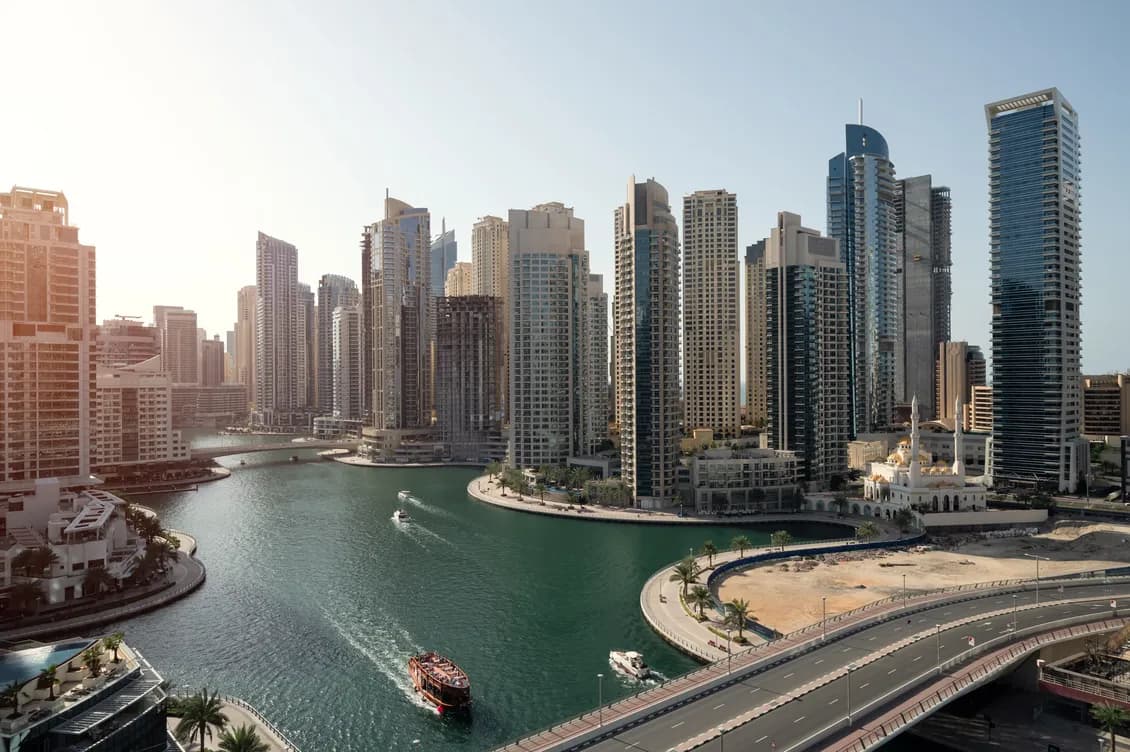
Find the Right Off-Plan Investment in Dubai
Explore Dubai’s latest off-plan opportunities with expert guidance on developments, locations, payment plans and long-term investment potential.
An off-plan investment involves purchasing a property before its construction has been completed, typically directly from a developer during the launch or construction phase.
Off-plan property can be an attractive investment in Dubai when the project, location, developer, purchase price and payment plan align with the investor’s objectives and the property has strong long-term rental or resale potential.
Yes. Foreign buyers can purchase off-plan property in Dubai within designated freehold areas.
Assess the developer’s track record, location, purchase price, payment plan, project timeline, surrounding infrastructure, future supply, rental demand and potential resale market before choosing an off-plan project.
Property ROI is calculated by dividing the net return generated by the total investment cost and multiplying the result by 100. For a completed rental property, investors should account for costs such as service charges, maintenance and other ownership expenses when calculating net returns.
You may also be interested in







Usman Adrees
Usman Adrees is the Head of Primary Sales at Engel & Völkers Dubai, leading one of the city’s largest and most experienced real estate teams. With over 10 years in Dubai’s property market, Usman specialises in the off-plan segment and maintains direct relationships with all of Dubai’s top developers. Under his leadership, the off-plan team provides clients with early access to the city’s most sought-after launches and expert guidance across every stage of the buying process.
Contact



Engel & Völkers Dubai
7th Floor, Al Khail Plaza
Jumeirah Village Triangle, Dubai, UAE
Tel: +971 4 4223500