New
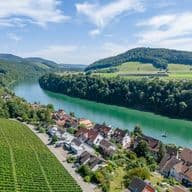
Wattwil, St. Gallen, Switzerland
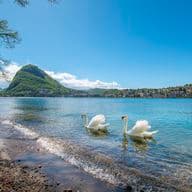
Panorama-Refugium im Grünen: Stilvolles Wohnen mit Blick auf Thur und Churfirsten
Price
CHF 358,000
~€358,000
- 2.5 Rooms
- 1 Bathroom
- ~65 m² Living area
Three people. Three success stories. Get to know them. Discover now.
Pros, cons, rights and obligations
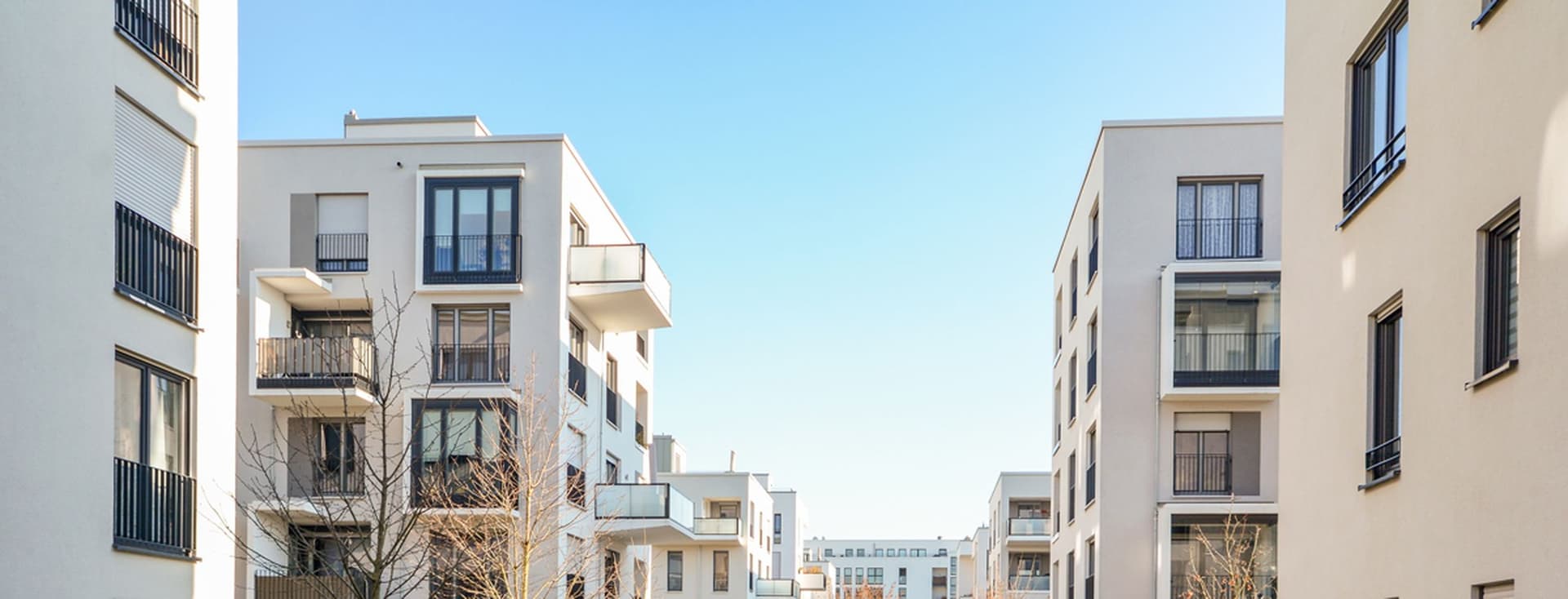
There are different types of home ownership in Switzerland when it comes to purchasing and owning real estate. Sole ownership is one of the most popular.
Sole ownership applies when a property belongs to just one person (see Art. 641 of the Swiss Civil Code, CC). As a sole owner, you are therefore the only person listed in the land register and generally purchase the property on your own using your own capital. This means you have all rights to the property and obviously all the obligations.
In principle, sole ownership means that the sole owner can do and have done to their property whatever is legally permitted (aside from specifically defined exceptions for family homes). Just one person has all the rights, but also all the obligations and financial liabilities.
However, in the case of a house with multiple residents, this can lead to the disadvantage that spouses don’t have equal rights.
In addition to sole ownership, there is also co-ownership and joint ownership.
In the case of co-ownership, the co-owners have a specifically defined proportion of a property. For married couples, this can be split 50-50, for example.
In the case of joint ownership, the property belongs to all parties – as a collective. Decisions about the property can only be made together. For married couples, joint ownership happens automatically when the marital property of the matrimonial property regime is chosen.
Wattwil, St. Gallen, Switzerland
Price
CHF 358,000
~€358,000
Brissago, Ticino, Switzerland
Price
CHF 1,650,000
~€1,650,000
Reichenburg, Schwyz, Switzerland
Price on request
Einsiedeln, Schwyz, Switzerland
Price
CHF 1,295,000
~€1,295,000
Einsiedeln, Schwyz, Switzerland
Price
CHF 1,099,000
~€1,099,000
Gersau, Schwyz, Switzerland
Price
CHF 3,350,000
~€3,350,000
Gersau, Schwyz, Switzerland
Price
CHF 3,350,000
~€3,350,000
Ronco sopra Ascona, Ticino, Switzerland
Price
CHF 720,000
~€720,000
Losone, Ticino, Switzerland
Price
CHF 890,000
~€890,000
Because sole ownership when married isn’t suitable for all of life’s plans, married couples can also agree to overwrite the property as a co-ownership or joint ownership.
We’ll go into the details of what happens to sole ownership in the event of divorce next.
In the event of a divorce, a sole owner can usually continue to occupy the property – the ownership structure doesn’t change.
If the married couple lived in what is known as a joint ownership of acquired property and the non-owner invested money in the property during the marriage, they can claim this contribution back in the event of a divorce, including any possible increase in value.
The divorced partner (the non-owner) can also go to court under certain conditions to make a claim for a temporary right of residence (see Art. 121 Swiss Civil Code, CC). The duration of the right of residence depends on the individual situation.
As mentioned above, the family home enjoys a certain level of protection. This means the sole owner can only sell the home if their spouse gives consent (see Art. 169 Swiss Civil Code, CC). However, if this consent is denied without compelling reasons, it will be down to the court to decide.

It's promising: Our worldwide network of earmarked prospective buyers.
In the event of death, the property belonging to the deceased sole owner goes into their estate and therefore into joint ownership of the heirs. You can of course also specify in a will who should receive the property – but any statutory shares of the heirs cannot be violated in doing so.
The surviving spouse has the option of having the family home allocated to them (taking into account their inheritance share) in accordance with Art. 612A of the Swiss Civil Code (CC). They can also request a right of residence or what is known as usufruct.
You may also be interested in

&w=1920&q=75)
Contact


Engel & Völkers Switzerland
Poststrasse 26
6300 Zug | Switzerland
Tel: +41 41 500 06 06